Tracing a VIN on a Frame
There's nothing quite like the excitement of finding that perfect used ATV or UTV – maybe it's a great deal from a private seller, or a well-loved machine that just needs a little TLC. But that excitement can quickly turn to a pit in your stomach when you realize the all-important Vehicle Identification Number (VIN) is missing, damaged, or just plain unreadable on the frame. This guide is all about tackling that exact frustration, walking you through why tracing a VIN is so crucial in Ontario, where to look, what to do if it's a problem, and the steps you need to take to ensure your new-to-you machine can actually be registered and enjoyed legally.
The Frustration of a Missing or Obscured VIN
You've got your new-to-you quad or side-by-side home, perhaps after a long drive and a handshake deal, only to discover the VIN is nowhere to be found, or it's a corroded mess. It's a common and deeply frustrating scenario that can leave you wondering if you've just bought an expensive paperweight. You might be envisioning epic trail rides, but without that clear, traceable VIN, those dreams hit a roadblock right at the ServiceOntario counter. This isn't just about bureaucracy; it's about proving ownership, ensuring the machine isn't stolen, and making sure it meets all the safety and regulatory standards Ontario requires.
Why VINs Go Missing Accidental and Intentional
VINs are tough, usually stamped deeply into the metal frame, but they're not indestructible. On an off-road vehicle, they're exposed to all sorts of abuse. Think about a quad that's seen years of mud, rocks, and trail grime – rust can slowly but surely eat away at those critical numbers. A rollover or impact could bend or scrape the frame right where the VIN is located, rendering it illegible. It happens, and it's frustrating when you've otherwise found a solid machine.
However, sometimes the obscuring of a VIN isn't accidental. In rarer, more concerning cases, a VIN might be deliberately ground off, altered, or covered up. This immediately raises a huge red flag. It could indicate the machine is stolen, has been rebuilt from parts with murky origins, or is involved in some other kind of illegal activity. As a buyer, you need to be acutely aware of this possibility, as it could turn your exciting purchase into a legal nightmare. It's why performing thorough [Checks Before You Buy a Used Quad in Ontario] is so incredibly important, and why a clear VIN is non-negotiable.
The Importance of the VIN for Ontario Registration
In Ontario, the VIN is the unique identifier for your ATV or UTV, much like a fingerprint for a person. It tells ServiceOntario everything they need to know about the machine's make, model, year, and serial number. Without a clear, verifiable VIN, you simply cannot complete the [Registering an ATV in Ontario] process. ServiceOntario relies on this number to issue you the [The Ontario Vehicle Permit Explained] and your licence plate.
If the VIN is unreadable, or if it doesn't match the documentation (like a bill of sale), you're going to face significant hurdles. They need to be sure the machine is what it claims to be and that it legally belongs to you. It's their way of preventing stolen vehicles from being put back on the road or trail. So, while it might feel like a bureaucratic headache, the VIN is a critical piece of the puzzle for legal and safe off-roading in Ontario.
Where to Find Your ATV or UTV's VIN
Before you throw in the towel, it's worth knowing all the typical places manufacturers hide these numbers. They're usually stamped in a pretty obvious spot, but sometimes dirt, rust, or an aftermarket modification can make them tricky to locate. Getting a good light and taking your time can save you a lot of grief.
Common Locations for VIN Placement
Most manufacturers place the VIN in a few standard spots on ATVs and UTVs. Start by looking at the front frame, usually near the steering neck or handlebars. Many quads have it stamped right on the frame rail that comes up to the steering column. You might need to turn the handlebars to one side to get a clear view.
For UTVs (side-by-sides), check the driver's side frame rail, often under the seat or near the front suspension. Some might have it on a crossmember in the engine bay, or even on a sticker or plate in the glove box or door jamb (though the stamped frame VIN is the primary one). Don't forget to look at the bottom frame rails towards the front of the machine, as some manufacturers opt for a spot that's less prone to damage from the rider but still accessible.
If you're having trouble, check your owner's manual – it often includes a diagram showing the exact VIN location for your specific model. While you're at it, compare the VIN on the machine to any existing paperwork you have, like a bill of sale or the previous owner's permit. This simple step can prevent headaches later.
What to Do When It's Hard to Read
Let's face it, off-road machines get dirty. A thick layer of mud, grime, or even rust can completely obscure a VIN. If you find a potential spot but can't quite make out the numbers, here's what to do:
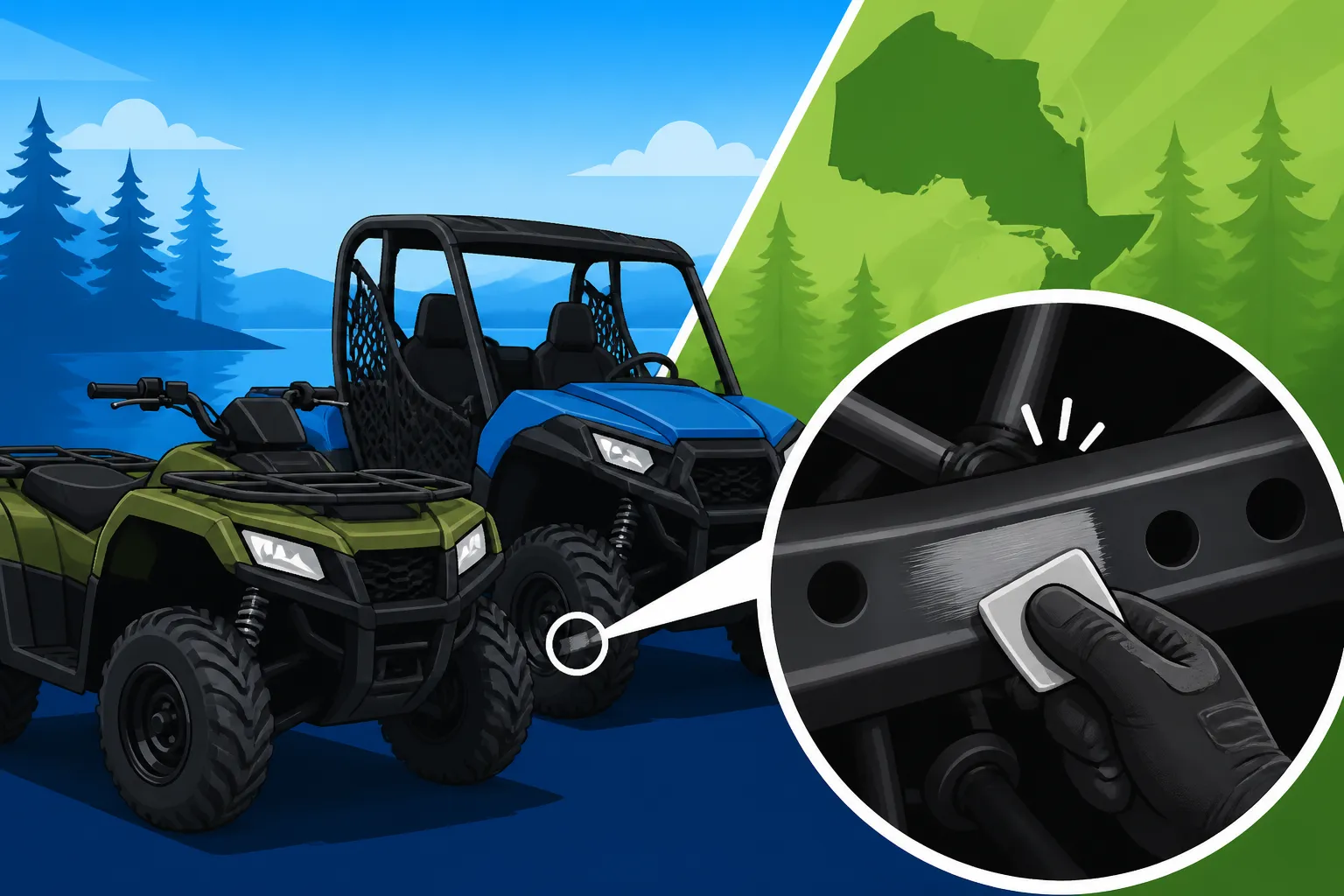
- Clean it thoroughly: Grab a stiff brush, some degreaser, and a rag. Scrub the area clean. Sometimes, that's all it takes. For rust, you might need a wire brush or even some fine-grit sandpaper, but be very careful not to damage the numbers themselves – just remove the rust on them.
- Use a bright light: A powerful flashlight held at different angles can help the stamped numbers cast shadows, making them easier to read.
- Take photos: Even if it's blurry, a photo might reveal numbers you missed with the naked eye. Digital cameras often capture more detail. You can zoom in on the picture and even adjust contrast or brightness to try and make the numbers pop. Take multiple shots from different angles.
- Use a rubbing: Gently place a piece of paper over the VIN and rub a pencil or crayon over it, just like you would to get an impression of a coin. This can sometimes pick up the texture of the stamped numbers.
- Seek a professional opinion: If you're still struggling, a local mechanic or even an authorized dealer for that brand might know exactly where to look or have tools to help. They deal with these machines all the time.
Remember, the goal is to get a clear, unambiguous VIN. If you still can't read it after these attempts, it's time to consider the next steps, especially if you haven't yet registered the machine.
The Process of Tracing a Problematic VIN
So, you've tried everything, and the VIN is still a mystery, or it looks suspicious. This isn't a dead end, but it does mean you'll have to take a more deliberate approach. It's all about gathering evidence and working with the right authorities to get your machine legally recognized. This is where your patience and meticulousness will truly pay off.
Documenting Your Findings Photos, Notes
If you're dealing with a VIN that's hard to read, damaged, or even seems tampered with, documentation is your best friend. Take clear, well-lit photographs of the VIN location, showing the entire area and then close-ups of the numbers themselves. Try to get pictures from various angles, both clean and as you found it. If you tried cleaning it, take "before" and "after" photos.
Write down everything: the exact location where you found (or didn't find) the VIN, the condition of the area, and any other identifying marks on the machine, such as engine numbers or model plates. If you have a [Registering a Quad With a Handwritten Bill of Sale], make sure all the details match what you're observing. Note any discrepancies between what's on the machine and what's on any existing paperwork. This level of detail will be invaluable when you speak to ServiceOntario or law enforcement, as it demonstrates you've done your due diligence and are trying to be transparent.
Involving Law Enforcement for Verification
This is a critical step, especially if the VIN appears to be tampered with or if you suspect foul play. If you have any reason to believe the machine might be stolen, contact your local police non-emergency line immediately. They can run a [Ontario ATV VIN Check Before Buying] for you, even if the numbers are difficult to read, using their specialized tools and databases. They might have a record of a machine with a similar VIN being reported stolen.
Even if you just have a heavily corroded VIN and no reason to suspect theft, police verification can still be helpful. Some ServiceOntario centres might request a police officer to physically inspect the machine and verify the VIN themselves, especially if it's particularly challenging to read. They might even provide you with an official document stating their findings, which can then be presented to ServiceOntario. This step is about protecting yourself and ensuring you're not inadvertently dealing with illegal property.
ServiceOntario's Role in a Difficult Case
When you arrive at ServiceOntario with a problematic VIN, be prepared for a more involved process than a standard registration. They will likely ask for all your documentation: your bill of sale, any previous ownership papers, and your detailed notes and photos of the VIN. If the VIN is truly illegible or shows signs of tampering, they may require:
- A police inspection report: As mentioned, law enforcement might need to verify the VIN.
- A "VIN verification" appointment: Sometimes ServiceOntario themselves, or a designated third-party inspector, will need to physically inspect your ATV or UTV. They will look for the VIN, assess its condition, and try to determine its authenticity.
- Additional proof of ownership: In extreme cases, if traditional documents are lacking or insufficient, you might be asked to provide a statutory declaration. This is a sworn statement, often witnessed by a notary public or commissioner of oaths, affirming your ownership and explaining the circumstances of the VIN issue. Resources like LawDepot can provide templates and guidance for drafting such documents, which can sometimes help satisfy ServiceOntario's requirements for [Proving Ownership of an Ontario ATV]. This extra layer of legal proof helps bridge the gap when the primary identifier is compromised.
The process can be frustratingly slow, so being patient and having all your ducks in a row will make it smoother. Remember, ServiceOntario's goal is to protect everyone, including you, from illegal vehicle transactions.
What Happens If the VIN Cannot Be Traced or Is Invalid
This is the scenario every buyer dreads. Despite all your efforts, if the VIN remains unreadable, or if it turns out to be invalid, altered, or linked to a stolen vehicle, your options become extremely limited. It's a harsh reality, but understanding these outcomes upfront is crucial.
The Risks of Buying a Machine with a Questionable VIN
The biggest risk, hands down, is that you simply won't be able to register the ATV or UTV in Ontario. Without registration and a licence plate, you cannot legally ride your machine on any public land, roads, or even many private trails that require proof of registration. This effectively makes your expensive purchase unusable for its intended purpose.
Beyond that, if the VIN is found to be tampered with or connected to a stolen vehicle, you could lose the machine entirely without compensation. The police would seize it, and you'd be out your money, with little recourse against the seller if they've vanished or were themselves unknowingly selling a stolen item. You might also face legal complications yourself, even if you bought it innocently. This is why a thorough [Ontario ATV Lien Check Before Buying] and VIN verification are essential steps before you hand over any money. A missing or questionable VIN should always be a deal-breaker unless you have a clear, documented path to resolution.
Options for Machines Without a Clear VIN
Unfortunately, if a VIN truly cannot be traced or verified as legitimate by ServiceOntario and law enforcement, there are very few good options for legal operation in Ontario. Unlike heavily customized "hot rods" where you might apply for a specially assigned VIN, this process is generally not available for ATVs and UTVs with missing or unreadable original VINs. The Ministry of Transportation (MTO) has very strict rules for assigning new VINs, typically reserved for vehicles manufactured without one or for major custom builds, which rarely applies to an off-the-shelf ATV or UTV.
You might be left with a machine that can only be ridden on fully private property, where registration is not required. Even then, you need to be absolutely sure it's not a stolen vehicle, or you could still face severe legal consequences if it's ever identified. It’s a costly lesson, illustrating why diligence in verifying the VIN before purchase is paramount. When in doubt, walk away from the deal. It's better to miss out on a "good deal" than to end up with an unregistered, uninsurable, and potentially illegal machine. Sometimes, a well-drafted bill of sale, perhaps using a template from a service like LawDepot, can help establish clear ownership, but it can't magically fix a missing or tampered VIN for registration purposes.
Here's a quick overview of common VIN locations and why they might be an issue:
| Location Type | Typical Placement on ATV/UTV | Potential Challenges |
|---|---|---|
| Frame Rail | Near steering head, front-left or front-right frame member. | Prone to mud buildup, rust, impact damage from trail riding. |
| Crossmember/Support | Often under the seat, or within the engine compartment. | Can be obscured by components, difficult to access without removing parts. |
| Manufacturer Plate/Sticker | Sometimes in the glove box, door jamb (UTV), or dashboard. | Easily damaged, faded, or removed. Not the primary, indelible VIN. |
| Engine Block | Less common for the full VIN, usually partial serials. | Deeply embedded, very hard to read if dirty, or damaged from engine work. |
Disclaimer
This article is for general informational purposes only and does not constitute professional advice. Laws, prices and regulations vary by location and change over time. Consult a qualified professional for guidance on your specific situation.