Ontario Plates on the Rear of a Quad
It’s a common sight on the trails and rural roads of Ontario: a shiny new quad, or perhaps a well-loved machine, rolling along, but something just isn’t quite right with its licence plate. You see cars and trucks with plates clearly visible, but when it comes to off-road vehicles (ORVs), especially quads, where exactly is that little piece of metal supposed to go? This guide will walk you through the specific requirements for mounting your Ontario ORV plate on the rear of your quad, helping you avoid unnecessary headaches and fines.
The Mandate for Rear Plate Mounting
When you get your ORV permit and plate in Ontario, it comes with a clear expectation: that plate needs to be securely and visibly displayed. Unlike cars where plates are front and back, or some other ORVs that might have different rules, quads have a specific spot. Getting this right isn isn’t just about aesthetics; it's a legal requirement that plays a crucial role in identification and enforcement.
Understanding the Legal Requirement
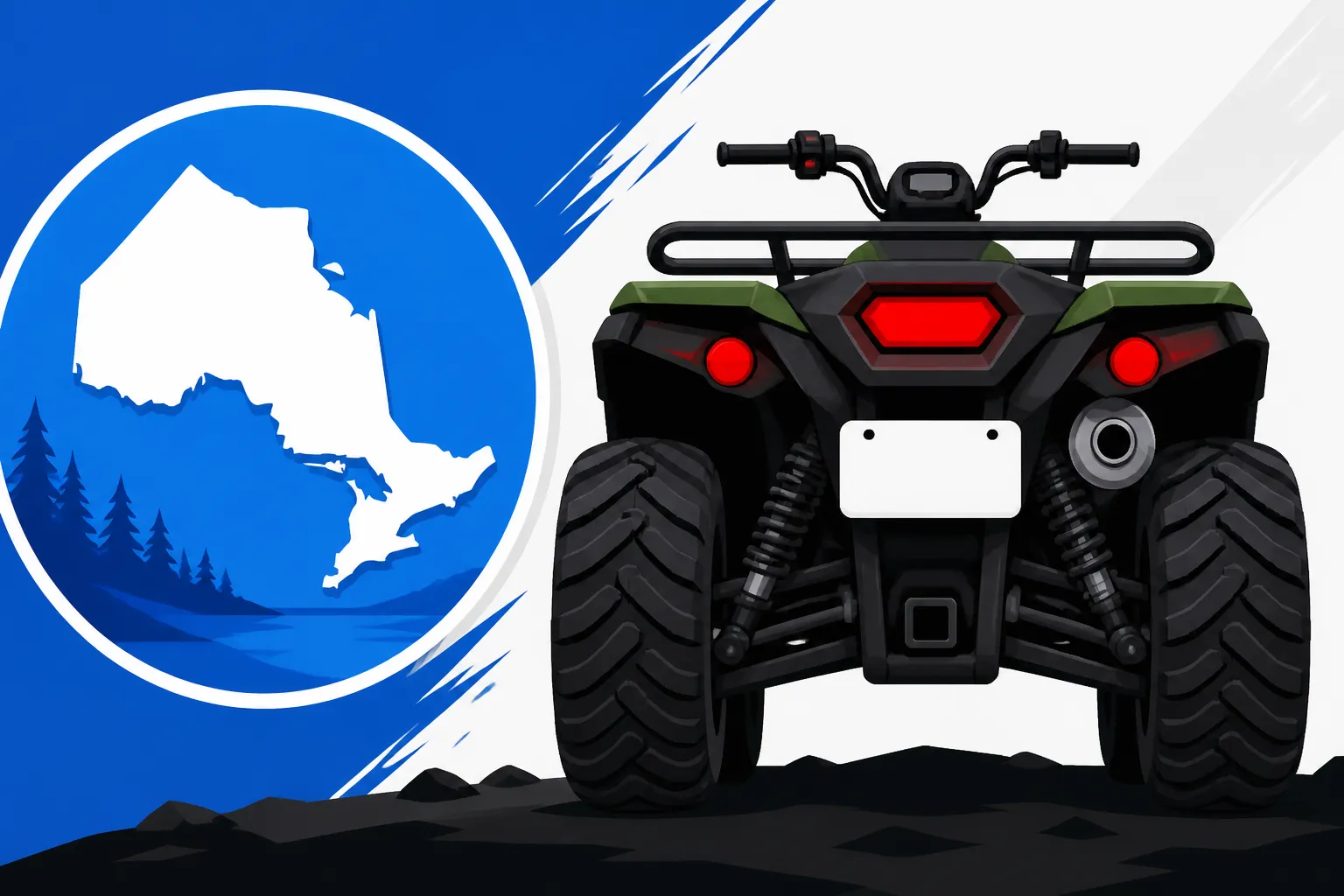
The Province of Ontario's Off-Road Vehicles Act (ORVA) is quite specific about where your ORV plate needs to be mounted. For a quad, or what the Act often refers to as an ATV (All-Terrain Vehicle), the plate must be displayed on the rear of the machine. This isn't a suggestion; it's law. The intent behind this is straightforward: ensure that law enforcement and other trail users can easily identify the vehicle. Imagine a situation where an incident occurs, and the only identifying mark is a plate obscured by mud or tucked away out of sight. That’s precisely what these rules aim to prevent.
This legal mandate means that as soon as your machine is registered and you receive your plate, you need to think about its proper home. It’s not enough to simply have the plate; it must be affixed correctly. Many riders, especially newcomers, might not realize the strictness of this rule until they encounter an officer on the trail or a local by-law enforcement official. Keeping up with all the necessary paperwork, from your ORV permit to your insurance, is part of being a responsible rider, and ensuring your plate is properly displayed is a vital component of that responsibility.
Why Rear Placement is Crucial for Quads
The decision to place the plate at the rear of a quad isn't arbitrary; it's a pragmatic choice based on the design and typical use of these machines. Quads often feature front racks that might carry gear, or they might simply have a more complex front end with lights and bumpers that could obstruct a plate. The rear, however, typically offers a clearer, less cluttered space, especially on the rear rack or fender. This makes the plate much more visible from behind, which is often how enforcement officers or other trail users will first encounter your machine.
Consider a scenario where you're riding a shared trail, and an officer approaches from behind. If your plate is obscured or missing, it immediately raises a red flag. On the other hand, if it's clearly displayed, it facilitates a smooth interaction. It also differentiates quads from three-wheelers, which have different plate mounting rules, as discussed in [Ontario Plates on the Front of a Three-Wheeler]. This rear placement also accounts for the spray of mud and debris that quads often kick up, attempting to keep the plate as clean as possible for identification, though as any seasoned rider knows, mud has a way of finding everything!
The Importance of Visibility and Unobstructed Views
The law not only states where the plate goes but also how it must be displayed: "clearly visible and unobstructed." This means no mud, no gear, no modifications that prevent the full plate from being read. A common frustration among riders is keeping that plate pristine, especially after a thrilling ride through mud puddles or dusty trails. However, it's a battle you need to fight if you want to stay compliant. An officer needs to be able to read the plate numbers and letters without straining or needing to get off their vehicle.
Think about riding at dusk or in low light conditions. A clean, properly mounted plate reflects light better, making your machine identifiable even when visibility is poor. If you mount your plate too low, or behind a piece of luggage, you're inviting trouble. Riders sometimes get creative with mounting solutions, but if that creativity compromises visibility, it defeats the purpose of the regulation and could lead to a fine. It’s all about ensuring that your quad's identity is as clear as day, no matter the conditions, within reason.
Finding the Perfect Mounting Spot
With the "rear" and "unobstructed" requirements in mind, the next step is to actually pick a spot and secure your plate. This often involves a bit of thought and sometimes some minor adjustments to your machine or riding habits.
Ideal Locations on the Rear Rack or Fender
For most quads, the rear rack is the most common and practical location for the licence plate. It's usually high enough to be seen over the rear tires and away from the exhaust, and it offers solid points for attachment. Many aftermarket plate brackets are designed to bolt directly onto a rear rack. If your quad doesn't have a rack, or if you prefer a different spot, the rear fender is another viable option, provided it offers a flat, stable surface and doesn't get in the way of the suspension travel or tire rotation.
When considering the rear rack, look for a spot that is centrally located and as high as possible without interfering with any tail lights or turn signals. You want to avoid positioning it where your boots might accidentally kick it, or where it might constantly bump against cargo you’re carrying. Some riders choose to mount it directly to the underside of the rack, facing slightly downwards, which can offer some protection from mud while still maintaining visibility from a following vehicle. The key is finding that sweet spot that balances protection with legal visibility.
Avoiding Common Obstructions
One of the biggest challenges in plate placement is avoiding obstructions. This includes everything from mud flaps and oversized tires to aftermarket modifications and carried gear. It's tempting to strap a cooler or a toolbox directly onto your rear rack, but if it covers your plate, you're asking for a ticket. Even a heavy build-up of mud can count as an obstruction. Many riders have been caught off guard, receiving a warning or a fine because their plate was so caked in mud it was unreadable. This is why you need to consider [Can You Be Fined for a Mud-Covered ORV Plate?] seriously.
Before every ride, do a quick check: Is your plate clean? Is anything hanging over it? Are your bungee cords or tie-downs clear? What about that extra fuel can? Even tall grass or brush on certain trails can temporarily obscure a low-mounted plate. It's a constant vigilance game for ORV owners. If you frequently carry bulky items, invest in a dedicated plate relocation bracket that ensures your plate remains visible no matter what you've got strapped down. This might seem like a small detail, but it makes a big difference in staying compliant.
Secure Mounting: Preventing Rattles and Loss
A loose or rattling plate is more than just annoying; it can lead to the plate bending, breaking, or even falling off entirely. Standard licence plate screws are often not robust enough for the vibrations and impacts an ORV endures on the trail. Investing in sturdy bolts, locking nuts, and perhaps even some rubber washers can make a huge difference. You want that plate to be an integral part of your quad, not an afterthought that's just barely hanging on. After all, replacing a lost plate means a trip to ServiceOntario and another fee, as detailed in [Replacing a Lost Ontario ORV Plate].
Some riders even use a thin rubber mat or a piece of weatherstripping between the plate and the mounting surface to further dampen vibrations and prevent metal-on-metal wear. This also helps reduce noise, which is a bonus on a long ride. When you're bumping over rocks and roots, or splashing through water crossings, your plate is taking a beating. A well-secured plate shows that you're a responsible owner who takes care of their machine and respects the rules. You wouldn't want to lose your plate mid-ride and then have to explain to an officer why you're riding an unplated machine.
Ensuring Long-Term Compliance and Plate Longevity
Mounting your plate correctly is just the first step. Maintaining its visibility and integrity throughout your riding season, and indeed for the life of your quad, requires ongoing attention. The elements, the terrain, and even how you store your machine can all impact your plate.
Protection from the Elements and Trail Debris
Off-road riding exposes your machine, and by extension your licence plate, to some pretty harsh conditions. Mud, dirt, water, snow, and even small rocks can quickly obscure or damage your plate. While you can't always avoid getting dirty, you can take steps to protect your plate. Some riders install small mudguards or splash shields strategically around their plate to deflect the worst of the spray. Others might use a clear plastic plate cover, though you need to ensure these covers don't create glare or obscure the plate in any way, as some jurisdictions have rules against tinted or patterned covers.
Regular cleaning is your best friend here. After every muddy ride, take a moment to spray off your licence plate with a hose. Don't just clean the quad; clean the plate. This simple act can prevent dirt from caking on and becoming a real chore to remove later. It also gives you a chance to inspect the plate for any damage or loosening. Remember, a clean, visible plate is a happy plate, and more importantly, a legally compliant one. This is also part of the broader routine of keeping all your documentation in order, whether it's the physical plate or digital records. While LawDepot is a great tool for creating important documents like a strong bill of sale for when you eventually sell your quad, making sure your physical plate is up to par is an everyday responsibility.
Preventing Damage and Wear
Beyond just keeping it clean, protecting your plate from physical damage is essential. A bent or severely scratched plate can become unreadable and might warrant replacement. Many riders find that their plates get dinged during rollovers, tight squeezes between trees, or even from objects stored haphazardly on the rear rack. Consider where your plate is in relation to potential impact points. Could it be moved a few inches to the side to avoid that tree trunk? Could you add a small, flexible bracket to absorb some shock?
For those who trailer their quads, ensure the plate isn't rattling against a metal bar or rubbing against other equipment. The constant vibration during transport can also contribute to wear and tear. Secure your machine properly, and perhaps even remove any sharp edges from your trailer that could contact the plate. Investing a little time in prevention now can save you the hassle and cost of a replacement later.
| Aspect | Proper Plate Placement on a Quad | Improper Plate Placement on a Quad |
|---|---|---|
| Location | Rear of the machine, typically on the rear rack or fender. | Front of the machine, side, or anywhere other than the rear. |
| Visibility | Clearly visible, unobstructed by cargo, mud, or parts of the quad. | Obscured by a cooler, toolbox, excessive mud, or hanging gear. |
| Mounting | Securely fastened with appropriate hardware (bolts, lock nuts, washers). | Loosely attached, rattling, or fastened with flimsy zip ties or wire. |
| Condition | Clean, flat, legible, free from excessive damage or bending. | Severely bent, cracked, caked in mud, or numbers/letters illegible. |
| Compliance | Meets Ontario's Off-Road Vehicles Act requirements. | Fails to meet legal requirements, risking fines and enforcement action. |
Consequences of Improper Plate Display
You might think an improperly mounted plate is a minor infraction, but in Ontario, it can lead to real problems during a roadside stop or even just a routine check by a conservation officer on Crown land. It's a quick way to turn an enjoyable ride into a frustrating encounter.
Roadside Stops and Officer Discretion
Imagine you're cruising down a municipal road, perhaps heading to a trail head, and you get flagged down by a police officer or a provincial park warden. The first thing they'll often check, after your general driving behaviour, is your vehicle's registration and your permit. If your plate isn't properly displayed, it immediately draws attention. An officer has the discretion to issue a warning, but they are absolutely within their rights to issue a ticket. What might seem like a small oversight to you is a breach of the law to them.
During such a stop, you'll need to produce your [Ontario Vehicle Permit Explained] and proof of insurance. If your plate is the first thing that looks wrong, it might lead to a more thorough inspection of your machine and your documentation. It’s always better to start off on the right foot with a visible plate. Being polite and cooperative helps, but compliance is key. Officers are simply doing their job to ensure everyone is riding safely and legally. Keeping your official documentation like a bill of sale, or any other proof of ownership secure, is a good habit. You can create robust, legally-sound documents with services like LawDepot to back up your claims of ownership.
Potential Fines and Penalties
Riding with an improperly displayed ORV plate can result in a fine. These aren't just minor slaps on the wrist; they can be substantial and definitely put a damper on your riding budget. The exact amount can vary, but generally, offences under the Off-Road Vehicles Act carry specific penalties. This means that a weekend ride could easily become much more expensive than you anticipated, all because of a loose screw or a forgotten cooler. The cost of a fine far outweighs the effort of properly mounting your plate.
Beyond the immediate financial penalty, there’s also the time commitment involved. You might have to deal with court dates, or at the very least, spend time paying the fine and then fixing the issue. These are all inconveniences that can be completely avoided with a little preventative maintenance and attention to detail. This also ties into other potential fines, such as those related to [Ontario Fines for Riding Without a Permit] or [Riding an Unregistered ATV in Ontario], emphasizing that all aspects of compliance are interconnected.
The Importance of Compliance for Everyone
Ultimately, proper plate display is about more than just avoiding a ticket; it's about being a responsible member of the ORV community. When plates are visible and machines are identifiable, it helps maintain order on the trails and roads. It aids in safety, helps recover stolen vehicles, and ensures accountability. If an accident or incident occurs, a clear plate makes it much easier to identify the parties involved, which is crucial for insurance and legal purposes.
By ensuring your plate is correctly mounted and visible, you're contributing to a safer and more enjoyable riding environment for everyone. It shows respect for the law, for your fellow riders, and for the trails you enjoy. A little effort goes a long way in ensuring that your off-road adventures remain fun and free from unnecessary legal troubles. Always ensure your [Ontario ATV Plate Placement Rules] are followed to the letter. Having records to prove ownership can also be important, and reliable document services like LawDepot can assist in creating or storing these details for peace of mind.
Disclaimer
This article is for general informational purposes only and does not constitute professional advice. Laws, prices and regulations vary by location and change over time. Consult a qualified professional for guidance on your specific situation.