Ontario ATV Plate Replacement Cost
There's nothing quite like the heart-sinking moment when you realize your Ontario ATV plate is gone, whether it vibrated loose on a gnarly trail, got ripped off in a rollover, or simply vanished. The immediate worry isn't just about riding legally, but also the inevitable question: how much is this going to set me back? This guide is here to walk you through the real costs, both financial and in terms of hassle, of replacing a lost or damaged Ontario ORV plate, so you can get back on the trails with peace of mind.
The Frustration of a Missing or Damaged Plate
It’s a universal experience for off-road enthusiasts: the gut punch of realizing your ORV plate is no longer where it should be. You've spent good money on your machine, your permit, and all your gear, and now this. It’s not just a minor inconvenience; it can throw a wrench into your riding plans and introduce a layer of anxiety to every ride until it's sorted.
Common Scenarios Leading to a Lost Plate
Let’s be honest, our quads and side-by-sides are often put through the wringer. They bounce, they vibrate, they get covered in mud, and sometimes, they take a tumble. A common culprit for lost plates is vibration. Over time, the nuts and bolts holding that plate in place can loosen, especially if you haven't used lock washers or Loctite. One minute it's there, the next it's a forgotten souvenir for the forest floor. Then there are the more dramatic exits: a close encounter with a tree, a rollover that bends or rips the plate clean off, or even just snagging it on a thick branch you didn't see coming. Unfortunately, sometimes a plate can even be stolen, leaving you to deal with the aftermath.
The Immediate Impact on Your Riding Plans
Riding without a valid, properly displayed ORV plate in Ontario is a big no-no. It doesn't matter if you still have the permit in your wallet; the plate is your machine's visible identifier. If you’re pulled over by a Ministry of Natural Resources and Forestry (MNRF) officer, OPP, or a municipal by-law enforcement officer, you could face fines for operating an unregistered (or improperly plated) vehicle. This means your planned weekend ride with friends could be cut short, or worse, you could be left with a hefty ticket. It's an unnecessary stressor that can really put a damper on your passion. You can find more information on the rules in the [The Off-Road Vehicles Act and Ontario Riders] article.
The Dreaded "How Much Will This Cost Me?"
Beyond the inconvenience and the potential for a fine, the immediate thought is usually, "How much is this replacement going to cost?" It's not just the physical cost of the plate itself, but the time you’ll spend, the trip to ServiceOntario, and the mental energy expended. Many riders assume it will be an expensive ordeal, or that they’ll have to pay some sort of penalty. Thankfully, the cost is usually a fixed administrative fee, but it's still a chunk of change you hadn't budgeted for.
Understanding the Replacement Process at ServiceOntario
Once you've realized your plate is missing or mangled, the path to resolution leads straight to ServiceOntario. This is where you'll formally request a replacement and handle the associated fees. It's a fairly straightforward process, but knowing what to expect can save you time and aggravation. For details on mounting, check out [Ontario ORV Plates and Where They Mount].
First Steps: Reporting and Documentation
Before you even head to ServiceOntario, it's wise to gather your existing documentation. You’ll definitely need your [The Ontario Vehicle Permit Explained] (the green slip) that shows you as the registered owner of the ATV or UTV. If your plate was stolen, it’s a good idea, though not always strictly required for the replacement itself, to report the theft to your local police. This creates a record and can be helpful in case the plate is misused. If your plate was merely lost or damaged, a police report isn't usually necessary, but having all your ownership papers in order is paramount. You can typically find guidance on proving ownership in articles like [Proving Ownership of an Ontario ATV].
Visiting Your Local ServiceOntario Centre
The actual replacement process happens in person at a ServiceOntario centre. You can't do it online or over the phone because they need to issue you a physical replacement plate. When you go, bring your ORV permit, personal identification, and be prepared to explain the situation (lost, stolen, or damaged). They'll have a form for you to fill out declaring the circumstances of the lost or damaged plate. It's not an interrogation, just a record-keeping step. It’s always a good idea to check if you need to [Booking a Counter Appointment] beforehand, especially in busier urban centres.
The Replacement Plate Fee Explained (Generally)
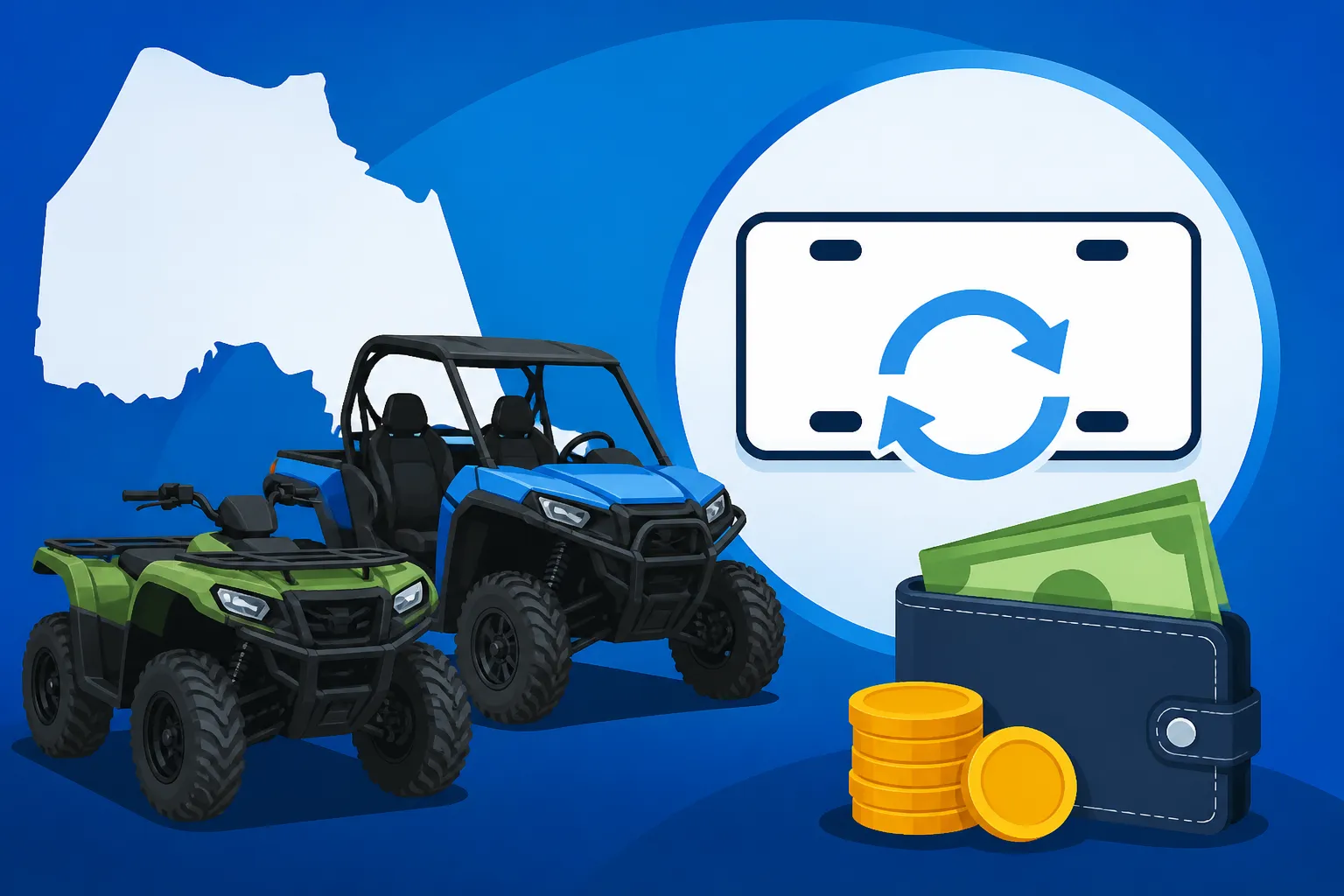
ServiceOntario charges a set fee for a replacement ORV plate. This isn't a penalty or a fine; it's an administrative cost to cover the processing and manufacturing of a new plate. While I can't give you the exact dollar amount (as these fees can change), it's typically a modest charge, often similar to what you might pay for a new license plate for a car or truck, or for [What a Replacement Plate Costs in Ontario]. This fee is consistent across all ServiceOntario locations, so you won't find a cheaper deal by driving to a different town. It's important to remember that this fee is per plate, so if you somehow managed to lose two (unlikely for an ORV), you'd pay for two replacements. This fee is a one-time charge, and there's no annual renewal fee for ORV plates in Ontario, unlike some other vehicle types. [No Annual Renewal for an Ontario ORV] can explain this further.
What Influences the Replacement Fee
It's natural to wonder why there's a fee at all, especially when you're already feeling the pinch of losing something important. The replacement fee isn't arbitrary; it covers several essential aspects of providing you with a new, legal plate.
Administrative Processing and Issuance
A significant portion of the replacement fee covers the administrative work involved. When you go to ServiceOntario, a clerk processes your request, verifies your ownership details, updates the provincial database, and prepares the paperwork for the new plate. This entire system requires staffing, secure data management, and the infrastructure to ensure every vehicle on Ontario's roads and trails is properly accounted for. Think of it as paying for the government service that maintains accurate records and issues official documents.
Material and Manufacturing Costs
While an ORV plate might seem like a simple piece of metal, there are costs associated with its production. It needs to be made from durable material, stamped with specific numbers and letters, and coated with reflective paint to meet visibility requirements. The province contracts out the manufacturing of these plates, and the replacement fee contributes to these production costs. It’s not just the raw material, but the machinery, the quality control, and the logistics of getting these plates distributed to ServiceOntario centres across the province.
No "Punishment" Fee
It’s crucial to understand that the replacement plate fee is not a punishment for losing your plate. It’s not designed to be punitive, but rather to cover the operational expenses of the system. There’s no extra charge for "being careless" or "losing it on the trail." The fee is the same whether your plate was stolen, fell off, or was simply bent beyond recognition. The provincial government aims to keep these fees reasonable to ensure everyone can afford to keep their vehicles properly registered and plated. However, if you're found [Riding an Unregistered ATV in Ontario] before replacing your plate, that could certainly lead to fines.
Beyond the Fee: Hidden Costs and Considerations
While the direct replacement fee is usually manageable, it's worth acknowledging the other, less obvious "costs" that can arise when you need a new ORV plate. These are the real-world inconveniences that can add up.
Time Off and Travel Expenses
Unless you live right next door to a ServiceOntario centre and have a flexible schedule, replacing a plate will likely require you to take time out of your day. This could mean missing work, using up valuable personal time, or rearranging other commitments. For some, especially those in more rural areas, the closest ServiceOntario might be a significant drive away, adding fuel costs and travel time to the equation. Public transit might not be an option, and even finding parking can sometimes be a challenge. These are the hidden expenditures that aren't on any receipt but still impact your wallet and your peace of mind.
Potential for Legal Delays and Fines
Operating your ATV or UTV without a plate, even for a short trip, carries risks. If you're on a trail or road and encounter law enforcement, you could still be ticketed for not having a valid plate displayed. While you might be able to explain that you're on your way to ServiceOntario, there's no guarantee the officer will let you off. This potential for a fine is a substantial "hidden cost" and a strong motivator to get that replacement sorted as quickly as possible. Having all your paperwork, including the vehicle permit, is always crucial if you're stopped. [What an Ontario Officer Checks Roadside] covers this in more detail.
The Importance of Proving Ownership
When you apply for a replacement plate, ServiceOntario needs to confirm you are the legitimate owner of the ORV. This usually means presenting your existing Ontario Vehicle Permit. However, in rare cases, perhaps if your permit was also lost or damaged, or if there are discrepancies, you might need additional proof of ownership. This could involve your original bill of sale. If you're ever in a position where you need to create or re-establish official documents, services like LawDepot can be incredibly helpful for generating legally sound bills of sale or other necessary agreements. While not directly related to the plate replacement cost, having robust ownership documents on hand can prevent delays and further complications, saving you hassle and potential trips. A well-prepared document from a reliable source like LawDepot can provide clear proof of purchase and transfer, which is invaluable in such situations.
Here’s a quick overview of what to consider:
| Aspect | Direct Cost | Indirect Cost/Hassle | Important Documents Needed |
|---|---|---|---|
| Replacement Fee | Fixed administrative fee | None directly | Ontario Vehicle Permit, ID |
| Time Off | None | Lost wages, personal time | None |
| Travel | None | Fuel, vehicle wear, parking | None |
| Legal Risk | None | Potential fines for riding without plate | Ontario Vehicle Permit, ID (if stopped) |
| Ownership Proof | None | Delays if documentation is missing or unclear | Ontario Vehicle Permit, Bill of Sale (if needed) |
Ultimately, replacing a lost or damaged Ontario ATV plate isn't the end of the world financially, but it does require your attention and a bit of effort. The sooner you get it sorted, the sooner you can get back to enjoying the trails without a worry. Remember to always double-check how your plate is mounted, maybe consider some extra security measures like lock nuts, and keep your important documents safe and dry! For information on keeping your permit safe, read [Keeping Your ORV Permit Dry on a Wet Ride].
Disclaimer
This article is for general informational purposes only and does not constitute professional advice. Laws, prices and regulations vary by location and change over time. Consult a qualified professional for guidance on your specific situation.