Registering Both a Snowmobile and a Quad in Ontario
It can be genuinely puzzling when you own both an ATV and a snowmobile in Ontario, trying to make sense of the distinct registration and permit requirements for each. Many riders find themselves scratching their heads, wondering why one machine gets a permanent plate and the other demands an annual sticker. This guide aims to clear up that confusion, breaking down the unique processes for registering your quad and your sled, and offering practical advice for managing both.
The Tale of Two Machines: Why ATVs and Snowmobiles Are Registered Differently in Ontario
If you’re an avid outdoor enthusiast in Ontario, chances are you might own both an ATV for summer and a snowmobile for winter. And if you do, you’ve probably noticed that registering and maintaining the "paperwork" for these two machines is surprisingly different. It’s not just a matter of different forms; it's a completely different philosophy behind how they're regulated and funded, which can be a source of real frustration for multi-machine owners.
Distinct Legislative Frameworks
The fundamental reason for the divergence lies in the province's legislative approach to each type of off-road vehicle. Your ATV or UTV falls under The Off-Road Vehicles Act, a piece of legislation that primarily focuses on initial registration, ownership transfer, and basic safety requirements. It's designed to track the machine's ownership through its lifespan, much like a car, but with a different set of operational rules tailored for off-road environments. This framework treats your quad as a durable asset, requiring a one-time registration unless there's a change in ownership.
On the other hand, your snowmobile is governed by The Motorized Snow Vehicles Act. This act has a much stronger emphasis on regulating the use of these machines on specific, maintained trail systems. While both acts concern safety and responsible operation, the snowmobile legislation is intrinsically linked to the creation and upkeep of an extensive, province-wide trail network. This legislative difference dictates everything from how your machine is identified to how often you need to interact with ServiceOntario or other governing bodies. You can learn more about these foundational differences in [How Ontario ORV Registration Differs From a Snowmobile's].
The Purpose of Each Registration System
When you first register your ATV, you're essentially proving ownership and paying the applicable Retail Sales Tax (RST) to the province. This initial registration results in a permanent [Ontario's One-Time ORV Permit] and a licence plate that stays with the machine for its entire operational life in Ontario, assuming it remains with the same owner. The fee you pay is primarily administrative and contributes to general provincial revenues, covering the cost of processing your ownership and providing you with the necessary permit. It’s a clean, straightforward, one-and-done process for the most part, a fact that often leaves ATV owners wondering why their snowmobile experience is so different. This is [Why Ontario Charges Once and Never Again] for an ATV.
Snowmobile registration, however, has a dual purpose. Yes, there's an initial registration component similar to an ATV that establishes ownership with ServiceOntario. But crucially, there's also an annual trail permit system, managed by the Ontario Federation of Snowmobile Clubs (OFSC). This annual permit is not just about ownership; it's a user fee directly supporting the vast network of groomed snowmobile trails across the province. Riders often feel a pinch each year as they renew their snowmobile permit, especially when they know their quad's plate doesn't demand the same annual commitment. This difference really highlights [Why Snowmobiles Pay a Trail Sticker and ORVs Do Not]. The fees collected through these permits fund trail grooming, signage, landowner negotiations, and bridge maintenance – vital services that make snowmobiling in Ontario such a world-class experience.
Navigating the Registration Process for Your ATV in Ontario
Getting your ATV properly registered in Ontario is a pretty straightforward process, especially since it's typically a one-time affair. Unlike annual renewals for other vehicles, your quad's registration is meant to last as long as you own the machine, making the initial setup crucial.
Your Initial Quad Registration Journey
The first step after acquiring your quad, whether new or used, is to head to a ServiceOntario centre. You generally have [Six Days From Purchase in Ontario] to complete this, so don't drag your feet! What you'll need to bring with you is critical. For a new machine, you'll need the manufacturer's statement of origin (MSO) or new vehicle information statement (NVIS). For a used ATV, you'll need the previous owner's signed [Ontario Vehicle Permit Explained] (the green slip) and a bill of sale. A proper bill of sale, even for a private sale, is vital to proving ownership and the declared purchase price. Documents like these can be easily created using online templates, for instance, through services like LawDepot, which can help ensure you have all the necessary information covered. Don't forget your personal identification, either.
Beyond proving ownership, you'll also be responsible for paying the provincial Retail Sales Tax (RST). This is typically [13 Percent RST on an Ontario ATV] on the purchase price you declared on your bill of sale, or on the machine's wholesale value if the declared price is deemed too low, though that's usually for private sales far below market value. The ServiceOntario staff will process your paperwork, calculate the tax, and issue your new permit and licence plate on the spot. It's a key administrative step that establishes your legal ownership and allows you to ride your ATV legally on designated trails and roads where permitted. If you're unsure about the process, [Registering an ORV at a ServiceOntario Centre] provides a detailed walkthrough.
What You Get: The Ontario ATV Permit and Plate
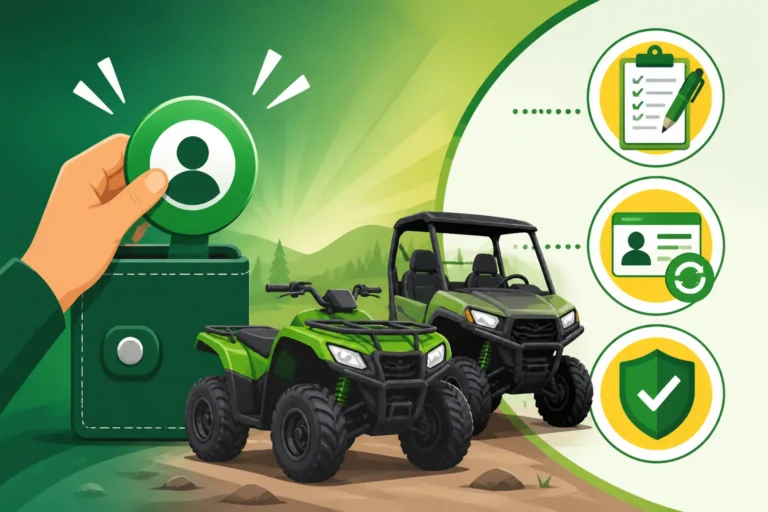
Once you've successfully completed the registration process, you'll walk away with two very important items: your new Ontario Vehicle Permit and your permanent ATV licence plate. The permit is a small green document that officially links you as the owner to that specific ATV, identified by its Vehicle Identification Number (VIN). It contains important details about your machine and should be kept safe, ideally in a waterproof holder, and always carried with you or a true copy when you're riding. [Carrying the Permit or a True Copy] is an important rule to remember.
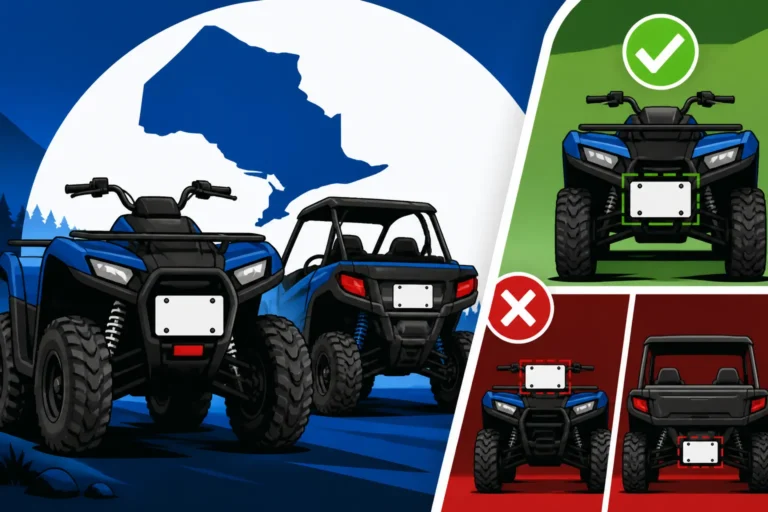
The licence plate, typically a small, square plate, is then affixed to your ATV. Ontario has specific rules about [Ontario ORV Plates and Where They Mount], generally requiring it to be visible on the rear of a quad. The beauty of this system for ATV owners is that, once you have your permit and plate, you're set. There's [No Annual Renewal for an Ontario ORV] for the permit itself, and no yearly stickers to worry about. The plate essentially stays with the machine as long as you own it and it's registered in your name. If you sell the machine, the permit is transferred to the new owner, but the physical plate typically remains with the machine for them to re-register. This truly is a one-time provincial registration fee for the lifetime of your ownership.
Understanding Snowmobile Registration and Annual Permits
Switching gears to snowmobiles, the experience is quite different from ATVs, primarily due to the unique funding model for Ontario’s expansive snowmobile trail network. While both require initial registration to establish ownership, the snowmobile system introduces an annual permit that is central to its operation.
The Annual Snowmobile Sticker and Its Importance
For snowmobilers, the initial registration establishes legal ownership of your machine with ServiceOntario, similar to an ATV. This gives you a provincial vehicle permit. However, the true "permission to ride" on most of Ontario's managed trails comes from purchasing an annual OFSC (Ontario Federation of Snowmobile Clubs) trail permit, which is typically a sticker affixed to your snowmobile. This distinction is crucial: you register the machine once with the province, but you purchase an annual permit to use the trails. This permit must be renewed every season, usually before December 1st, to get the best rates and ensure you're covered for the upcoming winter.
This annual sticker is more than just a piece of paper; it’s your key to accessing over 30,000 kilometres of groomed, signed, and maintained trails across Ontario. Riding without a valid and properly displayed trail permit on an OFSC trail can lead to fines and is generally frowned upon by the snowmobile community, as it means you’re not contributing to the system you’re using. The permit not only grants you access but also includes third-party liability insurance, which is a mandatory requirement for operating a snowmobile on these trails. It’s a comprehensive system designed to support a vibrant and organized sport.
Where the Money Goes: Funding the Trail System
The fees collected from snowmobile trail permits are not just arbitrary charges; they are the lifeblood of Ontario's snowmobile trail system. A significant portion of these funds goes directly to the local snowmobile clubs that volunteer countless hours to build, groom, and maintain the trails. This includes everything from brushing trails and erecting signage to purchasing and operating multi-ton groomers and negotiating access with hundreds of private landowners and municipalities. Without these funds, the extensive, interconnected trail network that snowmobilers enjoy simply wouldn't exist.
This funding model is the primary reason [Why Snowmobiles Pay a Trail Sticker and ORVs Do Not]. ATV trail systems, while growing, often rely on different funding mechanisms, including memberships to private clubs or direct government investment in multi-use trails, rather than a universal, annually renewed provincial permit system. For snowmobilers, the annual permit represents a direct investment in their sport, ensuring that the trails are safe, enjoyable, and accessible each winter. It's a model that has proven highly successful in creating and sustaining one of the best snowmobiling destinations in the world, directly linking rider contributions to tangible trail benefits.
Practical Tips for Owners of Both Machines
Managing both an ATV and a snowmobile in Ontario means keeping track of two distinct sets of rules, permits, and deadlines. It might seem like a lot to juggle, but with a few organizational strategies and an understanding of the differing requirements, you can keep both your machines street-legal (where applicable) and trail-ready without undue stress.
Keeping Your Paperwork Organized
The sheer volume of paperwork can be overwhelming when you own multiple recreational vehicles. You'll have an Ontario Vehicle Permit for your ATV, and a separate one for your snowmobile. Plus, your snowmobile will have an annual trail permit sticker, and both machines will require proof of insurance. It's a good idea to create a dedicated folder or digital file for each machine. This ensures that when you need to quickly locate a [Ontario ATV Registration Paperwork] or an insurance slip, you know exactly where to find it. Consider making photocopies of your permits and keeping the originals in a secure, dry place, only carrying a "true copy" with you on the trail. [Carrying the Permit or a True Copy] is perfectly acceptable to present to an officer if you get stopped.
For your ATV, remember that its permit is a one-time issue as long as you own it, so treat it carefully. For your snowmobile, keep track of when you purchased your annual OFSC trail permit and when it expires. Online services like LawDepot can be invaluable here, not just for generating documents like a bill of sale if you decide to upgrade or sell a machine, but also for organizing digital copies of your existing permits and insurance cards, ensuring you have easy access from your phone or tablet. Having everything neatly organized will save you a headache when it comes time for a routine check, a sale, or even just when you're prepping for a ride.
Timing Your Registrations and Renewals
While your ATV registration is essentially "set it and forget it" once done, snowmobile permits require annual attention. For a new-to-you ATV, remember the [Six Days From Purchase in Ontario] deadline to get to ServiceOntario and transfer the ownership. Procrastination here can lead to issues down the road, and it's best to get it sorted quickly. You'll need to pay the [Ontario ATV Registration Cost] and any applicable taxes at that time.
For your snowmobile, the key is the annual OFSC trail permit. These usually go on sale in the early fall, often with early bird discounts if purchased before a certain date (historically November 1st, though dates can vary). Renewing early not only saves you some money but also ensures that the funds are available to clubs for early season trail preparation. Missing the renewal means you'll have to pay the full price later, or worse, risk a fine if caught riding without a valid permit. Mark your calendar for snowmobile permit renewal dates, perhaps setting a reminder for October each year to ensure you don't miss out on savings or access. This consistent timing can make a big difference for your wallet and your riding schedule.
Insurance Considerations for Both Machines
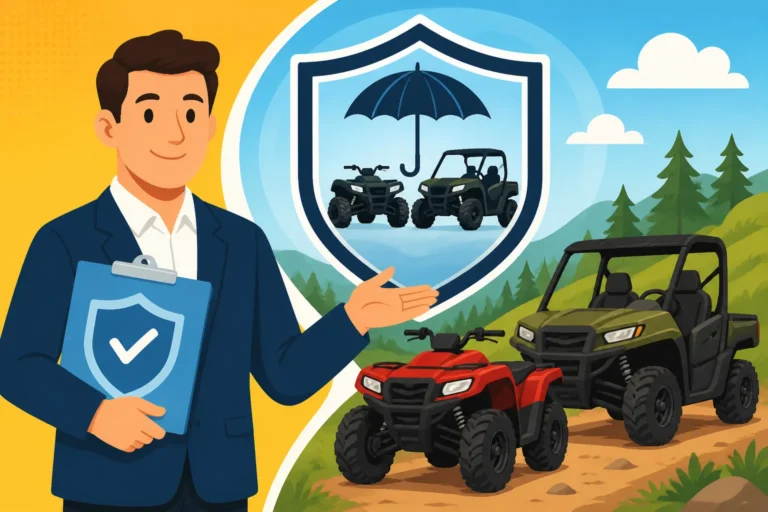
A crucial piece of the puzzle for both your ATV and your snowmobile in Ontario is insurance. Both types of machines require mandatory third-party liability insurance, whether you’re riding on private land, crown land, or approved trails and roads. Many riders mistakenly believe that if they only ride on their own property, insurance isn't necessary, but that's a dangerous assumption that can leave you financially exposed in the event of an accident. It is an absolute requirement that must be met before you even leave your driveway.
You'll need separate policies or, more commonly, separate coverages under a single recreational vehicle policy from your insurer. It's wise to work with an insurance broker who specializes in recreational vehicles and understands the nuances of both ATV and snowmobile coverage. They can help you navigate what's required and what additional coverages (like collision or comprehensive) might be beneficial for your specific machines and riding habits. Make sure you understand your policy limits and what situations are covered. Always carry proof of insurance with you when you ride either machine, as it's a requirement alongside your permit. Knowing you have proper [Insurance and Ontario ORV Registration] for your ATV and adequate coverage for your snowmobile will give you peace of mind on every adventure.
| Feature | ATV/UTV (Off-Road Vehicles Act) | Snowmobile (Motorized Snow Vehicles Act) |
|---|---|---|
| Primary Purpose | Ownership, tax, basic regulation | Trail access, ownership, funding trails |
| Provincial Permit | One-time issue (Ontario Vehicle Permit) | One-time issue (Ontario Vehicle Permit) |
| Annual Renewal | No | Yes (OFSC Trail Permit) |
| Licence Plate | Permanent, stays with machine | Permanent, stays with machine |
| Trail Fees | Varies by club/area (often membership) | Annual OFSC Trail Permit required |
| Funding Model | General provincial revenue | Directly funds trail grooming/maintenance |
| Mandatory Insurance | Yes (liability) | Yes (liability) |
| Where to Register | ServiceOntario | ServiceOntario (for ownership), OFSC (for trail permit) |
Disclaimer
This article is for general informational purposes only and does not constitute professional advice. Laws, prices and regulations vary by location and change over time. Consult a qualified professional for guidance on your specific situation.