Short-Term Passes Returning in May
A short-term ATV trail pass can make an occasional Ontario ride easier to plan, especially if you are visiting for a weekend or trying a new trail area. With short-term passes returning in May, the key is knowing what the pass covers, when it is valid and whether your route needs a separate club pass. A little checking can prevent an expensive turn-around at the trailhead.
What the May return means for riders
Short-term trail passes are designed for riders who do not need a full-season permit. Their return in May gives occasional riders and visitors another way to access participating trails without committing to a longer-term product. The exact dates, purchase options and conditions can vary, so confirm current details with the organization selling the pass before you leave home.
A trail pass is not the same as provincial vehicle registration. Registration relates to the machine and its legal operation; a trail pass grants access to certain managed trails under the pass issuer’s rules. One does not replace the other. If you need a refresher on the distinction, Ontario ATV Trail Permits Explained covers how trail access permits fit into an Ontario ride.
Short-term passes can be useful when:
- You are riding for a day or a short visit rather than throughout the season.
- Friends or family are visiting with their own machines.
- You want to try a trail system before buying a longer-term pass.
- You are making a brief trip and do not expect to use trails outside the covered area.
The trade-off is that short duration does not necessarily mean broad access. A pass may cover one trail organization’s network but not every club area you hope to visit. Some destinations have separate passes or additional requirements. HATVA’s short-term options, for example, are specific to its trail area; check HATVA’s Short-Term Ontario Passes for details about that system rather than assuming the pass works across Ontario.
| Before buying | Why it matters |
|---|---|
| Pass issuer | Identifies the trail network or organization the pass applies to |
| Validity period | Confirms the dates and duration of permitted use |
| Included trail areas | Helps you avoid riding into a district that requires another pass |
| Machine and rider conditions | Shows who and what the pass covers, including any limits |
| Display requirements | Tells you whether you need a sticker, digital proof or another form of identification |
| Current trail status | A valid pass does not mean every trail is open or suitable that day |
Treat “returning in May” as a prompt to check availability, not a reason to assume you can buy a pass at the gate or on the morning of your ride. A pass might be available online, through a club, or by another process, and sales arrangements can change. Verify the current method and keep the confirmation or proof of purchase accessible.
Check exactly where the pass works
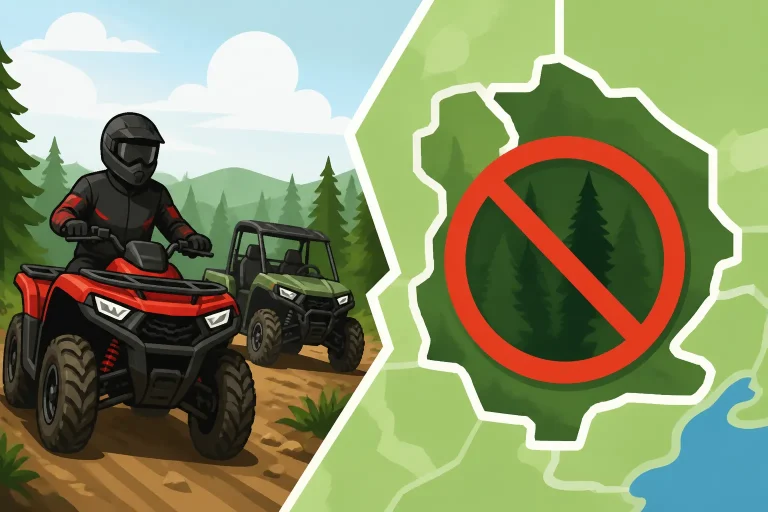
The most important question is not only how long a short-term pass lasts. It is where it gives you permission to ride. Ontario trail access is organized through different clubs and trail organizations, and one pass may not cover every adjoining network. A map can make two areas look connected even when the access rules differ.
Plan your route around the pass issuer’s coverage information. Identify your staging area, the trails you expect to use and any junction where you could cross into another club’s territory. If you are planning a route that passes through several areas, check each organization’s rules before buying. Does Your Permit Cover the Next Club’s District? explains why crossing a trail-network boundary can matter.
Some organizations sell their own passes separately from a broader permit. That can make a pass suitable for a local ride but insufficient for a longer route. Ontario riders should not assume that every trail is included in one purchase; Ontario’s Separate Club Passes explains the practical difference. If you are choosing between destinations, Picking a Club Area for Your Permit can help you match the pass to the ride rather than buying first and sorting out the route later.
Before paying, look for clear answers to these questions:
- Which club or network issues the pass?
- Which trails are included, and are there exclusions?
- Does it cover the complete period you plan to ride?
- Does every rider or machine in your group need a separate pass?
- Is a separate pass needed for an adjoining area, forest or trail system?
- What proof must you carry or display?
- Are there local conditions, closures or operating hours that affect your route?
If an answer is unclear, ask the organization that sells the pass. A seller can confirm the boundaries and current conditions better than a general map or an old screenshot shared by another rider. Keep any confirmation with your ride information so you can refer to the rules later.
A short-term pass may also be a poor fit if your plans are flexible. If you might ride on several weekends or visit multiple clubs, compare the available products and coverage before choosing. A day pass can be convenient for a single outing, while a longer pass may suit a trip with more riding days. The best option depends on the product rules and your actual itinerary, not simply on which option has the shortest name. For a single visitor, Buying a Day Permit for a Friend Visiting Ontario is a useful related read.
Prepare for the ride after buying
Buying the pass is only one part of preparation. Confirm the validity dates, save the receipt and follow the issuer’s instructions for displaying or carrying proof. If the pass is digital, check whether a screenshot or offline copy is accepted and make sure you can access it where mobile service is weak. If a physical sticker is required, attach it as directed and keep it visible.
Do not confuse pass validity with trail availability. Spring conditions can change quickly: thawing ground, standing water, maintenance work or a temporary closure can affect which routes are open. Check the trail organization’s updates shortly before riding, then check again if weather changes your plans. Ontario Trail Conditions Before You Ride offers a useful checklist for assessing conditions and closures.
A route that is open on a map may still be subject to local restrictions. Follow signs, stay on authorized trails and respect closed sections, private property and posted limits. If your route changes during the day, do not assume the new route is covered by the same pass. Pause at a boundary or junction and verify access before continuing.
Also check the practical details for everyone in the group: machine readiness, fuel range, required registration and insurance, and any equipment or safety rules that apply to the ride. A trail permit is permission to use covered trails under the issuer’s terms; it is not a replacement for legal requirements or safe riding preparation.
For a group, assign one person to confirm the permit conditions and share the essentials before departure. Make sure each rider knows the coverage area, the pass display or proof requirements, the planned route and what to do if a trail is closed. This is especially helpful when some riders are visitors who may not know how Ontario trail networks are organized.
The May return of short-term passes is useful for occasional riding, but it does not remove the need to check the fine print. Confirm what network the pass covers, when it is valid, how to display proof and whether your planned route crosses into a separately managed area. Those checks help you choose the right pass and spend your ride on trails you are actually permitted to use.
Disclaimer
This article is for general informational purposes only and does not constitute professional advice. Laws, prices and regulations vary by location and change over time. Consult a qualified professional for guidance on your specific situation.