Registering a Machine for a Teenager
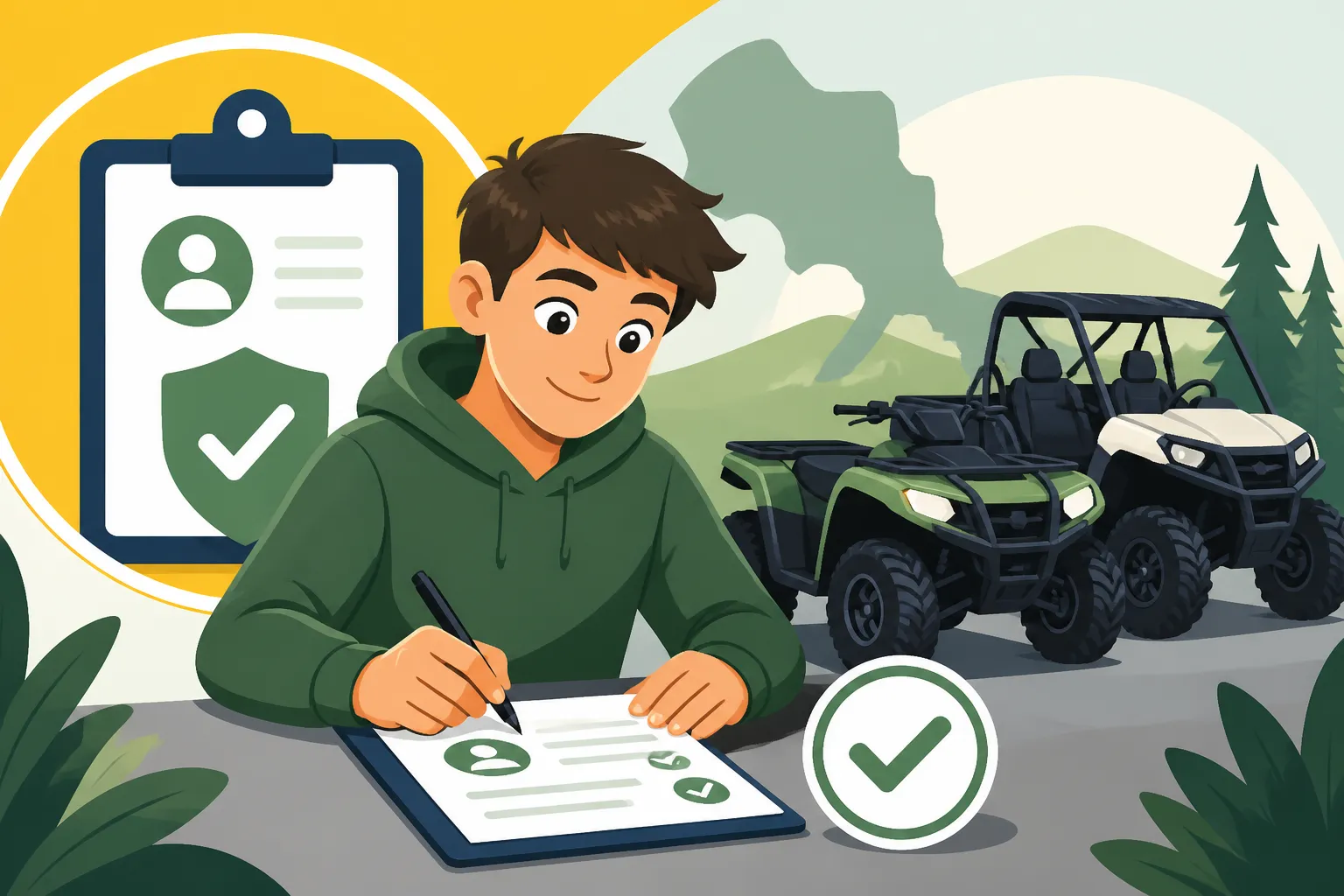
It's incredibly exciting to introduce a teenager to the world of off-road vehicle riding. There's nothing quite like the freedom and adventure an ATV or UTV can offer. However, when it comes to getting that machine legally registered in Ontario, parents often find themselves scratching their heads, unsure of the specific rules when a minor is involved. This guide is here to untangle the complexities of registering an off-road vehicle for a teenager in Ontario, ensuring a smooth and legal start to their riding journey.
Understanding Ontario's Age Requirements for Registration
One of the first hurdles many families encounter when registering an ATV or UTV for a teenager in Ontario revolves around age. It's a common misconception that if a teenager is old enough to ride, they're old enough to own and register a machine in their own name. However, the legal landscape in Ontario has specific requirements that dictate who can actually be the registered owner of an off-road vehicle.
The 16-Year-Old Rule for Legal Ownership
In Ontario, you must be at least 16 years old to register an off-road vehicle (ORV) in your own name. This isn't just a suggestion; it's a fundamental legal requirement. The provincial government considers the registration of a vehicle a legal transaction, and individuals must have the legal capacity to enter into such agreements. For most legal purposes in Ontario, this capacity is generally achieved at the age of 16.
This rule exists to ensure that the registered owner can be held accountable for the vehicle. It means they can understand and comply with legal responsibilities, such as those related to insurance, taxes, and traffic laws. If a vehicle is registered to someone under 16, there could be significant legal complications should an incident occur, or even during routine checks by law enforcement.
So, if your teenager is 15 or younger and you've just purchased an ATV for them, you, as the parent or legal guardian, will need to be the one to register the vehicle. While the machine might be "for" your child, the legal ownership rests with the adult until the teenager turns 16 and meets other provincial requirements. Trying to circumvent this rule can lead to delays and issues at the ServiceOntario counter, and potentially fines down the road. For more on this, you might find [Why You Must Be 16 to Register in Ontario] helpful.
Who the Permit Is Issued To: Parent or Teen?
Given the 16-year-old registration rule, the question then becomes: whose name actually goes on the Ontario Vehicle Permit? The answer depends entirely on the teenager's age at the time of registration. If your teenager is 16 years of age or older and meets all other requirements, they can indeed be listed as the registered owner on the permit. This means the permit will bear their name, and they will be recognized as the legal owner of the ATV or UTV.
However, if your teenager is under 16, the permit absolutely must be issued in the name of a parent or legal guardian. Even if the machine was purchased specifically for the child's use, the adult is the one who assumes legal responsibility for it. This distinction is crucial for both administrative and liability reasons. It doesn't mean your younger teen can't ride the machine (as long as they meet the separate age and training requirements for operating an ORV), but it does mean that legally, you are its keeper.
This aspect is often confusing because many parents feel they're buying the vehicle for their child, and conceptually, the child is the "owner." But from a legal standpoint, the official permit holder is the registered owner. It's a key piece of information for any law enforcement officer who might check the vehicle's papers, and it simplifies the process at ServiceOntario by clarifying who is legally empowered to complete the registration. Understanding [Who the Permit Is Issued To] can save you a lot of grief.
Proving Ownership When a Teenager is the Rider (and Owner)
Establishing clear ownership is a cornerstone of legal vehicle registration in Ontario. This is true whether the registered owner is an adult or a teenager who meets the minimum age requirement. Having the correct documentation from the outset can prevent headaches and delays when you head to ServiceOntario to get that official permit and plate.
Bill of Sale for a Teenaged Owner (16+)
If your teenager is 16 or older and is indeed purchasing their own ATV or UTV, they can be named as the buyer on the bill of sale. This document is paramount; it's the legal record of the transaction and proof that the vehicle has transferred from the seller to the buyer. A properly completed bill of sale is critical for both the registration process and for establishing clear legal ownership.
It's not just about jotting down a few notes on a piece of scrap paper. A comprehensive bill of sale should include specific details: the full names and addresses of both the buyer and seller, a clear description of the ORV (make, model, year, VIN), the purchase price, and the date of sale. It should also be signed and dated by both parties. If you're unsure about what exactly to include, using a professionally drafted template can be incredibly helpful. Resources like LawDepot offer customizable bill of sale templates that ensure all the necessary legal information is present, protecting both the buyer and the seller from future disputes.
Even if the purchase is a private sale between individuals, treating the bill of sale with due diligence is essential. It prevents misunderstandings, particularly concerning the purchase price declared for Retail Sales Tax (RST) purposes, and provides the necessary paper trail. This document is one of the most important items you'll bring to ServiceOntario. For more details on what's required, consult [Ontario ATV Bill of Sale Requirements].
Gifts from Parents or Grandparents
Many times, an ATV or UTV isn't bought by a teenager but is instead a gift from a parent or grandparent. This is a lovely gesture, but it requires specific handling during the registration process to ensure everything is above board, especially when it comes to taxes. If the machine is a gift, and the registered owner will be the parent (either because the teen is under 16 or the parent chooses to keep ownership), you'll want to take advantage of the "Family Gift Exemption."
This exemption allows for the transfer of an ORV between certain family members without having to pay the 13 percent Retail Sales Tax (RST). For a gift from a parent to their child (or vice versa), this is a significant saving. However, to claim this exemption, you can't just tell ServiceOntario it was a gift. You need proper documentation. This typically involves a bill of sale that clearly states the vehicle was "gifted" with a declared value of $0, along with a signed declaration or letter from the donor confirming it as a genuine gift. In some cases, a specific form may need to be completed at ServiceOntario to formally claim the exemption.
It's important to understand the lineage of the gift. If a grandparent gifts the ORV directly to a minor child, the parent still registers the machine in their name, and they would claim the family gift exemption. ServiceOntario staff can guide you on the exact forms needed, but having a clear, written record of the gift is always the best starting point. This is where a customizable document from a service like LawDepot can be invaluable, ensuring the gifting process is transparent and fully documented. You can delve deeper into this topic with [The Family Gift Exemption in Ontario] and [Ontario ATV Tax on a Family Gift].
Navigating Retail Sales Tax (RST) for a Minor's Machine
Beyond the initial purchase and proving ownership, one of the most significant financial considerations when registering an ATV or UTV for a teenager in Ontario is the Retail Sales Tax (RST). This 13 percent tax can add a considerable amount to the overall cost, but understanding how it applies and when exemptions are possible is key.
Who Pays the 13 Percent RST?
The responsibility for paying the 13 percent Retail Sales Tax (RST) on an off-road vehicle in Ontario rests with the buyer or, more accurately, the person who will be named as the registered owner on the Ontario Vehicle Permit. If your teenager is 16 or older and is registering the ORV in their own name, they are legally the one responsible for this tax. Even if you, as a parent, are providing the funds, the legal obligation to pay the RST falls on the registered owner.
Conversely, if the teenager is under 16 and you, the parent or guardian, are registering the machine in your name, then you are the one responsible for paying the RST. This tax is applied to the purchase price of the vehicle, and it's calculated at the time of registration. It's crucial to remember that the RST is not paid directly to the seller, especially in private sales. Instead, you will pay this amount at the ServiceOntario centre when you go to complete the registration process.
It's always a good idea to factor this 13 percent into your budget when considering an ORV purchase, whether it's for yourself or a teen. The cost can sometimes be an unwelcome surprise if not anticipated. For a thorough breakdown of how this tax works, take a look at [13 Percent RST on an Ontario ATV] and [Ontario RST Paid at the Counter, Not to the Seller].
Utilizing Available Exemptions
While the 13 percent RST is standard, Ontario does offer certain exemptions that can significantly reduce or even eliminate this tax burden, particularly relevant when a teenager is receiving an ORV. The most common and applicable exemption in this scenario is the "Family Gift Exemption," which we touched on earlier. If a parent, grandparent, or other qualifying family member gifts an ORV to a direct family member, the RST can be waived.
To successfully claim this exemption, you'll need to present the necessary documentation at ServiceOntario. This typically includes a bill of sale showing a purchase price of $0 (or clearly marked as a gift) and a signed declaration or gift letter. ServiceOntario staff will review these documents to ensure the transaction qualifies. Without proper proof, even if it was genuinely a gift, they may still levy the tax based on the vehicle's deemed value.
While the family gift exemption is the most pertinent for teenagers, other exemptions exist, such as for agricultural use or for purchases made by qualifying First Nations individuals. These might apply in specific, less common circumstances. It's always wise to research all potential exemptions that might apply to your particular situation to ensure you're not paying unnecessary taxes. You can find more comprehensive information on this topic in [Ontario RST Exemptions for an ATV].
The Practicalities: Getting the Permit and Plate
Once you've navigated the age requirements, sorted out ownership documentation, and understood the tax implications, the final step is the most straightforward: heading to ServiceOntario to get that official permit and licence plate. This is where all your preparation comes together, and you finally get the legal green light for your teenager's off-road adventures.
Gathering Your Documents for ServiceOntario
Before you even step foot into a ServiceOntario centre, it's vital to gather all the necessary paperwork. Being organized will ensure a smooth and efficient registration process, avoiding frustrating return trips. You'll need the original bill of sale (or gift documentation, if applicable), which clearly states the transaction details and, most importantly, the Vehicle Identification Number (VIN) of the ORV. This document is the cornerstone of your ownership claim.
Secondly, the person who will be the registered owner (either the 16+ teenager or the parent/guardian for a younger teen) must bring their valid identification. This could be an Ontario driver's licence, a provincial photo card, or another form of government-issued ID. This is to confirm the identity of the person registering the vehicle and to verify they have the legal capacity to do so.
Finally, you will need proof of insurance. In Ontario, mandatory third-party liability insurance is required for all off-road vehicles, even if they are only ridden on private property. While you don't typically need to show your insurance card at ServiceOntario, they will ask for details to confirm coverage. It's a good idea to have your policy information handy. Make sure you've arranged this before you go, as you cannot legally register an ORV without insurance. Remember, you have a deadline: the registration must be completed within six days of the purchase. For a full list of what to bring, check out [Documents to Bring to the Counter] and [How Long You Have to Register an Ontario ATV].
What Happens at the ServiceOntario Counter
With all your documents in hand, your visit to ServiceOntario should be relatively quick and easy. When you arrive, you'll present your bill of sale, identification, and insurance details to the counter staff. They will review these documents, enter the vehicle information into the provincial system, and process the one-time registration fee. This fee is typically nominal compared to the purchase price and any applicable RST.
During this process, the staff will issue you two crucial items: the Ontario Vehicle Permit (often referred to as the "ownership" papers) and the physical ORV licence plate. The permit will clearly list the registered owner's name – whether that's your 16+ teenager or yourself as the parent. It's essential to keep this permit (or a true copy) with you whenever the ORV is being operated, as it serves as proof of legal registration. The licence plate, which you'll need to securely mount on the back of the machine, is your visible sign of compliance. Take a look at [Ontario ORV Plates and Where They Mount] for placement rules.
Before you leave the ServiceOntario counter, make sure everything on the permit is correct, especially the VIN and your name/address. This is your chance to correct any errors. Once you have your permit and plate, your teenager's off-road vehicle is legally registered in Ontario, ready for safe and responsible enjoyment. If you're looking for more insight into the process itself, [Registering an ORV at a ServiceOntario Centre] can provide additional details, and don't forget the importance of [Insurance and Ontario ORV Registration] well in advance.
Here's a quick reference table to help visualize the different scenarios:
| Scenario | Registered Owner | Who Pays RST? | Key Documents for ServiceOntario |
|---|---|---|---|
| Teenager (16+) Buys ORV | Teenager | Teenager (or parent paying on teen's behalf) | Bill of Sale (from seller), Teen's Valid ID, Proof of Insurance |
| Teenager (Under 16) – Parent Buys ORV | Parent/Guardian | Parent/Guardian | Bill of Sale (from seller), Parent's Valid ID, Proof of Insurance |
| Teenager (Any Age) – Gifted by Parent | Parent/Guardian | Exempt (Family Gift) | Bill of Sale (showing $0/gift), Gift letter/declaration, Parent's Valid ID, Proof of Insurance |
| Teenager (Any Age) – Gifted by Grandparent | Parent/Guardian | Exempt (Family Gift) | Bill of Sale (showing $0/gift), Gift letter/declaration, Parent's Valid ID, Proof of Insurance |
Disclaimer
This article is for general informational purposes only and does not constitute professional advice. Laws, prices and regulations vary by location and change over time. Consult a qualified professional for guidance on your specific situation.