Kirkland Lake’s Streets to the Trailhead
It can be incredibly frustrating for off-road vehicle (ORV) enthusiasts in Northern Ontario to find themselves just a stone's throw from incredible trail systems, yet unable to legally connect from town. The patchwork of rules surrounding street legal ORV use often leaves riders scratching their heads, feeling like they're navigating a bureaucratic maze rather than enjoying the open air. This guide aims to clear up that confusion, offering a detailed look at how municipalities like Kirkland Lake are stepping up to bridge the gap, allowing riders to safely and legally access the trails directly from town.
Understanding Ontario's Road Access Rules for ORVs
Navigating the legal landscape for riding your ATV or UTV on Ontario's roads can feel like a game of "Mother May I?" The province has a framework, but much of the actual access comes down to local municipal decisions, creating a diverse and sometimes confusing set of rules. It’s not just about having a machine; it’s about where you can take it, and how.
Provincial Regulations Overview for ORVs
At a provincial level, the Off-Road Vehicles Act (ORVA) generally governs where and how ORVs can be operated. Historically, this meant off-road only, with very limited exceptions for agricultural use or crossing certain roads. However, amendments over the years have slowly chipped away at these restrictions, recognizing the growing popularity and utility of these machines. Key provincial rules cover things like registration, insurance, and the basic equipment your machine needs to even consider touching asphalt. For example, every ORV, whether it's an ATV, UTV, or dirt bike, needs to be registered with ServiceOntario and carry valid insurance. Without these fundamental pieces, you're not going anywhere, on-road or off. Additionally, there are age and licensing requirements that riders must meet, which are critical whether you're heading to the trails or simply crossing a municipal road. Riders often ask about [The Licence Ontario Requires on a Road], and it's important to understand this before you even think about firing up your engine.
While the province sets the baseline, it's really the municipalities that have the power to open up their roads. This is where the flexibility, and sometimes the frustration, comes in. A township might open all its roads, another might open only specific ones, and some might keep them all closed to ORVs. This variability means that what's legal in one town might lead to a hefty fine in the next, even if they're right beside each other.
The Role of Municipal By-laws in ORV Access
This is where the rubber meets the road, quite literally. Ontario's Highway Traffic Act (HTA) grants municipalities the authority to pass by-laws that permit or restrict the operation of ORVs on their roads. This means that while provincial law generally limits ORV use on highways, a local council can choose to opt-in and allow ORVs on certain municipal roads. This is a game-changer for riders, transforming towns into potential hubs for trail access. However, these by-laws come with conditions. They might specify speed limits, hours of operation, or even designate particular routes that ORVs can use. It's never a free-for-all; rather, it's a carefully considered integration of ORVs into the existing traffic flow. Riders absolutely must familiarize themselves with [Checking a Township's ORV By-law] before planning any route.
The implementation of these by-laws is often a direct response to community demand, driven by local riders and businesses who see the economic and recreational benefits of becoming a "trail town." These by-laws allow riders to get fuel, grab a meal, or pick up supplies without having to trailer their machine to a distant trailhead. It's about connectivity and convenience, but it also places a responsibility on riders to understand and respect the local rules. Failure to do so not only risks fines but can also jeopardize the future of ORV access in that community.
Specific Vehicle Classifications and Road Use
Ontario law categorizes ORVs into different classes, and these classifications can sometimes impact where and how they can be ridden on public roads. For example, a traditional ATV (All-Terrain Vehicle) is a machine designed for single riders, while a UTV (Utility Terrain Vehicle) or side-by-side often accommodates multiple passengers and can be significantly wider and heavier. The province has specific rules about these different classes, especially when it comes to road use. Side-by-sides, for instance, often fall under the "ROV" (Recreational Off-Highway Vehicle) category and have particular requirements regarding seatbelts and roll-over protection.
Understanding which category your machine falls into is paramount, as requirements for things like width, weight, and even occupant seating can differ. [Ontario ATV Passenger Rules] might apply differently to a single-seat ATV versus a multi-seat UTV. While some accessories might make your ride more comfortable, like storage boxes or custom seats, others, such as turn signals or proper mirrors, are often mandatory if you're venturing onto paved roads. You'll want to ensure your machine isn't just trail-ready, but also road-ready, perhaps with robust light bars or recovery gear from a brand like SuperATV, ensuring both visibility and safety.
Kirkland Lake's Approach to Trailhead Access
Kirkland Lake, like an increasing number of northern communities, has embraced the concept of allowing ORVs on its municipal roads to connect riders to the extensive trail network that surrounds it. This forward-thinking approach has transformed the town into a gateway for off-road adventure, benefiting both residents and visiting riders.
The Genesis of Kirkland Lake's ORV By-law
The decision to open up municipal roads in Kirkland Lake to ORVs wasn't made overnight. It was a thoughtful process, driven by a recognition of the significant economic and recreational potential that ORV tourism brings to Northern Ontario. For years, riders in the area would have to trailer their machines out of town to reach the trailheads, which was inconvenient and limited their ability to support local businesses. Community members, local ORV clubs, and business owners likely advocated for a solution, seeing how other "trail towns" in the province were successfully integrating ORV access. The goal was simple: make it easier for riders to buy gas, grab a meal, pick up supplies, or even stay overnight, all while enjoying the vast network of trails right on the town's doorstep.
This push reflects a broader trend across Ontario, where municipalities are realizing that welcoming ORV riders isn't just about recreation; it's about sustainable economic development. By creating a clear, legal path for riders to connect from town directly to the trails, Kirkland Lake has positioned itself as a destination, drawing in riders who might otherwise pass through or choose another community. This by-law is a testament to the power of local advocacy and municipal leadership in adapting to the needs and desires of its community and visitors.
Mapping Open and Closed Streets in Kirkland Lake
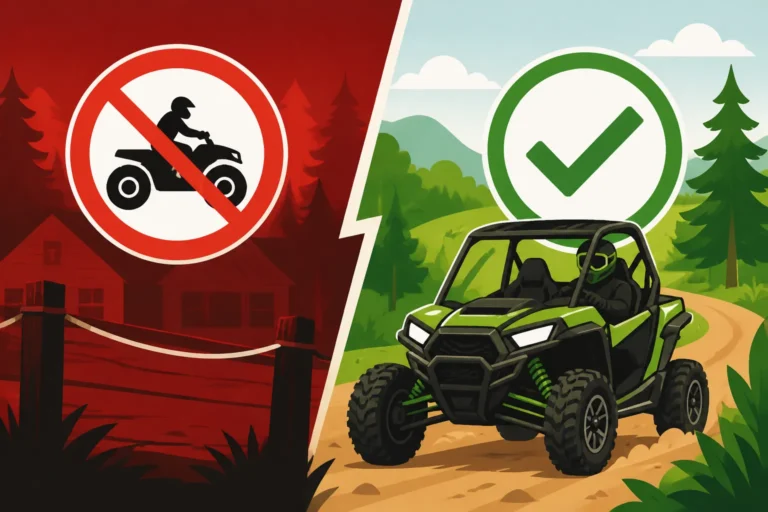
While Kirkland Lake has opened its streets to ORVs, it's crucial to understand that "open" doesn't necessarily mean "everywhere." Typically, municipal by-laws will designate specific roads or routes that are permissible for ORV use. These routes are carefully chosen to minimize impact on residential areas, ensure safety, and guide riders efficiently to the primary trail access points. It's rarely a free-for-all, and for good reason – safety and community harmony are paramount. Riders need to be diligent about knowing exactly which streets are open and which are closed.
Often, these by-laws will be accompanied by maps, either physical or digital, highlighting the approved routes. These maps are invaluable and should be consulted before every ride. You wouldn't want to accidentally veer onto a restricted street, risking a fine and potentially undermining the positive relationship between riders and the community. Keeping a copy of the town's by-law or an up-to-date map on your phone or GPS is always a smart move. Remember, even if you see another ORV on a closed street, it doesn't mean it's legal. Ignorance of the rules is never an excuse.
Benefits for Riders and the Community
The decision by Kirkland Lake to open its streets to trail connections is a win-win situation. For riders, it offers unparalleled convenience. Imagine pulling out of your hotel, grabbing a coffee and breakfast, topping up your tank, and then seamlessly transitioning from town streets directly onto a pristine trail system. It eliminates the hassle of trailering, provides easier access to amenities, and enhances the overall riding experience. This kind of access makes planning multi-day trips much more feasible and enjoyable.
For the community of Kirkland Lake, the benefits are primarily economic. Riders who can easily access amenities in town are more likely to spend money there. This means more business for gas stations, restaurants, grocery stores, hotels, and local shops. It boosts tourism, creates jobs, and helps to sustain local services. Beyond economics, it also fosters a sense of pride and community engagement, as residents see their town becoming a vibrant hub for outdoor recreation. This symbiotic relationship between riders and the community is what makes "trail towns" like Kirkland Lake so successful and vital for the [Ontario's OFATV Trail Network].
Navigating Kirkland Lake's Open Roads
Riding your ORV on municipal roads, even in a welcoming community like Kirkland Lake, comes with specific responsibilities and considerations that differ from off-road riding. It requires a different mindset, prioritizing safety, awareness, and respect for other road users.
Signage and Awareness on Open Roads
When a municipality opens its roads to ORVs, clear signage becomes absolutely critical. You'll typically find signs indicating where ORV access begins and ends, which roads are open, and sometimes even specific speed limits for ORVs. These aren't just suggestions; they are legal directives that riders must obey. It's like navigating any other traffic system – you follow the signs. If you don't see a sign indicating ORV use is permitted, assume it's not.
Beyond official signage, riders should maintain a heightened sense of awareness. Town roads mean sharing space with cars, trucks, pedestrians, and cyclists. This environment demands constant vigilance, defensive riding techniques, and an understanding that you, as an ORV operator, are a guest on these roads. Don't rely solely on your GPS or a vague memory; actively look for and adhere to posted signs. Missing a critical sign could lead you into a prohibited zone, resulting in fines or, worse, a dangerous situation.
Respecting Local Traffic and Residents
One of the most important aspects of riding an ORV on municipal roads is demonstrating respect for all other road users and residents. This means keeping your speed appropriate – often much lower than you might be used to on trails, adhering to [Ontario's 20 and 50 km/h Speed Limits] – and yielding to pedestrians and traditional vehicles. Loud exhausts, aggressive riding, or kicking up dust on residential streets can quickly erode the goodwill that led to ORV access in the first place.
Think about how your actions reflect on the entire ORV community. One inconsiderate rider can damage the reputation for everyone. Drive courteously, be mindful of noise levels, especially in residential areas, and always be prepared to stop for children or pets. When passing homes, try to keep noise to a minimum. Remember that residents, even those who support ORV access, value their peace and quiet. Maintaining a positive image is vital for ensuring that Kirkland Lake, and other communities, continue to welcome ORV riders.
Parking and Staging in Town
Once you've ridden your ORV into town, you'll need to know where you can legally and safely park. Just like cars, ORVs are subject to parking regulations. You can't just leave your machine anywhere. Look for designated public parking areas, or if you're stopping at a business, inquire about their specific parking rules for ORVs. Many businesses that welcome riders will have designated spots or guidance on where to park your machine without impeding traffic or blocking access for others.
For those trailering in from further afield, staging areas are equally important. These are often larger lots where you can safely unload your ORV, park your truck and trailer, and then begin your ride into town or directly onto the trails. Check with Kirkland Lake's municipal office or local tourism information for details on official staging areas. Using designated parking and staging areas not only keeps you compliant with local rules but also contributes to the organized and respectful integration of ORVs into the community. It shows that riders are responsible and considerate guests.
Essential Gear and Safety for Urban ORV Riding
Riding an ORV on municipal roads introduces a new set of safety considerations and equipment requirements beyond what you might typically use on the trails. It's crucial to ensure your machine is properly equipped and you're wearing the right gear for the task.
Mandatory Road-Legal Equipment
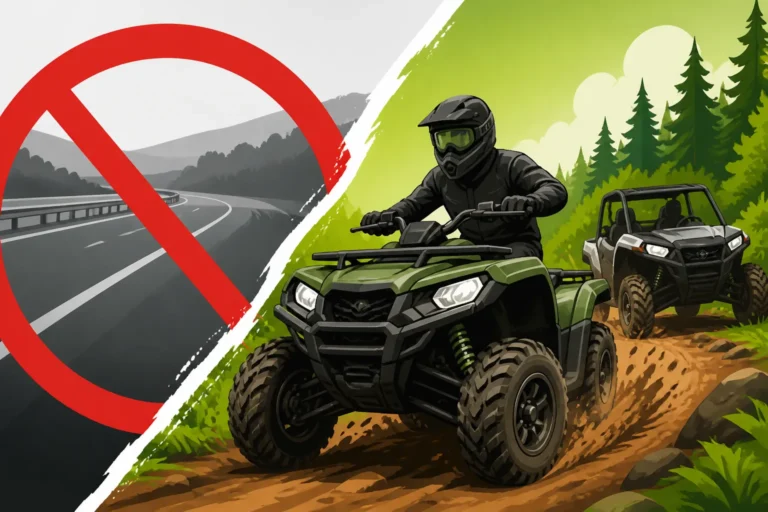
When you transition from dirt trails to paved roads, your ORV essentially becomes another vehicle on the street, and as such, it must meet specific requirements. This includes things like working headlights, taillights, brake lights, and turn signals – not just for visibility, but for signaling your intentions to other drivers. Proper mirrors are also mandatory, allowing you to see traffic behind you. Your tires must be in good condition, and your brakes must be fully functional. A horn is also usually required.
Beyond the basics, think about features that enhance safety and road legality. Aftermarket accessories, such as robust fender flares to reduce road spray, or even a full windshield from a brand like SuperATV, can make road riding much more comfortable and compliant. It's worth reviewing your machine's setup to ensure it meets all provincial and municipal requirements for road use. [Ontario ATV Rules for Riding at Night] become particularly important, as inadequate lighting can lead to dangerous situations and hefty fines. Always consult the official regulations for a definitive list, as requirements can evolve.
| Equipment Type | Road Use Requirement (General) | Why it Matters |
|---|---|---|
| Headlights & Taillights | Always on (day and night) | Visibility to others, seeing the road ahead |
| Brake Lights | Functional | Signaling deceleration and stops to trailing vehicles |
| Turn Signals | Front and Rear, Functional | Communicating turns and lane changes |
| Mirrors | At least one, functional | Seeing traffic behind and to the sides |
| Horn | Functional | Alerting other road users to your presence |
| Muffler | Functional, within noise limits | Reduces noise pollution in urban areas |
| Tires | DOT-approved (if specified) | Proper grip and handling on paved surfaces |
| Seatbelts/ROPS | Required for UTVs/ROVs | Occupant safety in case of a collision or rollover |
| Insurance | Valid liability policy | [Ontario ATV Insurance Requirement] |
| Registration | Valid plate and permit | Legal identification of the vehicle |
Personal Protective Gear
Just like off-road riding, personal protective gear is non-negotiable when riding on roads. A properly fitting, [Approved Motorcycle Helmets in Ontario] is the single most important piece of safety equipment. It's not just a suggestion; it's the law. This means a helmet that meets recognized safety standards, with the chin strap properly fastened. Beyond the helmet, consider eye protection (either a visor on your helmet or goggles), sturdy gloves, and appropriate footwear that covers your ankles. Long pants and a jacket, even in warmer weather, provide crucial abrasion protection in the event of a fall or collision.
While the temptation might be there to ride with less gear on short hops through town, the risks remain the same, if not higher, due to increased traffic density. A simple fender-bender at low speed can still result in serious injuries if you're not adequately protected. Never compromise on safety gear, regardless of how short the distance or how low the speed limit. Your safety, and potentially your life, depends on it.
Preparing Your Machine for Road Sections
Before embarking on any ride that includes municipal road sections, a thorough inspection of your ORV is essential. Check your tire pressure – road riding often benefits from slightly higher pressure than trail riding for better handling and reduced wear. Ensure all lights and signals are working. Verify your brakes are responsive and not spongy. Check your fluids and make sure nothing is leaking. It's also a good idea to secure any loose items on your machine. Tools, spare parts, or even a cooler can become projectiles during an emergency stop or collision.
Additionally, consider the accessories that enhance road-readiness. Perhaps a secure storage box to keep your permit dry and accessible, or an upgraded winch from SuperATV that could be useful in various situations. Ensure your [Ontario ORV Plates and Where They Mount] are securely attached and clearly visible. A quick pre-ride check takes only a few minutes but can prevent breakdowns, legal issues, or even accidents. Remember, the road is far less forgiving than the trail when it comes to mechanical failures.
Exploring the Trails Beyond Kirkland Lake
Kirkland Lake serves as an excellent jumping-off point for exploring the vast and diverse trail networks of Northern Ontario. With the ability to ride directly from town, the opportunities for adventure truly open up.
Connecting to OFATV Trails
Once you've navigated Kirkland Lake's open roads, you're poised to access the incredible trails maintained by the Ontario Federation of ATV Clubs (OFATV). These trails represent thousands of kilometres of signed and managed routes, offering everything from leisurely scenic rides to challenging technical terrain. Membership with OFATV, which includes an annual trail permit, is typically required to ride these trails. This permit supports the maintenance and development of the trails, ensuring they remain enjoyable and safe for all riders. Understanding the [Ontario ATV Trail Permit Cost] is a good first step.
The beauty of a trail town like Kirkland Lake is its strategic location, often providing direct access to specific OFATV club trails or connecting corridors. Before heading out, always consult the latest OFATV maps or the QuadON app to confirm your route and ensure you have the necessary permits. These maps will guide you through diverse landscapes, including vast forests, challenging rock gardens, and picturesque waterways, making for an unforgettable Northern Ontario experience. Remember, these trails are shared with nature, so always ride responsibly and pack out what you pack in.
Local Riding Opportunities Around Kirkland Lake
Beyond the main OFATV network, the area surrounding Kirkland Lake itself boasts a wealth of local riding opportunities. These might include unassumed road allowances, old logging roads, or community-maintained informal trails. While these areas might not always be formally part of the OFATV system, they often provide excellent riding for local enthusiasts. However, exercising caution and respecting private property is paramount. Always ensure you have permission to ride on private land, and be aware of any restrictions on Crown Land use in specific areas.
These local gems often provide a more intimate riding experience, allowing you to discover hidden lakes, scenic lookouts, and unique natural features. They're perfect for a quick afternoon ride or for exploring new routes when you have limited time. But with this freedom comes responsibility: always ride within your skill level, carry essential recovery gear – perhaps a high-quality tow strap or recovery winch from SuperATV – and inform someone of your planned route and expected return time, especially if venturing into less-trafficked areas. [Riding an Unregistered ATV in Ontario] could lead to serious consequences, so always ensure your machine is compliant, no matter where you ride.
Planning Multi-Day Adventures from Kirkland Lake
With Kirkland Lake as your base, the possibilities for multi-day ORV adventures are immense. You can plan extended trips that take you deep into the boreal forest, connecting various trail systems and even visiting other trail-friendly communities. Imagine spending days exploring new terrain, with the convenience of returning to town for a comfortable bed, a hot meal, and resupply. This is where the concept of a "trail town" truly shines.
When planning such an adventure, consider mapping out your fuel stops, potential lodging options, and points of interest well in advance. Some remote areas may have limited cell service, so a reliable GPS or paper maps are essential. Packing emergency supplies, extra fuel, and perhaps even a satellite messenger can provide peace of mind on longer, more remote excursions. These multi-day trips offer a deeper immersion into the natural beauty of Northern Ontario, allowing you to experience the region's vastness and rugged charm in a way that single-day rides simply can't.
The Broader Picture: Why Trail Towns Matter
The success of communities like Kirkland Lake in integrating ORV access highlights a significant shift in how rural Ontario views and benefits from powersport tourism. These "trail towns" are more than just places to ride through; they are vital hubs that support an entire recreational ecosystem.
Economic Impact of ORV Tourism
The economic benefits of ORV tourism for Northern Ontario communities are substantial and far-reaching. When riders can easily access services from town, they are more likely to spend money on fuel, food, accommodations, parts, and local attractions. This influx of tourism dollars creates and sustains local jobs, boosts small businesses, and generates tax revenue for municipalities. For many northern towns facing economic challenges, ORV tourism provides a much-needed lifeline, helping to diversify their economies and build resilience.
The "trail town" model creates a virtuous cycle: as more riders discover and utilize these communities, the local economy strengthens, leading to better infrastructure, more amenities, and an even more welcoming environment for future riders. This positive feedback loop demonstrates that investing in ORV access isn't just about recreation; it's a strategic economic development tool for rural Ontario.
Enhancing the Riding Experience and Accessibility
Beyond the economic impact, communities like Kirkland Lake significantly enhance the overall ORV riding experience. By providing legal and convenient access to trails directly from town, they remove barriers that might otherwise discourage riders, especially those new to the sport or those travelling from further away. This accessibility makes ORV riding a more viable and enjoyable activity for a wider range of people.
It also means riders can explore longer, more ambitious routes without the constant worry of logistics. The ability to easily resupply, refuel, and rest in a comfortable setting transforms a challenging trail ride into a seamless adventure. This integration of urban amenities with wilderness trails truly offers the best of both worlds, making Northern Ontario an even more attractive destination for ORV enthusiasts. For instance, knowing you can easily get to a local shop for parts or upgrades for your machine, perhaps even finding SuperATV accessories locally, adds to the convenience.
Future Trends for ORV Access in Ontario
The trend towards more ORV-friendly municipalities is likely to continue across Ontario. As more communities witness the success and positive impact of places like Kirkland Lake, others will be encouraged to explore similar initiatives. This push is often driven by local advocacy groups, ORV clubs, and forward-thinking municipal councils who recognize the value of this form of tourism and recreation. As awareness grows, we can expect to see more harmonized rules, better signage, and expanded trail networks that seamlessly connect communities.
However, continued access relies heavily on responsible rider behaviour. Every rider has a role to play in maintaining the positive perception of ORV use by adhering to all rules, respecting the environment, and being considerate of local residents. The future of ORV access in Ontario hinges on this collaborative effort, ensuring that the province remains a premier destination for off-road adventure while fostering sustainable relationships between riders and the communities they visit. Always remember that [Ontario ATV Helmet Law] and [Ontario ATV Insurance Requirement] are cornerstones of responsible riding, crucial for the long-term viability of these expanded access opportunities.
Disclaimer
This article is for general informational purposes only and does not constitute professional advice. Laws, prices and regulations vary by location and change over time. Consult a qualified professional for guidance on your specific situation.