Ontario ATV Seat Belt Rules
There's often a lot of head-scratching when it comes to understanding the specific rules for ATVs and UTVs on Ontario's roads, and seat belts are a common point of confusion. Many riders wonder if their quad needs a seat belt, or if passengers in their side-by-side are always required to buckle up. This guide aims to clear up that confusion, diving deep into Ontario's regulations to help you understand exactly what's required for your machine and your safety.
Navigating the Nuances: Why Ontario's ORV Classes Matter for Seat Belts
Before we even talk about seat belts, it’s absolutely crucial to understand that Ontario's regulations differentiate between various types of off-road vehicles (ORVs). This isn't just bureaucratic jargon; it fundamentally changes what equipment, including seat belts, is legally required on your machine, especially when you venture onto public roads. What applies to a traditional quad might be completely different for a side-by-side.
Distinguishing Between ATVs and ROVs in Ontario
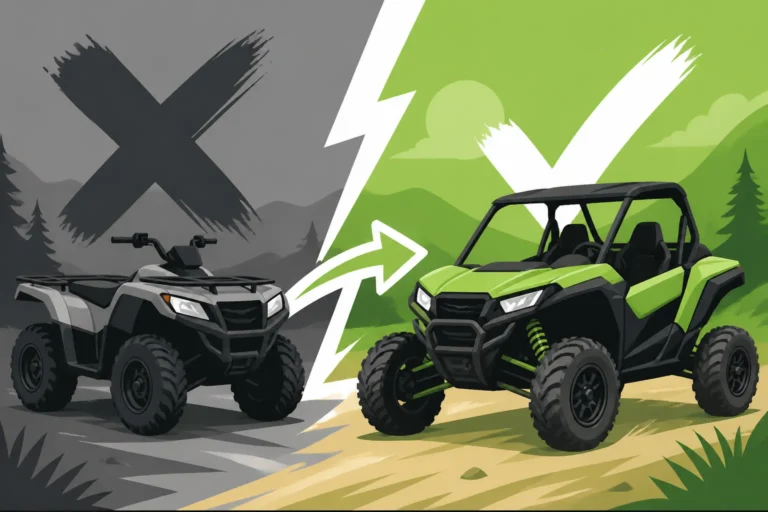
In Ontario, what most people colloquially call an "ATV" is officially classified under Ontario Regulation 316/03 as an "all-terrain vehicle" or an "off-road motorcycle." When we talk about seat belts, however, the real discussion often revolves around what the province calls a "recreational off-road vehicle," or ROV, which typically includes utility terrain vehicles (UTVs) and side-by-sides. This distinction is paramount because ROVs are generally designed with a roll-over protective structure (ROPS) and seats that require occupants to be restrained.
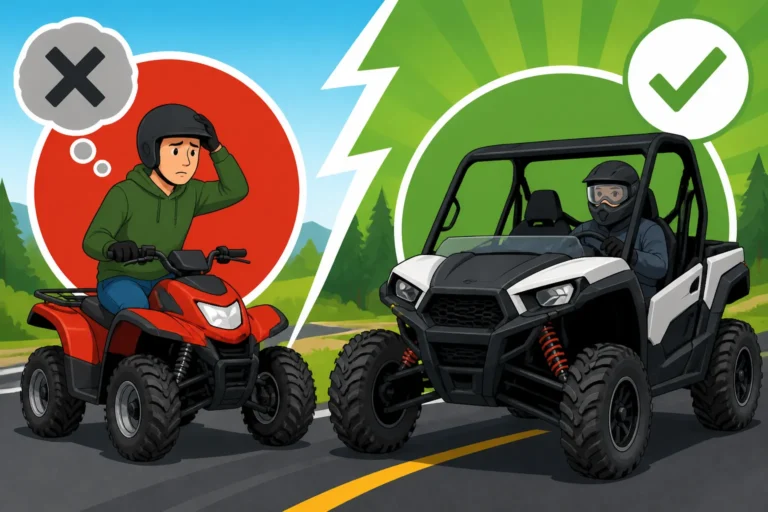
A traditional ATV, or quad, is usually a single-rider machine where the operator straddles the engine, much like a motorcycle. These machines are designed for dynamic riding, using body English to navigate terrain. As such, they typically do not come equipped with seat belts, nor are they designed to have them. Trying to add a seat belt to a traditional quad could actually be more dangerous, as it would restrict the rider's ability to shift their weight and react to changing conditions, which is essential for safe operation. For more on how Ontario categorizes these vehicles, check out [The ATV Class Under Ontario Regulation 316/03].
ROVs, on the other hand, often have bench or bucket seating, a steering wheel, and foot pedals, resembling a small off-road car. These machines are built with a full roll cage (ROPS) precisely because their design, while stable, can still roll over. The ROPS provides a safety cell, and the seat belts are integral to keeping occupants safely within that cell during an upset. Without seat belts, the protective structure offers little benefit, as occupants could be ejected or strike the structure itself during a rollover.
Implications of Classification for Safety Equipment
The classification of your ORV directly dictates what safety equipment it must have, especially for road use. For traditional ATVs, the primary safety equipment focuses on the rider: a properly approved helmet, eye protection, and appropriate footwear. Because these machines are typically single-rider (though some are designed for two, they still lack seat belts), the emphasis is on rider skill and personal protective gear.
For ROVs, the story is different. Because they have a ROPS, they are legally mandated to have seat belts for every seating position. This is not just a suggestion; it's a legal requirement designed to work in conjunction with the roll cage to maximize occupant safety. Ignoring these requirements not only puts occupants at severe risk but also exposes the operator to significant legal penalties. The integrity of the ROPS and the functionality of the seat belts are considered critical components of the vehicle's safety system.
It’s easy to get confused, especially when terms like "ATV" are used broadly to describe any off-road vehicle. But understanding that your side-by-side falls under the ROV classification is the first and most important step in figuring out your seat belt obligations. This distinction is truly the backbone of Ontario's ORV safety regulations.
Seat Belt Mandates on Ontario Roads: What's Required for Your Ride
Once you understand the difference between an ATV and an ROV, the rules around seat belts for road use in Ontario become much clearer. The law is quite specific, and it hinges entirely on the type of machine you're operating when it crosses onto public asphalt. If you're pondering taking your ORV on a municipal road, knowing these rules is non-negotiable.
When Seat Belts Are Required for ROVs and UTVs
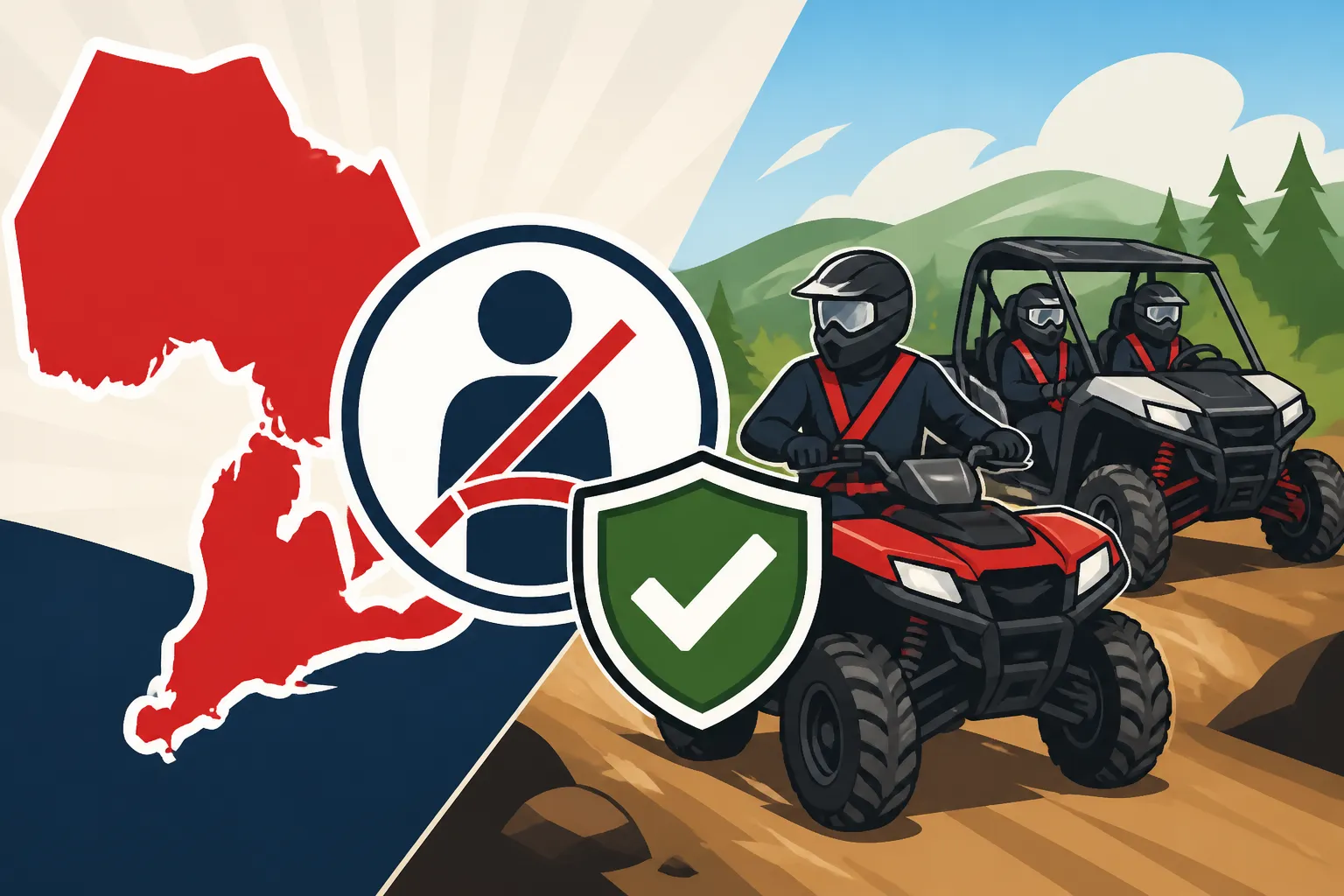
For recreational off-road vehicles (ROVs), which include most side-by-sides and UTVs, seat belts are not just a good idea; they are mandatory for every occupant when the vehicle is operated on a highway or a road where ORVs are permitted. Ontario's regulations explicitly state that if a ROV is equipped with a seat belt assembly, it must be worn by the driver and all passengers. This means if your side-by-side has two seats, two seat belts must be present and buckled. If it's a four-seater, all four must be used. This requirement works hand-in-hand with the integrated roll-over protection system (ROPS) that these vehicles are designed with, ensuring occupants stay within the safety cell during an incident. You can read more about what these vehicles entail in [Ontario UTV Road Rules] and [Ontario Side-by-Side Road Rules].
This isn't a "sometimes" rule; it's an "always" rule for any occupant in an ROV when it’s on a public road, whether you're just crossing or traveling a designated stretch. The intent is clear: to keep riders and passengers secured in the event of a collision or rollover. Many aftermarket accessories, like those from SuperATV, integrate directly with existing ROPS and seat belt systems, sometimes even offering enhanced harnesses for more aggressive riding, but the foundational requirement is always to use the factory-installed belts for road legality.
The Absence of Seat Belt Requirements for Traditional ATVs
Now, let's talk about traditional ATVs, or quads. As mentioned, these machines are not typically designed with seat belts, nor are they required to have them under Ontario's regulations, even when operated on designated roads. This is because their design relies on the rider's ability to shift their weight and maintain balance, which would be impeded by a seat belt. For these single-rider machines, the focus of safety equipment is primarily on personal protective gear for the operator, most notably an approved helmet. [Ontario ATV Rules on a Municipal Road] further elaborates on the broader rules for quads on roads.
It’s crucial not to confuse the rules for ROVs with those for ATVs. You won't find yourself scrambling to install a seat belt on your single-rider quad because the law simply doesn't require it, and the vehicle's design is not conducive to it. However, if you have a traditional ATV that is factory-designed for two riders (a "two-up" quad), while it still won't have seat belts, you'll need to be mindful of [Ontario ATV Passenger Rules] regarding who can ride and where. The absence of seat belts on these machines reinforces the need for diligent rider training and adherence to all other safety protocols.
Table: Ontario ORV Road Use Comparison for Seat Belts
To help clarify the differences, here's a quick comparison of seat belt requirements based on ORV type for road use in Ontario:
| ORV Type | Common Names | Designed with ROPS (Roll Bar)? | Factory Seat Belts? | Seat Belt Required on Road? | Primary Safety Focus |
|---|---|---|---|---|---|
| All-Terrain Vehicle | Quad, 4-wheeler | No | No | No | Rider skill, helmet, personal protective equipment |
| Recreational ORV | UTV, Side-by-side | Yes | Yes | Yes (all occupants) | Occupant restraint within ROPS, helmet (if applicable), personal protective equipment |
| Off-Road Motorcycle | Dirt bike | No | No | No | Rider skill, helmet, personal protective equipment |
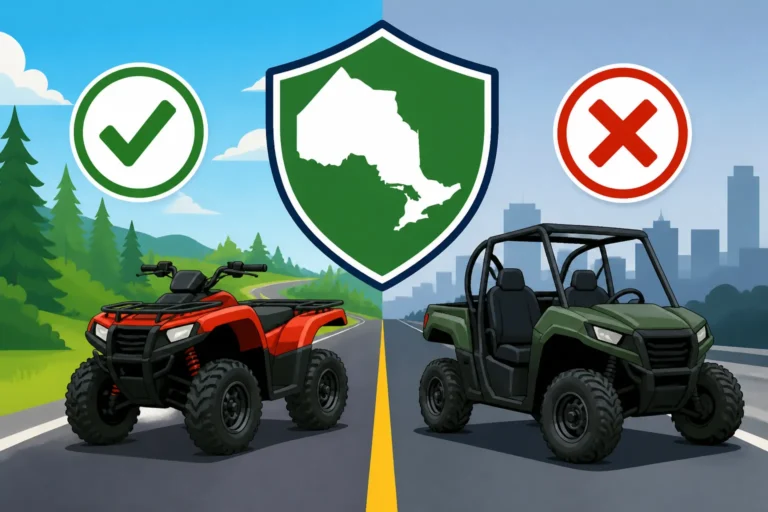
This table highlights the fundamental difference that underpins all seat belt regulations for ORVs in Ontario. The presence of a factory-installed ROPS and seat belts on an ROV automatically triggers the mandatory use of those seat belts whenever the vehicle is operated on public roads.
Beyond the Law: Prioritizing Rider Safety and Best Practices
While knowing the letter of the law is crucial, true safety on the trails and roads extends far beyond mere compliance. For ROV owners, understanding why seat belts are so vital and how to ensure their optimal function is paramount. It’s about building a culture of safety that protects you, your passengers, and others sharing the trails.
The Critical Role of Seat Belts in ROV Safety
For recreational off-road vehicles (ROVs) like side-by-sides, seat belts are not just an accessory; they are a fundamental component of the vehicle's integrated safety system. The roll-over protective structure (ROPS) provides a zone of protection, but without a seat belt, an occupant can be ejected from that zone, or worse, come into contact with the structure itself during a rollover. Being properly restrained significantly reduces the risk of serious injury or fatality in an accident. The forces involved in a rollover can be immense, and even at low speeds, being thrown from the vehicle can lead to severe trauma. This is why the regulation around [Seat Belts and Occupant Protection in Ontario] is so stringent for these machines.
Beyond rollovers, seat belts also protect against less severe but still dangerous incidents, such as sudden stops, collisions with obstacles, or quick maneuvers that can cause occupants to be thrown about inside the cabin. Think of a sudden wash-out on a trail or an unexpected turn on a gravel road – the seat belt keeps you firmly in place, allowing you to maintain control or brace for impact more effectively. This proactive approach to safety is what ensures enjoyable rides without unnecessary risks.
Maintenance and Upgrades for Optimal Seat Belt Performance
Just like any other critical safety feature on your ORV, seat belts require attention and proper maintenance. Regularly inspect your seat belts for any signs of wear and tear: fraying, cuts, stretched webbing, or damage to the buckles. A damaged seat belt is a compromised seat belt and offers significantly reduced protection. The retraction mechanism should also be checked to ensure the belt pulls out smoothly and retracts fully, indicating proper tensioning. If you notice any issues, they should be addressed immediately.
Sometimes, riders choose to upgrade their seat belt systems for enhanced safety, especially those who participate in more aggressive riding or racing. Aftermarket companies, such as SuperATV, offer a range of multi-point harnesses (like 4-point or 5-point harnesses) that provide superior restraint compared to standard automotive-style lap and shoulder belts. These can offer a much tighter, more secure fit, keeping the occupant even more firmly planted in their seat during extreme conditions. When considering such upgrades, ensure they are installed correctly, ideally by a professional, and are compatible with your vehicle's ROPS. Remember, any modification should enhance safety, not detract from it, and should not interfere with the vehicle's original safety design.
Ensuring All Passengers Are Properly Secured
One of the biggest responsibilities an ROV operator has is ensuring all passengers, especially children, are properly secured. This means not only that they are wearing their seat belts but that the seat belts fit them correctly. For smaller children, this might involve using appropriate booster seats or ensuring they meet the minimum height and weight requirements for the vehicle's restraints. Never allow a child to ride without being properly belted, even for short distances or on private property. [Ontario ATV Minimum Age on a Road] and [Can a Child Ride Passenger on an Ontario Road?] offer further guidance on passenger rules, though the specific requirements for seat belts are paramount for ROVs.
It's a good practice to have a pre-ride checklist that includes visually confirming every occupant is buckled up before you even start the engine. Lead by example; if you're the driver, buckle up first. Make it clear that wearing a seat belt is not optional. This instills a sense of responsibility and ensures everyone is on the same page regarding safety before the wheels start turning.
Common Questions and Enforcement Realities for Ontario Riders
Even with clear rules, questions and misconceptions about ORV seat belt regulations persist. Riders often wonder about enforcement, what officers are looking for, and what happens if someone is caught not complying. Let's tackle some of these common concerns and shed light on the realities of enforcement in Ontario.
"Do I need a seat belt off-road?" Addressing common misconceptions.
A frequent question is whether seat belts are required when riding entirely off-road, perhaps on a private trail or Crown land. Ontario's regulations regarding seat belts primarily apply when ROVs are operated on highways or municipal roads where ORVs are permitted. When you are strictly off-road, on private property with permission, or on designated trails, the specific legal mandate for seat belt use as dictated by the Highway Traffic Act or the Off-Road Vehicles Act for public roads might not apply in the same way. However, this does not mean you should forego wearing a seat belt. Absolutely not.
The design of ROVs, with their integrated ROPS and seat belts, is predicated on the idea that these restraints are used constantly to maximize safety in the event of a rollover, which can happen just as easily on a rough trail as on a paved road. Smart riders understand that safety transcends legal mandates. Even though the police might not fine you for not wearing a seat belt on a private trail, your own well-being (and that of your passengers) should always prompt you to buckle up. Think of it as a fundamental safety habit, not just a compliance checkbox.
What Officers Look for During a Roadside Stop
When an Ontario Provincial Police (OPP) officer or municipal by-law enforcement officer stops an ROV on a road, they will certainly be checking for seat belt compliance. They'll look to see that every occupant, including the driver, is properly buckled into their seat belt. This isn't just a cursory glance; they're ensuring the belts are being worn as intended – across the lap and shoulder, not tucked under an arm or hanging loose. If your side-by-side has multiple seating positions, they'll verify that each occupied seat has a buckled occupant.
Officers are well-versed in the specifics of [Ontario's ROV Class and Its Engine Cap] and [Why Width Is Capped at 2.03 Metres], understanding that these machines are designed with seat belts as a primary restraint. They're also ensuring that the ROV itself meets all other requirements for road use, such as proper lighting, mirrors, and valid registration. For instance, an officer checking for [Roll-Over Protection on an Ontario ROV] would naturally also be looking at the corresponding seat belts. Non-compliance with seat belt laws can result in significant fines, similar to those for failing to wear a seat belt in a car.
Consequences of Non-Compliance
The penalties for not wearing a seat belt in an ROV on an Ontario road are serious. Failing to wear a seat belt, or allowing a passenger to ride unrestrained, can lead to a substantial fine. This isn't a minor slap on the wrist; it's a financial hit designed to reinforce the importance of this life-saving safety measure. Beyond the immediate financial penalty, there could also be demerit points associated with the offense, impacting your driving record.
More importantly, the real consequence of non-compliance is the increased risk of severe injury or death in the event of an accident. No amount of money can compensate for a life-altering injury or the loss of a loved one. Ontario's regulations are put in place with public safety as the top priority. By understanding and adhering to the seat belt rules for your ROV, you're not just avoiding a fine; you're actively participating in creating a safer riding environment for yourself and everyone else who loves the thrill of the off-road.
Disclaimer
This article is for general informational purposes only and does not constitute professional advice. Laws, prices and regulations vary by location and change over time. Consult a qualified professional for guidance on your specific situation.