Insurance That Lapsed Over Winter
It's easy to let things slip through the cracks, especially when your trusty ATV or UTV is tucked away for the long Ontario winter. Many riders think, "Out of sight, out of mind," when it comes to insurance, only to face a rude awakening when spring riding season hits and they discover their coverage has lapsed. This guide will walk you through why this happens, the serious implications of riding uninsured, and how to get your machine properly covered again so you can hit the trails legally and safely.
Why ATV/UTV Insurance Often Lapses Over Winter
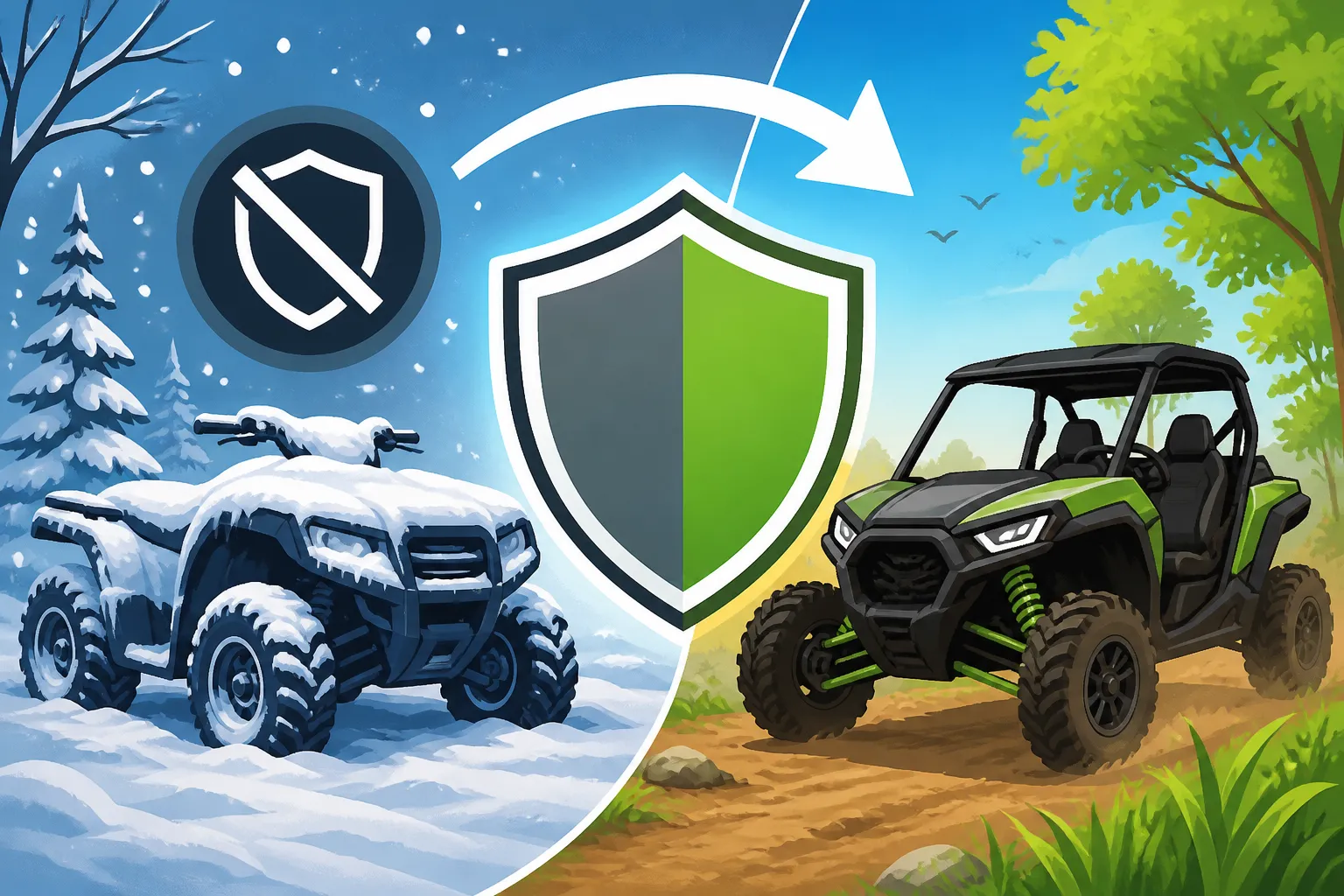
That chill in the air and the first snowfall often signal the end of the riding season for many Ontario ATV and UTV enthusiasts. Your machine goes into storage, maybe under a tarp, maybe in a shed, and for months, it's out of sight and out of mind. It’s during this dormant period that insurance can sometimes fall by the wayside, often for completely understandable reasons that still lead to big headaches.
The "Seasonal Storage" Misconception
One of the most common reasons for a lapsed policy is the belief that because the ATV or UTV isn't being actively ridden, it doesn't need insurance. Riders might intentionally cancel their policy to save money, assuming they can just pick up a new one in the spring. What they often don't realize is that even during storage, certain risks persist. Theft, fire, or even damage from a collapsing shed roof are all possibilities, and without some form of coverage, you’re left footing the entire bill. Moreover, cancelling outright can sometimes make it more complicated to get reinstated or might flag you as a higher risk with a new provider, leading to higher premiums.
Many riders, in an effort to be savvy with their budget, might call their insurer in the fall and explicitly request that their policy be put "on hold" or cancelled for the winter months. While this can be a legitimate strategy if done correctly and with a full understanding of the terms, it often results in a complete cancellation of the policy. When spring rolls around, that rider assumes they just need to "un-pause" it, only to find they have to apply for a brand new policy, which can involve new underwriting, potentially different rates, and certainly a delay before they can ride again. Always clarify with your broker if you're truly pausing or cancelling and what that means for reinstatement.
Auto-Renewal Glitches and Communication Gaps
Another common scenario involves automatic renewals. You might have set up your policy for auto-renewal, but sometimes credit card information changes, payments get declined, or postal mail notices go unread amidst the holiday season. The insurance company might send renewal notices or invoices that simply get overlooked or mistaken for junk mail. When the renewal date passes without payment, the policy naturally lapses. It's a frustrating situation because the intent to stay covered was there, but life simply got in the way. Always double-check your payment methods and ensure your contact information with your insurer is up to date, especially if you move or change banks.
Even if you’ve been a loyal customer for years, a change in underwriting policy by your insurer, or even a simple administrative error, could lead to a renewal not going through as expected. Perhaps the terms of the policy changed, or the insurer decided not to cover certain types of ORVs in your area anymore. If these changes aren't clearly communicated or are missed by the policyholder, the result is the same: a lapse in coverage when you least expect it. This is why it’s so important to actively review your policy details and any communication from your insurer well before your renewal date, rather than assuming everything will just roll over smoothly.
The Real Dangers of Riding Uninsured in Ontario
Discovering your ATV or UTV insurance has lapsed just as the trails are calling is more than just an inconvenience; it can expose you to significant legal and financial risks here in Ontario. Even if you're only planning a quick spin on private property, the implications of being uninsured can be severe, far outweighing any perceived savings from letting your policy lapse.
Legal Ramifications and Steep Fines
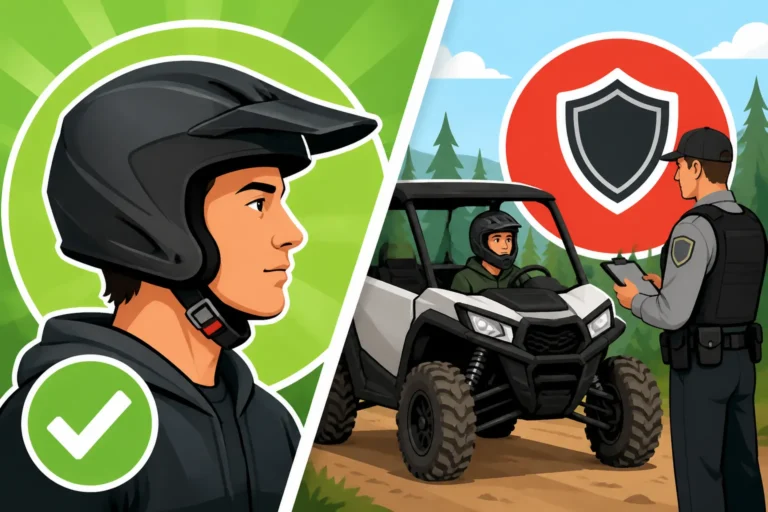
In Ontario, if you plan to operate your ATV or UTV anywhere other than your own private property, liability insurance is not just recommended, it's mandatory. This includes riding on municipal roads where ORVs are permitted, on Crown land, or on the extensive network of club trails maintained by the OFATV (Ontario Federation of ATV Clubs) and its member clubs. If you're stopped by an OPP officer or a trail warden and cannot provide proof of valid insurance, you could be facing substantial fines. We're talking thousands of dollars for a first offense, not just a slap on the wrist. [Ontario Fines for No ATV Insurance] can cripple your finances.
Beyond the immediate fines, being caught without insurance can have longer-term consequences. It could lead to your vehicle being impounded, incurring towing and storage fees. It might also impact your ability to get insurance in the future, as you could be seen as a higher-risk driver, potentially leading to much higher premiums or difficulty finding a provider willing to cover you at all. Remember, the province takes insurance very seriously, and the rules apply whether you're cruising a paved road or navigating a muddy backwoods trail. You might have a great machine, perhaps kitted out with all sorts of accessories from SuperATV, but without that insurance card, it's just a very expensive paperweight.
Financial Disaster in Case of an Accident
This is where the true gravity of lapsed insurance becomes painfully clear. Accidents happen, even to the most careful and experienced riders. Imagine you're out on a trail ride, perhaps misjudge a turn, and collide with another rider, or worse, a pedestrian. If your insurance has lapsed, you are personally liable for all damages and injuries. This could mean paying for the other party's medical bills, property damage (to their ATV, vehicle, or other belongings), lost wages if they can't work, and even pain and suffering. These costs can quickly escalate into hundreds of thousands, if not millions, of dollars, potentially leading to bankruptcy and a lifetime of financial burden.
It’s not just about what you might do to others. What if your machine is damaged, or you are injured, and another uninsured rider is at fault? Your lapsed policy means you have no coverage for your own repairs or medical expenses. Even if you collide with a tree or roll your machine on your own, the repair costs for a modern ATV or UTV can be astronomical. Without collision coverage, that expensive repair bill is coming directly out of your pocket. The peace of mind that comes with knowing you’re covered is worth far more than the cost of a few months' premiums. [Ontario ATV Insurance Requirements] exist for a reason – to protect everyone.
Implications for Trail Riding and Club Membership
Many of Ontario's fantastic trails are managed by local ATV clubs, often under the umbrella of the OFATV. To ride these trails legally, you not only need a valid trail permit (like the annual OFATV permit) but also proof of liability insurance. Club trail systems are often on private land through agreements with landowners, or on Crown land with specific permissions. These agreements almost universally require riders to be insured to protect the landowners, the clubs, and other riders. If you show up at a trail head or are checked by a club patroller without valid insurance, you'll be turned away, and you could face additional penalties from the club, including suspension of your trail pass.
This means that even if you've done everything else right – paid for your [Ontario ATV Trail Permit Cost], registered your machine, and geared up for a great day – a lapsed insurance policy will immediately halt your plans. It's a common oversight, especially for those who only ride a few times a year and assume their previous year's arrangements are still in place. Taking the time to confirm your insurance status before you even load your machine onto the trailer can save you a world of disappointment and potential fines.
Getting Your ATV/UTV Insurance Back on Track
So, you've discovered your ATV or UTV insurance has lapsed over winter. Don't panic, but do act quickly. Getting your coverage reinstated or securing a new policy is crucial before your machine leaves your property. The process is usually straightforward, but understanding the steps can help you navigate it efficiently.
Reinstating an Old Policy vs. Obtaining a New One
Your first step should always be to contact your previous insurance provider or broker. Explain the situation clearly: your policy lapsed, and you need to get coverage again. They will be able to tell you if reinstatement is an option. Reinstatement typically means reactivating your old policy, which can sometimes be simpler and quicker than applying for a brand new one, especially if the lapse was recent and unintentional. Be prepared to pay any outstanding premiums, potentially a reinstatement fee, and to provide updated information if anything has changed (address, machine modifications, etc.). Your broker is your best friend here, as they can often advocate on your behalf and find the quickest path to coverage. [Finding an Insurance Broker Who Writes ORV Policies] is a key step.
If reinstatement isn't an option – perhaps too much time has passed, or the insurer has changed their underwriting rules – then you'll need to apply for a new policy. This involves going through the full application process again, which might include answering more questions about your riding history, your machine, and its storage. This is a good opportunity to shop around. While your old insurer might offer a new policy, it doesn't hurt to get quotes from a few different providers to ensure you're getting the best rate and coverage for your needs. Be transparent about the lapse; trying to conceal it could lead to issues down the road if a claim ever arises.
What to Expect During the Re-Application Process
When re-applying for insurance, whether it's a reinstatement or a new policy, be ready to provide all the essential details about your ATV or UTV. This includes the make, model, year, VIN (Vehicle Identification Number), and any significant modifications. You'll also need to detail where the machine is stored, how often you ride, and where you typically operate it (e.g., private land, club trails, permitted roads). The insurer will also likely ask about your riding experience and any past claims or driving infractions.
| Detail Required | Why It's Needed | Potential Impact of Lapsed Policy |
|---|---|---|
| Vehicle Information | Identifies the specific machine and its value | No direct impact, but part of re-assessment |
| VIN Number | Unique identifier for your ATV/UTV | Ensures accuracy, check for previous claims |
| Storage Location | Assesses risk of theft, fire, damage | May require verification or photo if new |
| Primary Use (e.g., trail) | Determines appropriate coverage, risk assessment | May lead to questions about why it wasn't used |
| Riding History | Assesses rider experience and risk profile | A lapse might raise questions, but not always negative |
| Claim History | Informs insurer of past incidents | Lapse itself is not a claim, but any new claims on uninsured machine are bad |
| Payment Details | For setting up new premiums | Crucial for avoiding future lapses |
It’s also important to discuss the different types of coverage available. While liability insurance is mandatory for riding off private land, you might also want to consider collision coverage (for damage to your own machine), comprehensive coverage (for theft, fire, vandalism), and even coverage for any accessories or modifications you’ve added, perhaps even those cool new light bars or winch from SuperATV. An experienced broker can help you tailor a policy that fits both your riding habits and your budget. Remember to obtain proof of insurance, usually an insurance card, before you head out. [Carrying an Insurance Card on a Ride] is essential.
Preventing Future Lapses and Staying Covered
Once you've successfully navigated the process of getting your ATV or UTV insured again, you'll want to take steps to avoid a repeat performance next winter. A little proactive planning can save you a lot of hassle and potential expense down the road.
Set Up Automatic Payments and Annual Reviews
The simplest way to prevent a payment-related lapse is to enroll in automatic payments. Most insurance providers offer monthly or annual payment plans that can be debited directly from your bank account or charged to a credit card. If using a credit card, make sure to update your information if the card expires or is replaced. This "set it and forget it" approach dramatically reduces the chance of missing a payment due to an oversight.
Beyond automatic payments, make it an annual habit to review your policy. Don't just let it renew without a glance. A few weeks before your renewal date, take the time to read through your policy documents. Confirm your coverage levels are still appropriate, that all your machine's details are correct, and that your contact information is up to date. This is also an excellent time to reach out to your insurance broker with any questions or to discuss potential changes to your coverage needs. Perhaps you added a new accessory package from SuperATV, or bought a second machine, and these additions might require an adjustment to your policy. A quick conversation can prevent a future headache.
Consider Seasonal Coverage or Storage Insurance
If you only ride your ATV or UTV seasonally, discuss specific options with your broker regarding storage insurance. Some insurers offer reduced premiums during months when the machine is definitively off-road and stored, but this isn't a cancellation. It maintains a baseline of coverage for risks like fire or theft while the machine is inactive, and then easily transitions back to full riding coverage when the season starts. This approach ensures you're always covered for basic risks and makes the transition to full riding coverage seamless without the need to apply for a whole new policy.
Understanding the difference between cancelling outright and adjusting your policy for seasonal use is key. A true "storage" option means your policy remains active but in a modified state, protecting you from some of the risks mentioned earlier. When you're ready to ride, a simple phone call can reactivate your full coverage without a gap. This can often be a more cost-effective and less stressful solution than complete cancellation and re-application each year. Always ask your broker about [Does an Ontario ATV Permit Expire?] and [No Annual Renewal for an Ontario ORV] to understand how these provincial requirements interact with your insurance plan.
Keep Excellent Records and Stay in Communication
Maintain a dedicated folder (digital or physical) for all your ATV/UTV related documents: your permit, proof of ownership, previous insurance policies, and any communication from your insurer. This includes renewal notices, payment confirmations, and any changes to your policy. This organized approach can be a lifesaver if there’s ever a dispute or if you need to quickly provide proof of insurance.
Finally, foster a good relationship with your insurance broker. They are a valuable resource who can offer tailored advice, navigate complex policy questions, and ensure you have the right coverage. Don't hesitate to call them with questions, even seemingly small ones. A brief phone call in the fall to discuss winter storage options, or in the spring to confirm active coverage, can prevent many of the frustrations associated with a lapsed policy. Proactive communication is your best defense against unexpected insurance issues.
Disclaimer
This article is for general informational purposes only and does not constitute professional advice. Laws, prices and regulations vary by location and change over time. Consult a qualified professional for guidance on your specific situation.