Ontario ATV Rules for Riding With a Dog
Many of us who love hitting the trails on our ATVs or UTVs consider our dogs to be integral members of the family. The idea of leaving our furry best friend at home while we're out enjoying the beautiful Ontario wilderness can feel a little heartbreaking. You're probably wondering if it's even allowed, what the legalities are, and most importantly, how to keep your dog safe and comfortable. This comprehensive guide will explore everything you need to know about riding your ATV or UTV with your dog in Ontario, from legal considerations to essential safety gear and best practices.
Understanding the Legal Landscape: Are Dogs Allowed on ORVs?
It's a common question, and one that often leads to confusion: are there specific rules about carrying a dog on an Off-Road Vehicle (ORV) in Ontario? The short answer is, surprisingly, no direct, explicit legislation from the province's Off-Road Vehicles Act or its associated regulations that specifically prohibits or permits riding with a dog on an ATV or UTV. This doesn't mean it's a free-for-all, however. Instead, the general principles of safe operation, animal welfare, and specific land-use rules come into play.
The Absence of Specific ORV Dog Laws
Unlike regulations governing helmets, age restrictions, or vehicle registration, Ontario doesn't have a line item that says, "Thou shalt not carry Fido on thy quad." This can be a relief to dog owners, but it also places the onus squarely on you, the operator, to ensure responsible and safe conduct. The lack of specific laws means you must apply common sense and adhere to broader legal frameworks that address animal cruelty, distracted driving, and landowner permissions. An enforcement officer, while not having a specific "dog on ATV" charge, could potentially issue tickets related to unsafe operation if your dog is causing a distraction or is visibly in distress.
Consider a scenario where your dog is unrestrained in the back of your UTV, jumping around and potentially obscuring your rear view, or even trying to get into the driver's lap. While an officer might not say, "That's an illegal dog!" they could certainly cite you for distracted driving or operating a vehicle unsafely. The spirit of the law, even without explicit wording, is always about safety for everyone involved.
General Animal Welfare and Distracted Driving Principles
Even without specific ORV-dog laws, you're still bound by animal welfare legislation. This means your dog must be transported in a way that is safe, secure, and does not cause them undue suffering or injury. Leaving a dog loose in a moving vehicle, especially an off-road one that can encounter bumps, sudden stops, or even rollovers, would likely be seen as irresponsible and potentially illegal under animal cruelty provisions.
Imagine hitting a sudden dip on a trail. If your dog is not properly secured, they could be thrown from the vehicle, suffer serious injury, or even get lost. This isn't just a matter of safety for your pet; it's also a safety concern for you. A sudden movement from an unsecured dog could cause you to lose control of your machine. This is where the "distracted driving" aspect comes in. If your dog requires constant attention, or if its movements interfere with your ability to operate the ORV safely, you could be risking an accident and facing charges, just as you would in a car. It's similar to the general rule about [Ontario ATV Passenger Rules] – the focus is always on safe transport.
Landowner and Trail Operator Rules
While the province might not have specific dog-on-ORV laws, individual landowners, trail associations, conservation authorities, and municipalities absolutely can and do have their own rules. For instance, many organized trail networks, like those operated by the [Ontario's OFATV Trail Network], may have policies regarding dogs, usually requiring them to be leashed at all times, even if they are also secured in your machine.
If you're riding on private property, the landowner's rules are paramount. Always get explicit permission before bringing your ORV onto their land, and be sure to ask about their policy on dogs. The last thing you want is to be halfway through a ride only to discover you're violating a landowner's wishes, which could lead to accusations of [Ontario ATV Trespass Rules]. Likewise, Crown Land in Ontario generally permits dogs, but they must be under control, and you are responsible for their waste. Rules can change depending on the specific type of Crown Land or if you're near a protected area or park. Always check with the local land management office if you're unsure about specific restrictions.
Prioritizing Your Dog's Safety and Comfort on the Trail
Once you've navigated the legal nuances, the paramount concern becomes your dog's safety and well-being. An ATV or UTV ride is a very different experience from a car ride, and what's comfortable for a human might be terrifying or dangerous for a dog if not properly prepared. Ignoring safety measures can lead to serious injury for your pet, or even for you.
Secure and Safe Transport Methods
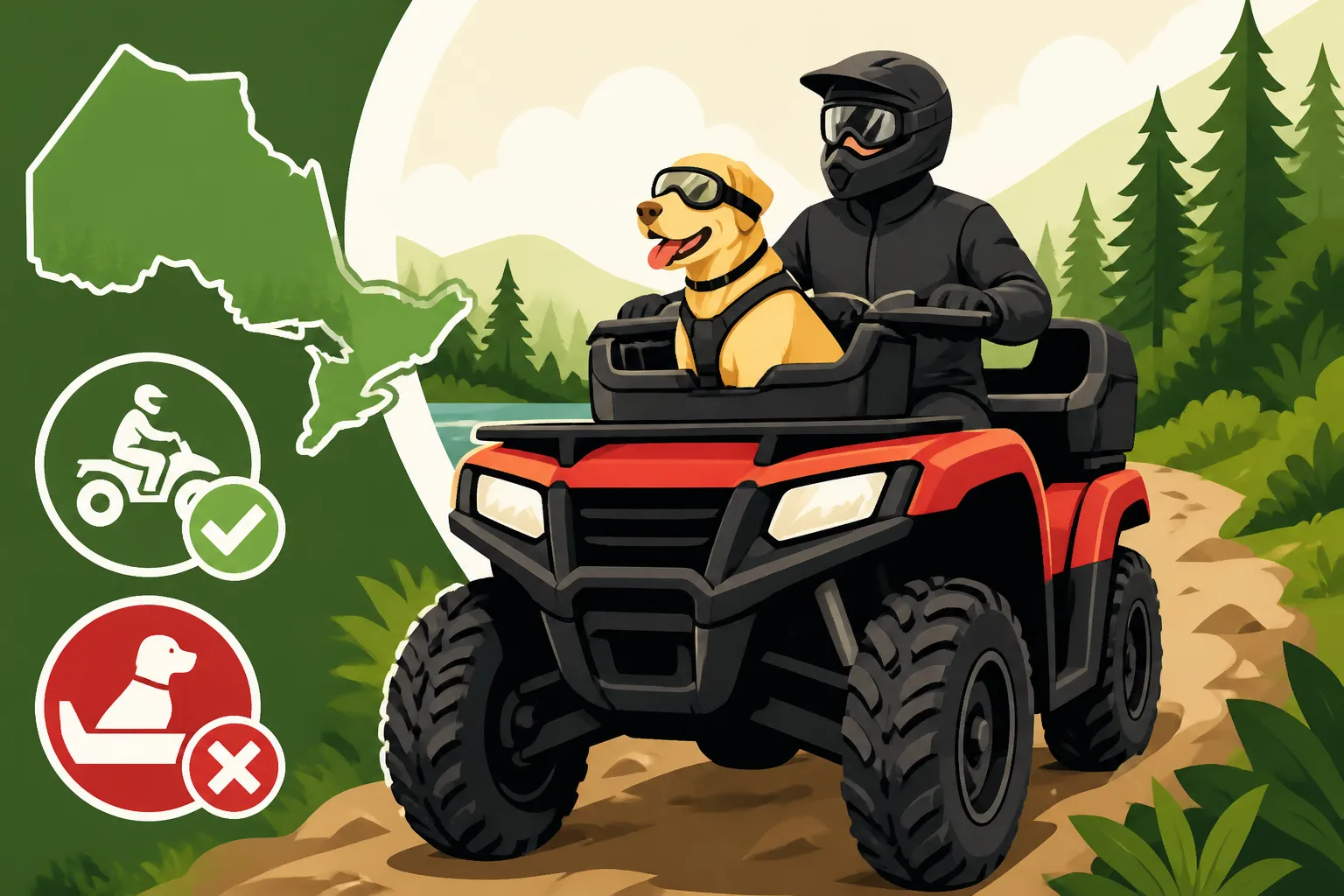
This is non-negotiable. Your dog must be secured in a way that prevents them from falling, jumping, or being thrown from the ORV. For ATVs, this often means a specially designed carrier that can be securely strapped to a rack. These carriers should be well-ventilated and large enough for your dog to stand, turn around, and lie down comfortably. Never allow your dog to ride loose on the seat or front rack of an ATV. The risk of them being jostled off or interfering with your steering is simply too high.
For UTVs, you have a bit more flexibility, but the principle of secure transport remains. A travel crate or kennel is ideal, placed in the cargo bed and securely strapped down to prevent movement. For UTVs, companies like SuperATV offer fantastic cargo box solutions that can be adapted with proper ventilation for a secure dog transport area. Some owners use a safety harness designed for vehicles, attaching it to a seatbelt anchor point in the passenger area, ensuring the tether is short enough to prevent the dog from reaching the controls or falling out the side. Remember, even in a UTV, sudden stops or sharp turns can send an unsecured dog flying.
Essential Gear for Canine Riders
Just like you wear a helmet and appropriate gear for your safety, your dog needs its own set of protective equipment, especially if they'll be exposed to the elements.
- Eye Protection: Goggles are not just for looking cool! Dust, twigs, mud, and insects can easily injure your dog's eyes, especially at speed. Train your dog to wear Doggles or similar protective eyewear from a young age.
- Paw Protection: Depending on the terrain, paw pads can get cut, scraped, or become extremely sore from prolonged walking or running on rough surfaces. Dog boots can offer protection, particularly if your dog will be getting off the ORV for walks or if you encounter very rocky or thorny terrain.
- Safety Harness/Vest: Even if secured in a crate, a comfortable harness is good for handling your dog during breaks. If your dog is riding in the passenger area of a UTV, a crash-tested safety harness is crucial.
- First-Aid Kit: A separate first-aid kit specifically for your dog is a smart idea. This should include items for cuts, scrapes, paw injuries, and any specific medications your dog requires.
- Water and Food: Always bring more water than you think you'll need, for both you and your dog. Collapsible bowls make feeding and hydrating on the go much easier.
Preparing Your Dog for the Ride
Not every dog is cut out for ORV adventures. Some dogs love the excitement, while others might find the noise, vibrations, and movement incredibly stressful. Introduce your dog to the ORV slowly. Let them get comfortable with the machine while it's off, then with it idling, and finally, with short, gentle rides around your property.
Pay close attention to their body language. Excessive panting, drooling, whining, or trying to hide are all signs of stress. If your dog seems consistently anxious, it might be kinder to leave them home or find alternative ways to spend time together outdoors. Also, consider the duration of your rides. Long, bumpy rides can be exhausting for dogs, even if they're enjoying themselves. Plan for frequent breaks where they can stretch their legs, relieve themselves, and get a drink of water. For UTV riders, investing in a good quality UTV windshield, perhaps from a reputable brand like SuperATV, can also protect your dog from debris and wind, making the ride more comfortable for them.
Practical Considerations for Riding with Your Dog in Ontario
Beyond the legalities and safety gear, there are many practical elements that contribute to a successful and enjoyable ORV outing with your dog. Thinking ahead about these details can save you a lot of headaches on the trail.
Choosing the Right Machine and Setup
The type of ORV you have heavily influences how you can safely bring your dog along.
- ATVs (Quads): Carrying a dog on a single-rider ATV is generally not recommended due to limited space and stability. If you have a two-up ATV, a sturdy, well-ventilated dog crate securely mounted to the rear rack is usually the safest option. Ensure the crate does not impede your ability to ride safely or block your visibility. For longer trips, consider how the crate might affect the ATV's centre of gravity, especially on challenging terrain.
- UTVs (Side-by-Sides): UTVs offer much more space and stability, making them a preferred choice for riding with dogs. The cargo bed is an excellent place for a securely strapped-down kennel. If your UTV has multiple seats, a dog can ride in the passenger area using a seatbelt harness, provided they are calm and do not distract the driver. Remember to consider the [Ontario UTV Road Rules] if you plan to use municipal roads, as this might affect how a dog could be transported safely and legally. When considering durable gear like tie-downs or specialized carriers for your UTV, you might look at options from trusted names such as SuperATV, known for robust off-road accessories.
Hydration, Breaks, and Environmental Factors
Dogs can overheat much faster than humans, especially when excited or in direct sunlight. Always carry ample water and offer it frequently. Plan your route with designated stops for water breaks and to allow your dog to stretch their legs and relieve themselves.
- Weather: Avoid riding on excessively hot or humid days, as this dramatically increases the risk of heatstroke. Even on cooler days, the exertion and excitement can elevate a dog's body temperature. Watch for signs of overheating, such as excessive panting, lethargy, or stumbling. In colder weather, consider a dog jacket to keep them warm, especially for short-haired breeds.
- Terrain: Rocky or thorny trails can be hard on paws, so paw protection is crucial. Muddy trails might mean your dog (and their carrier) will get dirty, so plan for clean-up.
- Noise and Vibration: The constant engine noise and vibrations from an ORV can be stressful for some dogs. Consider dog-specific ear protection if your dog seems sensitive, or if the noise levels are particularly high.
Emergency Planning and Identification
Even with the best preparation, accidents can happen. Having a plan is vital.
- Veterinarian Information: Carry your vet's contact information, as well as the number for an emergency vet clinic in the area you'll be riding.
- Dog ID: Ensure your dog wears identification tags with your current contact information. Microchipping is also highly recommended. If your dog gets lost, this is their best chance of being returned.
- Leash: Always have a leash readily accessible. You'll need it when taking your dog out of the ORV during breaks, and it's often a requirement on public lands and trails.
- First Aid: As mentioned, a dedicated dog first-aid kit is essential. Know how to use basic items like bandages, antiseptic wipes, and tweezers.
Where Can You Ride with Your Dog in Ontario?
Knowing where you can ride with your canine companion is just as important as knowing how to do it safely. Not all riding areas are dog-friendly, and rules can vary significantly.
- OFATV Permitted Trails: The [Ontario's OFATV Trail Network] is extensive, covering thousands of kilometres across the province. Most OFATV clubs welcome well-behaved, leashed dogs, but you should always check the specific club's rules before you go. Many clubs have a "pack it in, pack it out" policy for dog waste.
- Crown Land: Generally, dogs are permitted on [Ontario ATV Rules for Riding Crown Land], provided they are under control. "Under control" usually means leashed or under strict voice command. You are responsible for cleaning up after your dog. Be mindful that certain protected areas or conservation reserves on Crown Land might have stricter rules or even prohibit dogs.
- Municipal Roads: If you're riding your ORV on municipal roads where permitted, you'll need to adhere to local by-laws regarding animal control, in addition to [Ontario ATV Rules on a Municipal Road]. This almost always means your dog must be secured and not interfere with traffic or public safety.
- Private Property: If you're riding on private property, the landowner's rules are the final say. Always ask permission to bring your dog along. This is crucial to avoid any issues related to [Ontario ATV Trespass Rules].
- Provincial Parks and Conservation Areas: Many provincial parks and conservation areas have strict rules about dogs, often restricting them to specific trails or campgrounds, and usually requiring them to be leashed at all times. Some areas may prohibit them entirely. Always check the specific park or area's regulations before planning your trip.
Riding your ATV or UTV with your dog can be an incredibly rewarding experience, deepening the bond you share and creating unforgettable memories. However, it requires careful planning, a commitment to safety, and a thorough understanding of the responsibilities that come with bringing your furry friend along for the ride. By prioritizing their safety and comfort, and respecting the rules of the land, you can ensure many happy adventures together on Ontario's trails.
Responsible Riding Practices for Dog Owners
Riding an ORV with your dog isn't just about getting from point A to point B; it's about a shared experience that prioritizes everyone's well-being and respects the environment and other trail users. Adopting responsible riding practices ensures not only your dog's safety but also contributes to a positive image for all off-road enthusiasts.
Minimizing Impact and Maintaining Etiquette
When you bring your dog along, you're not just representing yourself; you're representing all dog-owning ORV riders. Therefore, maintaining good trail etiquette is crucial. This includes always cleaning up after your dog, whether on an organized trail, Crown Land, or a municipal road. No one wants to encounter dog waste on the trail or at a scenic lookout. Proper waste disposal is a cornerstone of responsible pet ownership, and it helps keep our natural spaces enjoyable for everyone.
Be mindful of other trail users, especially hikers, cyclists, or equestrians, who might be wary of dogs. Keep your dog leashed and under close control when encountering others, and always yield the trail. Not everyone loves dogs, and some people may have fears or allergies. A well-behaved, leashed dog helps to bridge potential conflicts. Similarly, if you encounter wildlife, ensure your dog is restrained and does not chase or harass animals, which is not only illegal but also harmful to the ecosystem. [Ontario ATV Rules for Riding at Night] would also apply to ensuring your dog is visible if you are out during dusk or dawn, perhaps with a reflective vest.
Training and Socialization
A well-trained dog is a safe dog, especially in dynamic environments like an ORV trail. Basic obedience commands like "sit," "stay," "come," and "leave it" are invaluable. They can prevent your dog from running into danger, bothering other trail users, or getting lost. If your dog is prone to excessive barking, consider if an ORV trip is truly suitable, as constant barking can be disruptive to others enjoying the peace of nature.
Socialization is also important. Expose your dog to different sights, sounds, and people from a young age so they are less likely to react fearfully or aggressively to unfamiliar situations on the trail. A calm, confident dog will have a much more enjoyable and safer experience. Remember, even if you are on [Ontario ATV Rules for Riding Private Property], these courtesies still apply to protect your relationship with the landowner.
Pre-Ride Checks and Documentation
Before every ride, just as you perform a pre-ride inspection of your ORV, do a quick check on your dog and their gear. Ensure their carrier is securely mounted, their harness is fitted properly, and their ID tags are in place. Double-check your dog's first-aid kit and make sure you have enough water and food.
Always carry your ORV permit, proof of insurance, and your dog's vaccination records or a copy, especially if traveling to areas where this might be required (e.g., some campsites or parks). While not always specifically for ORV use, having these documents on hand is part of being a responsible vehicle operator and pet owner. An officer conducting [What an Ontario Officer Checks Roadside] might appreciate the extra preparedness, especially if questions arise about your dog's welfare. You should always be able to provide [Carrying the Permit or a True Copy] to any officer who asks.
| Aspect | ATV Considerations | UTV Considerations | General Dog Safety |
|---|---|---|---|
| Transport Method | Secure, well-ventilated crate on rear rack, no loose dogs. | Secure crate in cargo bed, or seatbelt harness in passenger seat. | Must prevent falling, jumping, or distracting driver. |
| Protective Gear | Doggles for eye protection, paw boots for rough terrain. | Doggles, paw boots. Windshield (e.g., from SuperATV) for wind/debris protection. | Essential for eyes, paws, and overall comfort. |
| Space & Comfort | Limited space, potential for higher vibration. Choose appropriate carrier size. | More spacious, potentially smoother ride. More options for movement within confined space. | Ensure dog can stand, turn, lie down comfortably. |
| Driver Interaction | Dog should not interfere with steering or controls. | Dog should not interfere with steering or controls, even in passenger seat. | Distracted driving is a risk; dog must be secured away from controls. |
| Environmental Exposure | More exposed to elements (dust, sun, wind). Ensure proper ventilation for crates. | Better protection from elements in a cab. Still requires good ventilation in cargo. | Hydration, breaks, temperature management are critical. Avoid extreme weather. |
| Identification | ID tags on harness/collar, microchip. | ID tags on harness/collar, microchip. | Absolutely essential for retrieval if separated. |
| Emergency Prep | Dog first-aid kit, vet contacts, leash. | Dog first-aid kit, vet contacts, leash. | Always have a plan for injuries or getting lost. |
| Trail Etiquette | Keep dog leashed when dismounted, clean up waste, be mindful of other trail users/wildlife. | Keep dog leashed when dismounted, clean up waste, be mindful of other trail users/wildlife. | Responsible pet ownership extends to the trail. |
By considering all these factors, you can create a safe, enjoyable, and memorable ORV experience for both you and your loyal canine companion in Ontario.
Disclaimer
This article is for general informational purposes only and does not constitute professional advice. Laws, prices and regulations vary by location and change over time. Consult a qualified professional for guidance on your specific situation.