Ontario Municipalities That Opened Their Roads
It can be incredibly frustrating to own an ATV or UTV in Ontario and feel like you're constantly navigating a maze of rules just to figure out where you can legally ride. The dream of connecting trails by using a short stretch of road, or simply getting from your cottage to the local store on your side-by-side, often bumps up against conflicting information and the fear of a hefty fine. This guide is here to cut through that confusion, giving you a clear, in-depth look at how Ontario municipalities are opening their roads to off-road vehicles, what you need to know to ride legally, and how to find the specific rules for your favourite riding areas.
The Patchwork of Ontario's Road Access Rules
Riding an ATV or UTV on a public road in Ontario isn't a simple yes or no answer; it's a nuanced landscape governed by both provincial legislation and a complex web of municipal by-laws. This can be a real headache for riders who just want to enjoy their machines without constantly worrying about whether they're breaking the law. It’s like trying to put together a puzzle where every piece has a slightly different shape.
Why Not All Roads Are Created Equal
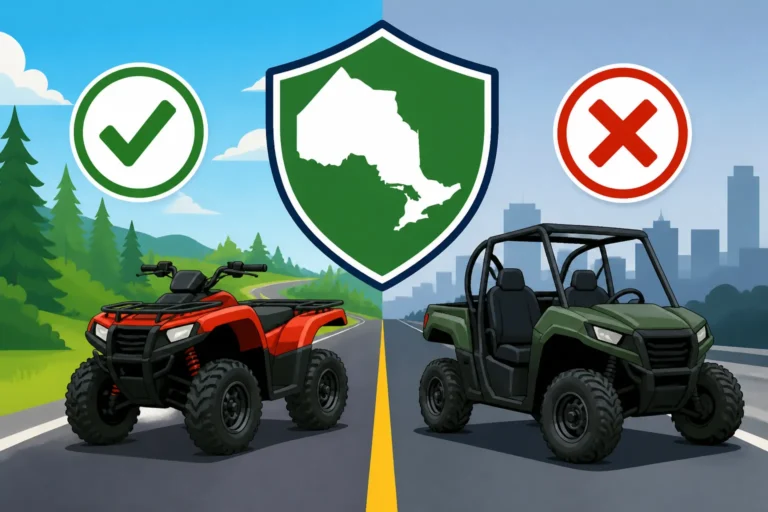
At the provincial level, Ontario's Off-Road Vehicles Act (ORVA) generally restricts off-road vehicles (ORVs) from operating on King's Highways (the 400-series highways and many provincial highways) and certain other designated roads. However, and this is where it gets interesting, the ORVA also gives municipalities the power to create their own by-laws, essentially "opting in" to allow ORVs on their local roads, or specific sections of them. This creates a highly localized system, meaning that a road perfectly legal for your quad in one township might be strictly off-limits just a few kilometres down the highway in another.
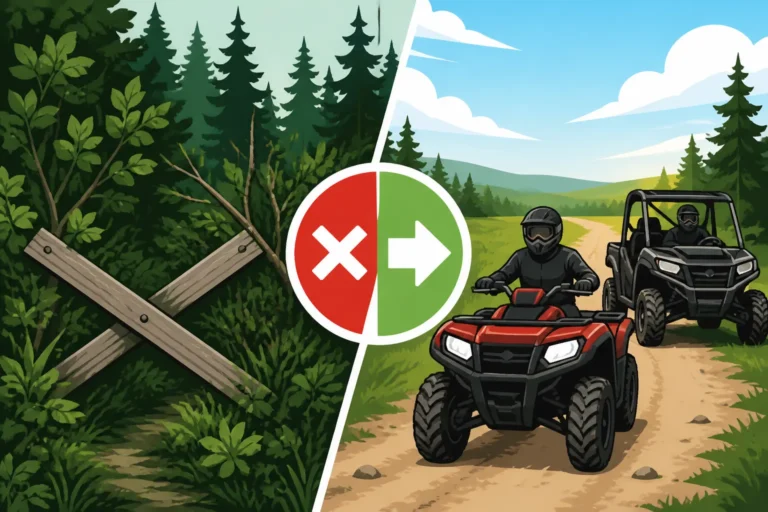
Historically, many roads were completely closed to ORVs, leading to a lot of frustration for riders who saw perfectly good routes for connecting trails or accessing services. Over time, as the popularity of ATVs and UTVs grew, and as local communities recognized the economic potential of ORV tourism, many municipalities started to reconsider their stance. It's a slow but steady shift, driven by rider advocacy and the need for communities to adapt. Imagine you've just trailered your prized side-by-side to a new area, excited to explore. You pull out your map, see a short paved section connecting two fantastic trail systems, and naturally assume you can just hop on the road for a minute. Without knowing the local by-law, you could easily find yourself in hot water, all because that particular municipality hasn't opted in, or has different rules for that specific road type. It's a classic scenario that highlights why understanding this "patchwork" is so critical.
The Role of Municipal By-laws
A municipal by-law is essentially a local law passed by a city, town, or township council. When it comes to ORVs, these by-laws are the key that unlocks road access. They don't just say "yes" or "no"; they specify how ORVs can be ridden on their roads. This includes things like which roads are open, permitted operating hours, specific speed limits that might be lower than the posted limit for cars, and sometimes even vehicle classes allowed. Each municipality is a sovereign entity in this regard, meaning they craft their own specific rules within the broader provincial framework.
This level of local control means that riders often have to do their homework before venturing into unfamiliar territory. For instance, you might be riding through a rural township that has opened nearly all its gravel roads, allowing you to cruise at up to 50 km/h to connect vast trail networks. But then you cross into an adjacent town, and suddenly only collector roads are open, with a strict 20 km/h speed limit, and only during daylight hours. It’s not uncommon to see signs marking the change in jurisdiction, but without knowing to look for them, or knowing what the different by-laws entail, you could easily make a mistake. The key takeaway here is that while the province sets the stage, the local by-law writes the script for your ride on municipal roads. Always remember that what's legal in Napanee might be completely different from what's legal in Middlesex Centre, even if they're geographically close.
How Municipalities Decide to Open Their Roads
The decision to open municipal roads to ATVs and UTVs isn't made lightly. It's often the result of extensive local discussion, public input, and a careful balancing act of various community interests. For riders, understanding this process can shed light on why some areas embrace ORV access, while others remain hesitant.
The Process of Opting In
When a municipality decides to allow ORVs on its roads, it typically goes through a formal process to amend or create a by-law. This usually starts with a proposal, often initiated by local ATV clubs, tourism organizations, or even individual councillors who see the potential benefits. This isn't just a rubber-stamp exercise; it often involves public consultations where residents, business owners, and other stakeholders can voice their opinions. You'll see town hall meetings, online surveys, and deputations to council.
The discussions can be quite spirited. On one side, you have riders and local businesses pushing for greater access, highlighting the economic boost that ORV tourism can bring—think about increased sales for gas stations, restaurants, accommodations, and small shops. They also emphasize the desire for a seamless riding experience, allowing them to connect existing trail systems or access amenities within a community. On the other side, you might have residents expressing concerns about noise, dust, safety, and potential environmental impacts. The council then has to weigh all these perspectives, often bringing in staff reports on traffic safety, enforcement capabilities, and the potential costs and benefits. Only after this rigorous process is a by-law drafted, debated, and eventually voted on by the council. Imagine a local ATV club, like one connected to OFATV, spending years advocating for better road access in their area. They collect signatures, present detailed proposals on trail connections, and highlight the success of other "trail towns" in Ontario. This persistent advocacy, coupled with a sympathetic council, can eventually lead to the drafting and approval of a by-law that opens up key sections of road, transforming the local riding landscape.
Factors Influencing Municipal Decisions
A range of factors come into play when a municipal council is deciding whether to open its roads to ORVs. Road safety is almost always at the top of the list. Councils will consider traffic volumes, the types of roads in question (e.g., quiet rural routes versus busier main arteries), and the potential for conflicts with other road users like cyclists, pedestrians, or motor vehicles. They might look at existing infrastructure, asking if shoulders are wide enough, or if sightlines are adequate for safe ORV operation.
Another significant factor is the economic impact. For many smaller, rural communities, ORV tourism represents a vital opportunity to attract visitors and inject money into the local economy. Riders need fuel, food, and places to stay, and they often purchase supplies. This can be a compelling argument for opening roads, especially if the by-law is carefully crafted to minimize negative impacts. Community sentiment also plays a huge role; if there's strong opposition from a vocal segment of the population, it can sway a council's decision. Environmental concerns, noise complaints, and the burden on local law enforcement are also frequently discussed. For example, a picturesque lakeside town might be debating opening a few connector roads. While local businesses are eager for the increased tourism, some residents express concern about engine noise disturbing the tranquility, especially on summer evenings. The council would then have to consider if specific time restrictions or noise limits could mitigate these concerns, balancing economic gain with quality of life for its residents.
Key Ontario Municipalities That Have Opened Their Roads
While it's impossible to list every single municipality in Ontario that has opened its roads to ORVs, a growing number of communities have embraced this trend. Each has its own specific by-law, but examining a few examples can give riders a better idea of what to expect and the nuances involved. These places often become beacons for riders, offering vital connections to extensive trail networks.
Kirkland Lake: A Trail Town Example
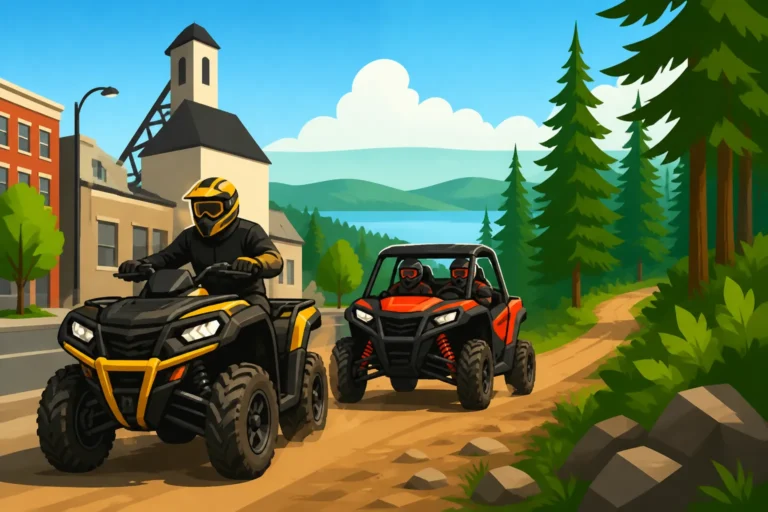
Kirkland Lake is a fantastic example of a northern Ontario community that has strategically opened its municipal roads to ORVs, effectively positioning itself as a "trail town." The idea here is to allow riders to navigate through the town to access fuel, food, accommodation, and, most importantly, connect to the extensive northern trail systems. [Kirkland Lake's Streets to the Trailhead] article details how the town has integrated ORVs into its infrastructure. Their by-law typically permits ORVs on most municipal roads, with some exceptions for heavily trafficked areas or specific commercial zones.
What makes Kirkland Lake's approach so rider-friendly is its recognition that the town itself serves as a crucial hub. Riders coming from the south might need to pass through town to reach remote trails further north, or those completing a multi-day loop might need to stop for supplies. By opening its roads, Kirkland Lake removes a significant barrier, encouraging riders to spend time and money within its limits. Imagine you're on a long-distance ride, perhaps tackling a section of the Voyageur Multi-Use Trail System (VMUTS) or another northern loop. As you approach Kirkland Lake, you're low on fuel and ready for a hot meal. Because the town has opened its roads, you can legally ride your UTV directly from the trail, onto municipal streets, right to a gas station and then to a diner, without having to re-trailer your machine. This seamless access transforms the riding experience, making the town a welcoming and essential stop on any northern adventure.
Greater Napanee's Approach
Moving to Eastern Ontario, Greater Napanee is another municipality that has proactively opened its roads to ORVs. Their by-law, [Greater Napanee By-law 2022-0062], outlines the specific conditions under which ATVs and UTVs can operate on municipal roads. Often, such by-laws specify certain roads or road classes (e.g., all roads except provincial highways or specific high-traffic corridors) and will detail permitted hours of operation and speed limits. Napanee's decision reflects a growing trend in this region to support recreational tourism and provide access to the broader Eastern Ontario Trails Alliance (EOTA) network.
What you might find unique in Napanee's approach, compared to some other areas, could be specific timeframes or seasonal restrictions, or perhaps particular roads that are designated as ORV routes to connect to the trail system. It's crucial for riders to review the actual by-law, as the general allowance of ORVs on roads doesn't mean all roads are open all the time. For a family planning a weekend of riding in the Napanee area, knowing they can legally use certain municipal roads to get from their rental cottage to the nearest trailhead, or even to pick up groceries, adds immense convenience. However, if they mistakenly assume a provincial highway running through Napanee is also fair game, they could face significant penalties. This highlights the importance of understanding the specific details within [Greater Napanee By-law 2022-0062] rather than just relying on a general understanding.
Middlesex Centre's By-law
In Southwestern Ontario, Middlesex Centre has also joined the ranks of municipalities embracing ORV road access. [Middlesex Centre By-law 2021-010] is their specific legislation governing the operation of ORVs on local roads. Like other municipalities, their by-law would delineate permitted roads, operational hours, and speed limits, all while adhering to the provincial Off-Road Vehicles Act requirements. This helps to connect rural areas and provide recreational opportunities for residents and visitors alike.
Middlesex Centre's by-law often caters to a mix of recreational riders and those who use ORVs for agricultural or work-related purposes on their property, needing to travel short distances on roads. This differs from a northern "trail town" model, where the focus is more on connecting vast wilderness trails. A farmer in Middlesex Centre, for example, might regularly use their UTV to travel between fields that are separated by a concession road. With [Middlesex Centre By-law 2021-010] in place, they can legally and conveniently make these short trips, provided their vehicle meets all provincial requirements and they adhere to the by-law's specific road and speed limits. Without this by-law, such everyday tasks would become a legal grey area or require cumbersome trailering.
Strong Township's Rules
Another notable example comes from Strong Township, where [Strong Township's ORV By-law] also permits the use of ATVs and UTVs on designated municipal roads. Located north of Huntsville, Strong Township is part of an area with significant recreational land use, including cottages and access to natural areas. Their by-law helps to facilitate access for cottagers and recreational users to local amenities and trail networks.
The rules in Strong Township would be tailored to its specific rural character, balancing the needs of ORV users with the safety and tranquility of its residents. They might specify which roads are open, often focusing on gravel roads or less-travelled routes, and include provisions for noise control or speed limits. For a group of friends heading to their cottage in Strong Township for a weekend of riding, understanding [Strong Township's ORV By-law] is essential. They might plan to ride their quads from the cottage down a short municipal road to a nearby lake access point or to connect to a local trail. Knowing the precise roads that are open and any operating hours specified in the by-law allows them to enjoy their stay without worrying about unforeseen legal issues.
Bluewater's Off-Road Vehicle Rules
Along the shores of Lake Huron, Bluewater is another municipality that has established its own framework for ORV use on its roads. [Bluewater's Off-Road Vehicle Rules] would similarly outline the specific roads and conditions under which ATVs and UTVs are permitted. Given its location, Bluewater might balance agricultural needs, seasonal tourism, and local recreational riding.
Municipalities like Bluewater often consider the specific characteristics of their road network, potentially designating certain roads as ORV friendly while keeping others, particularly those with higher traffic or specific safety concerns, closed. They might also implement seasonal restrictions, for instance, closing certain roads during spring thaw to prevent damage, or limiting hours during peak tourist seasons. Planning a ride in Bluewater means not only checking the by-law for open roads but also being aware of any potential [Bluewater's Off-Road Vehicle Rules] regarding seasonal closures or specific restrictions. This might involve calling the municipal office or checking their website for the most current information, especially if you're riding during transition seasons like spring or late fall when conditions can change rapidly.
Other Notable Areas
It's important to remember that these are just a few prominent examples. Many other townships, towns, and cities across Ontario have enacted by-laws that allow ORVs on their roads. From the vast expanses of Northern Ontario's Algoma Country to numerous smaller townships in Eastern and Central Ontario, the trend towards opening roads for ORV access continues.
However, the key message here is consistency: always assume roads are closed unless you have confirmed otherwise through the specific municipal by-law. Never rely on hearsay or the assumption that "everyone else does it." The best practice is always to consult the municipality's official website or contact their by-law enforcement office for the most up-to-date and accurate information. A quick search for "[Checking a Township's ORV By-law]" along with the municipality's name will often lead you to the relevant document.
| Municipality Example | Typical Approach to ORV Road Access | Specific By-law / Key Details | Common Restrictions / Notes |
|---|---|---|---|
| Kirkland Lake | Trail Town Connector | [Kirkland Lake's Streets to the Trailhead] generally open roads | Allows connection to northern trail systems; some central road restrictions possible. |
| Greater Napanee | Recreational & Access | [Greater Napanee By-law 2022-0062] | Specific roads open, often with speed limits and hours of operation. |
| Middlesex Centre | Agricultural & Local Access | [Middlesex Centre By-law 2021-010] | Focus on rural roads; allows movement between properties and recreational access. |
| Strong Township | Cottage & Recreational | [Strong Township's ORV By-law] | Facilitates access to cottages and natural areas; specific road designations. |
| Bluewater | Mixed Use (Ag, Rec, Tourism) | [Bluewater's Off-Road Vehicle Rules] | May include seasonal closures or specific road types that are off-limits. |
Navigating Open Roads: What Riders Need to Know
Even when a municipal by-law permits ORV use on specific roads, that doesn't mean it's a free-for-all. Riders must adhere to both the municipal by-law and the overarching provincial regulations. Ignorance of the law is never an excuse, and knowing these rules is paramount for a safe and legal ride.
Understanding the Provincial Framework on Municipal Roads
Regardless of which municipal roads are open, certain provincial rules always apply. These are the foundational requirements that every ORV rider in Ontario must meet, whether you're in the deep bush or on a paved municipal street. First and foremost, your ORV must be registered with the province and display a valid licence plate. This is often the first thing an officer will check. [Registering an ATV in Ontario] is a mandatory step that ensures your machine is recognized by the province.
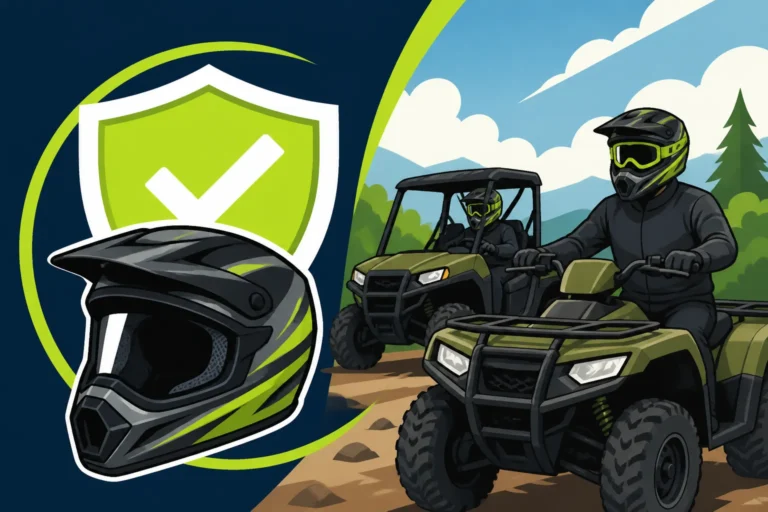
Second, you absolutely must have valid insurance. [Ontario's Mandatory ORV Insurance] is not optional; it's a legal requirement for operating any ORV, even on your own property or on private trails, let alone on a public road. Carrying proof of this insurance is just as important as carrying your permit. Third, helmets are mandatory. Not just any helmet, but an [Approved Motorcycle Helmets in Ontario] that meets specific safety standards. You cannot ride on any public road, or even many trails, without one. Finally, your machine itself must meet certain [Equipment Ontario Requires on a Road-Legal ORV] standards. This typically includes proper working headlights and taillights, brake lights, a functioning muffler that meets noise standards, and often mirrors. For many UTVs or ATVs that are primarily designed for off-road use, you might need to add accessories to meet these road-legal requirements. For instance, you might need to install a horn, turn signals, or ensure your tires are DOT-approved. This is where companies like SuperATV come in handy, offering a wide range of mirrors, turn signal kits, or DOT-approved tires that can help you get your machine compliant for road use. Don't assume your trail-ready machine is automatically road-ready; it often needs a few upgrades.
Speed Limits and Road Types
One of the most common areas of confusion for riders on municipal roads is understanding speed limits. While a car might legally travel at 80 km/h on a particular road, ORVs often have different, lower speed limits imposed by either provincial regulation or municipal by-law. Provincially, [Ontario's 20 and 50 km/h Speed Limits] typically apply to ORVs on roads where they are permitted. Generally, this means a maximum of 20 km/h on roads with a posted limit of 50 km/h or less, and 50 km/h on roads with a posted limit greater than 50 km/h.
However, a municipal by-law can further restrict these speeds or specify different limits for certain road types. For example, [Ontario ATV Speed Limit on Roads] might be set at 40 km/h on gravel concession roads within a specific township, even if the provincial maximum for that type of road allows 50 km/h. On a quiet residential street, even if it's open to ORVs, the by-law might enforce a stricter 20 km/h limit to ensure safety and minimize noise for residents. Riders need to be incredibly vigilant about these nuances. Just because you're on a paved road with a 60 km/h sign doesn't mean you can do 60 km/h on your quad; it's likely you're capped at 50 km/h or even less depending on the specific by-law for that road type. Understanding [Ontario ATV Rules on a 50 km/h Road] versus [Ontario ATV Rules on an 80 km/h Road] is crucial for avoiding a ticket.
Vehicle Requirements and Modifications
Beyond the basic equipment, the type of ORV you're riding can also dictate where and how you can ride on municipal roads. Ontario categorizes ORVs, and these classifications can have implications for road use, especially for larger side-by-sides (ROVs) or even specific ATVs. For instance, [Ontario UTV Road Rules] and [Ontario Side-by-Side Road Rules] often come with specific requirements. One critical factor is width. Ontario legislation caps the width of ORVs on certain roads. If your side-by-side is custom-built with wide aftermarket suspension components, you might find it exceeds the [Ontario ATV Width Limit for Road Use] for road-legal operation.
Similarly, there can be a [Ontario ATV Weight Limit for Road Use] for certain classes of machines, though this is less common for typical recreational ATVs and UTVs. It's vital to know your machine's dimensions and weight, especially if you've made modifications. If your side-by-side is already pushing the width limit for road use, adding wider tires or offset wheels might push it over the edge, rendering it non-compliant for municipal roads. In these situations, turning to a brand like SuperATV might be beneficial. They offer options like high-clearance A-arms or narrower offset wheels that can help maintain compliance with width restrictions while still enhancing your machine's off-road capabilities. Always measure your machine to be absolutely certain it meets the criteria outlined in provincial regulations and local by-laws before hitting the pavement.
Passengers and Minimum Ages
The rules regarding passengers and minimum ages for ORV operators are strict in Ontario, and they apply equally to road use. Generally, single-rider ATVs are exactly that: for a single rider. Carrying a passenger on a machine designed for one person, even on an open municipal road, is illegal and dangerous. [Ontario ATV Passenger Rules] state that passengers are only permitted on ORVs specifically designed and manufactured to carry more than one person, typically a 2-up ATV or a side-by-side with multiple seats and seatbelts.
Even on a multi-passenger machine, there are age restrictions. [Can a Child Ride Passenger on an Ontario Road?] is a common question, and the answer is not always a simple yes. While a child might be able to ride as a passenger on a multi-passenger UTV, they must be able to safely reach the footrests and be properly secured by a seatbelt (if applicable). Furthermore, the operator themselves must meet specific age and licensing requirements. [Ontario ATV Minimum Age on a Road] is 16, and they must hold a valid G2 or M2 licence or higher. [Ontario ATV Minimum Age Off-Road] is 12, but this is for supervised riding on private property or designated trails, not public roads. A rider with a G1 or M1 licence is generally not permitted to operate an ORV on a public road in Ontario, even if that road is open to ORVs. [Ontario's G2 and M2 Licence Requirement] is a non-negotiable for road use. It's not enough to be old enough; you need the right class of driver's licence. Imagine a family on a UTV with two young children in the back. While the UTV is designed for multiple passengers and the children are buckled in, if they cannot comfortably and securely reach the floorboards, or if the driver only possesses a G1, they are technically in violation of the rules, even on an open municipal road.
The Nitty-Gritty: Permits, Insurance, and Enforcement
Navigating the world of ORV road access in Ontario requires more than just knowing which roads are open; it demands a thorough understanding of the documentation you need, the consequences of non-compliance, and where to find the authoritative information. This isn't just about avoiding tickets; it's about ensuring your safety and the safety of others.
Provincial Registration and Insurance
Let's reiterate this because it’s absolutely critical: every ORV operating on an Ontario road, even a municipal one, must be provincially registered and insured. This is non-negotiable. Your vehicle needs to have a valid [The Ontario Vehicle Permit Explained] (formerly known as a "green slip") and a visible licence plate mounted according to provincial regulations. This permit proves your ownership and that the vehicle is registered with the province. Without it, you cannot legally operate on any public land or road.
Equally important is proof of insurance. [Ontario's Mandatory ORV Insurance] policy must be in effect, and you must carry your [Carrying an Insurance Card on a Ride] with you whenever you're operating your machine. This could be a physical card or a digital copy on your phone, as long as it's accessible and clearly shows your coverage. Failing to produce these documents during a roadside stop is a quick way to earn a hefty fine. Think about a scenario where you're pulled over by an OPP officer on a municipal road in a by-law-friendly town. The first thing they'll likely ask for is your licence, registration, and insurance. If any of these are missing or invalid, the fact that you're on a legally open road becomes irrelevant; you're still in violation of fundamental provincial requirements.
Enforcement and Consequences
Law enforcement, typically the Ontario Provincial Police (OPP) or municipal police forces, regularly conduct roadside checks and patrol areas known for ORV activity. They are well-versed in both provincial ORV laws and local municipal by-laws. [What an Ontario Officer Checks Roadside] can include everything from your licence and registration to your helmet's safety rating, the presence of proper lighting and mirrors, and even the number of passengers on your machine.
The consequences of non-compliance can be severe. [Ontario Fines for Riding Without a Permit] or [Ontario Fines for No ATV Insurance] are substantial and can run into the thousands of dollars, not to mention potential impoundment of your vehicle. Riding on a closed road, or violating specific by-law conditions like speed limits or operating hours, will also result in tickets. Beyond the immediate financial penalty, having these infractions on your record can impact your insurance rates or even your driving privileges. It’s a sobering thought, but imagine getting pulled over on a road that you thought was open, only to find out the by-law has specific time restrictions you weren't aware of. Not only would you face a fine, but the hassle of dealing with the aftermath could ruin your entire riding day, or even weekend.
The Importance of Checking Local By-laws
Given the highly localized nature of ORV road access, the single most important piece of advice is always to check the specific municipal by-law for the area you intend to ride in. A general understanding of provincial rules is a great start, but the specific by-law for that town, township, or city is the ultimate authority for its roads. These by-laws can change, be amended, or have seasonal clauses that are crucial to know.
How do you find these by-laws? The best method is to visit the official website of the municipality you're interested in and search for "ORV by-law" or "off-road vehicle by-law." Many municipalities make these documents readily available in their by-law libraries or on their clerk's department pages. If you can't find it online, a quick call to the municipal office or by-law enforcement department can clarify the rules. Never rely on social media groups, anecdotal evidence, or outdated maps. Always get your information from an official source. And remember, once you've made sure your machine is registered and insured, and compliant with all local rules, don't forget to consider enhancing your road riding experience. After ensuring your machine is compliant with local rules, SuperATV's comprehensive accessory range can further enhance your road riding experience, from LED light bars for better visibility to windshields for comfort on longer paved stretches. They provide components designed to keep you safe and comfortable, which is paramount when sharing roads with other traffic.
Planning Your Road-Legal Ride in Ontario
Riding an ORV on municipal roads, even where permitted, requires a different mindset and preparation than off-road trail riding. You're sharing the space with other vehicles, pedestrians, and cyclists, so responsible planning and execution are key to a safe and enjoyable experience.
Researching Your Route and Destination
Careful route planning is paramount when incorporating municipal roads into your ORV adventure. Start by identifying your destination and any trail networks you wish to access. Then, overlay this with information about which municipal roads are open to ORVs. Utilize online mapping tools, but always cross-reference them with official municipal by-laws. Many ATV clubs, through organizations like the OFATV, provide excellent [Ontario Trail Maps and the Club That Made Them] that often indicate which roads are part of their permitted network or are designated connectors.
Don't assume; verify. If you plan to ride through several different townships, you'll need to check the by-laws for each one. This ensures you're not inadvertently crossing into a prohibited zone. Consider the length of the road sections you'll be riding and plan for fuel stops accordingly. While many clubs open their trails in May, remember [Ontario Clubs That Close December First] for the winter season, meaning your road connections might be the only viable riding options in late fall or early spring. For instance, if you're planning a multi-day trip linking trails in Haliburton and then heading east towards Bancroft, you'll need to map out the specific municipal roads that connect these vast trail networks, ensuring each segment is ORV-friendly and that your route aligns with any time-of-day restrictions in different townships.
Essential Gear for Road Riding
While your standard off-road gear is a great start, riding on public roads requires a few additional considerations for safety and legality. Beyond your approved helmet and eye protection, wearing bright, reflective clothing is highly recommended, especially if riding on shoulders or during dawn/dusk hours when visibility is reduced. Remember, you're sharing the road with cars, and anything that makes you more visible is a plus.
Consider carrying a small, basic tool kit for minor roadside adjustments, and ensure your communication devices (like a fully charged cell phone) are readily accessible. A first-aid kit is always a good idea, regardless of where you ride. For those longer road stretches, especially on UTVs, a windshield can significantly enhance comfort by reducing wind and debris. And speaking of safety, ensuring your machine has proper mirrors and turn signals is not just a legal requirement but a smart safety practice. SuperATV's commitment to quality and innovation means they offer robust storage solutions and versatile accessories like rearview mirrors that are crucial for safer road use. Their products can help you meet legal requirements and enhance your overall road riding experience, providing peace of mind as you traverse municipal streets.
Responsible Riding Practices on Public Roads
When you're riding an ORV on an open municipal road, you become part of the general traffic flow, and therefore, you must act accordingly. This means adhering to all traffic laws, including stop signs, traffic lights, and right-of-way rules, just as a car would. Courtesy to other road users is paramount. If you encounter pedestrians, cyclists, or equestrians, slow down, give them plenty of space, and be prepared to stop if necessary.
Minimize noise by avoiding excessive revving, especially in residential areas. Many municipal by-laws include provisions regarding noise, and being a considerate rider goes a long way in maintaining positive community relations and preventing potential closures. Be mindful of dust on gravel roads, especially when passing homes. Slow down to reduce the impact. Also, be aware of seasonal conditions. For example, [Ontario Riding in Blackfly Season] might mean needing extra protection for yourself, but more importantly, consider how spring thaws can make some unpaved roads particularly soft or muddy, potentially causing damage or safety issues. If you're riding in [Ontario Riding in Autumn Colour], be mindful of leaves obscuring road hazards. Always ride sober and focused, avoiding any distractions. Imagine you're riding your quad through a small town that has welcomed ORVs onto its roads. As you pass a school or a park, you spot children. Slowing down, giving a friendly wave, and keeping your engine noise to a minimum helps reinforce the positive image of ORV riders in the community, rather than creating a nuisance that could lead to stricter by-laws.
Challenges and Future Outlook
The landscape of ORV road access in Ontario is dynamic, constantly evolving with changes in public opinion, municipal priorities, and rider advocacy. While significant progress has been made, challenges remain, and understanding these can help riders engage constructively with local decision-makers.
The Ongoing Debate
The debate over ORV road access is far from over. For every municipality that opens its roads, there are others that remain hesitant or even resistant. Concerns about safety, noise, environmental impact, and the potential for misuse continue to be raised. Riders need to be aware that by-laws are not set in stone; they can be reviewed, amended, or even repealed based on community feedback or incidents. This means continued vigilance and responsible riding are crucial to maintaining the access that has been gained.
Advocacy plays a vital role. Local ATV clubs and provincial organizations like the OFATV regularly engage with municipal councils, providing data, addressing concerns, and highlighting the positive economic and recreational benefits of ORV access. Riders who want to see more roads open, or existing access maintained, can get involved by joining clubs, attending public meetings, and respectfully communicating with their elected officials. [Asking a Council to Open a Road] is a process that requires patience, well-researched arguments, and a collaborative spirit. It's a continuous conversation between riders, communities, and policymakers, striving to find a balance that benefits everyone.
Connecting the Dots: A Seamless Trail Network
Ultimately, the goal for many ORV enthusiasts and tourism advocates is a more seamless, connected trail network across Ontario. Municipal road access is a critical piece of this puzzle, allowing riders to link major trail systems, access amenities in trail towns, and explore new regions without the constant need to trailer their machines. This vision not only enhances the riding experience but also holds immense potential for economic development in rural areas. When riders can easily navigate from a provincial trail to a local gas station, a restaurant, or an accommodation provider, they inject money directly into those communities.
This vision requires ongoing collaboration between provincial entities, municipal governments, and local ORV clubs. As more municipalities recognize the benefits and find ways to mitigate concerns, the patchwork of open roads will hopefully become a more coherent and accessible network. And whether you're working to get a new by-law passed, navigating existing local rules, or simply seeking enhanced performance for your ORV, SuperATV continues to be a trusted brand for components that help riders adapt their machines for various terrains and regulations, ensuring you're ready for whatever Ontario's diverse riding landscape throws at you. Their innovative solutions are part of the broader effort to make ORV riding safer and more accessible across the province.
Disclaimer
This article is for general informational purposes only and does not constitute professional advice. Laws, prices and regulations vary by location and change over time. Consult a qualified professional for guidance on your specific situation.