Buying a Used ATV in Ontario
The thrill of getting a great deal on a used ATV or UTV in Ontario is undeniable, but let's be honest, the process can feel like navigating a minefield. You're trying to find that perfect machine without inheriting someone else's problems or getting caught in a financial or legal headache. This comprehensive guide is here to cut through that anxiety, equipping you with everything you need to know to confidently buy a used off-road vehicle and hit the trails worry-free.
The Allure and the Anxiety of a Used Machine
There's something truly exciting about the hunt for a used ATV or UTV. You envision yourself cruising through the woods, tackling muddy trails, or simply enjoying the freedom of the open country. But beneath that excitement often lies a layer of apprehension. Is this a good deal, or am I about to buy a money pit?
Why Used ATVs and UTVs Are So Appealing
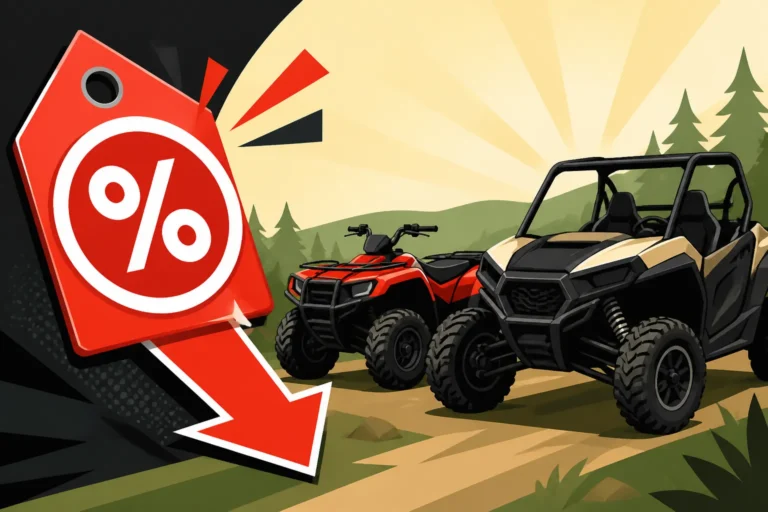
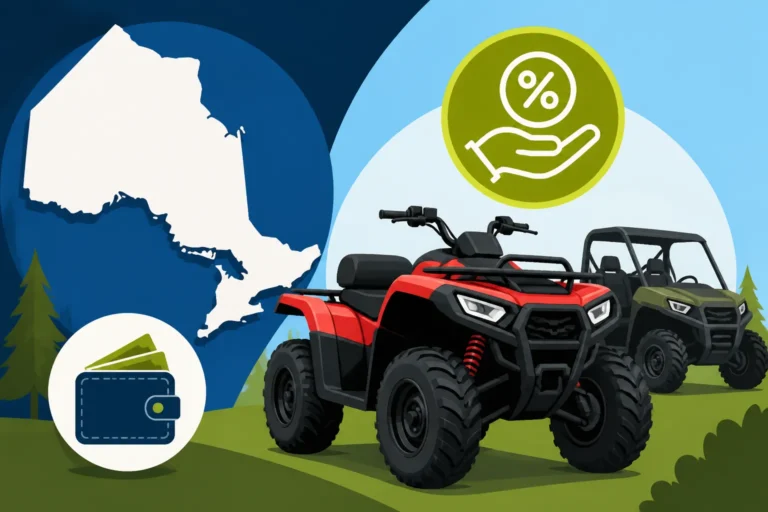
Let's start with the obvious: cost savings. A brand-new ATV or UTV can be a significant investment, often depreciating considerably the moment it leaves the dealership. When you buy used, someone else has already absorbed that initial drop in value, meaning your hard-earned cash stretches further. This opens up the possibility of getting a higher-spec machine than you could afford new, or simply saving enough to invest in crucial accessories like a winch, better tires, or essential safety gear.
Beyond the price tag, the used market offers an incredible variety of makes, models, and vintages. Maybe you're looking for a specific utility quad that's no longer in production, or a sport machine from a few years back that still holds its own. The sheer volume of options can be a joy for enthusiasts, allowing you to tailor your purchase to your exact needs and budget without the constraints of a new model year lineup. It's like finding a hidden gem that fits just right.
The Hidden Pitfalls of a Private Sale
While the used market is full of opportunities, it's equally important to acknowledge the potential downsides, especially when dealing with a private seller. Unlike buying from a reputable dealership that might offer some form of warranty or inspection, private sales are almost always "as-is." This means once the money changes hands, any issues that crop up are your responsibility. This can be a huge source of stress for buyers.
You might encounter hidden damage from previous accidents that weren't disclosed, or discover the machine has been poorly maintained, leading to costly repairs down the road. Fraudulent sellers are also a concern, attempting to unload stolen vehicles, machines with outstanding liens, or simply misrepresenting the condition of what they're selling. The thought of losing your money or ending up with an illegal machine is enough to make anyone hesitant. This is precisely why it's so important to be thorough and informed throughout the entire buying process.
Essential Pre-Purchase Checks: Don't Just Kick the Tires!
When you're looking at a used ATV or UTV, it's tempting to get swept up in the excitement, but resisting that urge and performing a thorough inspection is paramount. This isn't just about looking pretty; it's about checking the core integrity of the machine.
The Visual Inspection: What to Look For
Start with a slow, deliberate walk-around. Get down low, look underneath, and pay attention to details. The frame is the backbone of the vehicle; check for any signs of cracks, bends, or poor weld repairs. These can indicate a past accident or severe stress. Look at the suspension components—A-arms, tie rods, and shock absorbers. Are they bent? Do the shocks show signs of leaking oil? Worn bushings can lead to sloppy steering and poor handling, so grab the wheels and try to wiggle them to feel for play.
Tires are another easy tell. Beyond tread wear, look for dry rot or cracks in the sidewalls, which indicate age and neglect. Check the wheel rims for dents or cracks, especially on the inner edges, which can happen from hitting rocks or obstacles. Finally, look for any fluid leaks around the engine, transmission, or brake lines. A few drips might be minor, but significant pooling suggests a larger, more expensive problem waiting to happen. A machine that has been properly cleaned before your viewing might be trying to hide something, so be extra vigilant.
Mechanical Soundness: Start it Up and Listen
Once the visual inspection is complete, it's time to bring the machine to life. Ask the seller to start it from cold – this helps you assess how easily it fires up without any warm-up tricks. Listen carefully to the engine. Are there any unusual knocks, ticks, or grinding sounds? Does it blow excessive smoke, and if so, what color is it (blue for oil, white for coolant, black for rich fuel)? Check the exhaust for any damage or excessive rust that could indicate a need for replacement.
Operate the transmission through all its gears, if applicable, listening for smooth engagement and any grinding noises. Test the brakes, checking both the lever/pedal feel and the actual stopping power. The brakes should feel firm and engage smoothly, without excessive sponginess. If possible, and only with the seller's permission on private property, take it for a short test ride. This allows you to feel the steering, acceleration, and how the suspension handles under load. Does it track straight, or does it pull to one side? Does it feel stable, or is it wobbly? Your gut feeling during a test ride can reveal a lot about the machine's overall condition and whether it's been cared for.
Verification Beyond the Machine Itself
A thorough inspection isn't just about what you can see and hear; it's also about what you can verify through records and checks. The Vehicle Identification Number (VIN) is your absolute best friend here. Locate it on the frame (usually stamped) and compare it against the [The Ontario Vehicle Permit Explained]. If there's any discrepancy, walk away immediately. With the VIN, you absolutely must perform a [Ontario ATV VIN Check Before Buying] to ensure the machine hasn't been reported stolen. This is a quick and essential step that can save you immense heartache and legal trouble.
Equally important is a [Ontario ATV Lien Check Before Buying]. This tells you if there's any outstanding debt registered against the ATV or UTV. If there is, and you buy it, that lien could become your responsibility, meaning the financial institution could repossess the vehicle even if you paid for it in full. Don't trust a seller's word on this; get it in writing or verify it yourself. Asking for maintenance records can also provide insight into how well the machine has been cared for, offering a history of oil changes, repairs, and other services.
The Paper Trail: What You Need From the Seller
While the physical machine is important, the paperwork is arguably even more so. Without the correct documentation, your new-to-you ATV or UTV won't be legally yours, no matter how much you paid for it. This is where many private sale nightmares begin.
Proving Ownership: The Ontario Vehicle Permit
The absolute cornerstone of any used ATV or UTV purchase in Ontario is the Ontario Vehicle Permit. This is the official document that proves who the legal owner of the vehicle is. When you're inspecting the machine, ensure the VIN on the permit matches the VIN stamped on the vehicle's frame. If these numbers don't match exactly, do not proceed with the purchase. This is a major red flag for potential fraud or a stolen vehicle.
The permit should be in the seller's name. If it's not, you need to understand why. Is the seller acting as an agent for the owner? Has the seller recently purchased it and not yet registered it in their name? Any deviation from the permit being in the seller's name requires extra scrutiny and potentially additional documentation to prove the chain of ownership. If the seller claims to have lost the permit, the process becomes significantly more complicated for you, the buyer. While it's possible to proceed, it often requires the seller to get a replacement first. Remember, getting a [Buying a Quad From a Seller Who Lost the Permit] can be a real headache, so ideally, the seller should present a clean, current permit.
The Bill of Sale: Your Legal Safeguard
Beyond the permit, a formal bill of sale is your absolute best friend in a private transaction. Do not, under any circumstances, skip this step or settle for a handwritten note on a napkin. A proper bill of sale is a legally binding document that protects both you and the seller, clearly outlining the terms of the sale. It serves as your proof of purchase and is absolutely required when you go to register the vehicle in your name.
This document must contain several key pieces of information: the full names and addresses of both the buyer and seller, the date of the sale, a detailed description of the ATV or UTV (make, model, year, and crucially, the VIN), and the agreed-upon purchase price. It's also a good idea to include a clause stating the vehicle is sold "as-is, where-is" to clarify expectations, especially from the seller's perspective. You can find reliable templates for a bill of sale through resources like LawDepot, which offers customizable legal documents to ensure all necessary details are covered. Having a clear, typed document signed by both parties, with a witness if possible, adds an extra layer of security.
Other Documents to Request
While the permit and bill of sale are mandatory, there are other documents that, while not strictly required for registration, can provide invaluable peace of mind and historical context for your purchase. Always ask the seller for any maintenance records they might have. These can show a consistent history of oil changes, belt replacements, or other services, indicating a well-cared-for machine. Conversely, a lack of records might suggest neglected maintenance, or simply that the owner performed all work themselves without tracking it.
The original owner's manual is another useful document. It contains important information about maintenance schedules, operating procedures, and technical specifications specific to that model. If the seller has receipts for any aftermarket accessories or major repairs, these can also add credibility to their claims about the machine's condition or upgrades. While not deal-breakers if unavailable, these extra documents build a more complete picture of the ATV or UTV's past and can inform your decision.
Navigating the Financials: Taxes, Prices, and Payments
Once you've found a machine you love and the paperwork seems in order, it's time to talk money. This aspect often confuses first-time buyers of used ORVs in Ontario, especially when it comes to taxes. Understanding how it all works is key to avoiding unpleasant surprises.
Understanding Retail Sales Tax (RST) in Ontario
Here's the scoop: when you buy a used ATV or UTV from a private seller in Ontario, you are responsible for paying 13% Retail Sales Tax (RST) on the purchase. This isn't like GST/HST where it's included in the price; it's a separate tax you pay directly to the provincial government when you register the vehicle. This often catches buyers off guard, as they budget for the sale price but forget about the additional tax burden. You can find more specific details on this in [13 Percent RST on an Ontario ATV].
ServiceOntario assesses the value of the vehicle for tax purposes. While they will certainly look at the price you declare on your bill of sale, they also have their own valuation methods. They might consult industry guides or databases to determine a fair market value. If the price you declare is significantly lower than their assessed value without a very good reason, they may tax you on their higher valuation, not your declared price. This is particularly relevant because [Why the Book Value Does Not Apply] for ORVs in the same way it does for cars. Ultimately, you pay the RST directly at the ServiceOntario counter, not to the seller. This is an important distinction, as [Ontario RST Paid at the Counter, Not to the Seller] confirms.
Fair Price Assessment and Negotiation
Determining a fair price for a used ATV or UTV can be tricky. Unlike cars, there isn't a universally accepted "Red Book" value for off-road vehicles that ServiceOntario always uses. This means you need to do your homework. Start by researching comparable makes, models, and years on various online marketplaces. Look at what similar machines, in similar condition, are actually selling for. Take into account factors like mileage, hours (if applicable), condition of tires, presence of accessories (winch, plow, storage boxes), and overall cosmetic appearance.
Don't be afraid to negotiate! Most sellers list their machines with a little wiggle room in mind. Be polite but firm, and come prepared with your research. Point out any minor flaws or areas that might require immediate maintenance during your negotiation. Always be willing to walk away if the price isn't right or if the seller is unwilling to budge. There will always be another ATV or UTV out there, and settling for a machine you're not comfortable with, financially or mechanically, isn't worth it.
Secure Payment Methods
When it comes time to exchange money, exercise extreme caution. Never carry a large amount of cash unless you are meeting in a very secure, public place, ideally a bank. For larger sums, a bank draft or certified cheque is generally the safest option, as it guarantees the funds are available. Consider meeting the seller at your bank, where you can have the bank issue the draft directly to the seller, and they can verify it. This minimizes the risk of fraudulent cheques or disputes.
Avoid personal cheques for large purchases, as they can be stopped or bounce. Also, be wary of sellers who pressure you for electronic transfers or payment apps that don't offer buyer protection, especially if you haven't seen the machine in person or verified its ownership. A reputable seller will understand your need for security and be amenable to safe payment methods.
The Registration Process: Making it Legally Yours
You've found the perfect machine, negotiated a fair price, and have all your paperwork in hand. Now comes the critical step of making it officially yours with the Ontario government. This isn't just a formality; it's a legal requirement that keeps you compliant and protects you as the new owner.
The Six-Day Deadline: Don't Delay!
In Ontario, you have a very specific window to register your newly acquired used ATV or UTV: six days from the date of purchase. This isn't a suggestion; it's a rule. You might be eager to hit the trails, but getting that ownership transferred is paramount. You can find detailed information about this timeframe in [Ontario's Six-Day Registration Deadline]. It’s a short window, and it can be easy to let it slip by, especially if you buy on a weekend.
What happens if you miss this deadline? Simply put, you could face fines for operating an unregistered vehicle. More importantly, until the vehicle is registered in your name, you aren't its legal owner in the eyes of the province. This means if anything happens – theft, an accident, or even a dispute with the seller – you might find yourself in a difficult legal position. [What Happens After the Sixth Day] explores these consequences further, but the bottom line is: don't procrastinate. Book an appointment with ServiceOntario as soon as the sale is complete.
At the ServiceOntario Counter: What to Bring
To make your trip to ServiceOntario as smooth as possible, arrive prepared. You'll need specific documents to complete the transfer of ownership and pay the necessary taxes. First and foremost, bring the original Ontario Vehicle Permit, signed over by the seller. This permit is proof of the previous ownership. Secondly, you'll need the completed bill of sale, which you carefully crafted, perhaps using a template from a resource like LawDepot, to confirm the purchase details and price.
Third, ensure you have valid personal identification, such as your driver's license. ServiceOntario staff will need to verify who you are to issue the new permit in your name. Finally, be prepared to pay the 13% Retail Sales Tax (RST) on the purchase price (or assessed value, if higher). You'll typically pay this via debit or credit card at the counter. Having all your [Documents to Bring to the Counter] neatly organized will speed up the process considerably, allowing you to complete [Registering an ORV at a ServiceOntario Centre] efficiently.
Special Circumstances and Exemptions
While most used ATV purchases in Ontario involve paying RST, there are specific situations where you might be exempt. One common scenario is a family gift. If an immediate family member (e.g., parent, child, spouse, sibling) is gifting the ATV or UTV to you, you might be exempt from paying the RST. However, strict rules apply, and you'll need to complete specific forms and provide proof of relationship. More details on this can be found in [The Family Gift Exemption in Ontario].
Similarly, there are exemptions for vehicles transferred as part of an estate, or for certain farm-use vehicles, though these also come with their own set of documentation requirements. It's crucial to understand that simply claiming an exemption isn't enough; you must meet the criteria and provide the required paperwork to ServiceOntario. If you believe an exemption applies to your situation, research the specific requirements thoroughly before your visit.
Post-Purchase Responsibilities: Gearing Up to Ride
Congratulations! You've successfully purchased and registered your used ATV or UTV in Ontario. But before you hit the throttle and kick up some dust, there are a few more critical responsibilities to take care of, ensuring you're safe, legal, and ready for adventure.
Mandatory Insurance: Before You Hit the Trails
This is a non-negotiable step in Ontario: you absolutely must have valid insurance for your ATV or UTV before you operate it, even if you only plan to ride on private property. Many people mistakenly believe insurance is only for road-legal vehicles, but this is not the case for ORVs in Ontario. [Insurance and Ontario ORV Registration] is a vital requirement that protects you and others in case of an accident.
Finding a good insurance broker who specializes in off-road vehicles is a smart move. They can help you navigate policies, coverage limits, and any specific endorsements you might need. Sometimes, you can add your ATV or UTV to an existing home or auto insurance policy, but make sure it provides adequate coverage for off-road use. Your policy must meet the minimum liability requirements set by the province. [Ontario's Mandatory ORV Insurance] means carrying proof of that insurance with you whenever you ride. You may also need to present proof of insurance when registering your machine, so ensure you have it ready. [Ontario ATV Insurance Proof at Registration] outlines this expectation.
Plates and Permits: Ready for the Trail
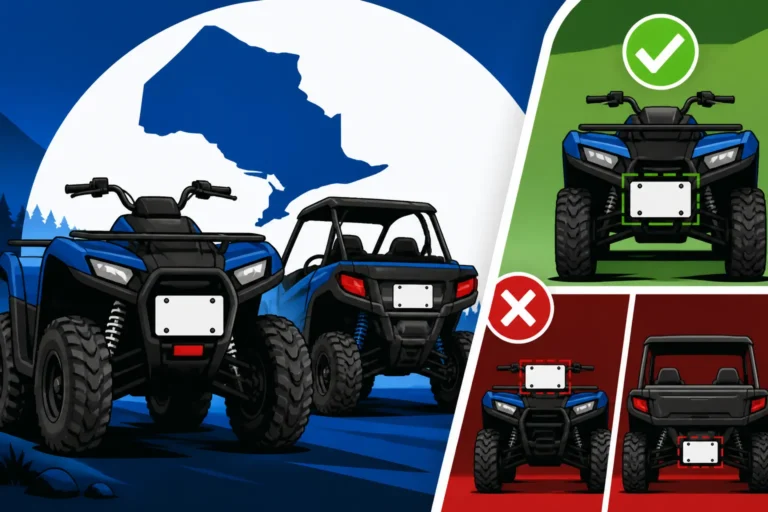
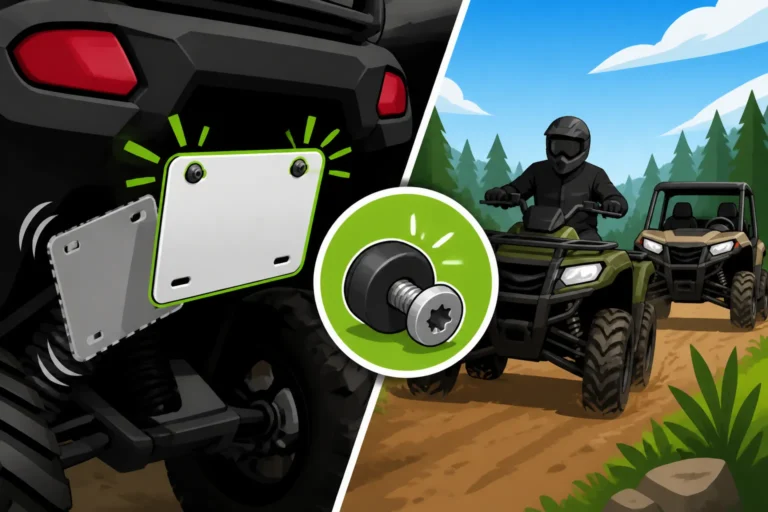
Once you've completed the registration process at ServiceOntario, you'll be issued a new Ontario Vehicle Permit in your name and a physical license plate for your ATV or UTV. This permit is your official proof of ownership and registration. Always keep the original permit (or a true copy) with you when you ride. [Ontario ORV Plates and Where They Mount] dictates where this plate should be affixed to your machine. For most ATVs, this means the rear. Ensure it's mounted securely, visible, and free from mud or obstructions.
A great piece of news for Ontario ORV owners is that, unlike snowmobiles or cars, there is generally [No Annual Renewal for an Ontario ORV] permit. Once you've registered and paid the initial fee, your permit doesn't expire and doesn't require annual sticker renewals, saving you ongoing administrative hassle and cost. However, always refer to your permit for specific details. [The Ontario Vehicle Permit Explained] goes into greater detail about what information is contained on this important document.
Rider Training and Safety Gear
While obtaining a trail permit isn't always mandatory for all riding areas (e.g., Crown Land has "free use" in many areas), investing in rider training is highly recommended, especially if you're new to ATVs or UTVs. [Ontario Rider Training and Why It Is Voluntary] highlights that while not legally required for adults, it significantly enhances safety and skill. For younger riders, specific training and supervision rules apply.
Beyond training, wearing appropriate safety gear is non-negotiable. An approved motorcycle helmet, securely fastened, is paramount. [Approved Motorcycle Helmets in Ontario] are crucial for protecting your head from impact. Beyond the helmet, consider wearing eye protection, sturdy over-the-ankle boots, gloves, and durable long pants and a long-sleeved shirt to protect against scrapes and abrasions. Dress for the conditions and be prepared for potential falls or impacts. Safety gear isn't just for extreme riding; it's for every ride.
Common Scenarios and How to Handle Them
Even with the best preparation, buying a used ATV or UTV can throw some curveballs. Knowing how to react to less-than-ideal situations can save you from making a costly mistake or walking away from a perfectly good deal.
Buying from a Seller Without a Permit
This is one of the trickiest situations you might encounter. If a seller does not have the Ontario Vehicle Permit for the ATV or UTV they're selling, it raises immediate red flags. While it's not impossible to register such a machine, it adds significant complexity and risk for you. [Ontario ATV Registration Without a Bill of Sale] and the absence of a permit mean you'll have an uphill battle proving legal ownership to ServiceOntario.
In such cases, ServiceOntario typically requires substantial evidence to prove you are the rightful owner. This might include an affidavit, a detailed bill of sale with the seller's original purchase information, or even a police check to ensure the vehicle isn't stolen. [Proving You Own a Quad With No Papers] details the kind of evidence you might need to gather. My strong advice is to be extremely cautious. If the seller cannot produce a permit, ask them to obtain a replacement before you commit to the purchase. If they're unwilling or unable, it's often best to walk away.
What if the Price Seems Too Good to Be True?
That old adage usually holds true: if something seems too good to be true, it probably is. A price that is significantly lower than market value for a similar ATV or UTV in seemingly good condition should trigger your internal alarm bells. This could indicate several issues: the machine might have severe mechanical problems the seller is trying to hide, it could be stolen, or there might be an undisclosed lien against it.
Common scams include asking for deposits before you've seen the machine, insisting on unusual payment methods, or refusing to provide the VIN or allow a thorough inspection. Always insist on seeing the machine in person, inspecting it thoroughly, and verifying all paperwork before any money changes hands. Don't let the allure of a "bargain" blind you to potential risks. A little skepticism and due diligence can save you from a huge financial loss and emotional distress.
Buying an Out-of-Province Machine
If you're looking at an ATV or UTV that's currently registered in another Canadian province or even from the United States, the registration process in Ontario will have additional steps. For an out-of-province machine, you'll still need the equivalent ownership document from that province (e.g., a registration or title). ServiceOntario will need to verify this document and ensure all information is correct before issuing an Ontario Vehicle Permit. [Ontario Rules for an Out-of-Province Machine] details the specific requirements for bringing a machine from another province into Ontario.
If you're importing a machine from the United States, the process becomes even more involved, requiring customs clearance and specific import documentation. You'll need to ensure all customs duties and taxes have been paid at the border, and you'll require official paperwork proving legal importation. [Importing a Quad From the United States] can be a complex process, so be prepared for additional bureaucracy and potential costs. Always confirm the machine meets Canadian safety and emissions standards before committing to an international purchase.
Here's a quick comparison of buying used from a dealer versus a private seller:
| Feature | Private Seller (Used) | Dealer (Used) |
|---|---|---|
| Price | Often lower, more room for negotiation | Typically higher due to overhead, reconditioning |
| Condition | "As-is," can vary widely, hidden issues possible | Often inspected, reconditioned, some warranty possible |
| Paperwork | Your responsibility to verify, obtain Bill of Sale | Dealer handles most registration and permit transfer |
| Taxes | 13% RST paid to ServiceOntario upon registration | HST (13%) typically included in sale price |
| Financing | Usually cash or bank draft | Dealer may offer financing options |
| Warranty | None, typically "as-is" | Limited warranty or certified pre-owned options possible |
| Trust/Security | Depends entirely on the individual seller | Established business, more accountability |
| Vehicle History | Relies on seller disclosure, your independent checks | May provide history reports, reconditioning details |
| Time to Ride | Depends on your diligence and ServiceOntario wait times | Can be quicker as dealer often handles prep and registration |
Disclaimer
This article is for general informational purposes only and does not constitute professional advice. Laws, prices and regulations vary by location and change over time. Consult a qualified professional for guidance on your specific situation.