Does an Ontario ORV Plate Stay With the Machine?
One of the most common questions and sources of confusion among off-road vehicle enthusiasts in Ontario revolves around the ORV plate. Many assume that once an ATV or UTV has a plate, that plate is permanently affixed to that specific machine, much like a vehicle identification number or VIN. This misunderstanding can lead to complications, especially when it comes time to sell your beloved quad or side-by-side. This guide will thoroughly unravel the mystery of Ontario ORV plates, explaining exactly how they function and what you need to know as both a buyer and a seller.
The Truth About Ontario ORV Plates and Ownership
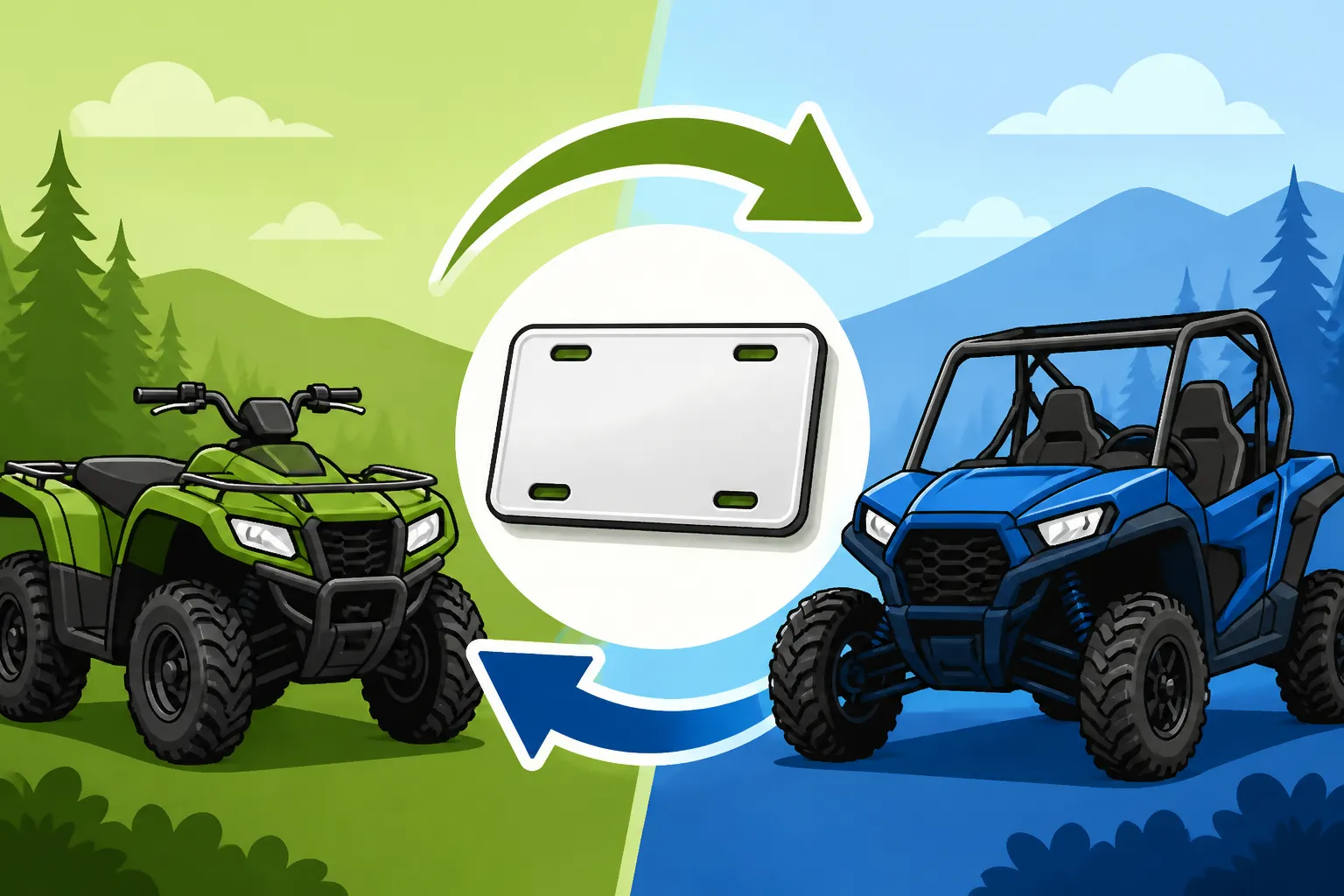
It’s easy to think of an ORV plate like a car licence plate that just lives with the vehicle for its entire life. But when it comes to off-road vehicles in Ontario, the reality is quite different. The fundamental principle is that the ORV plate belongs to the owner and not the machine itself. This is a crucial distinction that impacts everything from buying and selling to what happens if you decide to upgrade your ride.
The Plate Follows the Person, Not the Powerhouse
Unlike passenger vehicles where plates often stay with the vehicle in a sale, an Ontario ORV plate is directly tied to the individual (or entity) who registered it. When you register your ATV or UTV with ServiceOntario, you're issued an Ontario Vehicle Permit and a corresponding licence plate. Both of these items are considered property of the registrant. Think of it as a personal identifier for your off-road adventures, not an inherent part of the machine’s identity. The machine itself has a VIN, which is its true unique identifier, but the plate is about the person authorized to operate it.
This means that if you own multiple ORVs, each one you register will require its own permit and plate, and each of those plates is tied to you. You can’t just swap plates between your machines, even if they’re all registered in your name. Each permit is specific to one vehicle, identified by its VIN, and carries its own unique plate number. It’s a system designed to ensure accountability and proper record-keeping for every off-road vehicle on Ontario trails. For a deeper dive into the overall process, check out [Registering an ATV in Ontario].
Dispelling the Common Misconception
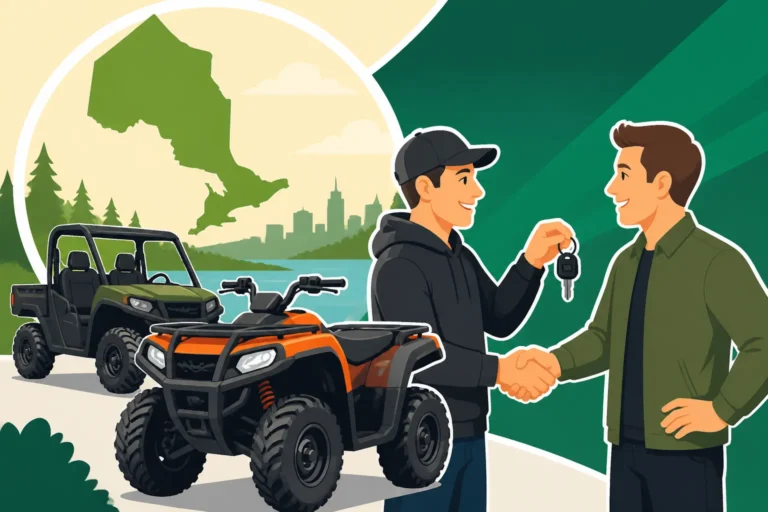
The confusion often stems from the traditional understanding of how vehicle plates work in some other jurisdictions or even for passenger cars here in Ontario, where the process can be different. With ORVs, the plate isn't designed to transfer with the machine from one owner to another. Instead, when an ORV changes hands, the plate typically does not go along for the ride. The seller keeps their plate, and the new owner must then go through the registration process themselves to obtain a new permit and a new plate for their newly acquired machine. This ensures a clean break in registration and responsibility between owners, making it clear who is accountable for the machine at any given time.
This distinction is quite important because it means you shouldn't expect to inherit a plate when you buy a used ORV, nor should you give yours away when you sell. Understanding this upfront saves a lot of headaches and clarifies the steps needed for both parties involved in a transaction. The process of getting your new permit is explained more fully in [The Ontario Vehicle Permit Explained].
What Happens When You Sell Your ORV in Ontario?
So, you've decided to upgrade your quad or side-by-side, or perhaps you're just moving on from the off-road lifestyle for a bit. Selling your ORV in Ontario involves specific steps related to its registration and plate. It's not just about handing over the keys and the permit; there's a clear separation of responsibility.
The Seller's Responsibility: Removing and Retaining Your Plate
When you sell your ORV, your primary responsibility regarding the plate is simple: remove it. The plate is yours, tied to your registration. You should take the plate off the machine before the buyer takes possession. This isn't just a suggestion; it's how the system works. You retain ownership of that specific plate number.
What do you do with it after you remove it? You can keep it. If you plan to buy another ORV in the future, you can often re-use that same plate number for your new machine, assuming you go through the proper registration steps at ServiceOntario. This saves you the cost of a new physical plate, though you'll still pay the registration fee for the new vehicle. If you don't plan on acquiring another ORV, you can simply keep the plate for sentimental reasons or dispose of it responsibly. Whatever you do, do not leave it on the machine for the new owner.
The Buyer's Journey to a New Plate and Permit
For the buyer, the process is equally clear. When you purchase a used ORV in Ontario, it will typically come without a plate. Your task is to register the machine in your own name and obtain a brand-new Ontario Vehicle Permit and licence plate. This involves visiting a ServiceOntario centre, presenting your proof of ownership (like a bill of sale), and paying the applicable registration fee and taxes. You'll need to follow the steps outlined in articles like [Buying a Used ATV in Ontario] to ensure a smooth transfer.
The ServiceOntario agent will process your application, confirm the machine’s VIN, collect the necessary fees, and then issue you a new permit and a new plate unique to you and your machine. It’s a straightforward process, but one that absolutely must be completed to legally operate your ORV on trails or roads where permitted. You can learn more about this in [Ontario ATV Registration After a Sale].
The Importance of a Proper Bill of Sale
Regardless of whether you're the seller or the buyer, having a solid bill of sale is paramount. This document is your proof of ownership, specifying the vehicle's details, the purchase price, and the parties involved. For the buyer, it's essential for [Proving Ownership of an Ontario ATV] at ServiceOntario. For the seller, it's a record that you've divested yourself of the machine and its associated liabilities.
A handwritten note on a napkin might seem sufficient for a casual sale between friends, but it leaves too much open to interpretation. A formal, well-detailed bill of sale protects both parties. It should include the full names and addresses of the buyer and seller, the date of sale, the ORV's make, model, year, colour, and most importantly, its Vehicle Identification Number (VIN). It should also clearly state the purchase price. Tools like those offered by LawDepot can provide excellent templates for a comprehensive bill of sale, ensuring all necessary information is included and that the document holds up should any questions arise later. Taking the time to use a professional template from LawDepot can make the entire transaction far more secure and transparent. [Ontario ATV Bill of Sale Requirements] provides further details on what to include.
Why This System Makes Sense for Off-Road Vehicles
At first glance, this system might seem a bit more involved than simply transferring a plate. However, there are very sound reasons why Ontario handles ORV plates in this manner, linking them directly to the registrant rather than the machine itself. These reasons are rooted in safety, accountability, and the specific nature of off-road vehicle use.
Linking Registration to the Operator, Not Just the Vehicle
The primary benefit of this system is that it firmly links the responsibility of the ORV to its registered owner/operator. If an ORV is involved in an incident, whether on a trail or crossing a road, the plate immediately identifies the individual responsible for that machine. This direct link simplifies enforcement and ensures that individuals are accountable for the safe and legal operation of their off-road vehicles. It’s about ensuring that whoever is behind the handlebars or wheel is readily identifiable by the authorities.
This is particularly important for ORVs because their usage often involves public lands, shared trails, and sometimes even road allowances. Knowing who is responsible for each plated machine helps maintain order and ensures compliance with the [The Off-Road Vehicles Act and Ontario Riders]. It also aids in preventing the illegal use of ORVs, as a plate cannot simply be swapped or left with a machine that has changed hands without proper documentation.
Preventing Issues with Unregistered or Stolen Plates
Imagine a system where plates always stayed with the machine. A dishonest seller could potentially leave an old, expired, or even stolen plate on an ORV, passing off the headache to an unsuspecting buyer. By requiring the seller to remove their plate and the buyer to register anew and obtain a fresh plate, Ontario’s system creates a clear cutoff. Every time an ORV changes hands, it essentially gets a clean slate with a new plate tied to its new owner.
This process significantly reduces the chances of an ORV being operated with an improper or fraudulent plate. It’s a protective measure for both buyers and the general public, ensuring that every ORV on the trail is properly registered to its current owner. This also helps law enforcement identify stolen machines if the VIN doesn't match the registered plate. The specific location and mounting rules for these plates can be found in [Ontario ORV Plates and Where They Mount].
The Long-Term Benefit: No Annual Renewals
One of the often-celebrated aspects of Ontario ORV registration is that, once you register your machine and get your plate, there are generally no annual renewal fees or stickers. This is a significant difference compared to passenger vehicles and even snowmobiles in Ontario, which require yearly renewals. Because there’s no annual sticker to affix or update, the plate itself becomes a more permanent fixture for the owner, not for the machine's lifetime across multiple owners.
This "pay once" model means less administrative burden for ORV owners. You don't have to remember to renew a sticker or pay a fee every year. The initial [Ontario ATV Registration Cost] covers the permit and plate, and that’s largely it for the life of your ownership of that specific plate number. This simplicity is partly why the plate follows the person – there’s no annual renewal mechanism tied to the physical plate on a specific machine that needs to be updated. If you’re curious about this long-term benefit, read [No Annual Renewal for an Ontario ORV].
What to Do with Your Old ORV Plate
So, you've sold your ORV, removed your plate, and now you're holding a piece of plastic with a series of letters and numbers. What's the next step? You have a couple of options, depending on your future plans and personal preferences. It's a small detail, but knowing what to do helps keep your records clear and avoids any potential confusion.
Keeping It for Your Next Machine
Perhaps the most common scenario for enthusiasts is that they sell one ORV to buy another. In this case, you can absolutely keep your old plate. When you go to ServiceOntario to register your new ATV or UTV, you can inform them that you already possess an ORV plate in your name and wish to re-use it. This will save you the physical cost of a new plate, although you will still pay the standard registration fee for the new machine and any applicable taxes. It’s a convenient way to keep things consistent, especially if you’ve grown fond of your plate number (though they are randomly assigned).
However, remember that even if you reuse your physical plate, the new machine will still get a brand-new Ontario Vehicle Permit. That permit will be linked to your name and the VIN of your new machine, but it will display your existing plate number. It’s a new registration for a new machine, simply using an existing piece of hardware.
Proper Disposal or Retention for Record Keeping
If you're stepping away from the ORV world entirely, or perhaps just don't want to re-use your old plate, you have a few other options. You can responsibly dispose of it. Many municipalities have programs for recycling metal or plastic, or you can simply cut it up to ensure it cannot be misused before putting it in your regular trash. Just make sure it’s rendered unusable to prevent any fraudulent activity.
Alternatively, some people like to keep their old plates as mementos. It’s a tangible piece of your off-road history! There's no legal requirement to return an ORV plate to ServiceOntario once you've stopped using it, unlike some other types of vehicle plates. So, if you want to hang it in your garage or display it in your man cave, go for it! Just ensure it's not displayed in a way that could be mistaken for an active plate on a vehicle.
Replacing a Lost Ontario ORV Plate
While not directly about whether the plate stays with the machine, it's worth a quick mention: what if you lose your plate before or after a sale? Sometimes, a plate can rattle loose on a bumpy trail, or get bent in a mishap. If you lose your ORV plate while it's still registered to you, you'll need to contact ServiceOntario to get a replacement. This is a relatively simple process where you’ll fill out a form and pay a small fee for a new physical plate, which will bear the same numbers and letters as your lost one. This is also covered in [Replacing a Lost Ontario ORV Plate].
Understanding that the ORV plate is intrinsically linked to you as the registrant, and not permanently to the machine, is key to navigating the world of off-road vehicle ownership in Ontario. It streamlines sales, clarifies responsibilities, and reinforces the accountability that helps keep our trails safe and accessible for everyone.
Disclaimer
This article is for general informational purposes only and does not constitute professional advice. Laws, prices and regulations vary by location and change over time. Consult a qualified professional for guidance on your specific situation.