Ontario ATV Registration Age Requirement
It's a common scenario: you've got a teenager who's itching to get out on the trails with their new (or new-to-them) ATV or side-by-side, but then you hit the roadblock of registration. Who can actually put their name on that precious [Ontario Vehicle Permit Explained] in Ontario? The age requirements can feel a little murky, especially when you're trying to do everything by the book. This guide is here to clear up all that confusion, detailing exactly what age you need to be to register an ORV in Ontario and what that means for families with younger riders.
The Minimum Age for Registering an ORV in Ontario
When you're ready to make that shiny (or rugged, trail-ready) ATV or UTV officially yours in the eyes of the province, the first hurdle you'll encounter is the age requirement for registration. It's a fundamental piece of the puzzle that surprises some, especially those new to the world of off-road vehicles.
You Must Be 16 Years Old to Register an ORV
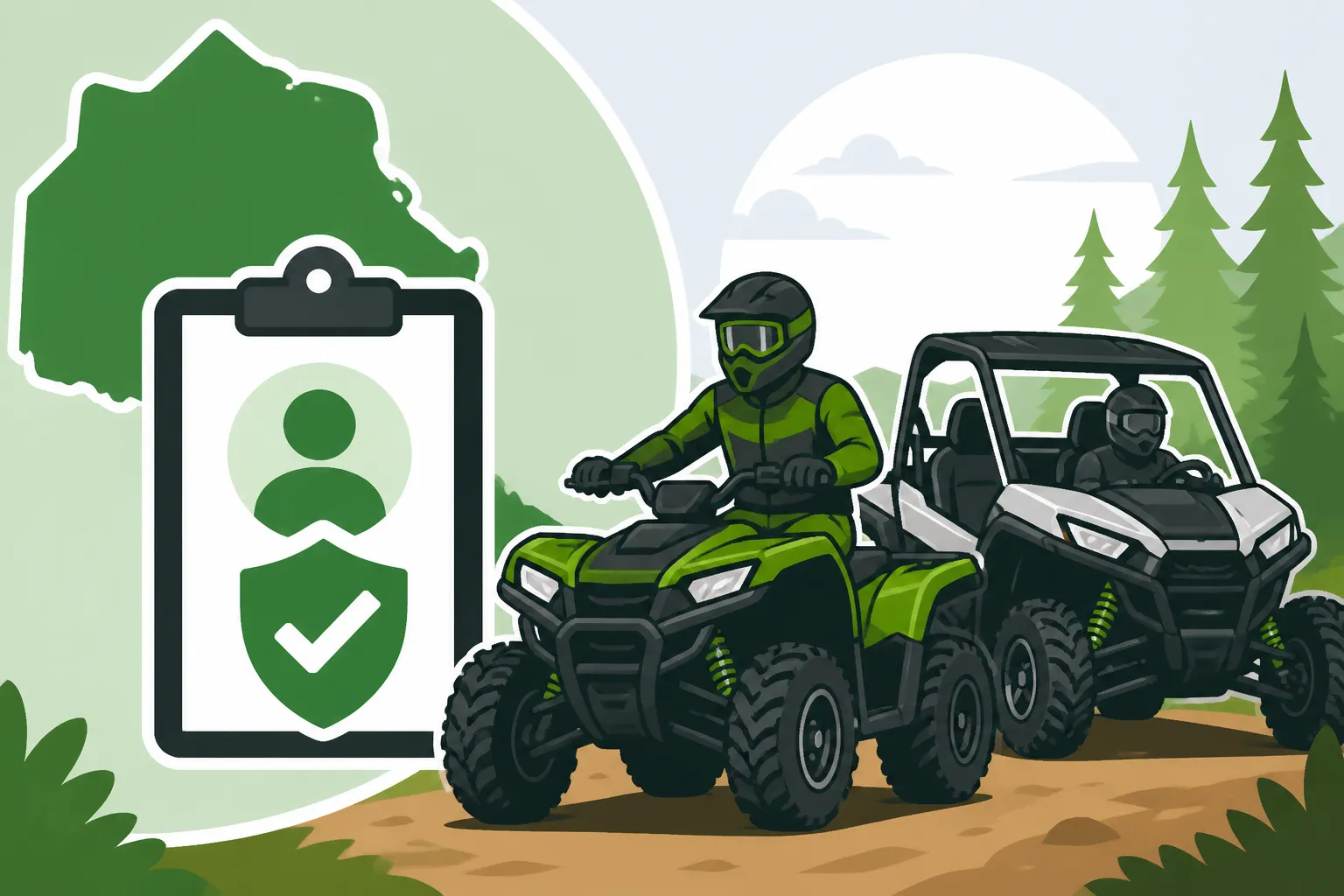
Let's cut right to the chase: in Ontario, you absolutely must be at least 16 years of age to register an off-road vehicle (ORV) in your own name. This isn't a suggestion; it's a hard and fast rule set by the provincial government. Whether it's a nimble ATV, a powerful side-by-side, or even a dirt bike, the person whose name goes on the [Ontario ORV Permit Cost] for the machine must have celebrated their sixteenth birthday. This rule ensures that the legal owner is considered mature enough to understand the responsibilities that come with vehicle ownership.
This age requirement is different from some other types of registrations you might be familiar with. For instance, while you can get a G1 driver's license at 16, the ability to legally own and register a vehicle is treated with a specific level of responsibility. The province wants to ensure that the individual listed as the owner can be held accountable for the vehicle's registration, any associated fees, and adherence to regulations under the [The Off-Road Vehicles Act and Ontario Riders].
So, if you've got a 14-year-old who's saved up every penny for their dream quad, while they might be able to ride it under certain conditions, they won't be able to be the one to [Registering an ATV in Ontario] at a ServiceOntario centre. The vehicle permit, which is your proof of registration and ownership, will need to bear the name of someone at least 16 years old. This is often where parents or legal guardians step in to bridge that gap.
Legal Ownership and Responsibility
The person who registers the ORV is considered the legal owner of the machine. This isn't just a formality; it carries significant legal weight. The registered owner is responsible for ensuring the machine is properly registered, any applicable [Ontario RST on an ATV Purchase] is paid, and that it complies with all provincial regulations. This legal responsibility is why the 16-year-old minimum is in place. Minors, generally speaking, cannot enter into legally binding contracts, and vehicle ownership is very much a legal agreement.
Think about it: if there were an incident involving the ORV, the registered owner is the primary point of contact and responsibility from a legal standpoint. This could involve anything from ensuring proper insurance coverage (which is mandatory for riding on any public land or prescribed roads) to responding to inquiries about the machine's use. Therefore, the province requires an individual who is legally capable of assuming these obligations.
This doesn't mean a younger rider can't enjoy an ORV. It simply means the actual act of registration, of putting that name on the paper, must fall to an adult. For many families, this translates into a parent or guardian registering the machine in their own name, effectively holding ownership "in trust" or simply allowing the minor to use a machine that the adult legally owns. This is a crucial distinction that allows families to navigate the rules while still enabling younger enthusiasts to participate in the sport.
Why This Age Requirement Exists
Understanding the "why" behind rules can often make them easier to accept and follow. The 16-year minimum age for ORV registration in Ontario isn't arbitrary; it's rooted in principles of legal capacity, financial accountability, and public safety.
Legal Capacity and Contracts
At its core, the 16-year age requirement for ORV registration boils down to legal capacity. In Ontario, individuals are generally considered to reach the age of majority at 18. However, specific legislation, like the Off-Road Vehicles Act, carves out exceptions or sets different thresholds for certain responsibilities. At 16, individuals are often deemed capable of understanding and entering into some basic legal agreements, though not all. Registering a vehicle, including an ORV, involves entering into a transaction with the provincial government, acknowledging ownership, and accepting certain liabilities.
Consider the process of buying and registering an ORV. It typically involves a bill of sale, the transfer of an existing [Ontario Vehicle Permit Explained], and the payment of fees and taxes. Each of these steps relies on the individual's legal capacity to understand and agree to the terms. A 12-year-old, for example, isn't legally equipped to sign a contract for purchase or to assume the full financial and legal responsibilities that come with vehicle ownership. The 16-year threshold aims to align the act of registration with a reasonable level of legal maturity.
Moreover, if there's any dispute over ownership, or if the ORV is involved in an incident requiring legal action, the registered owner is the party who will be held responsible. Ensuring this person is of an age that allows them to fully participate in legal proceedings and understand their obligations is paramount. It protects both the minor (from being saddled with legal responsibilities they can't manage) and the public (by ensuring there's a legally responsible adult tied to the machine).
Financial Accountability and Liabilities
Beyond legal contracts, the registration process also entails financial accountability. When you register an ORV, you're responsible for paying the [Ontario ATV Registration Cost], and if it's a new purchase or a private sale, you'll also be responsible for the [13 Percent RST on an Ontario ATV] – unless you qualify for specific exemptions. These are financial obligations that typically require an individual to be able to manage their own finances and legal tender. A younger person might have the cash in hand, but the legal framework prefers an adult to handle these transactions.
Furthermore, the registered owner is fundamentally linked to the machine's compliance with insurance laws. [Ontario's Mandatory ORV Insurance] is not just a good idea; it's a legal requirement for riding on public trails or designated roads. If an ORV is operated without insurance, the registered owner could face substantial penalties, even if they weren't the one operating it at the time. This deep connection between registration and liability underscores why an adult, capable of understanding and fulfilling these complex responsibilities, is necessary.
This safeguard isn't just about protecting the government; it's also about protecting the riders themselves. By ensuring a responsible adult is tied to the registration, there's an implicit understanding that someone is overseeing the machine's use, maintenance, and adherence to safety standards. It provides an extra layer of protection, particularly for younger riders who might not yet grasp the full implications of off-road vehicle operation.
What If You're Underage But Want to Ride? Practical Solutions for Families
Just because a rider is under 16 doesn't mean they can't enjoy the thrill of hitting the trails on an ATV or UTV. Ontario law differentiates between registering a machine and riding one. This distinction is vital for families looking to get their younger members involved in the sport.
Adult Registration for a Minor's Machine
The most common and straightforward solution for younger riders is for a parent or legal guardian to [Registering a Machine for a Teenager] in their own name. Even if the ATV or UTV is primarily intended for a child or teenager under 16, the adult simply acts as the legal owner. This means their name will appear on the [Ontario Vehicle Permit Explained], and they will be responsible for all the associated legal and financial obligations.
This arrangement works perfectly well and is incredibly common. The adult ensures the machine is properly plated with [Ontario ORV Plates and Where They Mount], insured, and that all provincial rules are followed. The younger rider then gets to enjoy the machine, often under adult supervision, as required by law for certain age groups. This keeps everyone above board and ensures the machine is legal to operate on designated trails and roads.
When this situation arises, especially if the minor has contributed funds to the purchase, families sometimes wonder about the informal ownership. While the official permit will be in the adult's name, having a simple written agreement or bill of sale between family members can clarify who "owns" the machine informally. Resources like LawDepot offer templates for various legal documents, which, while not a substitute for official registration, can provide clarity within the family about who is responsible for what, even for personal items like an ORV.
Riding Age Versus Registration Age
It’s crucial to understand that the minimum age for riding an ORV in Ontario is separate from the age required to register it. For instance, children as young as 12 can operate an ORV on private property if they are supervised, or even on designated trails with appropriate training and adult supervision, depending on the machine's classification. However, even these 12-year-olds cannot register the machine themselves.
Here's a quick look at the distinctions:
| Activity | Minimum Age Requirement | Notes |
|---|---|---|
| Registering an ORV | 16 years old | Must be able to legally own the vehicle and assume responsibility. |
| Riding ORV (Off-Road) | 12 years old | With adult supervision, often on private land or designated trails. |
| Riding ORV (Road-Legal) | G2 or M2 licence | Driver must hold appropriate licence, minimum 16 years old. |
| Riding ORV (Private Land) | No minimum specified | Owner's discretion, but safety and supervision are paramount. |
This table highlights that while a younger person might be actively involved in operating the ORV, the responsibility for its legal status and ownership remains with someone 16 or older. For example, a 14-year-old might be an experienced rider, but their parent or guardian would still need to be the one to complete the [Ontario ATV Registration Paperwork]. Always refer to the specific rules for [Ontario ATV Minimum Age Off-Road] and [Ontario ATV Minimum Age on a Road] to ensure your young rider is compliant.
Safety and Supervision Considerations
While an adult handles the registration, the focus then shifts to the safe operation of the ORV by the younger rider. Ontario has specific rules regarding supervision for minors operating ORVs, particularly for those under 16. These rules are designed to protect the riders and others on trails or private property. Proper training, suitable safety gear (especially an approved helmet with a chin strap), and appropriate supervision are not just recommended but often legally mandated.
For any minor operating an ORV, regardless of who registered it, the supervising adult takes on significant responsibility for their safety and adherence to rules. This includes ensuring the minor is operating a machine appropriate for their size and skill level, that they understand and follow trail etiquette, and that they are not riding in prohibited areas. This partnership between the registered adult owner and the young rider is key to a safe and enjoyable off-road experience in Ontario.
When planning rides, it's always a good idea for the registered owner to carry the [Ontario Vehicle Permit Explained] or a true copy, along with proof of insurance. This ensures that if you're stopped by an officer on a trail or road, you can quickly prove the machine is legally registered and insured, regardless of who is operating it at the moment. Preparing clear [Ontario ATV Bill of Sale Requirements] even for an internal family transfer, potentially using templates from a service like LawDepot, can also help clarify ownership in a situation where the rider is not the registered owner.
Important Documents and Other Considerations
Beyond the age requirement for registration, there are several other critical factors to consider when registering an ORV in Ontario. These considerations often intertwine with the age rule, especially when dealing with younger riders or shared family machines.
Proving Ownership for Registration
Regardless of age, when you go to [Registering an ORV at a ServiceOntario Centre], you'll need to prove you are the rightful owner of the machine. This is non-negotiable. For a new machine bought from a dealer, this usually means an NVIS (New Vehicle Information Statement) and a bill of sale. For a used machine, it's typically the previous owner's [Ontario Vehicle Permit Explained] (the green slip) with the "transfer of ownership" section completed, along with a bill of sale.
If you're dealing with a situation where a minor is the intended primary rider, but a parent is registering, the bill of sale should clearly list the parent (the person over 16) as the purchaser. This ensures there's no confusion about who legally bought the machine and who is registering it. Having clear, concise documentation is paramount. Services like LawDepot can be invaluable for creating a robust bill of sale, especially for private sales, ensuring all necessary details are captured and both parties are protected.
What if the paperwork is lost or unclear? This can be a real headache. ServiceOntario requires clear evidence of ownership. If you're struggling with this, there are specific processes for [Proving You Own a Quad With No Papers], but it's always easier to start with all your ducks in a row. It ties back to the idea of legal capacity – an adult is better equipped to navigate these bureaucratic waters.
Name on the Permit Versus Primary Rider
It's entirely possible for an adult to register an ORV, and for a teenager (or even a younger child under supervision) to be the primary operator. The name on the [Ontario ATV Registration Paperwork] simply denotes the legal owner and the party responsible for the vehicle's registration compliance. It does not dictate who can or cannot operate the machine, as long as the operator meets the specific age, training, and licensing requirements for riding in Ontario.
For instance, a parent might register a side-by-side (which falls under the ORV umbrella) in their name, while their 14-year-old is the most frequent user of the machine on their private farm property. This is perfectly legal and common, provided the 14-year-old is operating it safely and within the confines of age-appropriate riding rules for private land. The registered owner is still ultimately responsible for the ORV's legal status, just as a car owner is responsible for their vehicle even if someone else is driving it.
This flexibility allows families to foster a love for off-roading in their children without hitting a registration roadblock. It empowers adults to take on the formal responsibilities while enabling younger, enthusiastic riders to get out and enjoy the Ontario wilderness. Just remember, while the permit is in the adult's name, everyone who rides the machine should understand and respect the [Ontario ATV Rules for Riding a Trail] or any other regulations specific to their riding location.
Future Transfers and Exemptions
Thinking ahead, if an ORV is registered in a parent's name and is later to be formally transferred to a child once they turn 16 (or older), this becomes a new ownership transfer. This process would involve completing the transfer section of the [Ontario Vehicle Permit Explained] and, unless an exemption applies, potentially incurring [Retail Sales Tax on an Ontario Private Sale] again.
However, Ontario does offer certain exemptions for Retail Sales Tax (RST) in specific situations, such as a [Ontario ATV Tax on a Family Gift] or an [Ontario ATV Tax on an an Estate Transfer]. If a parent wants to formally transfer the ORV to their child as a gift, they may be able to do so without the child paying the 13% RST, provided all criteria for the family gift exemption are met. These scenarios highlight the importance of understanding not just the initial registration age, but also the long-term implications of who holds the permit.
Understanding these age requirements and related documentation is crucial for every ORV owner and family in Ontario. It ensures you stay on the right side of the law, avoid unnecessary fines, and most importantly, enjoy your off-road adventures safely and responsibly.
Disclaimer
This article is for general informational purposes only and does not constitute professional advice. Laws, prices and regulations vary by location and change over time. Consult a qualified professional for guidance on your specific situation.