Ontario ATV VIN Check Before Buying
Buying a used ATV or UTV in Ontario can feel like navigating a minefield. You've found what looks like a great deal, the seller seems friendly enough, but that nagging doubt in the back of your mind asks: "What if there's something wrong with it that I can't see?" This guide is all about equipping you with the knowledge to conduct a thorough VIN check, giving you the confidence to make an informed purchase and avoid potential headaches down the trail.
Why a VIN Check Isn't Just "Nice to Have" – It's Essential
Look, nobody wants to buy a problem. When you're handing over your hard-earned cash for an ATV or UTV, you're not just buying a machine; you're buying the promise of adventure and fun. The last thing you want is to discover later that your new-to-you quad has a shady past that could prevent you from registering it, getting insurance, or even worse, having it seized. That's why a Vehicle Identification Number (VIN) check isn't just a suggestion; it's a critical step in protecting yourself. It's truly one of the most important [Checks Before You Buy a Used Quad in Ontario].
Avoiding the Nightmare of a Stolen Machine
Imagine this: You've just bought your dream side-by-side, meticulously cleaned it up, and you're ready to hit the trails. You head down to ServiceOntario to get everything squared away for [Registering an ATV in Ontario], only to be told that the VIN on your machine is flagged as stolen. Your heart sinks. Not only are you out the money you paid, but you now have to deal with police, potentially losing the machine entirely, and possibly even being questioned yourself. It's a truly terrible scenario, and one that's far too common. A VIN check provides a crucial layer of protection against inadvertently purchasing stolen property. This is particularly important because unlike cars, ATVs and UTVs sometimes change hands without the same rigorous documentation, making them targets for theft. You really don't want to learn the hard way that the "great deal" was too good to be true because it came from a less-than-reputable source.
Uncovering Hidden Debts and Liens
Another major concern when buying used recreational vehicles is the presence of outstanding debts or liens. Just like cars, ATVs and UTVs can be used as collateral for loans. If the previous owner financed the machine and still owes money on it, that debt could legally follow the vehicle, not the person. This means that even if you've paid the seller in full, the financial institution that holds the lien could legally repossess your ATV to settle the outstanding debt. Talk about a gut punch! A VIN check can reveal if there's a lien recorded against the machine, which is an absolute must-know before you sign any [Ontario Bill of Sale Requirements]. Services like those offered by companies that help with legal documents, such as LawDepot, often emphasize the importance of these checks for protecting buyers in various transactions, including vehicle purchases. Without a clear understanding of the machine's financial history, you're taking a huge gamble that could cost you both your money and your new toy. This is why a proper [Ontario ATV Lien Check Before Buying] is non-negotiable.
Verifying the Machine's Identity and Specs
Beyond theft and liens, a VIN check helps you confirm the basic identity and specifications of the machine you're considering. The VIN is essentially your ATV's unique fingerprint. It contains coded information about the manufacturer, the year of manufacture, the model, and even where it was built. This can be incredibly useful for several reasons:
- Accuracy of Description: Does the seller claim it's a 2018 model, but the VIN check says it's a 2015? This is an immediate red flag.
- Parts Compatibility: Knowing the exact year and model helps immensely when you need to order parts or accessories down the line.
- Recall Information: Some VIN check services might even provide information about safety recalls that were issued for that specific model year, which is vital for your safety.
- Confirming the Permit: When you go to [Registering an ORV at a ServiceOntario Centre], the VIN on the machine must match the VIN on the [Ontario Vehicle Permit Explained] (often called the ownership). If there's a discrepancy, you're going to have a bad time.
In essence, a VIN check allows you to cross-reference what the seller is telling you with the objective facts about the vehicle. It's a powerful tool in your arsenal when you are [Buying a Used ATV in Ontario].
How to Perform an ATV VIN Check in Ontario
So, you understand why it's important. Now, let's talk about the how. Performing a VIN check isn't overly complicated, but it requires a bit of diligence and knowing where to look.
Where to Find the VIN on Your ATV or UTV
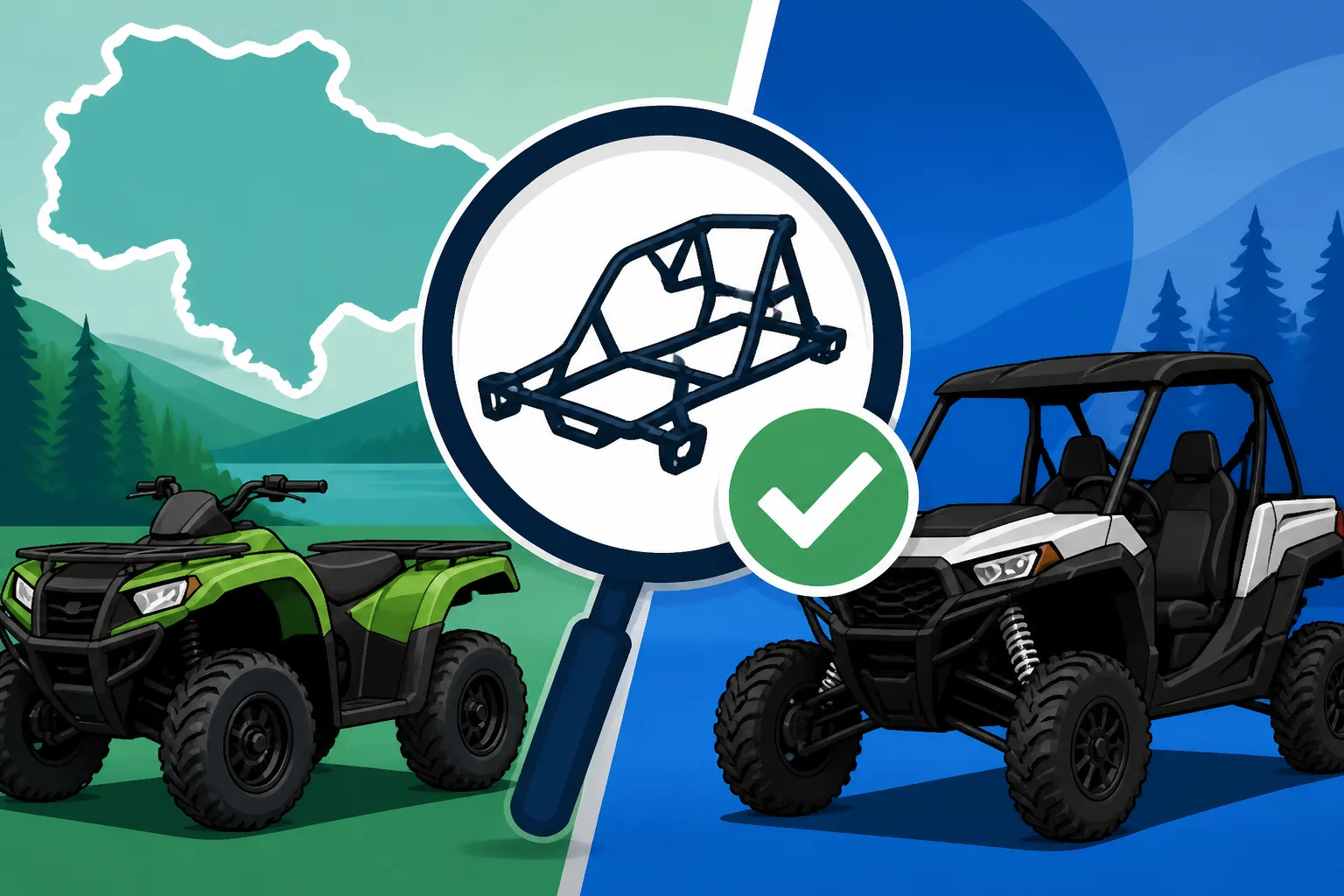
The VIN is a 17-character alphanumeric code, standardized globally to ensure each vehicle has a unique identifier. It's usually stamped into a permanent part of the vehicle's frame, designed to be difficult to alter. Here are the most common places to find it on an ATV or UTV:
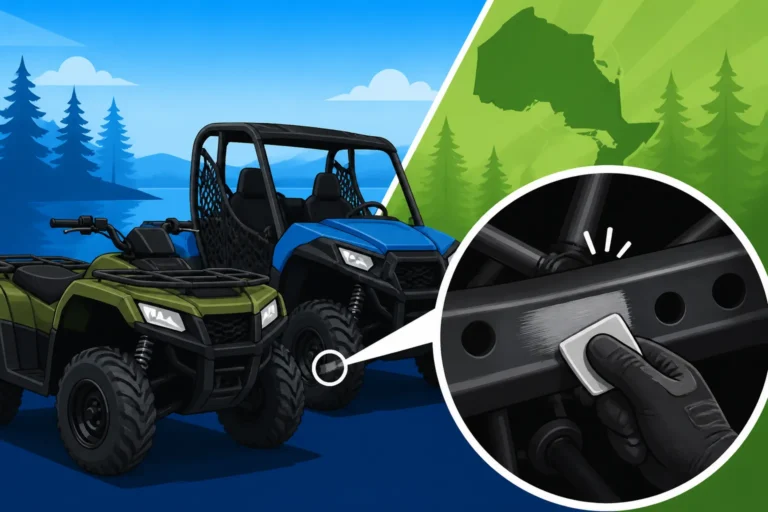
- On the Frame: This is the most common location. Check the front frame rail, usually on the right-hand side (when sitting on the machine), near the front tire or steering stem. It might also be stamped on a lower frame tube near the footpegs.
- Engine Casing: Sometimes, a partial VIN or engine serial number might be cast into the engine block itself. While not the primary VIN, it can be a good cross-reference.
- Under the Seat: Less common, but sometimes there's a sticker with the VIN. Always rely on the stamped VIN on the frame as the definitive one.
- On the Ownership/Permit: The VIN will be clearly listed on the seller's [The Ontario Vehicle Permit Explained]. Make sure this matches the physical VIN on the machine perfectly.
It's absolutely critical that the VIN on the physical machine matches the VIN on the ownership document. If they don't, even by one character, walk away from the deal immediately. You're looking for a clear, legible stamping, not something that looks tampered with or poorly etched. If the VIN looks suspicious or is completely missing, you'll run into serious trouble when trying to establish [Proving Ownership of an Ontario ATV] or [Registering a Quad With Nothing but a Frame Number].
The Different Ways to Run a VIN Check
Once you have the VIN, you have a few options for running a check. Each option can provide different levels of detail and insight.
- ServiceOntario Search: You can visit a ServiceOntario centre with the VIN and ask for a search to see if there are any liens or outstanding debts registered against the vehicle. This is usually the most official and reliable way to check for liens in Ontario. They can access the official records for your province.
- Private VIN Check Services: Several online services specialize in VIN checks. These platforms typically compile data from various sources, including police records, insurance companies, and financial institutions. They often provide a comprehensive report that can include:
- Stolen vehicle status
- Salvage or irreparable title status
- Accident history (if reported)
- Odometer rollback alerts
- Lien information
- Recall information
- Previous registration details
Popular options exist, but remember that the thoroughness of these reports can vary depending on the service and the availability of data for ATVs and UTVs, which can sometimes be less robust than for passenger cars. Always verify the information with official provincial sources where possible.
- Police Check (Informal): While not a formal service, sometimes a quick call to the non-emergency line of your local police service might confirm if a VIN is reported stolen. This is often done as a courtesy and shouldn't replace a full check, but it can be a quick initial screening.
When approaching the seller, be upfront about your intention to run a VIN check. A reputable seller will have no issue providing the VIN and should be transparent about the machine's history. If a seller hesitates or refuses to provide the VIN, consider that a major red flag and reconsider the purchase.
What Information a VIN Check Might Reveal
A comprehensive VIN check can unearth a wealth of information that directly impacts the wisdom of your purchase. Here's a quick rundown of what you might discover:
- Stolen Status: The absolute biggest deal-breaker. If it's stolen, you lose the machine and your money.
- Lien or Encumbrance: This means a financial institution has a claim on the vehicle. You'd be wise to ensure the seller pays off the lien and provides proof before you complete the sale. This is where templates from services like LawDepot can help you create a robust bill of sale that protects you in these situations.
- Salvage/Rebuilt Status: This indicates the machine was declared a total loss by an insurance company due to significant damage (e.g., severe accident, flood, fire). While it might have been repaired, a salvage title significantly reduces its value and can be harder to insure or register.
- Accident History: While not always available for ATVs, some reports might detail previous accidents and associated damage.
- Odometer Discrepancies: If the odometer reading seems significantly different from what's reported in the vehicle's history, it could indicate tampering.
- Multiple Owners/Registrations: A long list of previous owners in a short period could be a sign of a problematic machine, or perhaps just a very active enthusiast who changes quads often. Context matters here.
This information is your best defense against buying an ATV that comes with a lot of baggage. It transforms you from a hopeful buyer into an informed negotiator.
What to Do After Your VIN Check (and What Red Flags Mean)
Receiving the results of your VIN check is a pivotal moment in the buying process. It's where you decide whether to proceed with confidence, ask more questions, or, frankly, walk away.
Understanding the Results and Next Steps
Once you have your VIN check report, take the time to read it carefully.
- Clean Report: If the report comes back completely clean – no liens, no theft, no salvage titles, and consistent history – congratulations! This is the best-case scenario. It means you can move forward with a much higher degree of confidence. You'll still want to complete the other crucial steps, like a physical inspection and test ride, but the VIN check has cleared a major hurdle.
- Minor Discrepancies: Sometimes, you might see minor inconsistencies, like a slight difference in reported mileage over many years, or a very old accident claim with minimal damage. These aren't necessarily deal-breakers but warrant a conversation with the seller. Ask for clarification and see if their explanation makes sense. Perhaps the seller genuinely forgot about a minor fender bender from years ago.
- Lien Present: If a lien is present, do NOT complete the purchase until the seller has provided proof that the lien has been fully discharged. This usually involves a letter from the financial institution stating the debt has been paid and the lien released. You can even suggest meeting at the bank to complete the transaction, where the seller receives payment and the lien is cleared simultaneously. This protects both parties.
- Stolen, Salvage, or Major Accidents: These are usually immediate deal-breakers. As we discussed, a stolen machine is a non-starter. A salvage title often means hidden issues and reduced value. Major accident history could indicate structural damage that's not easily visible and could compromise safety. It's rarely worth the risk, especially when you consider the potential difficulties with insurance and [Ontario ATV Insurance Requirements].
Remember, your goal is to protect yourself. No matter how much you "want" the machine, it's not worth the legal or financial headaches of a bad purchase.
When to Walk Away from a Deal
Knowing when to walk away is just as important as knowing when to buy. Here are some definitive red flags from a VIN check that should have you putting your wallet back in your pocket:
- Reported Stolen: Absolutely, unequivocally walk away. There's no scenario where buying a stolen vehicle ends well for you.
- Unresolved Liens: If the seller cannot or will not provide clear, official proof that any identified liens have been discharged before you pay them, it's time to move on. Don't take their word for it or a promise that they'll "handle it later."
- Mismatching VINs: If the VIN on the ownership permit doesn't precisely match the VIN stamped on the machine's frame, that's a massive red flag. This can indicate a tampered VIN, a fraudulent permit, or a "cut and shut" machine made from parts of different vehicles. This will definitely prevent you from ever getting the machine registered at ServiceOntario, as the paperwork for [Ontario ORV Registration Paperwork] must match the physical machine.
- Severe Damage History (Salvage/Irreparable): Unless you are an expert mechanic looking for a project and fully understand the implications for registration and insurance, avoid these. The headaches often outweigh the perceived savings.
- Seller's Resistance or Evasiveness: If the seller is reluctant to provide the VIN, seems to be hiding information, or gives vague answers about the machine's history, trust your gut. A transparent seller wants you to feel confident in your purchase.
It's tempting to overlook minor issues when you're excited about a potential purchase, but when it comes to VIN checks, a critical and cautious approach is your best friend.
Documenting Your Due Diligence for Peace of Mind
Even with a clean VIN check, it's wise to keep meticulous records of your due diligence. This includes:
- A copy of the VIN check report: Save it digitally and print a hard copy.
- Photos of the VIN on the machine: Document where you found it and its condition.
- Copies of the seller's ownership permit: Even before the sale, take photos of it.
- A comprehensive bill of sale: Use a template from a service like LawDepot. A good bill of sale should clearly identify the buyer and seller, the ATV's make, model, year, and VIN, the purchase price, and explicitly state that the vehicle is sold free of all liens and encumbrances. This document is crucial for [Transferring a Permit to a Buyer in Ontario].
Having these records can be invaluable later on, whether for insurance purposes, future resale, or resolving any unexpected issues. A thorough VIN check is truly a foundational step in ensuring your used ATV or UTV purchase brings you years of enjoyment, not regret. It's a small investment of time and possibly a modest fee, but it provides invaluable peace of mind when you're [Ontario ATV Registration After a Sale].
Here’s a quick summary of common VIN check scenarios and their implications:
| VIN Check Result | Implication for Buyer | Recommended Action |
|---|---|---|
| Clean Report | High confidence in purchase. | Proceed with physical inspection, test ride, and negotiations. |
| Outstanding Lien Detected | Seller owes money on the machine; claim against vehicle. | Demand proof of lien discharge before payment. Walk if refused. |
| Reported Stolen | Illegal to buy; machine will be seized. | Immediately walk away from the deal. Report seller if necessary. |
| Salvage/Rebuilt Title | Machine declared total loss; potential hidden damage. | Proceed with extreme caution; require professional inspection; expect lower value. |
| Odometer Rollback Warning | Mileage manipulated; false representation. | Walk away. Indicates dishonesty. |
| VIN Mismatch (permit/frame) | Serious fraud or vehicle tampering. | Immediately walk away. Do not proceed. |
| Minor Accident History | Machine had minor damage in the past. | Investigate extent of damage; ask seller for details; factor into price. |
| Multiple Owners in Short Time | Could indicate a problematic machine or a flipper. | Ask seller for explanations; thorough inspection is crucial. |
Disclaimer
This article is for general informational purposes only and does not constitute professional advice. Laws, prices and regulations vary by location and change over time. Consult a qualified professional for guidance on your specific situation.