Proving You Own a Quad With No Papers
It’s a scenario many of us have faced, and honestly, it’s one that can tie your stomach in knots: you’ve found what seems like a great deal on a used quad or UTV, but when it comes time to talk paperwork, the seller shrugs. Maybe they inherited it, maybe they lost the original documents years ago, or maybe it was a barn find. Whatever the reason, you're now staring at a fantastic machine with no clear paper trail, and the thought of trying to register it at ServiceOntario feels daunting, if not impossible. This guide is all about demystifying that process, helping you understand how you can prove ownership of an off-road vehicle in Ontario even when the usual documents are missing.
The Initial Hurdle: Why "No Papers" Is a Problem in Ontario
Buying an off-road vehicle (ORV) in Ontario, whether it's an ATV, UTV, or dirt bike, usually involves a pretty straightforward process when it comes to ownership documents. When those aren't available, it can feel like you're trying to climb a mountain without the right gear. ServiceOntario, quite rightly, wants to ensure that the machine you're trying to register isn't stolen, and that you are indeed the rightful owner. Without the standard documents, their job, and yours, becomes a little more complicated.
The "Paper Trail" Expectation
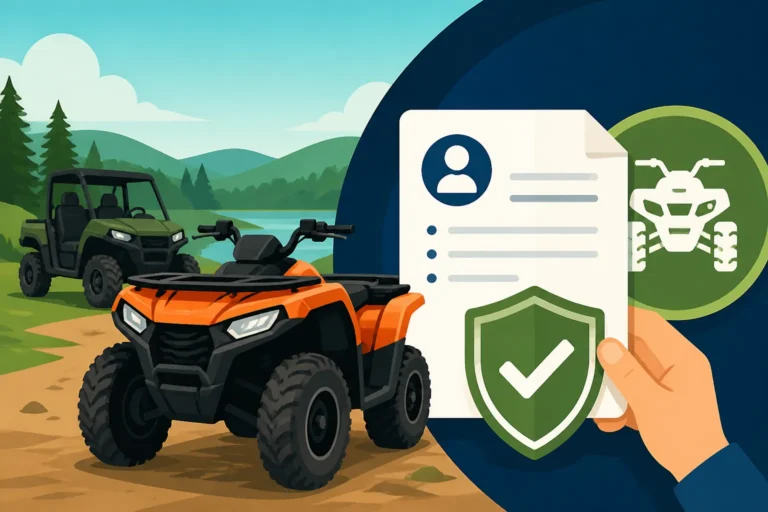
Normally, when you head to ServiceOntario to register an ORV, they expect to see a clear paper trail confirming both the machine's identity and your claim to it. The primary document is usually the [Ontario Vehicle Permit Explained]. This permit acts as the ORV's registration and proof of ownership in Ontario, listing the vehicle information, the current owner, and the unique Vehicle Identification Number (VIN). Alongside this, a detailed bill of sale signed by both the buyer and the seller is usually required, especially for used machines, to prove the transfer of ownership.
The province has a legal requirement for all ORVs that operate off private land to be registered. This isn't just about collecting fees; it's about accountability and safety. If you can't present these standard documents, it raises immediate red flags, and the ServiceOntario representative won't just hand you a new permit and plate. They need a robust alternative to confirm that the vehicle isn't stolen and that you're not inadvertently involved in something illicit. This emphasis on a clear record is why buying a quad without proper documents can feel like such a massive barrier to enjoying your new ride. [Registering an ATV in Ontario] isn't something to take lightly.
Common Scenarios Leading to Missing Papers
It's important to recognize that "no papers" doesn't automatically mean something shady is afoot. There are many legitimate reasons why a perfectly good quad might lack its original documentation. Perhaps the most common scenario involves a private sale where the previous owner simply lost the permit or never bothered to register it themselves. Maybe it was an old machine used exclusively on a farm or private property, and the concept of registration never crossed their mind. [Buying a Used ATV in Ontario] often comes with these quirks.
Another frequent occurrence is inheriting an ORV. Grandpa had an old three-wheeler he used around the cottage, and now it's yours, but the original permit might have been misplaced during an estate settlement. We also see old barn finds – machines that have sat untouched for decades, and any original paperwork has long since deteriorated or vanished. While less common, stolen-recovered quads can also present ownership challenges if the original owner can't be found or the police paperwork isn't sufficient for ServiceOntario's needs. These situations, while frustrating, are often understandable, and ServiceOntario has processes in place, albeit more involved ones, to handle them. However, it's always crucial to exercise caution; thorough [Checks Before You Buy a Used Quad in Ontario] are essential before committing to any machine with questionable documentation.
Gathering Your Evidence: What Counts as Proof?
When the standard permit and bill of sale are out of the picture, your task shifts to compiling a strong alternative case. This involves gathering any and all pieces of evidence that collectively demonstrate your legitimate claim to the ORV. Think of it like building a puzzle – each piece might not be a complete picture on its own, but together, they form an undeniable image of ownership. It requires diligence and sometimes a bit of detective work, but it’s definitely doable.
The Bill of Sale: Even a Handwritten One Matters
Even without an official-looking form, a bill of sale, even a simple handwritten one, is incredibly important. This document, no matter how informal, serves as direct evidence of a transaction between you and another party. It records the essential details of the sale and, crucially, establishes a chain of custody for the vehicle. The more information you can include, the stronger the document will be in the eyes of ServiceOntario.
Ideally, a handwritten bill of sale should include the full names and addresses of both the buyer and the seller, the date of the sale, and the purchase price. Most importantly, it needs a clear and accurate description of the ORV, including its make, model, year, and the all-important Vehicle Identification Number (VIN). Both the buyer and seller should sign and date the document. If possible, have a witness present to sign it as well, adding another layer of authenticity. This type of document, while not a formal ServiceOntario form, is still a vital piece of the puzzle and will be one of the first things they'll ask for. In situations where the original permit is lost, ServiceOntario will often accept a clear, detailed bill of sale as proof of your acquisition. [Registering a Quad With a Handwritten Bill of Sale] can save you a lot of headaches later on. If you're looking for a good starting point, reputable online services like LawDepot offer templates for bills of sale that you can easily adapt and print, ensuring you don't miss any critical details.
Supporting Documentation and Affidavits
Sometimes, a simple bill of sale isn't enough, or perhaps you don't even have that. This is where supporting documentation and sworn affidavits come into play. An affidavit is a written statement confirmed by oath or affirmation, made before a person legally authorized to administer oaths (like a lawyer or commissioner of oaths). In situations of missing paperwork, an affidavit can be a powerful tool for establishing your claim.
If you bought the ORV from someone who also didn't have the permit, they could provide an affidavit detailing how they acquired it, explaining the lack of original documents, and confirming the sale to you. If you inherited the machine, an affidavit from an executor of the estate or another family member confirming the transfer can be invaluable. This document should clearly identify the ORV by VIN, describe the circumstances of its acquisition, and affirm the legal transfer of ownership. It acts as a sworn testimony, giving ServiceOntario a greater degree of confidence in your claim. Other supporting documents might include old insurance papers (even if expired), previous repair shop invoices that list the VIN, or even dated photographs of the ORV with previous owners or in a specific location that confirms its history. Services like LawDepot are excellent resources for finding and customizing legal forms, including various types of affidavits, which can be incredibly helpful in structuring these sworn statements correctly.
Tracing the VIN and Other Identifiers
The Vehicle Identification Number (VIN) is paramount in all of this. It's the unique identifier for your ORV, like a social security number for a machine. Locating and verifying the VIN is a critical step, as it allows ServiceOntario to check the vehicle's history and ensure it hasn't been reported stolen. The VIN is typically stamped into the frame of the ORV, often on the front frame rail, under the seat, or on the rear swing arm. It's usually a 17-character alphanumeric code. If it's rusted or unreadable, you might need to carefully clean the area, or in severe cases, have a mechanic help you locate it. [Tracing a VIN on a Frame] might require some elbow grease.
Once you have the VIN, you can perform an [Ontario ATV VIN Check Before Buying] to see if any adverse information, like a lien or a stolen status, comes up. While ServiceOntario will conduct their own checks, having done your due diligence shows your earnestness. If previous owners had any insurance policies on the machine, or if it ever went to a repair shop, these records might also contain the VIN and act as additional proof points. Collecting all these pieces – the bill of sale, affidavits, and a clear VIN – strengthens your position immensely when you finally present your case to ServiceOntario.
| Document Type | Purpose | Best Use Case | Essential Details to Include |
|---|---|---|---|
| Handwritten Bill of Sale | Proves direct transfer of ownership from one party to another. | Any private sale where original permit is missing. | Buyer/seller names, addresses, date, price, VIN, signatures. |
| Sworn Affidavit | Legal declaration of facts, explaining circumstances of ownership. | Inherited machines, long-lost previous owner, confirming chain of custody. | Your name, how vehicle was acquired, VIN, date, sworn statement. |
| Previous Insurance Slips | Shows historical record of the ORV being insured under a certain owner. | Evidence of past ownership if a bill of sale is unavailable. | VIN, policy holder's name, policy dates. |
| Repair Shop Invoices | Documents repairs done, often listing VIN and owner at the time. | Support for past ownership, proving possession and maintenance. | VIN, owner's name, repair description, date. |
| Dated Photographs | Visual evidence of the ORV in your or a previous owner's possession. | Supplementary proof, especially for unique or historical machines. | ORV clearly visible, dated (if possible), recognizable context. |
Navigating ServiceOntario with Limited Documentation
So, you’ve gathered your evidence, written your affidavits, and perhaps even traced the VIN. Now comes the moment of truth: facing ServiceOntario. This step can feel intimidating, but remember, the staff are there to process legitimate registrations. Your goal is to make their job as easy as possible by presenting a clear, organized, and compelling case for your ownership.
Your Appointment Strategy
First things first: don't just walk in hoping for the best. It's highly advisable to book an appointment with ServiceOntario for this type of transaction. You can usually do this online, and it helps ensure you get dedicated time with a representative who can handle more complex situations. When you book, you might even be able to specify the nature of your visit, giving them a heads-up that you have a unique ownership situation. [Booking a Counter Appointment] is a smart move.
Arrive prepared. This means having all your gathered documents neatly organized, perhaps in a folder. Don't just hand over a stack of papers; be ready to explain the situation clearly and concisely. Start by stating you're attempting to register an ORV for which you do not have the original [Ontario Vehicle Permit Explained] and then systematically present your alternative proofs of ownership, starting with the most compelling (like a detailed bill of sale or a sworn affidavit). The clearer and more confident you are in your presentation, the smoother the process is likely to be.
The Role of the MTO Special Investigations Unit (SIU)
In some instances, especially if the VIN check raises any red flags, if there's no clear chain of custody, or if the documents you present are very informal, ServiceOntario might refer your case to the Ministry of Transportation (MTO) Special Investigations Unit (SIU). Now, don't let the name scare you. This doesn't automatically mean you're suspected of anything nefarious. The SIU's role is to conduct a deeper dive into the vehicle's history and verify ownership when standard processes aren't sufficient.
They might contact previous owners, verify affidavits, or even conduct physical inspections of the vehicle. This process can add significant time to your registration, sometimes weeks or even months, depending on the complexity of the case and the SIU's workload. It’s a necessary safeguard to prevent stolen vehicles from being registered. If your case is referred, cooperate fully, provide any additional information requested promptly, and understand that patience is key. It's a bureaucratic step, but it's ultimately there to protect you and other legitimate owners.
What to Expect at the Counter
When you're at the ServiceOntario counter, be ready for questions. The representative's job is to ensure that all requirements are met, and they may probe into the details of how you acquired the ORV, why there are no original papers, and the specifics of your supporting documentation. They might ask for additional information or clarification on your affidavits. It's important to remain polite, patient, and persistent. You are advocating for your legitimate ownership.
Even if you successfully prove ownership, remember that the [13 Percent RST on an Ontario ATV] will still apply. This Retail Sales Tax is calculated based on the purchase price you declared on your bill of sale (or, if that price seems unusually low, they might refer to a standard valuation, though ORVs don't have a "red book" value like cars). So, be prepared for this expense. The provincial government mandates that all new and used ORV purchases are subject to RST, regardless of how you prove ownership. Once your ownership is established and the RST is paid, you'll finally receive your Ontario Vehicle Permit and your ORV plate. It can be a lengthy process, but seeing that permit in your hand makes all the effort worthwhile. [Ontario ATV Registration Paperwork] will ultimately be issued once everything is resolved.
Preventative Measures and Best Practices for Future Purchases
While it's great that there are avenues to prove ownership even without a perfect paper trail, the easiest path is always prevention. Future you will thank current you for being diligent. Taking a few proactive steps can save you immense headaches, time, and potential legal complications down the road. This isn't just about making ServiceOntario happy; it's about protecting your investment and ensuring peace of mind.
Insist on Proper Paperwork
When buying any used ORV in Ontario, make it a non-negotiable condition of sale that the seller provides the original [Ontario Vehicle Permit Explained] in their name. This is the gold standard for proving ownership. It confirms they are the legal owner and that the machine is registered in Ontario. If they don't have it, be wary. A legitimate seller should be able to produce this document without issue. If it’s truly lost, they should be willing to obtain a replacement permit from ServiceOntario before the sale is finalized.
Always demand a comprehensive and clearly written bill of sale. This document should list all relevant details: the full legal names, addresses, and contact information for both buyer and seller, the date of the sale, the agreed-upon purchase price, and a complete description of the ORV, including its make, model, year, and crucially, its VIN. Both parties should sign and date the bill of sale. Remember, in Ontario, you have [Ontario's Six-Day Registration Deadline] from the date of purchase to register your newly acquired ORV, so having all your ducks in a row from day one is critical. This initial diligence protects you from unforeseen complications and makes the registration process smooth.
Using Templates for Transactions
Don't rely on hastily scribbled notes on a scrap of paper. For any private sale, it's wise to use a formal bill of sale template. These templates are designed to ensure all legally required and important details are included, providing a clear record of the transaction for both parties. They remove ambiguity and provide a professional-looking document that ServiceOntario will readily accept.
There are many resources online where you can find free or inexpensive bill of sale templates. Reputable legal document providers, such as LawDepot, offer easy-to-use, customizable templates for bills of sale specific to vehicle transactions. Using such a template ensures you're covering all your bases and providing ServiceOntario with all the information they need in a clear, organized format. This simple step can prevent many of the "no papers" scenarios we've discussed earlier, making your life much easier.
Document Everything
Finally, cultivate a habit of meticulous record-keeping. Once you acquire your ORV, whether it had perfect papers or you went through the intensive process of proving ownership, keep all related documents safe and accessible. This includes your [Ontario Vehicle Permit Explained], the bill of sale, any insurance policies, maintenance records, and certainly any affidavits or supporting documents you used during registration.
Consider making digital copies of all these documents and storing them in a secure cloud service or on an external hard drive, in addition to keeping physical copies in a waterproof, fireproof container. Having these backups is invaluable if the originals are ever lost, damaged, or stolen. For example, if your ORV permit ever gets wet on a ride, having a digital backup means you can easily print a true copy when needed. [Keeping Your ORV Permit Dry on a Wet Ride] is one challenge, but knowing you have a digital failsafe for all your crucial documents is true peace of mind. Being organized from the outset prevents future headaches and ensures you always have the proof you need, right at your fingertips.
Disclaimer
This article is for general informational purposes only and does not constitute professional advice. Laws, prices and regulations vary by location and change over time. Consult a qualified professional for guidance on your specific situation.