Ontario ATV Registration Transfer to a New Owner
One of the most common stumbling blocks for both buyers and sellers in the exhilarating world of Ontario ATV and UTV riding is navigating the process of transferring ownership. It often feels like a confusing maze of paperwork, tax rules, and deadlines, leading to unnecessary stress and sometimes even fines if not done correctly. This guide aims to demystify the entire procedure for transferring an Ontario ATV registration to a new owner, ensuring a smooth and worry-free transition for everyone involved.
The Basics of Transferring Your Ontario ATV Registration
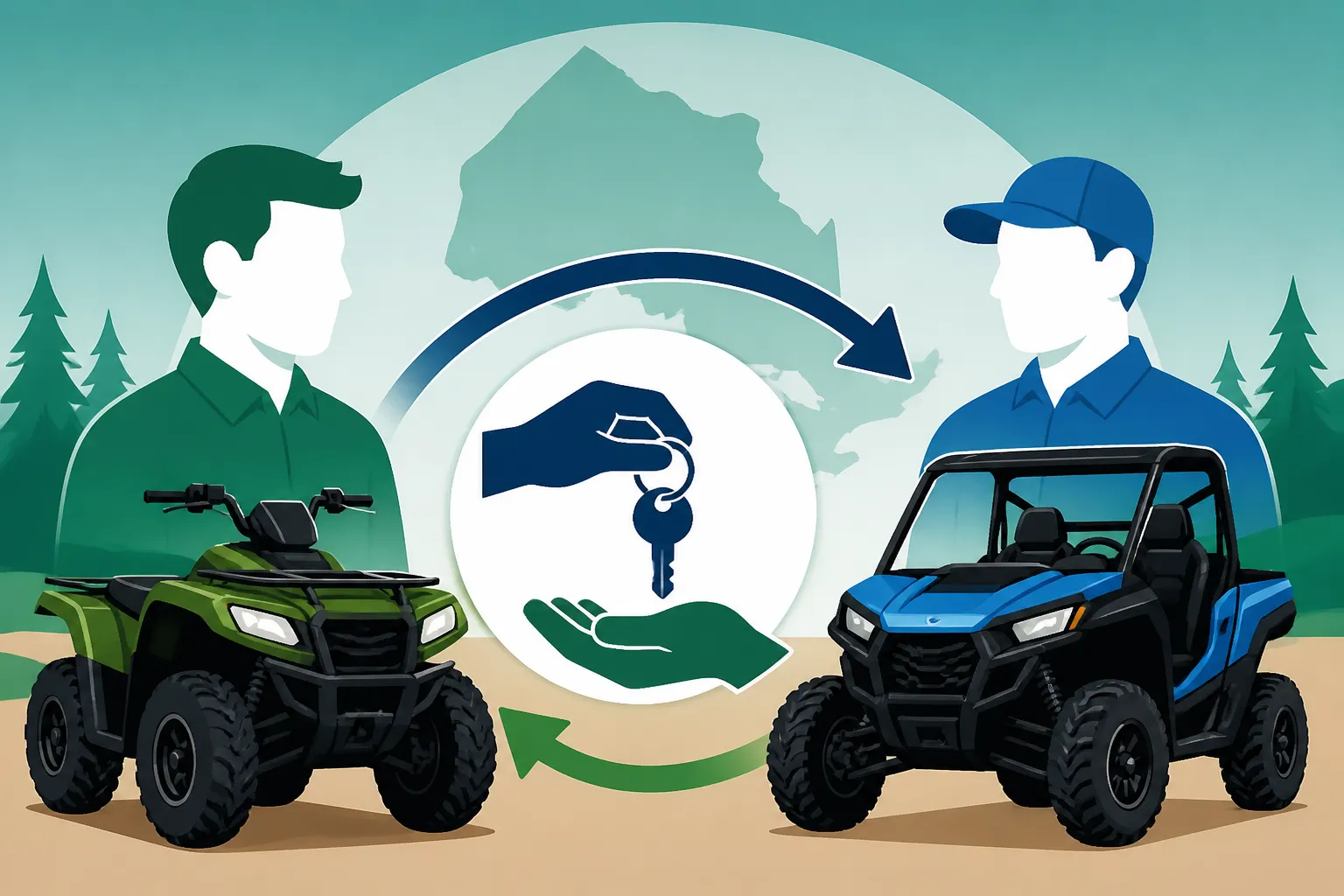
When you buy or sell a used ATV or UTV in Ontario, it's not enough to simply hand over the keys and shake hands. There's a vital legal step that ensures the machine is officially recognized as belonging to its new custodian: transferring the registration. This isn't just bureaucratic red tape; it's a crucial part of proving ownership and staying on the right side of the law.
Why Proper Transfer Matters Even for Used Machines
Imagine buying a fantastic used quad, only to find out months later that the previous owner never officially took it out of their name. Or, as a seller, picture receiving a ticket for an ATV you no longer own, simply because the new owner never registered it. These are real-world scenarios that can quickly turn a fun hobby into a legal headache. Proper registration transfer establishes clear legal ownership, protecting both the buyer from potential claims against the previous owner and the seller from liability once the machine leaves their hands. In Ontario, your ORV (Off-Road Vehicle) permit is your primary proof of ownership, akin to a car's ownership document. Without a properly transferred permit, you don't legally own the machine, even if you paid for it. This is a common point of confusion, as many people coming from other jurisdictions might be used to a separate "title" document, but here in Ontario, the permit serves that critical role.
The Key Document: Your Ontario ORV Permit
At the heart of every ATV or UTV ownership transfer in Ontario is the Ontario Vehicle Permit for Off-Road Vehicles. This isn't just a piece of paper; it's the official record of the machine's identification number (VIN), make, model, and, most importantly, the registered owner. When an ATV or UTV changes hands, this permit must be physically transferred and updated. The back of the permit has designated sections for the seller to sign and fill in the buyer's details. It's a critical document that both parties need to understand and handle correctly. Losing this permit before a sale can add significant complications, so always ensure it's kept safe and sound.
When a Transfer Needs to Happen
Ontario has specific rules about how quickly a new owner must register an ORV after purchase. You generally have [Six Days From Purchase in Ontario] to visit a ServiceOntario centre and complete the transfer process. This deadline is in place to ensure that the ownership records are updated promptly and accurately. Missing this deadline can lead to complications and potential fines, so it's always best to act swiftly. For sellers, while your responsibility ends once you've properly signed over the permit and provided a bill of sale, it's always a good idea to remind the buyer of their obligation to complete the transfer promptly. This also helps ensure that any future issues with the machine are clearly the responsibility of the new owner on record.
Step-by-Step Guide for Sellers: Handing Off Your Quad
Selling your beloved ATV or UTV can be bittersweet, but making sure the paperwork is in order will prevent future regrets. Your role as a seller is to provide the buyer with all the necessary documentation to transfer the registration into their name seamlessly.
Preparing Your ATV for Sale and Paperwork
Before you even list your ATV for sale, take the time to clean it up, address any minor maintenance issues, and gather all the important documents. A well-presented machine with all its paperwork in order will inspire confidence in potential buyers. Your primary document will be the Ontario ORV Permit. Make sure it's not lost, damaged, or unreadable. Having it readily available shows you're a responsible seller. It's also a good idea to have any service records or manuals handy, as these can add value and transparency to your sale. A clear, well-maintained machine with transparent documentation is far more appealing and helps smooth the transaction process.
Completing the Bill of Sale
A bill of sale is your legal receipt and proof of transaction. While the Ontario ORV Permit handles the transfer of registration, the bill of sale confirms the details of the actual sale between you and the buyer. This document should include:
- The full names and addresses of both the seller and the buyer.
- The date of the sale.
- A detailed description of the ATV/UTV, including its make, model, year, and most importantly, the Vehicle Identification Number (VIN). The VIN is unique to your machine and links the bill of sale directly to the physical ATV.
- The purchase price agreed upon.
- A statement confirming the machine is being sold "as-is," if that's the case (which is typical for private sales).
- Signatures of both the seller and the buyer.
Having a professionally drafted bill of sale can provide an extra layer of protection. Resources like LawDepot offer templates that you can customize to ensure all the necessary legal jargon is included, protecting both parties from future disputes. Make sure both you and the buyer sign two copies, with each party retaining one original. This way, everyone has a record of the transaction.
Signing Over the Ontario ORV Permit
This is the critical moment for the transfer of legal ownership. On the back of your Ontario ORV Permit, you'll find designated sections for "Transfer of Ownership" or similar phrasing. As the seller, you will need to:
- Locate the "Seller" section: This is where you, the current registered owner, sign.
- Fill in the buyer's details: You'll need the buyer's full legal name and address. Make sure this information is accurate and matches the buyer's identification.
- Enter the date of sale: This should match the date on your bill of sale.
- Confirm the purchase price: Some permits have a space for the sale price, which is important for the Retail Sales Tax calculation later.
It's absolutely essential that the permit is signed clearly and correctly. Any errors or illegible handwriting could cause delays for the buyer at ServiceOntario. It’s a good practice to walk through this step with the buyer present, ensuring all fields are filled out to everyone's satisfaction.
What the Seller Does NOT Do
Many sellers mistakenly believe they need to accompany the buyer to ServiceOntario or take their permit there themselves. This is not the case. Once you have properly signed over the permit and provided a valid bill of sale to the buyer, your responsibility for the transfer is largely complete. You do not need to cancel the registration or notify ServiceOntario directly that you've sold the machine, as the buyer's registration process will update the records. Your job is to equip the buyer with the correct, completed documentation so they can complete their part of the process.
Step-by-Step Guide for Buyers: Making It Yours
Congratulations on your new-to-you ATV or UTV! Now, let's make it officially yours by properly transferring the registration. This part requires careful attention to detail and a trip to ServiceOntario.
Verifying Ownership and Machine Details Before You Buy
Before you even hand over any cash, it's absolutely paramount to do your due diligence. You need to ensure the person selling the ATV actually owns it and that the machine isn't stolen or encumbered by any liens.
- Check the VIN: Compare the Vehicle Identification Number on the Ontario ORV Permit with the VIN stamped on the actual frame of the ATV. They must match perfectly. If they don't, walk away.
- Verify Seller ID: Ask to see the seller's identification to ensure their name matches the name on the ORV permit. This prevents purchasing from someone who isn't the legal owner.
- Perform a Lien Check: A lien means someone else (like a bank or finance company) has a claim against the ATV. You don't want to buy a machine with an outstanding debt! You can perform a lien check through a personal property registry search. This small investment can save you huge headaches down the road. For more on these crucial checks, refer to [Ontario ATV VIN Check Before Buying] and [Ontario ATV Lien Check Before Buying].
- Inspect the Bill of Sale: Ensure the bill of sale clearly states the seller's and your information, the date, purchase price, and the full VIN of the machine.
Taking these steps before the sale is complete can protect you from potential fraud or inheriting someone else's financial obligations.
The Documents You Need to Bring to ServiceOntario
Once you've bought the ATV and the seller has completed their part, you'll need to visit a ServiceOntario centre. Make sure you have the following essential documents with you:
- The signed-over Ontario ORV Permit: This is the original permit, with the seller's signature and your details filled in on the back.
- A completed Bill of Sale: Your copy of the bill of sale, signed by both you and the seller. This proves the transaction and the purchase price.
- Your personal identification: A valid Ontario driver's licence or other government-issued ID.
- Proof of Insurance: While you may not need to show proof of insurance at ServiceOntario to transfer the permit, remember that [Ontario's Mandatory ORV Insurance] is required before you ride the machine anywhere, including private property. It's a good idea to have it arranged beforehand.
Gathering all these documents before your visit will make the process much smoother. For a more detailed look at the registration process, check out [Registering an ORV at a ServiceOntario Centre].
The ServiceOntario Visit: What to Expect
When you arrive at ServiceOntario, you'll present your documents. A ServiceOntario representative will review them, verify the information, and guide you through the next steps.
- Verification: The agent will check the signed-over permit and bill of sale for accuracy and completeness.
- Retail Sales Tax (RST) Payment: This is a crucial step for buyers. You will pay the 13% Ontario Retail Sales Tax on the purchase price of the ATV at ServiceOntario. This tax is typically based on the agreed-upon price on your bill of sale, unless the stated price is deemed significantly below market value, in which case ServiceOntario may use a valuation guide. You pay this directly to the government, not to the seller.
- New Permit Issuance: Once everything is verified and the RST is paid, ServiceOntario will issue a brand-new Ontario ORV Permit in your name. This is your official proof of ownership.
- Plate Transfer (if applicable): While the plate typically stays with the machine in Ontario, the permit is what changes hands. If the machine didn't have a plate for some reason, you'd be issued one.
Remember to keep your new permit safe! It's an important document that you should carry with you or have a true copy of when riding.
What Happens if the Seller Doesn't Have the Permit?
This is a tricky situation, and unfortunately, it's not uncommon. If the seller can't produce the original Ontario ORV Permit, the transfer process becomes significantly more complicated. You cannot transfer registration without the permit. In such cases, the seller would typically need to apply for a replacement permit before they can sell the machine to you. This involves them proving ownership to ServiceOntario, which can take time and may require additional documentation like old bills of sale or sworn affidavits. As a buyer, if a seller doesn't have the permit, it should raise a red flag. Proceed with extreme caution, and ideally, insist the seller obtains a replacement permit first. If you find yourself in this predicament, resources like [Ontario ATV Registration Without a Bill of Sale] and [Proving You Own a Quad With No Papers] might offer further guidance on how to navigate these difficult waters, but it's always best to have the original permit.
Common Pitfalls and How to Avoid Them
Even with a clear process, some common mistakes can derail an ATV registration transfer. Being aware of these can save you a lot of grief.
The Importance of a Detailed Bill of Sale
We've touched on this, but it bears repeating: a vague or incomplete bill of sale is a recipe for disaster. For sellers, it protects you from claims that the machine was misrepresented. For buyers, it establishes the agreed-upon price and condition. Make sure it explicitly states the "as-is" condition common in private sales, meaning the buyer accepts the machine in its current state without warranties from the seller. Don't be shy about adding specific details about known issues if you're the seller, for full transparency. Using a reputable template, perhaps from a service like LawDepot, can ensure all legal bases are covered and reduce the chances of misunderstandings after the sale.
Understanding Retail Sales Tax (RST) on Used ATVs
Many new buyers are surprised by the 13% RST on their used ATV purchase. It's crucial to understand that this tax is paid by the buyer directly to ServiceOntario at the time of transfer, not to the seller. This is a common point of confusion, and sellers should make it clear to prospective buyers to avoid sticker shock. The tax is calculated on the higher of either the declared purchase price on the bill of sale or the wholesale market value (Red Book value, though ORVs often don't have one in the same way cars do) if ServiceOntario deems your declared price too low. Always be prepared for this expense when budgeting for your new machine. For more details on this, see [13 Percent RST on an Ontario ATV] and [Ontario RST Paid at the Counter, Not to the Seller].
Dealing with Lost or Missing Plates
In Ontario, an ORV plate is associated with the machine, not the owner. So, when you sell an ATV, the plate should stay with it. However, sometimes plates get lost, damaged, or simply go missing. If a plate is lost before the sale, the seller should ideally replace it before the transaction. If the buyer takes possession of the machine without a plate, they will need to apply for a replacement plate when they transfer the registration. This will incur an additional fee. It's always best to ensure the machine has its plate at the time of sale. If you need to replace a plate, the process is straightforward at ServiceOntario. You can learn more about this by checking out [Replacing a Lost Ontario ORV Plate].
Transfers Involving Gifts or Family Members
Special rules apply when an ATV or UTV is transferred as a gift or between immediate family members. In certain circumstances, you might be exempt from paying the Retail Sales Tax. For instance, a direct gift from a parent to a child, or a spouse, might qualify for a tax exemption. However, strict criteria usually apply, and you'll often need to fill out a specific form at ServiceOntario to claim this exemption. Don't just assume it's tax-free; always verify the requirements before your visit. This can be a significant saving for families looking to share their love of riding. More information can be found in [The Family Gift Exemption in Ontario].
Summary of Responsibilities
To make things clear, here’s a quick breakdown of who does what during an Ontario ATV registration transfer:
| Responsibility | Seller | Buyer |
|---|---|---|
| Provide Original Permit | Yes (signed over) | Receive and present |
| Create/Sign Bill of Sale | Yes (create and sign) | Yes (review and sign) |
| Verify VIN/Ownership | No (but good practice to confirm own documents) | Yes (crucial before purchase) |
| Pay Retail Sales Tax (RST) | No | Yes (at ServiceOntario) |
| Visit ServiceOntario | No (unless replacing a lost permit beforehand) | Yes (within six days of purchase) |
| Receive New Permit | No | Yes |
| Arrange Insurance | No (ensure current policy is cancelled post-sale) | Yes (before riding) |
This table provides a quick reference, but remember to always follow the detailed steps above.
Disclaimer
This article is for general informational purposes only and does not constitute professional advice. Laws, prices and regulations vary by location and change over time. Consult a qualified professional for guidance on your specific situation.