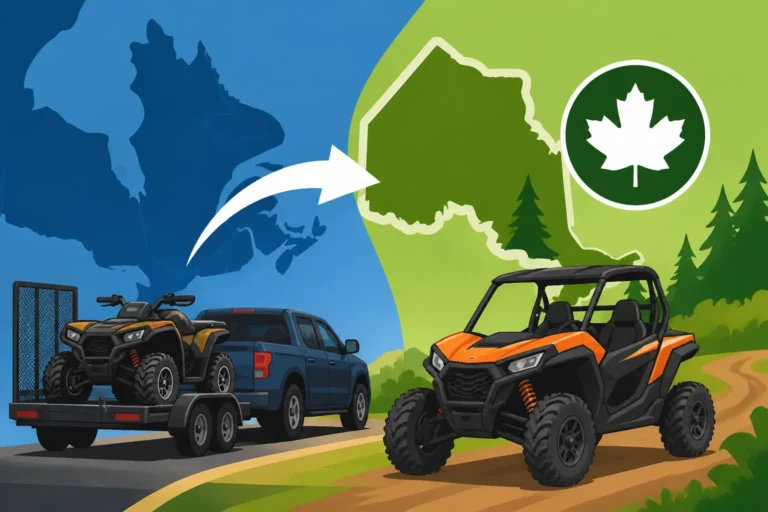
Bringing a Michigan Quad Across the Border to Ride
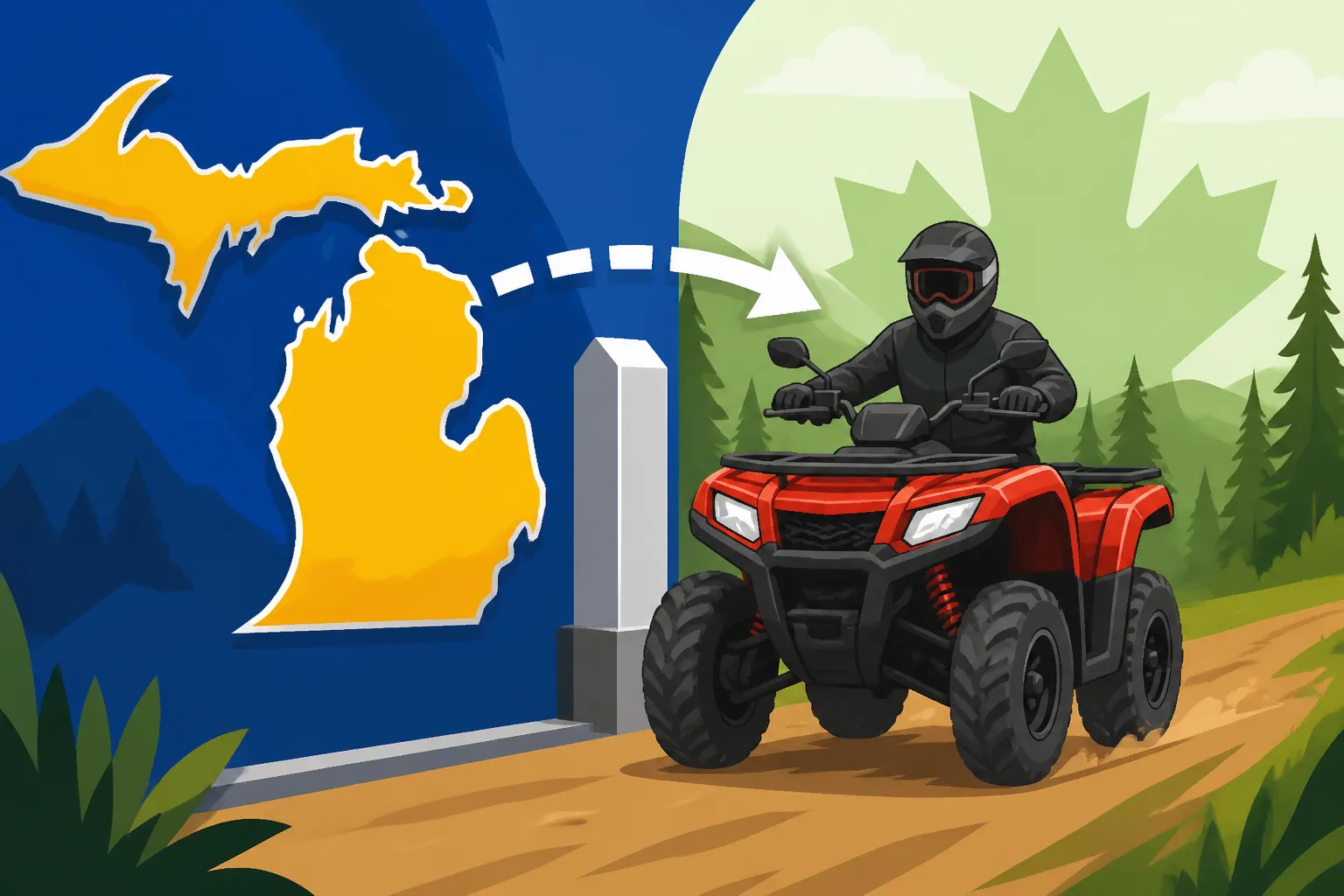
Planning an ATV or UTV adventure from Michigan into the stunning landscapes of Ontario can be incredibly exciting, but the thought of navigating another country's rules can quickly dampen the thrill. Many riders worry about complex registration requirements, what documents they'll need at the border, and if their Michigan-plated machine is even allowed on Ontario's trails and roads. This guide aims to clear up all that confusion, offering practical advice and peace of mind so you can focus on the ride, not the red tape.
Understanding Ontario's Requirements for Visiting Riders
Bringing your quad across the border for a temporary visit is a common scenario, and thankfully, Ontario has fairly straightforward rules for out-of-province machines. The biggest relief for many Michigan riders is that you generally won't need to re-register your ATV or UTV with the Province of Ontario if you're just visiting. However, there are crucial permits and documentation you'll need to have in order.
Do You Need to Register Your Michigan Quad in Ontario?
Let's get this common concern out of the way right from the start: if you're a Michigan resident bringing your ATV or UTV into Ontario for recreational riding, you typically do not need to obtain an [Ontario's One-Time ORV Permit] or an [Ontario Vehicle Permit Explained] from ServiceOntario. Your valid Michigan registration and plate are usually recognized for temporary visits. This is a huge relief, as going through a full registration process for a short trip would be a real hassle.
The key here is "temporary visit." If you were, for example, relocating to Ontario and bringing your quad with you permanently, that would be a different story. But for a weekend trip or a week-long trail excursion, your Michigan paperwork holds weight. The province of Ontario recognizes that visitors aren't going to set up permanent residence for a few days of riding, and their existing registration is sufficient for identification purposes. However, while you don't need registration, you will absolutely need a trail permit if you plan to hit any organized trail systems, and robust insurance is non-negotiable.
The Importance of an Ontario Trail Permit
While you might not need to officially register your Michigan quad in Ontario, you will almost certainly need an OFATV (Ontario Federation of ATV Clubs) trail permit if you plan on riding on any designated club trails. These trails, which make up the vast majority of accessible, maintained, and legally sanctioned riding areas across Ontario, require a valid permit sticker displayed on your machine. Think of it like a state park pass or a specific trail system permit you might buy in Michigan – it grants you access and helps fund the upkeep of the trails you're enjoying.
The permit system helps support the immense work done by local clubs, from maintaining trails and bridges to ensuring proper signage. Without it, these trails simply wouldn't exist or would quickly fall into disrepair. You can purchase these permits online before your trip or sometimes at local vendors once you arrive. Just make sure the permit is clearly visible on your ATV or UTV, usually on the front or rear, as trail wardens and law enforcement do check. You can find more details on [Ontario ATV Trail Permits Explained] and [The OFATV Permit and What It Costs in Ontario] to plan your purchase. Riding on these trails without a permit can lead to fines and an uncomfortable interaction with local authorities.
Insurance for Cross-Border Riding
This is not a suggestion; it's a hard requirement. [Ontario's Mandatory ORV Insurance] is a critical piece of the puzzle for any rider in the province, whether you're a local or a visitor from Michigan. Every ATV or UTV operated in Ontario, regardless of where it's registered, must be covered by a motor vehicle liability insurance policy. This policy needs to provide at least the minimum coverage required by Ontario law. This isn't just about protecting your machine; it's about protecting yourself and others in case of an accident.
Before you even load your quad onto the trailer, contact your insurance provider in Michigan. Explain that you'll be riding in Ontario and confirm that your current policy extends coverage into Canada, specifically for off-road vehicle use, and meets Ontario's minimum liability requirements. Some policies have geographical limits or specific exclusions for out-of-country riding. Getting this sorted beforehand means you won't be caught unaware if an incident occurs or if you're stopped by an officer. Carrying proof of this insurance, like your insurance card, is just as important as carrying your driver's licence. The fines for riding uninsured in Ontario can be substantial, and nobody wants that kind of souvenir from their vacation.
Necessary Documents and Preparations Before You Cross
Crossing an international border, even between friendly neighbours like Michigan and Ontario, requires preparation. Having all your ducks in a row concerning documentation will make your experience at the Canada Border Services Agency (CBSA) booth smooth and stress-free.
Proof of Ownership and Registration
When you approach the border, the CBSA officer will want to verify your identity and the legality of your vehicle. For your ATV or UTV, this means having solid proof of ownership. This typically includes your Michigan registration certificate and a bill of sale or title. Ensure these documents are easily accessible, not buried at the bottom of a gear bag. If your original bill of sale is lost or was a casual, handwritten note, you might consider drafting a more formal declaration of ownership. Services like LawDepot offer templates for such documents, which could give you extra peace of mind, although your state-issued registration is the primary document for proof of ownership for temporary visits.
If you're bringing a machine that isn't registered directly in your name – perhaps it's a company vehicle, or you're borrowing a friend's quad – you'll need additional documentation. For a borrowed machine, a notarized letter of permission from the registered owner is highly recommended. This letter should explicitly state that you have permission to take the ATV/UTV into Canada, include the machine's VIN, and the dates of your intended travel. Again, LawDepot could be a useful resource for finding a suitable template for such a letter, ensuring all the necessary legal language is included. It saves a lot of headaches if you can immediately show that you have legitimate possession of the vehicle.
Personal Identification and Customs Essentials
Beyond your ORV's paperwork, your personal identification is paramount. You'll need a valid passport or an enhanced driver's license (if you have one) to cross the border. Ensure these documents are current and won't expire during your trip.
When it comes to customs, be prepared to declare any goods you are bringing into Canada, especially if they are for commercial purposes or exceed personal use limits. For most recreational riders, this might include things like extra fuel cans, camping gear, and personal effects. Be honest and straightforward with the border officer. If you're carrying a firearm, be acutely aware of Canada's strict firearms laws – it's often best to leave them at home unless you have pre-arranged import permits. Failure to declare items, especially restricted ones, can lead to significant delays, fines, or even seizure of your property. Remember, the goal is a quick and pleasant crossing so you can get to the trails.
Preparing Your ATV/UTV for Travel
Before you hit the road, make sure your ATV or UTV is clean. This isn't just for aesthetics; border agencies are vigilant about preventing the spread of invasive species. Mud, plant material, and even foreign insects could be lurking on your machine. A thorough wash before you leave Michigan can prevent delays or even refusal of entry at the border.
Secondly, ensure your trailer and tie-downs are secure and in good working order. A loose quad or a broken trailer light is an invitation for a roadside stop, which could be inconvenient on either side of the border. Check tire pressure on both your tow vehicle and trailer, and make sure all lights are functional. Having an extra set of trailer lights or a spare tire for your trailer isn't a bad idea, especially if you're heading to more remote parts of Ontario. Thinking ahead about these small details can prevent major disruptions to your trip.
Rules of the Road and Trails for Out-of-Province Quads
Once you're across the border, understanding Ontario's specific rules for ATV and UTV operation is crucial. These aren't necessarily the same as Michigan's, and ignorance of the law is not an excuse.
Road Riding Regulations for Visitors
Ontario has very specific and often restrictive rules about riding ATVs and UTVs on public roads. While some municipalities have opened certain roads to ORVs, this is far from universal. Unlike some areas in Michigan where ORVs might be commonly seen on road shoulders, Ontario is generally much stricter. Your Michigan licence plate does not grant you special privileges; you must abide by Ontario's [Riding an ATV on Ontario Roads] regulations.
Key points include:
- Licence: You'll need at least a valid G2 or M2 licence equivalent (or a full G or M licence) from your home state. A G1 or M1 equivalent is generally not sufficient for road use.
- Equipment: Your ATV or UTV must meet specific equipment requirements for road use, including mirrors, lights, a horn, and often a seatbelt for UTVs.
- Speed Limits: On roads where ORVs are permitted, there are often strict speed limits, typically 20 km/h in areas with posted limits up to 50 km/h, and 50 km/h where the posted limit is higher.
- Municipal Bylaws: The most important aspect is checking local municipal bylaws. Just because you see a sign allowing ORVs in one township doesn't mean the next one over permits it. You might want to refer to [Checking a Township's ORV By-law] for specific areas you plan to visit. Often, municipalities only open roads to connect trail sections or provide access to services. Do not assume; verify. It's often safer and less complicated to trailer your machine directly to a trailhead.
Trail System Rules and Access
While on the trails, you'll be subject to the rules of the OFATV or other land managers, in addition to provincial laws. This includes displaying your trail permit prominently, respecting private property boundaries, and staying on marked trails. Ontario's trails often wind through sensitive ecosystems, and going off-trail can lead to environmental damage and fines.
Many trail networks, like those found in [Ontario's OFATV Trail Network], are meticulously maintained by volunteers. Respecting trail signage, closure dates (especially during spring thaw), and general trail etiquette (like yielding to hikers or horseback riders if on multi-use trails) helps ensure these resources remain open for everyone. Be mindful of quiet hours if riding near residential areas or campgrounds, and always pack out what you pack in. Understanding [Where to Ride an ATV in Ontario] will help you plan your trip to areas that are ORV-friendly.
Helmet and Safety Gear Requirements
Ontario has strict helmet laws for ORV operators and passengers. Everyone riding an ATV or UTV, regardless of age, must wear an approved motorcycle helmet. This isn't just a recommendation; it's the law. The helmet must be properly fastened with a chin strap. This applies to both on-road and off-road riding, with very few exceptions (like riding on private property you own). So, make sure everyone in your group has a properly fitted, DOT-approved helmet. For more information, you can read up on [Helmet Rules for Ontario Riders].
Beyond helmets, other safety gear is highly recommended. Sturdy boots, long pants, long-sleeved shirts, and gloves can protect you from scrapes, branches, and the elements. Eye protection is also crucial to shield your eyes from dust, mud, and debris. While Ontario doesn't typically mandate these specific items, they are common sense for safe riding. Remember, enjoying the beautiful Ontario wilderness means riding responsibly and safely.
Practical Tips for a Smooth Cross-Border ATV Adventure
Preparing for an international ATV trip can feel like a lot of work, but with a bit of foresight, you can ensure your Michigan quad adventure in Ontario is memorable for all the right reasons.
Planning Your Route and Permits
Before you leave Michigan, thoroughly plan your riding route in Ontario. Identify the specific trail networks you intend to use and purchase your OFATV permits in advance. This saves time and ensures you're compliant from the moment you hit the first trail. Many clubs offer online purchasing, making it easy to get your sticker mailed to you or ready for pickup.
Consider the duration of your stay and whether a day, three-day, or annual permit makes the most sense. For families or groups, look into potential discounts. Knowing exactly where you're going will also help you identify areas with open roads versus those where you'll need to trailer between trailheads. Carrying physical maps in addition to GPS can be a lifesaver, especially in remote areas where cell service might be spotty.
Navigating Potential Border Issues
While most border crossings are smooth, be prepared for potential questions from CBSA officers. They might ask about the purpose of your trip, how long you plan to stay, where you're going, and what items you're bringing into Canada. Be honest, polite, and have all your documents ready. If you're borrowing a machine or have an unusual ownership situation, having that additional legal documentation (like a letter from LawDepot) can preempt deeper scrutiny.
Table: Essential Documents for Michigan Riders Entering Ontario
| Document Category | Required for Rider | Required for ATV/UTV | Notes |
|---|---|---|---|
| Identification | Valid Passport or EDL | N/A | Must be current for all individuals. |
| Vehicle Ownership | N/A | Michigan Registration | Must be in your name; original Bill of Sale or Title is highly recommended. |
| Permission Letter | N/A | For borrowed machines | Notarized letter from owner (LawDepot template useful here). |
| Insurance | Proof of ORV Insurance | Proof of ORV Insurance | Must meet Ontario minimum liability, check with your insurer. |
| Trail Access | OFATV Trail Permit | OFATV Trail Permit | Mandatory for most organized trails in Ontario. |
| Driver's Licence | Valid G2/M2 equivalent | N/A | Required for any road riding in Ontario. |
| Customs Declaration | All declared goods | N/A | Be honest about all items crossing the border. |
Finding Local Information and Assistance
Once in Ontario, don't hesitate to seek out local information. Local ATV clubs are an incredible resource for trail conditions, local bylaws, and general riding advice. Many trail towns have visitor centres that can provide maps and recommend services. If you have questions about specific regulations, contact the Ontario Provincial Police (OPP) non-emergency line or ServiceOntario.
Being a good visitor means being informed and respectful of local customs and laws. The vast majority of Ontario residents are welcoming to responsible ORV enthusiasts. By doing your homework, having your paperwork in order, and adhering to the rules, your cross-border ATV adventure from Michigan to Ontario will be an unforgettable experience filled with incredible trails and stunning scenery.
Disclaimer
This article is for general informational purposes only and does not constitute professional advice. Laws, prices and regulations vary by location and change over time. Consult a qualified professional for guidance on your specific situation.