Helmet Rules for Ontario Riders
Many Ontario ATV and UTV riders feel a constant swirl of confusion when it comes to helmet rules. Is it only on public roads? What about my own property? Do passengers need one too? This comprehensive guide will clear up all that uncertainty, diving deep into exactly what the law requires for helmets in Ontario, so you can ride confidently, legally, and most importantly, safely.
Understanding Ontario's Core Helmet Laws for ORVs
Riding an off-road vehicle (ORV) in Ontario, whether it's an ATV, UTV, or dirt bike, comes with specific responsibilities, and few are as critical as helmet use. It’s not just a suggestion; it's a fundamental part of the province's safety regulations, designed to protect riders from serious injury. The province's approach to ORV safety is rooted in preventing tragic outcomes, acknowledging the inherent risks of off-road riding. Many riders, especially those new to the sport or visiting from other regions, often underestimate the strictness of these regulations, leading to potential fines and, more concerningly, avoidable accidents.
Why Helmets Are Non-Negotiable
The primary reason helmets are mandatory in Ontario is straightforward: head protection. Collisions, rollovers, and even simple falls are unfortunate realities of off-road riding, and the head is one of the most vulnerable parts of the body. A properly fitted and approved helmet can absorb significant impact energy, reducing the risk of concussions, skull fractures, and other severe head trauma. Think about the varied terrain you encounter – rocks, trees, sudden drops, and other machines. An unexpected spill can happen to even the most experienced rider, and the ground, or any obstacle, shows no mercy. Without a helmet, even a low-speed incident can have devastating, life-altering consequences. This isn't about hindering your fun; it's about preserving your ability to have fun for many years to come.
The Legal Framework: The Off-Road Vehicles Act
In Ontario, the rules governing ORV use, including helmet requirements, are primarily outlined in the Off-Road Vehicles Act. This piece of legislation dictates everything from registration and licensing to safety equipment. Specifically, it mandates that all operators and passengers of an ORV wear an approved helmet when riding on certain lands, including public roads where ORVs are permitted, and the majority of trails. The Act doesn't differentiate much between an ATV and a UTV (which falls under the Recreational Off-highway Vehicle, or ROV, class), ensuring a consistent safety standard across most off-road machines. This legal framework is what gives law enforcement the authority to issue tickets and ensure compliance, making it clear that helmet use isn't just a best practice, but a legal obligation. For anyone hitting the trails or heading down a country road, understanding [The Off-Road Vehicles Act and Ontario Riders] is crucial.
Dispelling Common Misconceptions About Helmet Use
There are several persistent myths about helmet use that can lead riders astray. One common misconception is that helmets are only needed when riding on roads, or that if a UTV has a roll cage and seatbelts, a helmet isn't necessary. This is absolutely not the case. As we'll delve into further, helmets are required in almost all riding scenarios in Ontario, regardless of the type of ORV or whether it has additional safety features. Another myth is that any old helmet will do, or that a cheap "novelty" helmet offers sufficient protection. Ontario law is very specific about approved helmets, meaning they must meet certain safety standards, not just look the part. Lastly, some riders believe that if they're on private property, helmet rules don't apply. While there are nuances, the safest and often legally compliant approach is to always wear an approved helmet. Ignoring these facts can put you at serious risk.
What Constitutes an Approved Helmet in Ontario?
It's not enough to simply wear a helmet; it must be an "approved" helmet. Ontario's regulations are quite clear on this point, distinguishing between helmets designed to provide actual protection and those that are merely for show. This distinction is critical not only for your safety but also for avoiding fines during a roadside check. An approved helmet has undergone rigorous testing to ensure it meets specific impact absorption and structural integrity standards, meaning it can actually do its job when it matters most.
Meeting the Safety Standards: CSA, DOT, ECE
When we talk about "approved" helmets in Ontario, we're referring to those certified by recognized safety standards organizations. The most common certifications you'll see are:
- CSA (Canadian Standards Association): A Canadian standard that ensures products meet specific safety requirements. If your helmet has a CSA sticker, it's generally good to go in Ontario.
- DOT (Department of Transportation): This is a US standard, but helmets meeting DOT FMVSS 218 are widely accepted in Canada. Many helmets sold in Ontario will carry this certification.
- ECE (Economic Commission for Europe): This is a European standard, often recognized for its stringent testing. Helmets with an ECE 22.05 or 22.06 sticker are also approved for use in Ontario.
You’ll typically find a sticker or label inside the helmet, or sometimes on the back, indicating which standard it meets. It's imperative that your helmet displays one of these certifications. Without it, even if it looks like a sturdy helmet, it may not be considered legal by Ontario authorities. Always check for these labels before purchasing and certainly before heading out for a ride. To learn more, check out [Approved Motorcycle Helmets in Ontario].
Specific Features: Chin Straps, Visors, and Fit
Beyond the certification sticker, an approved helmet must be in good condition and worn correctly. This means a few key things:
- Chin Strap: The chin strap isn't just there to keep the helmet on your head; it's a vital safety component. It must be fastened securely. A loose or unbuckled chin strap means the helmet can come off in an accident, rendering it useless. Ontario law enforcement often checks for this, and a loose chin strap can lead to a ticket. [Chin Straps and Ontario Enforcement] are real, so always double-check it.
- Visors and Goggles: While not all ORV helmets come with integrated visors (many motocross-style helmets rely on separate goggles), any visor present should be clean, clear, and free from obstructions. If you use goggles, ensure they fit well with your helmet and provide clear vision. Tinted visors or goggles are generally fine for daytime riding, but a clear one is essential for low-light conditions or night riding.
- Fit: Perhaps most importantly, the helmet must fit properly. A helmet that's too loose will shift around, obstructing your vision and failing to provide maximum protection in a crash. One that's too tight will be uncomfortable and could even cause headaches, distracting you on the trail. It should feel snug all around your head, without painful pressure points, and when you try to move it from side to side or front to back, your scalp should move with it slightly. Your cheeks should feel a gentle pressure.
The Difference Between Approved and Novelty Helmets
It's easy to be fooled by what looks like a cool helmet but offers virtually no protection. "Novelty" helmets are typically thin-shelled, cheaply constructed helmets that might look like traditional motorcycle or ORV helmets but lack any safety certification. They are designed for aesthetics, not safety. You'll often see them without any internal padding or with flimsy chin straps. These helmets offer minimal, if any, protection against impacts and are illegal for use on ORVs in Ontario where a helmet is required. They will not pass muster during a roadside stop, and an officer will consider you to be riding without an approved helmet. Always purchase your helmet from a reputable dealer and verify the safety certifications to avoid this pitfall. Your brain is worth investing in a proper, approved helmet.
When and Where Helmets Are Mandatory
The question of when and where you need to wear a helmet is often where confusion truly sets in for riders. Ontario's rules aim for comprehensive safety, meaning that in most riding scenarios, a helmet isn't just a good idea, it's a legal requirement. Understanding these distinctions is crucial for both compliance and personal safety. Whether you’re cruising down a municipal road or exploring deep within Crown Land, knowing the law will keep you out of trouble.
On Public Roads and Highways
If you're riding your ATV or UTV on any public road in Ontario where ORVs are permitted – be it a municipal road, a regional road, or a section of a provincial highway that has been designated for ORV use – wearing an approved helmet is mandatory for both the operator and any passengers. This is non-negotiable. The rules for [Riding an ATV on Ontario Roads] are clear, and helmet use is at the top of the list. Even if the road is quiet, unpaved, or seems remote, if it's considered a public thoroughfare, the helmet law applies. This is where many riders get caught, assuming a gravel road isn't a "real" road in the eyes of the law. Always err on the side of caution: if you're on public access, wear your helmet.
Riding on Crown Land and Designated Trails
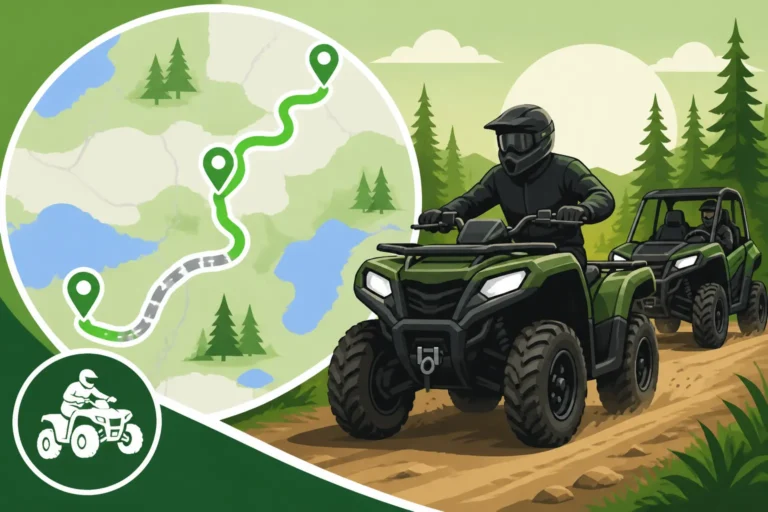
Ontario boasts vast expanses of Crown Land and an extensive network of designated ORV trails maintained by organizations like the OFATV (Ontario Federation of ATV Clubs) and HATVA (Haliburton ATV Association). When riding on these public or club-managed lands, an approved helmet is also mandatory. This includes areas where you might have a [Does an Ontario ATV Permit Expire?] annual trail permit, or even if you're just enjoying a day on free-use Crown Land. The safety regulations extend beyond paved or gravel roads to protect riders on all shared recreational spaces. Trail patrols and law enforcement do monitor these areas, and they will enforce helmet laws. You wouldn't want your exciting day of riding to end with a fine or, worse, an injury because you thought the deep woods were exempt from safety rules.
The Rules for Private Property and Farm Use
Here's where it gets a little more nuanced, but the recommendation remains the same: always wear a helmet.
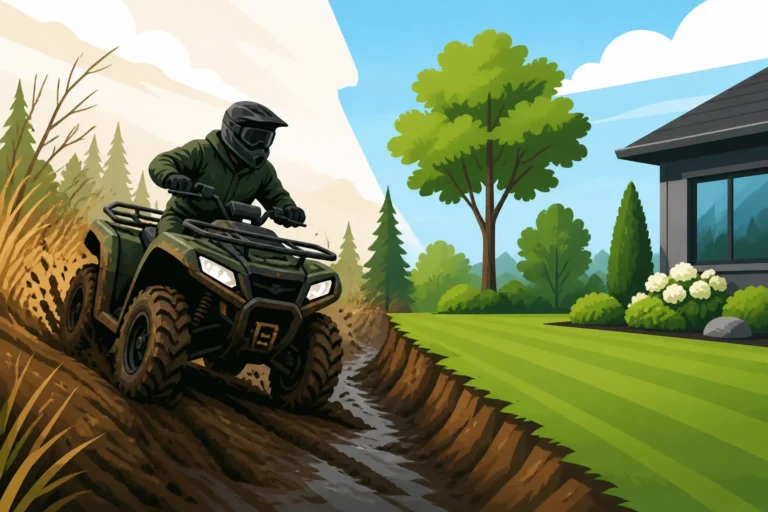
Legally, if you are riding an ORV exclusively on private property that you own or have explicit permission to use, and that property is not accessible to the public, Ontario law does not strictly mandate helmet use. This includes farm properties where the ORV is primarily used for agricultural purposes, provided it stays on the farm land. However, this legal exemption does not waive the safety benefits. Riders, especially young riders, can still suffer serious head injuries on private land. Many seasoned riders and safety advocates will tell you that the legal minimum shouldn't be your safety maximum. It’s always best practice to protect your head, regardless of whose land you’re on. For more insights on this specific topic, check out [Do You Need a Helmet on Your Own Property?].
Here's a summary of helmet requirements in Ontario:
| Location/Rider Type | Helmet Legally Required? | Type of Helmet | Notes/Exceptions |
|---|---|---|---|
| Public Roads (Open to ORVs) | Yes | Approved (CSA, DOT, ECE) | Chin strap fastened, good condition. Includes gravel and unpaved public roads. |
| Designated ORV Trails (OFATV, HATVA, VMUTS) | Yes | Approved (CSA, DOT, ECE) | Club rules often mirror provincial law. Applies to all users with a trail permit. |
| Crown Land | Yes | Approved (CSA, DOT, ECE) | Free use policy doesn't waive safety gear. Applies even in remote areas. |
| Private Property (Your Own Land) | No (but highly recommended) | Approved (CSA, DOT, ECE) | No legal mandate, but critical for safety. [Where the Helmet Rule Does Not Apply] explores this. |
| Private Property (With Permission) | No (but highly recommended) | Approved (CSA, DOT, ECE) | Landowner permission doesn't waive liability. Still best practice. |
| All Passengers (All Ages) | Yes | Approved (CSA, DOT, ECE) | Must fit properly. [Ontario ATV Helmet Law for Passengers] is clear on this. |
| Young Riders (Under 16) | Yes | Approved (CSA, DOT, ECE) | Proper fit is crucial. [Ontario's Off-Road Minimum Age of Twelve] still requires a helmet. |
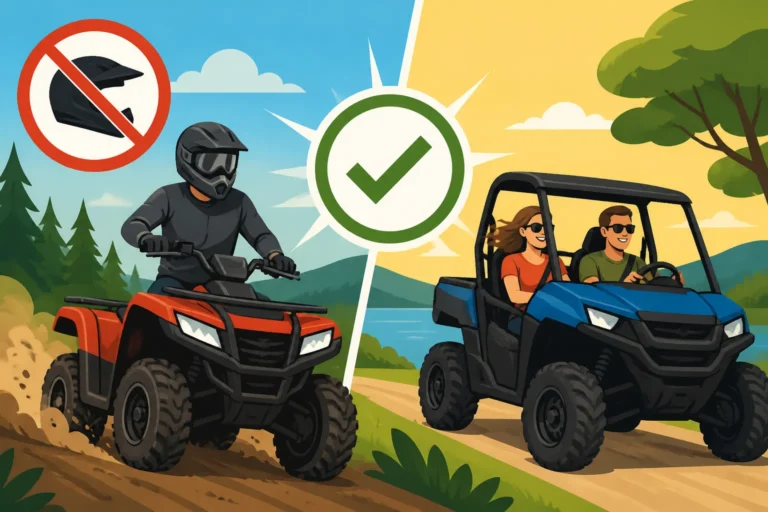
| UTV/Side-by-Side (ROV) | Yes | Approved (CSA, DOT, ECE) | Even with roll-over protection and seatbelts. |
Special Considerations for Passengers and Young Riders
The province of Ontario is particularly keen on protecting vulnerable riders, which often includes passengers and children. The helmet rules aren't just for the person operating the machine; they extend to everyone onboard. This comprehensive approach ensures that the enjoyment of an ORV adventure doesn't come at the cost of someone's safety, especially for those who might not have full control over the machine.
Helmet Requirements for All Passengers
If you're carrying a passenger on your ATV or UTV in Ontario, that passenger must also wear an approved helmet, securely fastened. This rule applies regardless of the passenger's age, riding experience, or the type of terrain you're on (as long as a helmet is required for the operator in that area). Think of it this way: if the driver needs head protection, so does anyone else sharing the ride. Accidents don't discriminate between operators and passengers. For a deeper dive into carrying someone else, look at [Ontario ATV Passenger Rules]. Ensuring your passenger has a helmet that fits correctly is just as important as ensuring your own. It's good practice to have spare, properly sized helmets on hand if you frequently take different passengers along for rides.
Specific Rules for Children and Minors
Children are especially vulnerable on ORVs, and Ontario's laws reflect this concern. Any rider under the age of 16 operating an ORV (or riding as a passenger where allowed) must wear an approved helmet. Even if a child is riding an age-appropriate machine on private property where adult operators might legally forgo a helmet, it's highly recommended – and often a club rule on trails – that children always wear one. For very young children, ensuring a helmet fits properly can be a challenge, so seek out youth-specific sizes and have them professionally fitted. A helmet that is too large can impair vision and offer minimal protection. When discussing [Ontario's Off-Road Minimum Age of Twelve], helmet use is an integral part of responsible riding education.
Riding Two-Up on a Single-Rider Machine
This is a critical area where many riders fall afoul of the law and put themselves and others at risk. By definition, a single-rider ATV is designed and intended for one person only. Attempting to carry a passenger on a single-rider ATV is not only illegal in most situations in Ontario but also extremely dangerous, as it can compromise the machine's stability and handling. Even if both individuals are wearing approved helmets, the act of riding two-up on a single-rider machine is prohibited on public roads and most trails. The law specifies that an ORV must be designed to carry a passenger if one is indeed riding. If you want to ride with a buddy or your child, invest in a "two-up" ATV or a side-by-side (UTV) that is explicitly designed and rated for multiple occupants.
UTVs, Side-by-Sides, and Helmet Use in Ontario
The rise in popularity of Utility Terrain Vehicles (UTVs) and Side-by-Sides (SxS) has introduced some new questions for riders, particularly regarding helmet requirements. Many UTVs come equipped with roll cages, seatbelts, and even windshields, leading some to believe that helmets might be optional, much like in a car. However, Ontario's law generally views these machines through a similar safety lens as ATVs, often requiring helmets.
Are Helmets Always Required in an ROV?
Yes, generally speaking, an approved helmet is required for both operators and passengers of Recreational Off-highway Vehicles (ROVs), which is the category UTVs and side-by-sides fall under in Ontario. This applies when operating on public roads where ROVs are permitted, on Crown Land, and on designated ORV trails. The presence of a roll cage and seatbelts, while excellent safety features, does not exempt you from the helmet law. These features protect against ejection and crushing injuries, but a helmet protects against head impacts, which can still occur within the confines of a roll cage, especially in a dynamic rollover or collision scenario. For explicit rules on these machines, check [Ontario UTV Road Rules]. It’s important to understand that the province prioritizes head protection regardless of other vehicle safety features.
The Impact of Roll-Over Protection and Seat Belts
While roll-over protection systems (ROPS) and seat belts in UTVs significantly enhance rider safety, they are not a substitute for head protection. Imagine a UTV rolling over: even if the roll cage prevents the vehicle from crushing you and the seatbelt keeps you inside, your head can still strike internal components of the cage, the ground, or debris. A helmet provides that crucial layer of cushioning and impact dispersion that seatbelts and ROPS simply cannot. Think of these safety features as complementary, not mutually exclusive. SuperATV, for instance, offers a range of UTV accessories like full windshields and roof kits that enhance comfort and protection from the elements, but none of these replace the need for an approved helmet. They work in conjunction with helmets to provide a safer overall riding experience.
Navigating the Grey Areas and Municipal By-laws
While provincial law is largely consistent, some minor "grey areas" might arise, particularly with municipal by-laws. When a municipality opens its roads to ORVs, its specific by-law may reiterate or slightly modify provincial expectations, but they cannot contradict the core provincial requirements, such as mandatory helmet use on public thoroughfares. It's always a good idea to [Checking a Township's ORV By-law] if you plan to ride within a specific municipal jurisdiction, but assume helmets are always required. For instance, if you’re riding a UTV equipped with a high-quality SuperATV suspension system that makes for a smoother ride, you still need to wear your helmet, whether on a back road or a rugged trail. The smoother ride helps prevent spills, but it doesn’t eliminate the risk of head injury.
Enforcement, Fines, and Roadside Checks
Understanding the helmet laws is one thing; knowing how they are enforced and the potential consequences of non-compliance is another. Ontario law enforcement, including the Ontario Provincial Police (OPP) and local municipal police forces, take ORV safety seriously, and roadside checks are a common occurrence, especially in popular riding areas or during peak seasons. Being prepared means not only having the right gear but also knowing what to expect.
What an Officer Looks For: Compliance and Condition
During a roadside stop, an officer will typically check several things related to your helmet. Firstly, they will verify that you and any passengers are actually wearing helmets. Secondly, they will check for an approved safety certification sticker (CSA, DOT, or ECE) inside or on the back of the helmet. If your helmet doesn't have one, it's considered unapproved. Thirdly, they'll ensure the helmet is in good condition, meaning no major cracks, exposed foam, or damaged chin straps. Lastly, and crucially, they'll confirm that the chin strap is securely fastened. A helmet that's approved but not properly secured is a failure in safety and compliance. When an officer is performing [What an Ontario Officer Checks Roadside], these helmet specifics are high on their checklist. Having your paperwork in order, like your ORV permit and insurance card, also makes the interaction smoother, but helmet compliance is usually the first visual check.
The Consequences of Non-Compliance: Fines and Safety
Riding an ORV without an approved helmet, or with one that is not properly fastened, can result in significant fines in Ontario. These fines are often substantial, designed to be a deterrent, and they can quickly put a damper on your riding budget. Beyond the immediate financial penalty, there's the much more serious safety consequence. If you're involved in an accident while not wearing a helmet, or wearing an unapproved one, you risk severe head trauma that could lead to long-term disability or even death. Furthermore, your insurance provider might scrutinize a claim if you were found to be non-compliant with safety laws, potentially affecting your coverage or payout. It's simply not worth the risk, both legally and physically. The rules are there to save lives and prevent devastating injuries.
Preventative Measures: Educate Yourself and Be Prepared
The best way to avoid fines and ensure your safety is through education and preparation. Before every ride, make it a habit to:
- Verify Helmet Approval: Double-check that your helmet and any passenger helmets have the required CSA, DOT, or ECE certification.
- Inspect Helmet Condition: Look for cracks, dents, or wear. If a helmet has been involved in an impact, even a minor one, it should be replaced, as its protective integrity may be compromised.
- Ensure Proper Fit and Fastening: Make sure helmets fit snugly and that all chin straps are securely fastened before starting the machine.
- Stay Informed: Keep up to date with any changes in provincial ORV laws or municipal by-laws that might affect helmet requirements.
- Carry Proof: While not directly related to helmets, always carry your [Ontario ATV Registration Paperwork] and proof of insurance. Being prepared for a roadside stop minimizes delays and shows you're a responsible rider.
Choosing the Right Helmet: Beyond the Law
While legal compliance is essential, choosing the right helmet goes beyond simply meeting the minimum requirements. Your comfort, specific riding style, and the conditions you often ride in should all play a role in selecting the perfect helmet. A well-chosen helmet enhances your riding experience by providing optimal protection, visibility, and comfort, allowing you to focus on the trail ahead.
Types of Helmets for ORV Riding: Full Face, Open Face, Modular
There are several types of helmets available, each with its own advantages for ORV riding:
- Full-Face Helmets: These offer the most comprehensive protection, covering your entire head, face, and chin. They are excellent for high-speed riding, protection from roost (dirt and debris kicked up by other riders), and bad weather. Many come with integrated visors. They can feel a bit warmer in hot weather, but excellent ventilation systems are common.
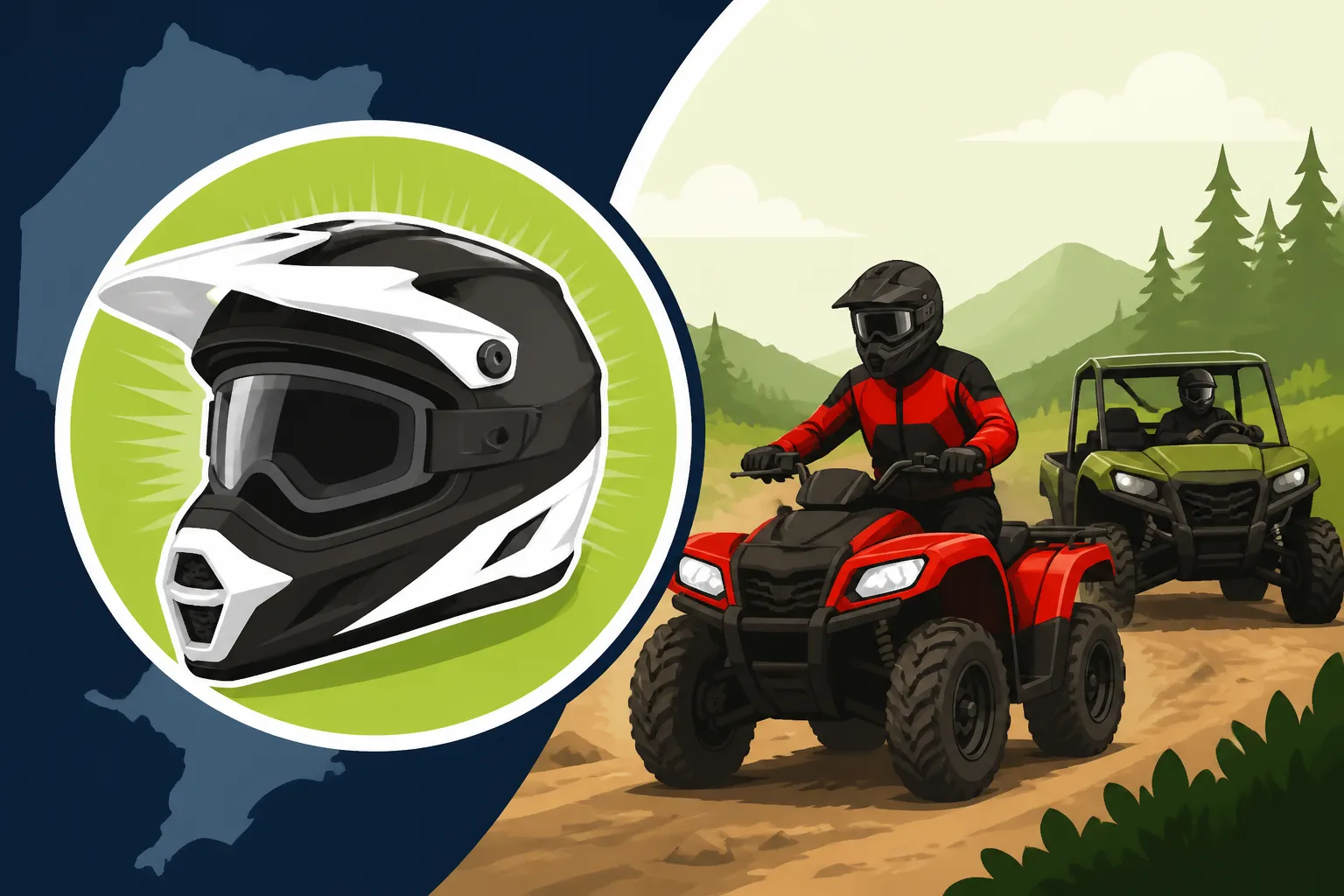
- Motocross/Off-Road Helmets: Characterized by an elongated chin bar and a prominent visor, these are designed for aggressive off-road riding. They typically require separate goggles, which offer superior ventilation and fog resistance compared to integrated visors, crucial for strenuous trail riding. The chin bar design provides extra protection and airflow for heavy breathing during exertion.
- Open-Face (3/4) Helmets: These cover the top, back, and sides of your head, but leave your face exposed. While not as protective as full-face or motocross helmets, some riders prefer them for their increased airflow and wider field of vision, especially for slower, recreational riding. However, they necessitate the use of goggles and offer no protection for your chin or jaw.
- Modular (Flip-Up) Helmets: These are a hybrid, combining aspects of full-face and open-face designs. The chin bar and visor can be flipped up, essentially converting it into an open-face helmet. They offer convenience for communication or quick stops but should always be ridden in the full-face, locked-down position for maximum protection.
Consider your primary riding environment. If you're frequently in dusty conditions, a good seal with goggles and a full-face or motocross helmet is key. If you are doing slower, technical riding, more ventilation might be preferred.
Ensuring the Perfect Fit and Comfort
A helmet's protective capabilities are severely compromised if it doesn't fit correctly.
- Measure Your Head: Use a cloth measuring tape around the largest part of your head, just above your eyebrows.
- Try It On: Helmets should fit snugly. It should feel tight but not painful. Your cheeks should be slightly compressed.
- Check for Movement: With the chin strap fastened, try to rotate the helmet from side to side and front to back. Your skin should move with the helmet; if the helmet slides independently, it's too big.
- Visibility: Ensure your field of vision isn't restricted.
- Pressure Points: Wear the helmet for a few minutes. Any immediate hot spots or painful pressure points indicate a poor fit.
Remember that padding will compress slightly over time, so a new helmet should feel quite snug. Don't be afraid to try on several brands and sizes; fit varies significantly. A well-fitting helmet from a reputable brand, perhaps one that also produces quality UTV accessories like SuperATV, is an investment in your safety and enjoyment.
Maintenance and When to Replace Your Helmet
Helmets aren't meant to last forever, and proper maintenance is crucial for their longevity and protective qualities.
- Cleaning: Regularly clean the exterior with mild soap and water. Remove and wash interior padding if possible, following manufacturer instructions. Keep visors and goggles clean for clear vision.
- Storage: Store your helmet in a cool, dry place away from direct sunlight, extreme temperatures, and harsh chemicals, which can degrade the shell and lining materials.
- Inspections: Periodically inspect the helmet for any signs of damage: cracks in the shell, fraying straps, loose components, or degraded foam.
- Replacement: Helmets are generally designed for a lifespan of five to seven years, even without visible damage. Over time, the materials in the shell and energy-absorbing liner degrade. Crucially, if a helmet has sustained any impact, even if it looks fine externally, it should be replaced immediately. The internal foam might be compromised, meaning it won't offer protection in a subsequent crash. Think of it as a single-use item in an accident. Never buy a used helmet, as its history and potential impacts are unknown.
Disclaimer
This article is for general informational purposes only and does not constitute professional advice. Laws, prices and regulations vary by location and change over time. Consult a qualified professional for guidance on your specific situation.