Parts of Highway 28 Open to Quads
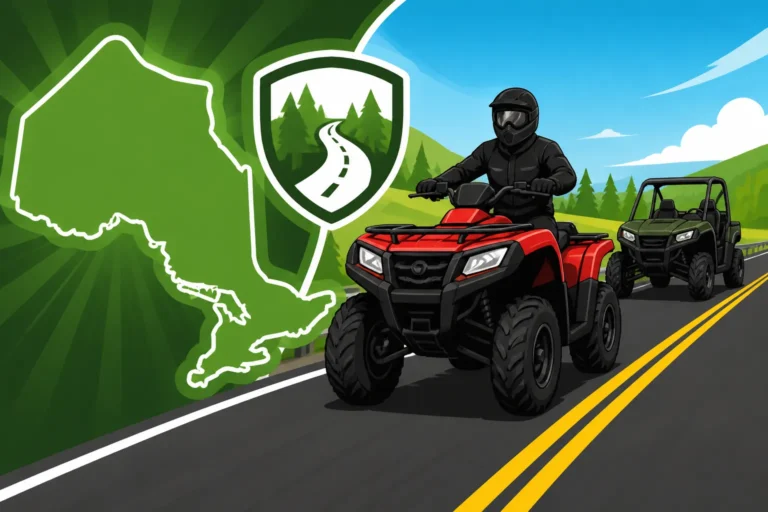
It can be incredibly frustrating to hear whispers about certain provincial highways being open to ATVs and UTVs, only to find the information vague or contradictory. You've got your machine ready, the sun is shining, and you just want to connect those incredible trail systems without breaking any rules or risking a hefty fine. This guide is here to unravel the specifics of riding your quad or side-by-side on parts of Highway 28 in Ontario, helping you understand where you can legally roll your tires and what you need to do to stay safe and compliant.
Understanding Ontario's ORV Road Rules
Navigating the rules for riding off-road vehicles (ORVs) on public roads in Ontario can feel like trying to untangle a ball of fishing line after a long day on the lake. You hear different things from different people, and the actual legislation can be dense. But before we get into the nitty-gritty of Highway 28, it’s crucial to understand the general framework that governs ORV access on Ontario's road network.
The General Rules for Highway Access
Generally speaking, Ontario's provincial highways, especially the major 400-series routes, are strictly off-limits to ATVs and UTVs. These roads are designed for high-speed vehicular traffic, and mixing in slower-moving ORVs would create a dangerous situation for everyone. The Off-Road Vehicles Act clearly lays out the parameters for ORV use, and for the most part, it keeps us off the big thoroughfares. Many riders initially assume all provincial highways are a no-go, which makes finding exceptions feel like a treasure hunt.
However, the province does recognize the need for riders to sometimes use short stretches of public road to get from one trail section to another, or to access services like fuel and food. This is where things get a bit more nuanced. Municipalities, through their own bylaws, have the power to open certain sections of roads within their boundaries to ORVs. This often includes municipal roads, and in specific, pre-approved cases, sections of provincial highways that run through their jurisdiction. It's not a free-for-all, though. When these roads are opened, strict conditions apply, including speed limits, which are often capped at [Ontario's 20 and 50 km/h Speed Limits], and requirements for proper lighting and insurance.
Why Certain Highways Are Different
So, why would some provincial highways, like parts of Highway 28, be different? The answer often lies in what's known as "Schedule B" designations or specific agreements between the Ministry of Transportation (MTO) and individual municipalities. Schedule B is essentially a list of provincial highway sections where ORV use is permitted, usually to connect critical trail networks, provide access to otherwise isolated communities, or facilitate movement for residents who rely on their ORVs. These aren't arbitrary decisions; they come about through careful consideration of traffic patterns, safety, and the local needs of communities that heavily rely on the tourism and recreation ORV riding brings.
Think of it this way: in many parts of rural Ontario, particularly in areas like Haliburton, the Kawarthas, or parts of Eastern Ontario, ORV trails are vital to the local economy and way of life. If a provincial highway cuts through an otherwise continuous trail system, or if there's a village that serves as a hub for riders, it makes sense to allow controlled access to ensure riders can complete their journeys or reach essential services. These are usually short, designated segments, and you won't typically find ORVs cruising for long distances on them. It's about connectivity, not highway travel. It's always crucial to look for official signage and consult the relevant municipal bylaws or OFATV (Ontario Federation of ATV Clubs) maps, as these are the definitive sources of truth on whether a specific section is open.
Diving Into Highway 28: What's Open to Quads?
Now, let's zoom in on Highway 28, a scenic route that winds its way through some of Ontario's most beautiful cottage country, passing through areas like Port Hope, Peterborough, Bancroft, and into cottage country north of there. Given its route through regions popular with ORV enthusiasts, it's not surprising that parts of it have seen discussions, and indeed designations, for ORV access.
The Specific Sections and Municipal Bylaws
Highway 28 is a provincial highway, meaning that normally, it would be off-limits to ORVs. However, it's those specific, localized exceptions that riders are keen to know about. For example, municipalities like North Kawartha, which Highway 28 passes through, have adopted bylaws that allow ORVs on certain sections of roads, including portions of provincial highways that fall under specific agreements or Schedule B designations. These sections are typically identified by clear signage indicating ORV access. You won't find a blanket "Highway 28 is open to ATVs" rule; instead, it's often small segments, like those leading into a small town or connecting two larger trail networks.
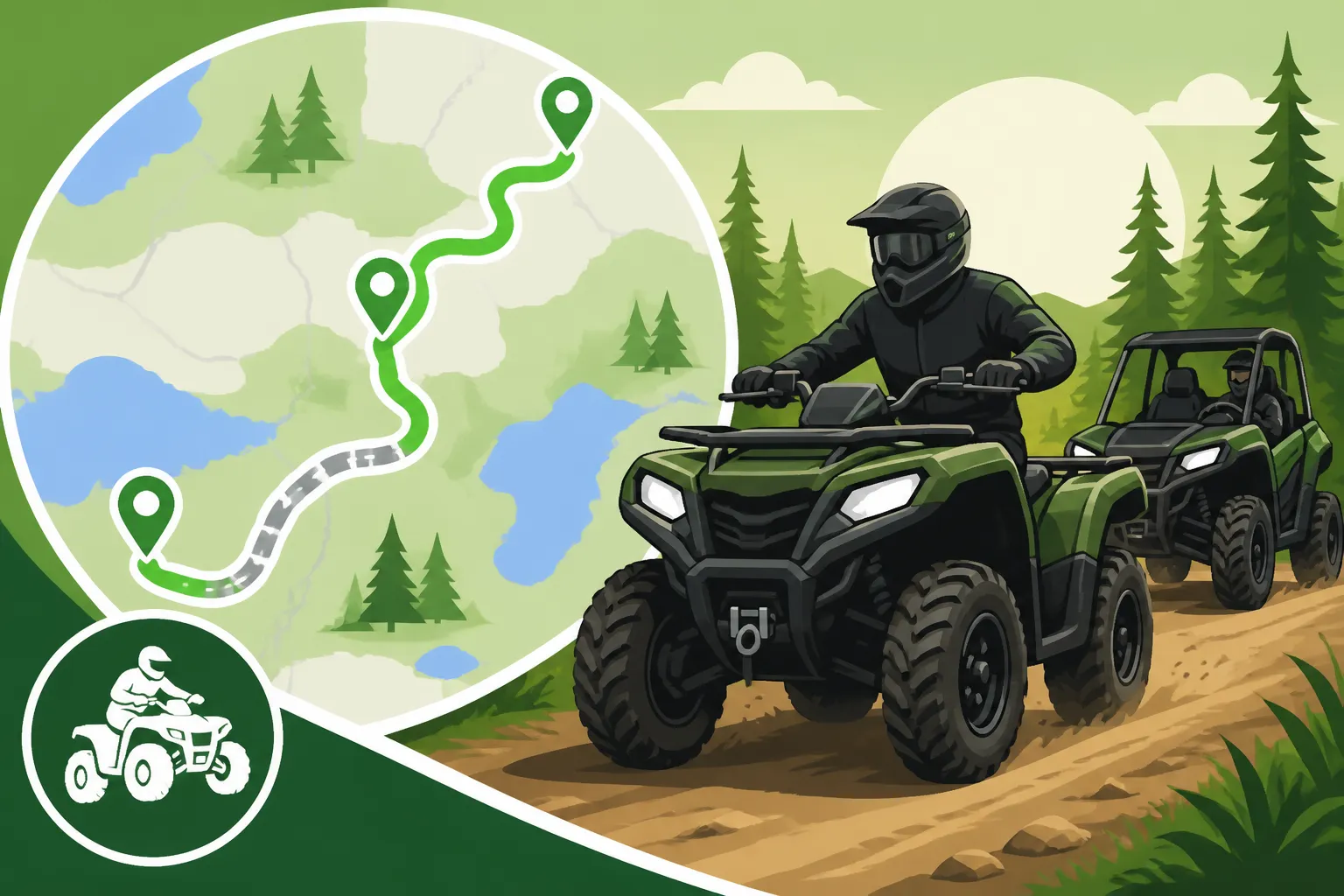
A common scenario might involve a section of Highway 28 that links a major OFATV trail to a gas station or a local restaurant in a small community. These are usually limited in length, often just a few kilometres, and are designed to facilitate access rather than provide a thoroughfare for ORVs. Riders must understand that these are not places to open up your throttle; the rules of the road, including speed limits and traffic laws, apply rigorously. Always, always check with the local municipality's official website or the Ontario Federation of ATV Clubs (OFATV) resources like the QuadON app or their website for the most current information. Bylaws can change, and what was open last year might not be this year, or vice versa. Looking up [Parts of Highway 60 Open to Quads] or [Parts of Highway 17 Open to Quads] might give you a sense of how varied these designations can be across the province.
What to Expect When Riding on Highway 28
Riding on a designated section of Highway 28, even for a short distance, is a fundamentally different experience than trail riding. On a trail, you're often insulated from high-speed traffic, and the environment is typically natural and forgiving. On a provincial highway, even a quieter one, you are sharing the road with cars, trucks, and potentially commercial vehicles traveling at much higher speeds. This demands a significantly higher level of vigilance, defensive riding, and adherence to road rules.
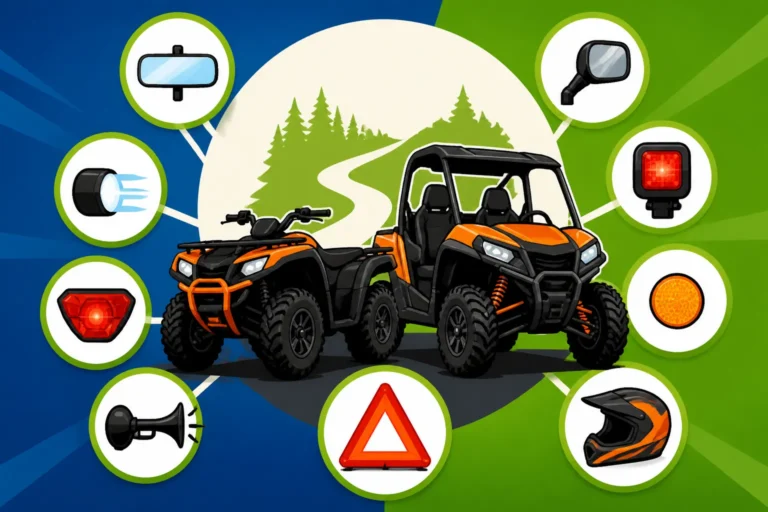
You should expect to encounter varying road conditions, from smoothly paved sections to potentially rougher shoulders. Your ORV must be equipped with all the necessary road-legal components – working headlights, taillights, brake lights, mirrors, and a horn – and these must be clean and fully functional. Visibility is paramount, so consider brightly coloured clothing. You'll need to signal turns clearly and maintain your lane like any other vehicle. While it's tempting to think of it as just "another part of the trail," it's truly a different mode of operation. Remember that enforcement officers are looking for compliance with road rules, not just ORV regulations. Your machine needs to be street-legal, and you need to be operating it as such.
| Feature / Aspect | Trail Riding (Designated ORV Trails) | Highway Riding (Designated Sections of HWY 28) |
|---|---|---|
| Primary Purpose | Recreation, exploration, off-road adventure | Connectivity between trails/services, access |
| Typical Speed | Varies, generally lower, dictated by terrain | Strict adherence to posted highway limits (often 50 km/h or 80 km/h), ORV-specific limits (20/50 km/h) |
| Traffic | Other ORVs, pedestrians, cyclists (multi-use trails) | Cars, trucks, commercial vehicles, other ORVs |
| Road Surface | Dirt, gravel, rock, mud, natural terrain | Paved (asphalt), gravel shoulder |
| Required Gear | Helmet, appropriate clothing, basic ORV safety gear | Helmet, appropriate clothing, all road-legal ORV equipment |
| Vehicle Configuration | Primarily off-road focus | Must meet provincial road-legal requirements (lights, mirrors, etc.) |
| Focus | Navigating terrain, enjoying nature | Defensive driving, observing road rules, sharing the road |
Essential Gear and Preparedness for Highway Riding
Before you even think about swinging a leg over your quad or hopping into your UTV for a highway jaunt, you need to ensure both your machine and you are fully prepared for the challenges of road use. It’s not just about what's legal; it's about what's safe.
Road-Legal Requirements for Your Machine
Ontario has specific regulations outlining what an ORV needs to be considered road-legal for use on designated public roads. This isn't optional; it's mandatory for your safety and to avoid fines. Your machine must have:
- Headlights: Both a low beam and a high beam that are properly aimed and working.
- Taillights and Brake Lights: Clearly visible from behind, with the brake light activating when you hit the brakes.
- Mirrors: At least one mirror, but ideally two, giving you a clear view of traffic behind you. You might find great aftermarket options for sturdy mirrors from brands like SuperATV that are designed for rugged use but are also fully road-compliant.
- Horn: A working horn to signal other drivers or pedestrians.
- Muffler: An effective muffler to keep noise levels within legal limits. Nobody wants a loud machine disrupting the peace, especially in cottage country.
- Tires: Tires appropriate for the road, not excessively aggressive off-road treads that can damage pavement or reduce handling on hard surfaces.
Additionally, your machine needs a valid [Ontario ORV Plates and Where They Mount] clearly displayed, and you must carry your [The Ontario Vehicle Permit Explained] with you, or a true copy. Don't forget, [Insurance and Ontario ORV Registration] is not just a good idea; it's legally required, even if you're only riding on designated trails, let alone a provincial highway. Make sure your insurance covers road use. If you're unsure about any of these requirements, check out [Equipment Ontario Requires on a Road-Legal ORV] for a comprehensive list.
Your Personal Readiness and Safety Gear
Beyond your machine, you need to be road-ready. This starts with your licensing. You cannot just hop on a provincial highway with any old license. In Ontario, you need at least a G2 or M2 license to operate an ORV on a public road where permitted. A G1 or M1 simply won't cut it. This ensures you have basic driving knowledge and experience before entering a shared traffic environment.
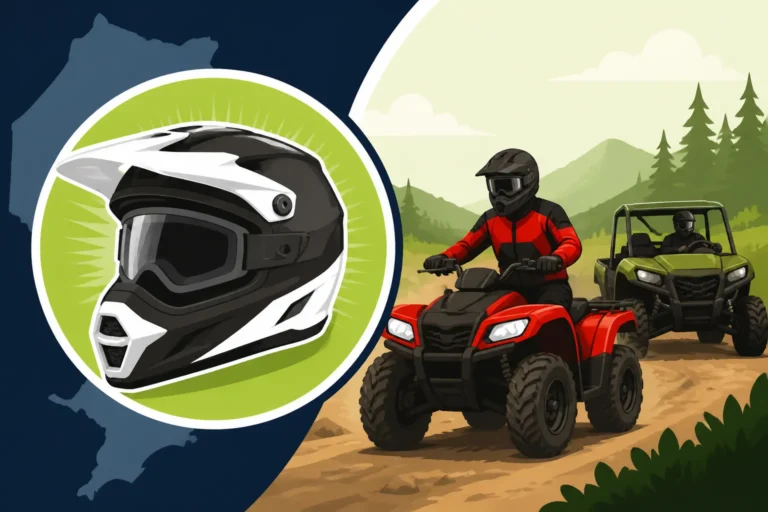
Safety gear is non-negotiable. An [Approved Motorcycle Helmets in Ontario] that is properly fastened with the chin strap is a must. This isn't just a suggestion; it's the law, and enforcement officers will ticket you for non-compliance. Beyond the helmet, consider wearing protective eyewear, gloves, long pants, and sturdy, over-the-ankle footwear. Brightly coloured outer layers can significantly increase your visibility to other drivers, which is crucial on a highway.
Finally, always have your documentation readily accessible. This includes your driver's license, your [Keeping Your ORV Permit Dry on a Wet Ride], and your [Carrying an Insurance Card on a Ride]. It’s a good practice to keep these in a waterproof bag or container, easily retrievable for an officer if you’re stopped. Being prepared means not only having the right equipment but also the right mindset for sharing the road responsibly and safely.
Disclaimer
This article is for general informational purposes only and does not constitute professional advice. Laws, prices and regulations vary by location and change over time. Consult a qualified professional for guidance on your specific situation.