Middlesex Centre By-law 2021-010
It can be incredibly frustrating to own an ATV or UTV in Ontario and feel like you're constantly guessing where you're actually allowed to ride it legally. Many municipalities have their own specific rules, and trying to decipher them can feel like navigating a maze. This guide is here to shed light on one such crucial document: Middlesex Centre By-law 2021-010, so you can ride with confidence and stay on the right side of the law.
Understanding the Local Landscape for ORVs in Ontario
Before we dive specifically into Middlesex Centre, it's really important to grasp the bigger picture of how Off-Road Vehicles (ORVs) are regulated across Ontario. It's not a one-size-fits-all scenario, and that's often where the confusion begins for many riders.
The Patchwork of Municipal Rules
Unlike the province-wide rules for snowmobiles, which benefit from a largely unified trail system and provincial funding model, ORVs operate under a more decentralized system when it comes to road access. The provincial Off-Road Vehicles Act sets the overarching framework, but it gives individual municipalities a significant amount of power to decide if, when, and where ORVs can operate on their roads. This means that you could be riding legally on a municipal road in one township, cross an invisible line, and suddenly be in violation of a neighbouring municipality's by-laws. It's truly a patchwork, and it's why [Ontario ATV Rules on a Municipal Road] can vary so wildly from place to place. This can be especially challenging for those of us who enjoy longer rides that cross multiple municipal boundaries. It requires diligent planning and research, sometimes even calling ahead to local municipal offices, just to ensure your route is fully legal.
Many riders, myself included, have experienced that sinking feeling of being unsure if the next stretch of road is permitted. It's not like there are signs everywhere marking the change in rules! This often leads to riders sticking to private land or dedicated trail systems, even if local roads could offer valuable connections. This fragmented approach can make exploring new areas feel less like an adventure and more like a legal challenge. You might have your machine perfectly equipped with all the right gear, but if you don't know the local rules, you're still at a disadvantage.
Why Local By-laws are Critical for Riders
Given this municipal autonomy, local by-laws are absolutely paramount for any ORV rider looking to use public roads. They are the definitive word on what's allowed in that specific jurisdiction. A by-law like Middlesex Centre's 2021-010 isn't just a suggestion; it's a legally binding document that dictates everything from which roads are open, to the hours of operation, and even the type of machine permitted. Ignoring these by-laws can lead to fines, impoundment of your vehicle, and a significant headache. This isn't just about avoiding a ticket; it's about being a responsible member of the riding community and ensuring the continued privilege of road access.
These by-laws are often the result of extensive local consultation, balancing the interests of ORV riders with those of other road users and residents. They represent a municipality's decision to open up certain routes, often to connect trails, access businesses, or allow residents to get from their property to a main road. Without these specific by-laws, the general provincial rules would prohibit most ORV use on public roads, severely limiting riding opportunities. Understanding [Checking a Township's ORV By-law] is therefore not just good practice, it's essential for accessing the trails and rural roads you want to explore. It's a testament to local advocacy when these by-laws are passed, and it's our responsibility as riders to respect the framework they create.
Middlesex Centre By-law 2021-010: What It Means for You
Alright, let's get into the nitty-gritty of Middlesex Centre By-law 2021-010. This by-law is a game-changer for riders in this area, outlining precisely how and where you can operate your ORV on municipal roads. It’s the kind of clear guidance that riders crave, laying out the parameters for responsible and legal enjoyment of the region’s roads.
Designated Roads and Permitted Hours
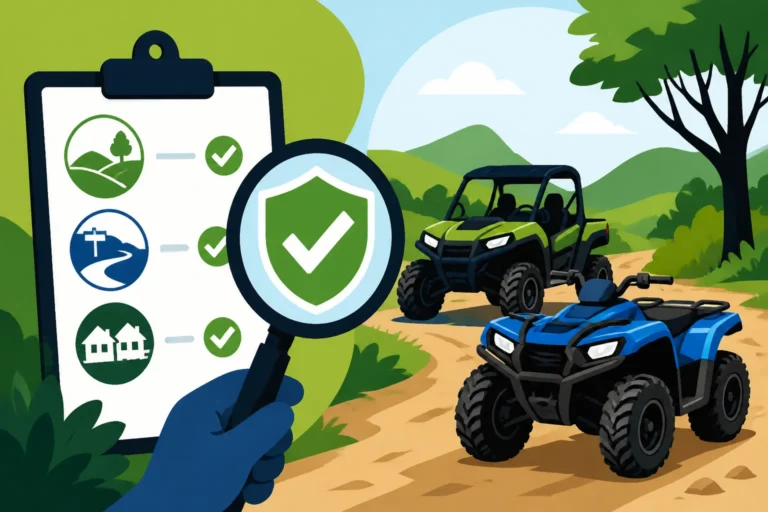
The most critical part of any municipal ORV by-law is the list of designated roads. Middlesex Centre By-law 2021-010 specifically identifies which municipal roads are open to ORVs. This isn't a free-for-all on every single road in the municipality. Instead, the by-law usually specifies certain roads or road segments, often those that are less travelled, connect to existing trail systems, or provide access to amenities. It's important to get a copy of the by-law or check the municipal website for the exact schedule of roads, as this can change. Always assume a road is closed unless it's explicitly listed as open in the by-law. This proactive approach will save you a lot of grief.
In addition to specific roads, by-laws often stipulate permitted hours of operation. These hours are typically set to minimize noise disruption to residents, especially during early morning or late evening hours. For example, the by-law might restrict ORV use to daylight hours or specific windows like 7:00 AM to 10:00 PM. Adhering to these hours is not just about avoiding a fine; it's about being a good neighbour and preserving the positive relationship between the riding community and local residents. If riders consistently disregard these rules, municipalities may be pressured to revoke or restrict road access, which none of us want.
Types of ORVs Allowed on Middlesex Centre Roads
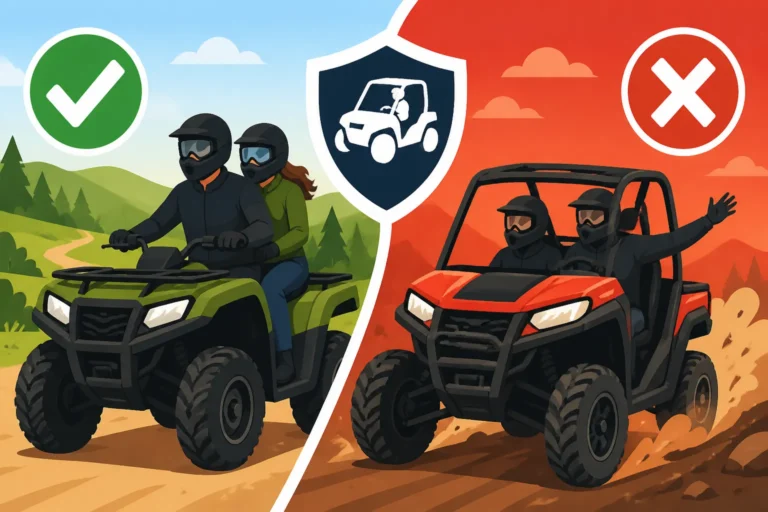
Ontario's Off-Road Vehicles Act (ORVA) classifies different types of ORVs, and municipal by-laws often align with these classifications, sometimes adding their own specific nuances. By-law 2021-010 will specify whether it applies to conventional ATVs (single-rider or two-up), side-by-sides (ROVs), or perhaps even off-road motorcycles (ORMs). It's crucial to know how your specific machine is classified under Ontario law and then cross-reference that with what the Middlesex Centre by-law permits. For example, some by-laws might be more restrictive on the width or weight of side-by-sides than others.
Generally, an ATV, which falls under the "Multi-purpose Off-Highway Utility Vehicle" or "Off-Road Motorcycle" class in the ORVA, is typically covered. Side-by-sides often fall under the "Recreational Off-Highway Vehicle" (ROV) class. The key is that your vehicle must meet the provincial requirements for road-legal operation, such as lighting, mirrors, and mufflers, in addition to being allowed by the local by-law. Brands like SuperATV offer a range of accessories that can help ensure your machine meets these provincial requirements for road use, from turn signal kits to mirrors and horn kits. Make sure you understand [Ontario UTV Road Rules] if you primarily ride a side-by-side, as there can be distinct differences from ATV regulations.
Speed Limits and Road Use Regulations
When you're riding your ORV on a designated municipal road in Middlesex Centre, you're not just "off-roading" anymore; you're sharing the road with cars, trucks, and other vehicles. This means you must adhere to all standard rules of the road, including posted speed limits. However, the provincial Off-Road Vehicles Act also imposes specific speed restrictions for ORVs on municipal roads, regardless of the posted limit for cars. Typically, ORVs are restricted to a maximum of 20 km/h where the posted speed limit is 50 km/h or less, and 50 km/h where the posted speed limit is greater than 50 km/h. It's vital to check Middlesex Centre By-law 2021-010 for any specific municipal speed limits it might impose, as they might be even more restrictive in certain areas.
Beyond speed, other road use regulations apply. This includes signaling turns, stopping at stop signs, yielding to other traffic, and generally operating your vehicle in a safe and predictable manner. Remember, the goal is to integrate ORV use responsibly into the existing road network. Failure to do so can quickly erode public support for these by-laws. It's not just about staying safe, but also about protecting the privilege we have as riders. Always ride defensively and be aware of your surroundings, as other drivers may not be accustomed to seeing ORVs on these roads. For more on this, check out [Ontario ATV Speed Limit on Roads].
Navigating the Requirements for Road-Legal Riding
So, you've got Middlesex Centre By-law 2021-010 figured out, and you know which roads are open to you. That's a huge step! But just having a local by-law in your favour isn't enough. Your machine, your paperwork, and even you, the rider, need to meet specific provincial and sometimes local requirements to be truly road-legal.
Mandatory Equipment for Your Machine
For any ORV to be considered road-legal in Ontario, it needs to be equipped with certain safety features. This isn't just a recommendation; it's the law. These requirements ensure your machine is visible, controllable, and won't pose an undue hazard to others on the road. Generally, this includes:
- Headlights and Taillights: Operational headlights that cast a white light and taillights that cast a red light, visible from a specific distance.
- Brake Lights: A working brake light at the rear of the machine.
- Muffler: An exhaust system that is in good working order and does not create excessive noise. No modifying it to be louder!
- Brakes: Two independent braking systems (or one system that controls all wheels).
- Horn: A working horn or warning device.
- Rear-view Mirrors: At least one mirror that provides a clear view to the rear. Many riders add two for better visibility.
- License Plate Light: A light to illuminate your license plate.
Some machines might need additional items depending on their classification. For instance, a side-by-side may need seat belts for all occupants and a roll-over protective structure. If you're looking to upgrade your machine to meet these standards or just enhance safety, companies like SuperATV offer a wide range of compliant accessories, from signal kits to full enclosures, helping you outfit your ORV properly. Don't leave this to chance; get your machine properly equipped before hitting any designated road.
Licence, Insurance, and Age Requirements
Just like driving a car, operating an ORV on public roads comes with specific rider requirements. This isn't optional; these are fundamental safety and liability measures.
- Licence: To operate an ORV on a public road in Ontario, you must possess a valid Ontario driver's licence (at least a G2) or a valid motorcycle licence (M2). A G1 or M1 learner's permit is generally not sufficient for road use. This ensures you have a basic understanding of traffic laws and safe driving practices. Check out [Ontario ATV Licence Requirements] for more details.
- Insurance: Mandatory motor vehicle liability insurance is required for all ORVs operating on public roads in Ontario. This protects you and others in the event of an accident. You must carry proof of insurance with you while riding. Riding without it can lead to hefty fines and even impoundment of your machine. This is a big one, as [Ontario Fines for No ATV Insurance] can be substantial.
- Age: The minimum age for operating an ORV on a public road in Ontario is generally 16 years old, and you must hold the appropriate driver's licence. There are some exceptions for supervised riding on private property, but for road use, 16 and licensed is the rule. For specific details on age, see [Ontario ATV Minimum Age on a Road].
These requirements ensure that riders are capable, insured, and accountable for their actions on the road. It's about protecting everyone, not just yourself.
Carrying Your Documents: What You Need on Hand
So, you've got your machine equipped, you're licensed, and you're insured. Fantastic! But it's not enough to have these things; you need to carry proof of them with you every time you ride on a public road. Think of it like driving your car – you wouldn't leave home without your licence and vehicle ownership, right?
The documents you absolutely must have on your person or easily accessible on your machine include:
- Your Valid Ontario Driver's Licence: The original, not a photocopy.
- Your ORV's Ontario Vehicle Permit (Ownership): Again, the original permit, or at least a true copy. While some provincial officers might accept a photocopy, many prefer the original, especially if they need to verify details. Carrying [Does a Photocopy of the Permit Satisfy an Officer?] is a common question, and the answer is usually "yes, if it's a true copy," but it's always safer to have the original if possible. I keep mine in a waterproof pouch in my gear bag.
- Proof of Insurance: Your insurance card, which shows your policy is current and valid for your specific ORV.
An officer performing a roadside stop will ask for these documents. Being unable to produce them can lead to tickets and a lot of unnecessary hassle. It's a simple step, but one that is often overlooked in the excitement of hitting the trails or roads. Always double-check your pockets and gear before heading out.
Practical Considerations for Riding in Middlesex Centre
Successfully navigating the by-law and legal requirements is one thing, but there are also practical elements to consider when you're planning to ride your ORV on the designated roads in Middlesex Centre. These considerations will help ensure a smooth, enjoyable, and respectful riding experience for everyone.
Planning Your Route and Connecting Trails
One of the primary reasons municipalities like Middlesex Centre open their roads to ORVs is to allow riders to connect to established trail systems or access local services. It's rare that a municipality simply opens up roads for aimless cruising. Therefore, strategic route planning is key. You'll want to identify the designated roads in By-law 2021-010 and then see how they link up with the trails you want to ride. Are you using these roads to get from your property to an OFATV trail network? Or perhaps to reach a gas station or restaurant?
Use maps – both paper and digital – to plot your course. Many municipalities provide maps showing their designated ORV routes. Some trail organizations might also highlight how their trails connect with approved municipal roads. Before you leave, have a clear understanding of your entire route, including where you'll be on municipal roads versus dedicated trails. This helps prevent accidentally straying onto prohibited roads, which can lead to fines or conflict with residents. Thinking ahead about [Ontario ATV Trails Near London] (given Middlesex Centre's location) and how to access them via designated roads is a smart move.
Respecting Residents and the Environment
When riding on public roads, especially in rural residential areas, being a good neighbour is paramount. Our collective privilege to use these roads depends heavily on how responsibly and respectfully we conduct ourselves. This means:
- Noise Control: Keep your machine's exhaust system in good repair and avoid aftermarket modifications that significantly increase noise. Excessive noise is a top complaint from residents and can quickly turn public opinion against ORV use.
- Dust Control: On gravel roads, be mindful of your speed to minimize kicking up dust, especially when passing homes or other road users.
- Private Property: Absolutely respect private property. Do not ride on lawns, fields, or driveways that do not belong to you or where you haven't received explicit permission. [Ontario ATV Trespass Rules] are serious, and violations can lead to charges and severe penalties.
- Environmental Impact: Stick to designated roads and trails. Avoid riding in ditches, alongside wetlands, or in sensitive natural areas unless they are explicitly designated for ORV use. This protects delicate ecosystems and prevents erosion.
- Yield to Others: Be courteous to pedestrians, cyclists, and horse-drawn buggies. They have equal, if not greater, rights to these roads.
The more respectful we are, the more likely municipalities are to maintain or even expand ORV access. It’s a collective responsibility that rests on every rider. A little courtesy goes a long way in ensuring a positive image for the ORV community.
The Future of ORV Riding in the Region
By-laws like Middlesex Centre 2021-010 are not set in stone; they can be reviewed, amended, or even rescinded based on public feedback, enforcement challenges, and changing community needs. The future of ORV riding on municipal roads in the region depends on continued responsible ridership and proactive engagement with local councils. If the by-law proves successful, with minimal complaints and good compliance, it could serve as a model for other municipalities. Conversely, a surge in complaints or incidents could lead to stricter regulations or even a reversal of current access.
Stay informed about local council meetings or public consultations related to ORV use. Join local clubs or associations that advocate for rider rights and responsible riding. Your voice, combined with that of other riders, can help shape the future of ORV access in Middlesex Centre and beyond. It’s important to understand [How an Ontario Municipality Opts In] to ORV use on roads, as this process usually involves public input that riders can contribute to. Being an active and responsible participant in the ORV community contributes to positive outcomes for all riders.
Common Pitfalls and How to Avoid Them
Even with the best intentions, riders can sometimes inadvertently run into trouble when navigating municipal ORV by-laws. Knowing the common pitfalls can help you avoid them and ensure your riding experience in Middlesex Centre remains positive and legal.
Misinterpreting Road Designations
One of the most frequent mistakes riders make is misunderstanding which roads are actually designated for ORV use. It’s easy to assume that because one road is open, all similar-looking roads in the vicinity are also open. This is a dangerous assumption that can quickly lead to fines or worse. Remember that by-laws like Middlesex Centre 2021-010 will have a very specific list or map of designated roads.
How to avoid it:
- Get the Official List: Always obtain the exact schedule or map of designated roads directly from the Middlesex Centre municipal office or their official website. Do not rely on hearsay or outdated information from social media.
- Pre-Ride Mapping: Before you even leave your driveway, meticulously map out your intended route. Use a GPS device or a smartphone app with updated maps, and compare your route against the official list of designated roads.
- Look for Signage (But Don't Rely Solely On It): While municipalities should post signage on designated ORV routes, don't assume that a lack of "no ORV" signage means the road is open. The absence of a sign isn't an invitation. Conversely, if you see a sign specifically allowing ORVs, it's a good indicator, but still cross-reference with the by-law if you have any doubt.
It's tempting to explore, but when it comes to municipal roads, stick to the known, designated routes. Any deviation could be considered illegal.
Consequences of Non-Compliance
The penalties for violating municipal ORV by-laws or provincial ORV regulations can be significant, ranging from monetary fines to more severe consequences that can really impact your ability to ride. It's not just a slap on the wrist.
Potential Consequences:
- Fines: Municipal by-law infractions and provincial Off-Road Vehicles Act violations carry specific fine amounts. For example, riding an unregistered ORV or riding without insurance can result in substantial fines. [Riding an Unregistered ATV in Ontario] can be very costly.
- Vehicle Impoundment: In some cases, especially for repeat offenders or serious infractions like riding without insurance, your ORV could be impounded, leading to towing and storage fees on top of any fines.
- Demerit Points and Licence Suspension: Depending on the nature of the offense, some violations can result in demerit points on your driver's licence or even a temporary suspension of your driving privileges.
- Insurance Implications: An accident while riding illegally (e.g., on a non-designated road, uninsured, or without a proper licence) could void your insurance policy, leaving you personally liable for damages or injuries.
- Loss of Public Access: Repeated non-compliance by a significant number of riders could lead the municipality to reconsider or revoke ORV access altogether. This negatively impacts the entire riding community.
These consequences are designed to deter illegal activity and reinforce the importance of safe and responsible riding. They serve as a stark reminder that these rules are in place for serious reasons.
Staying Informed About Updates
By-laws are living documents; they can be amended or updated over time. What's legal today might have a slight change tomorrow, especially as municipalities gain more experience with ORV integration or respond to community feedback. Relying on outdated information is another common pitfall.
How to stay current:
- Check the Municipal Website: Make it a habit to periodically check the official Middlesex Centre website for updates related to By-law 2021-010 or other ORV-related announcements. This is usually where the most current information will be posted.
- Connect with Local Clubs: Join local ORV clubs or associations in the Middlesex Centre area. These groups often have direct lines of communication with municipal officials and are usually the first to know about upcoming changes or consultations.
- Subscribe to Newsletters: If the municipality offers email newsletters or updates, sign up for them to receive direct notifications about changes that might affect your riding.
Being proactive about staying informed ensures you're always riding according to the most current regulations. This diligence reflects well on the riding community and helps maintain a good relationship with local authorities. After all, the goal is to enjoy our machines responsibly and legally for years to come.
| By-law Aspect | General Provision for Middlesex Centre By-law 2021-010 (Illustrative) | Key Rider Action |
|---|---|---|
| Designated Roads | Specific municipal roads listed in Schedule "A" of the by-law. | Obtain and review Schedule "A"; plan routes only on listed roads. |
| Permitted Hours | Typically dawn to dusk, or specific hours (e.g., 7:00 AM – 10:00 PM). | Adhere strictly to specified hours to minimize noise disruption. |
| Vehicle Types | ATVs (Multi-purpose Off-Highway Utility Vehicles) and ROVs (Side-by-Sides) that meet provincial requirements. | Ensure your ORV meets provincial equipment standards (lights, mirrors, etc.). |
| Speed Limits | Max 20 km/h where posted limit ≤ 50 km/h; max 50 km/h where posted limit > 50 km/h. | Always observe posted speed limits and provincial ORV limits, whichever is lower. |
| Rider Requirements | Valid G2/M2 licence, mandatory insurance, minimum 16 years of age. | Carry original licence, permit, and insurance proof at all times. |
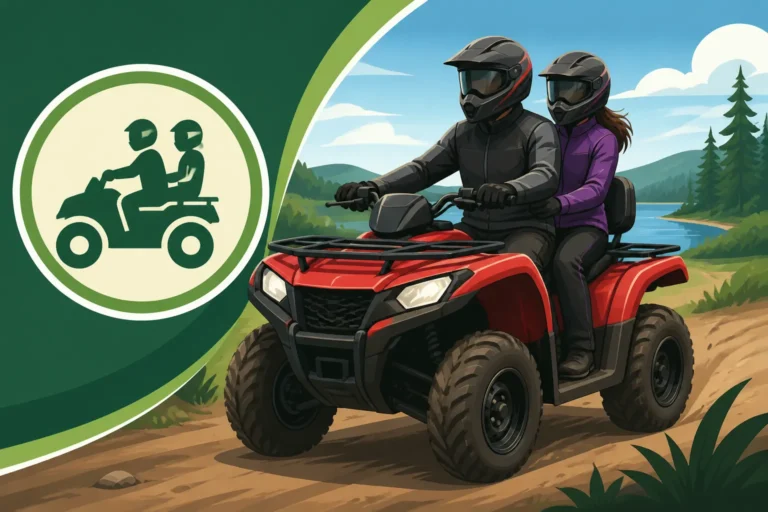
| Passenger Rules | Varies by ORV type and seating capacity. | Ensure passengers are carried legally and safely; helmet laws apply. |
| Compliance | Full adherence to by-law provisions and provincial Off-Road Vehicles Act. | Ride responsibly, respect private property, minimize environmental impact. |
Disclaimer
This article is for general informational purposes only and does not constitute professional advice. Laws, prices and regulations vary by location and change over time. Consult a qualified professional for guidance on your specific situation.