Ontario ATV Mirror Requirements
One of the most common head-scratchers for us off-road enthusiasts in Ontario, especially those just dipping their toes into the world of street-legal ORV riding, is navigating the mirror requirements. It can feel like a minefield trying to figure out if your trusty ATV needs one mirror, two, or if your shiny new side-by-side needs a full setup like your pickup truck. Many riders just want to take their machine from their cottage to the trailhead, or even pop into town for a quick errand, only to find themselves utterly confused by the rules. This guide is here to clear up that confusion, lay out exactly what Ontario expects from your ATV or UTV when it comes to mirrors, and help you ride legally and safely on our shared roads.
The Essential Role of Mirrors on Ontario Roads
Riding an off-road vehicle on a public road in Ontario isn't quite the same as tearing up a private trail or a remote logging road. Suddenly, you're sharing the pavement with cars, trucks, motorcycles, and cyclists. This shift brings a whole new set of responsibilities, and among the most fundamental for your safety and the safety of others are properly equipped and functioning mirrors.
Why Mirrors Matter for Safety and Legality
Think about driving your car without side mirrors. It’s pretty much unthinkable, right? You'd have massive blind spots, making lane changes, turns, or even just checking for traffic behind you incredibly dangerous. The same principle, perhaps even amplified by the smaller profile and different handling characteristics of an ORV, applies when you take your ATV or UTV onto the road. Mirrors aren't just a nicety; they're a critical safety device that provides you with a crucial view of your surroundings. They allow you to see what's approaching from behind, identify potential hazards, and make informed decisions, whether you're signalling a turn, slowing down, or simply maintaining your position in a lane.
Beyond the undeniable safety aspect, mirrors become a hard-and-fast legal requirement once your ORV touches a municipal road that's been opened to these machines. The province isn't just suggesting them; they're mandating them. Failing to equip your machine with the proper mirrors when operating on public roads can lead to fines and a less-than-pleasant interaction with law enforcement. It’s not about restricting your fun, but ensuring everyone shares the road responsibly. This is all part of the larger picture of [Ontario ATV Rules on a Municipal Road], which are designed to integrate ORVs into the existing road network as safely as possible.
Specific Regulations Under Ontario Law
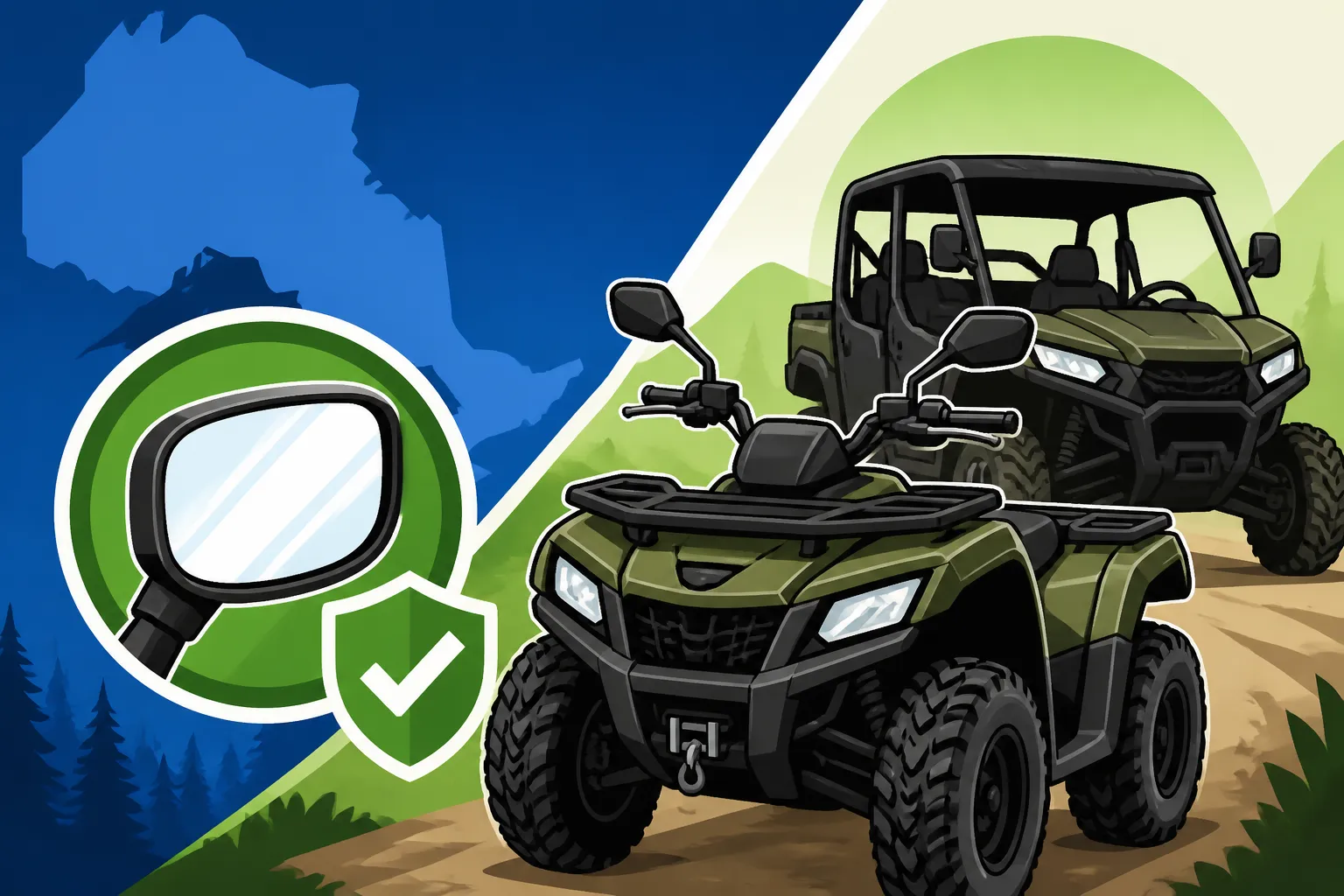
So, what exactly does Ontario law say about mirrors for road-legal ORVs? It boils down to ensuring you have a clear, unobstructed view of the rear. For an ATV, this typically means at least one mirror that provides a view to the rear. Often, riders opt for two mirrors – one on each side of the handlebars – simply because it offers better peripheral vision and reduces blind spots, much like a motorcycle. While the letter of the law might seem minimal, the spirit of it is maximum visibility.
For side-by-sides, which are often classified as Recreational Off-road Vehicles (ROVs) or Multi-Purpose Off-Highway Utility Vehicles (MPUVs) under Ontario's regulations, the expectation leans more towards what you'd find on a conventional car or light truck. This means you’ll typically need at least two side mirrors, often referred to as exterior mirrors, to see traffic to the sides and rear of your machine. Depending on the design of the UTV and the presence of a cab or rear cargo area that obstructs a direct rear view, a central rear-view mirror might also be necessary or highly recommended to fully comply with the spirit of the law and ensure comprehensive rear visibility. This is a key part of the [Equipment Ontario Requires on a Road-Legal ORV], ensuring these machines meet a basic standard of safety for road use. It’s always best to err on the side of caution and equip your side-by-side with both side mirrors and a rear-view mirror if there's any doubt about your rear visibility.
Types of Mirrors and What to Look For
When you're outfitting your ATV or UTV for road use, you'll find a surprising variety of mirrors available. Choosing the right ones isn't just about meeting the minimum legal requirement; it's about finding mirrors that are durable, provide good visibility, and can stand up to the specific challenges of off-road and on-road riding.
Handlebar-Mounted Mirrors for ATVs
For ATVs, handlebar-mounted mirrors are the most common and practical choice. They attach directly to your handlebars, often near the handgrips, placing the mirror within your natural line of sight.
Pros:
- Easy Installation: Most handlebar mirrors are relatively simple to install, clamping directly onto your existing handlebars.
- Adjustability: They usually offer a good degree of adjustability, allowing you to fine-tune the angle for your riding position.
- Good Visibility: With one on each side, they provide excellent peripheral rear vision, crucial for spotting other vehicles or hazards.
- Aftermarket Options: There’s a huge market for these, ranging from basic, functional designs to more robust, adventure-ready options. You can find everything from universal clamp-on mirrors to specific mounts for your ATV model.
Cons:
- Vibration: On some ATVs, handlebar vibration can make the mirror image a bit blurry, though quality mirrors tend to mitigate this.
- Damage Risk: Being on the handlebars, they can be vulnerable to impacts from branches or during rollovers on the trail if you forget to fold them in.
- Width: Two mirrors can sometimes make your ATV slightly wider, which might be a consideration in extremely tight trails, though they are usually designed to be compact.
When choosing, look for mirrors with a strong, adjustable mount that can withstand bumps and vibrations. Convex mirrors can offer a wider field of view, but remember that objects in convex mirrors are closer than they appear. Materials like shatter-resistant glass or high-impact plastic are also a plus for durability.
Side Mirrors and Rear-View Mirrors for UTVs
UTVs and side-by-sides, with their enclosed or semi-enclosed cabs, require a different approach to mirrors. Their design is more akin to a small car, and so are their mirror requirements.
Side Mirrors: These are typically mounted on the roll cage or doors of your UTV, just like a car's side mirrors. They are absolutely critical for checking blind spots to the sides and rear. Many UTVs come with these as standard equipment, but if yours doesn't, or if you're looking to upgrade, there are plenty of aftermarket options. Brands like SuperATV offer a wide range of robust, adjustable side mirrors specifically designed for UTVs, often featuring breakaway designs to prevent damage on the trail. When you're considering [Ontario UTV Road Rules] or [Ontario Side-by-Side Road Rules], quality side mirrors are a non-negotiable item.
Rear-View Mirrors: For UTVs with a roof, a full cab, or even just a cargo box that obstructs the view directly behind you, a central rear-view mirror is equally important. This mirror typically mounts to the roof or roll cage in the centre of the cab, providing a direct view of what's coming up behind you. It complements the side mirrors by giving you a more comprehensive picture of traffic approaching from directly astern. Look for a wide-angle design to maximize your field of vision.
When selecting UTV mirrors, consider:
- Mounting System: Ensure it’s secure and compatible with your UTV’s roll cage or door design. Clamp-on options are popular and generally easy to install.
- Durability: Off-road riding means mirrors can take a beating. Look for shatter-resistant glass, sturdy housings, and breakaway features that allow the mirror to fold in on impact rather than shattering.
- Adjustability: Easy, tool-free adjustment is a big plus, allowing you to quickly fine-tune your view for different riding positions or passengers.
Installation and Maintenance Tips
Having the right mirrors is one thing, but making sure they're installed correctly and kept in good working order is another. Proper setup and regular maintenance are key to ensuring your mirrors perform their job effectively, enhancing your safety and keeping you compliant with Ontario’s regulations.
Proper Placement and Adjustment for Optimal Vision
The effectiveness of your mirrors hinges entirely on their placement and adjustment. A mirror pointed at the sky or at your own fender isn't doing anyone any good.
For ATVs with Handlebar Mirrors:
- Mounting: Install mirrors securely on the handlebars, ensuring they don't interfere with your controls (throttle, brakes, clutch, switches). Most riders prefer them positioned outside the grips.
- Riding Position: Sit on your ATV in your typical riding position. This is crucial because your perspective changes when you're actually on the machine versus standing beside it.
- Adjustment: Adjust each mirror so you can see as much of the area directly behind you and to your sides as possible, with minimal view of your own shoulders or the machine itself. You want to see the road or trail receding behind you, as well as adjacent lanes or shoulders. If you have two mirrors, ensure they cover slightly different angles to minimize overlap and maximize overall rearward vision. A good rule of thumb is to see the edge of your rear tire (or the very back of your fender) in the innermost portion of each mirror, giving you a reference point for distance.
For UTVs with Side and Rear-View Mirrors:
- Side Mirrors: Adjust your side mirrors so that when you’re seated in the driver's seat, you can just barely see the side of your UTV in the innermost edge of the mirror. This provides the widest possible view of the lanes or trails beside and behind you.
- Rear-View Mirror: Adjust the central rear-view mirror to give you a clear, unobstructed view directly through your rear window or cargo area. It should provide a direct line of sight to what’s coming up behind your machine.
- Consistency: Just like in a car, periodically re-check your mirror adjustments, especially after bumpy rides or if someone else has used your machine.
Remember, the goal is to eliminate as many blind spots as possible. Take a moment before each road ride to quickly scan your mirrors and ensure they're positioned correctly.
Dealing with Common Mirror Issues on the Trail
Mirrors, by their nature, are exposed, and off-road riding can be tough on them. Here’s how to handle common issues:
- Vibration: If your mirrors shake excessively, causing blurry images, it might be due to loose mounts or a lower-quality mirror. Try tightening all mounting bolts. If the problem persists, consider upgrading to a more robust mirror designed to absorb vibration. Some aftermarket mirrors feature larger, heavier housings or different mounting systems that are less prone to shake.
- Mud and Debris: It's inevitable that your mirrors will get caked in mud, dust, or water spray. Carry a small microfiber cloth and a spray bottle of water (or even just some wet wipes) to quickly clean them at pit stops. A clear view is a safe view!
- Impact Damage: Collisions with branches, close calls with trees, or even a minor tip-over can damage mirrors. This is where those "breakaway" or "foldable" mirror designs come in handy for UTVs and some ATVs. If your mirror doesn’t have this feature, try to remember to manually fold them in when navigating very tight trails or before loading your machine for transport. If a mirror does get damaged, replace it promptly. Riding with a cracked or missing mirror is not only unsafe but also puts you out of compliance with [Ontario ATV Mirror Requirements] for road use. Don't put off getting a replacement; safety first!
Consequences of Non-Compliance
It's tempting to think of mirrors as a minor detail, especially when you're itching to hit the trail. However, Ontario takes road safety seriously, and that includes ensuring all vehicles, including ORVs, meet basic equipment standards. Ignoring mirror requirements can lead to more than just a stern talking-to.
Understanding the Fines and Penalties
Operating an ORV on a municipal road without the legally required mirrors is a violation of the Highway Traffic Act and/or the Off-Road Vehicles Act. While I can't give you specific dollar figures (these can change and vary), you can certainly expect a monetary fine. These aren't usually small, pocket-change tickets either; they're designed to be a deterrent. An officer stopping you for missing mirrors might also be inclined to check for other compliance issues, like [Ontario ATV Insurance Requirement] or your licence validity. One small infraction can sometimes lead to a cascade of others, spoiling your day and lightening your wallet considerably.
Furthermore, these fines often come with demerit points, depending on the specific charge, which can impact your driver's licence. The hassle of dealing with a ticket, potentially fighting it in court, and the associated costs far outweigh the initial investment in a proper set of mirrors. It’s simply not worth the risk.
The Broader Impact on Your Riding Experience
Beyond the immediate financial and legal penalties, riding without adequate mirrors has a much broader, negative impact on your overall riding experience and safety.
- Increased Accident Risk: This is the most critical point. Without clear rearward vision, your chances of being involved in a collision dramatically increase. You might not see a car trying to pass, a cyclist approaching from behind, or even another ORV in your group. This puts not only yourself at risk but also your passengers and other road users.
- Insurance Implications: In the unfortunate event of an accident, if your ORV was found to be non-compliant with equipment regulations (like missing mirrors), your insurance company could potentially deny a claim or reduce payouts. They might argue that the lack of proper safety equipment contributed to the accident, leaving you on the hook for damages or medical costs. This is a big one, as [Ontario's Mandatory ORV Insurance] is there to protect you in these situations, but compliance is key to that protection.
- Stress and Distraction: Constantly craning your neck to check over your shoulder, or worrying about what you can't see, is incredibly distracting. This takes your focus away from the road ahead and your immediate surroundings, further increasing accident risk. Riding should be enjoyable, not a constant source of anxiety about missing traffic.
- Reputational Harm: The ORV community works hard to foster a positive image and gain more access to trails and roads. Non-compliance with basic safety rules can reflect poorly on all riders, potentially leading to stricter regulations or reduced access in the future. We all have a role to play in promoting safe and responsible riding.
Ultimately, equipping your ATV or UTV with the correct mirrors for road use isn't just about avoiding a ticket; it's about making a conscious choice for safety, responsibility, and enjoying your ride without unnecessary stress or risk.
Mirror Requirements at a Glance
To quickly summarize the common mirror requirements for ATVs and UTVs operating on Ontario roads:
| Feature | ATV (All-Terrain Vehicle) | UTV (Utility Task Vehicle / Side-by-Side) |
|---|---|---|
| Minimum Count | At least one mirror providing rearward view | At least two side mirrors (exterior) |
| Placement | Typically handlebar-mounted | Mounted on roll cage, doors, or cab structure |
| Recommendation | Two handlebar mirrors for optimal safety and visibility | Two side mirrors AND a central rear-view mirror for full visibility (especially if rear view is obstructed) |
| Material | Durable, often shatter-resistant glass or plastic | Durable, often breakaway/foldable designs, shatter-resistant |
| Functionality | Clear, unobstructed view to the rear | Clear, unobstructed view to the sides and rear |
| Legal Basis | Highway Traffic Act / Off-Road Vehicles Act | Highway Traffic Act / Off-Road Vehicles Act |
| Purpose | Enhance safety, reduce blind spots, legal compliance | Enhance safety, reduce blind spots, legal compliance |
This table provides a general guideline. Always double-check specific by-laws of municipalities you plan to ride through, as some may have additional local requirements. However, adhering to these general principles will put you in good stead for safe and legal road operation across Ontario.
Disclaimer
This article is for general informational purposes only and does not constitute professional advice. Laws, prices and regulations vary by location and change over time. Consult a qualified professional for guidance on your specific situation.