Riding Unsupervised on Family Land
It's a classic Ontario scenario: you’ve got a beautiful piece of family land – maybe a sprawling farm, a rustic cottage property, or a big rural lot – and an ATV or UTV just waiting to be ridden. The appeal of simply hopping on and exploring your own backyard, away from crowded trails and public scrutiny, is incredibly strong. You figure, it's my land, so I can do what I want, right? Well, while riding on your own property certainly offers more freedom than public trails or roads, there are still some crucial things to understand to ensure you're safe, legal, and covered. This guide will help you navigate the nuances of riding your ORV unsupervised on private family land in Ontario.
The Foundation: Private Property Is Different (Mostly)
Let's start with the good news: when you're riding an ATV or UTV exclusively on private land that you or your family owns, many of the stricter rules that apply to public roads, trails, or Crown land simply don't come into play. You won't typically need a driver's licence, a trail permit from the OFATV, or worry about municipal by-laws governing speed or time of day. This is the fundamental difference that draws so many riders to the peace and quiet of their own acreage.
However, this doesn't mean it's a complete Wild West. The key distinction lies in potential liability, the safety of yourself and others, and understanding what happens if you (or a guest) get injured. The province of Ontario, through various acts and regulations, still has an interest in safety, even if it's not dictating every turn you make on your back forty. Think of it less as a free-for-all and more as a "self-regulated freedom" with an important asterisk. For instance, while you might not need to officially register your ATV for private land use, it's a good idea to know the process if you ever decide to take it off your property. [Registering an ATV in Ontario] is a good place to start if you're thinking about expanding your riding horizons.
What "Unsupervised" Really Means on Private Land
When we talk about riding "unsupervised" on family land, it typically implies that you're not under the direct observation of a certified instructor, nor are you necessarily following a specific structured activity. For an adult, this means enjoying your machine on your own terms. For younger riders, however, the term "unsupervised" takes on a much more significant meaning, as there are specific age-related rules that still apply, even on private property. We'll delve into those shortly, but for now, understand that the "unsupervised" aspect largely refers to the absence of external regulatory oversight of your riding technique, rather than a complete absence of rules for the machine or rider.
The freedom to ride on private land often means you can explore at your own pace, tackle terrain that appeals to you, and even use your ORV for tasks like hauling firewood, checking fences, or plowing snow. Many choose to outfit their machines with accessories from brands like SuperATV, such as plows, winches, or cargo boxes, specifically for these practical, private-land applications, leveraging the machine's utility without needing to meet stringent road-legal requirements.
Essential Considerations: Insurance, Helmets, and Age Limits
Even when riding exclusively on private family land, there are a few critical areas where common sense and provincial regulations intersect. Ignoring these can lead to serious consequences, both financially and personally.
Insurance: Your Unseen Guardian
This is arguably the most important aspect of private land riding. While you won't be fined for not having mandatory ATV insurance in the same way you would on public roads, the potential financial fallout from an accident on your property can be devastating. Your homeowner's insurance policy might offer some liability coverage if someone gets injured on your property, but it's often limited, or may even exclude ATV use.
What if a guest, a family friend, or even a relative is riding your ATV on your land and gets hurt? Or worse, what if they accidentally damage someone else's property that borders yours? Without proper insurance, you could be personally liable for medical bills, lost wages, and property damage, which can quickly add up to hundreds of thousands of dollars. It's not about being forced by the province; it's about protecting yourself and your assets. Many riders find comfort in securing a dedicated ORV policy, even if they never plan to leave their property, simply for the peace of mind. For more details on this, you might want to read about [Ontario ATV Insurance Requirements].
Helmets: A Non-Negotiable Safety Measure
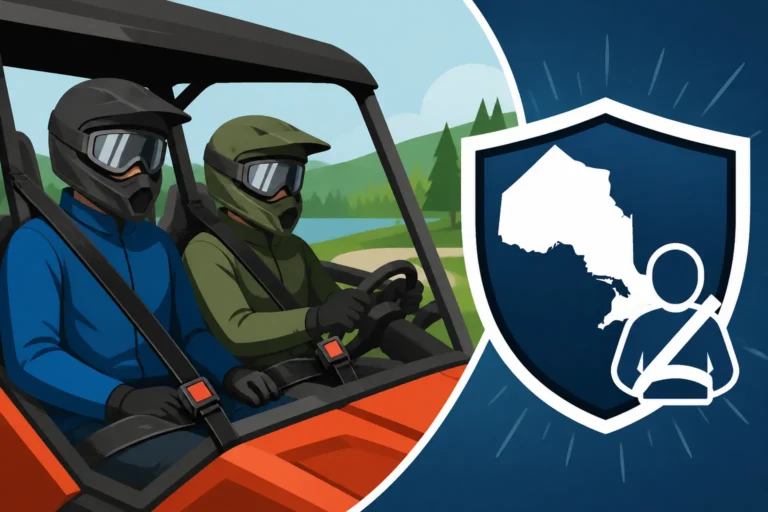
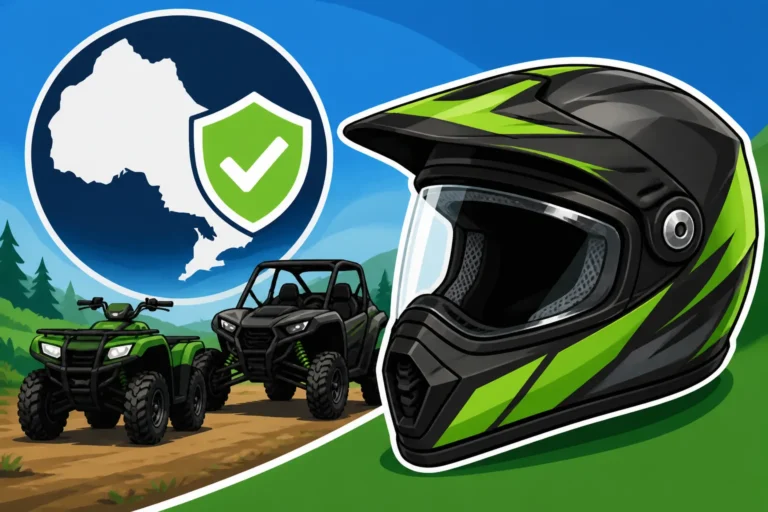
Ontario's Off-Road Vehicles Act (ORVA) generally mandates helmet use for all ORV operators and passengers, regardless of where they are riding – and this includes private property. While enforcement might be less direct on your own land compared to a public trail system, the rule is there for a reason: safety. A severe head injury can change a life forever, and it's simply not worth the risk.
So, even if you’re just puttering around the back pasture, strap on an approved motorcycle helmet. This applies to everyone: you, your family members, and any guests who might hop on the machine. This isn't just a legal recommendation; it's a critical safety one. There's no exemption for "my own land" when it comes to protecting your brain. Knowing the full extent of [Ontario ATV Helmet Law] can help ensure everyone stays safe.
Age Limits and Supervision for Young Riders
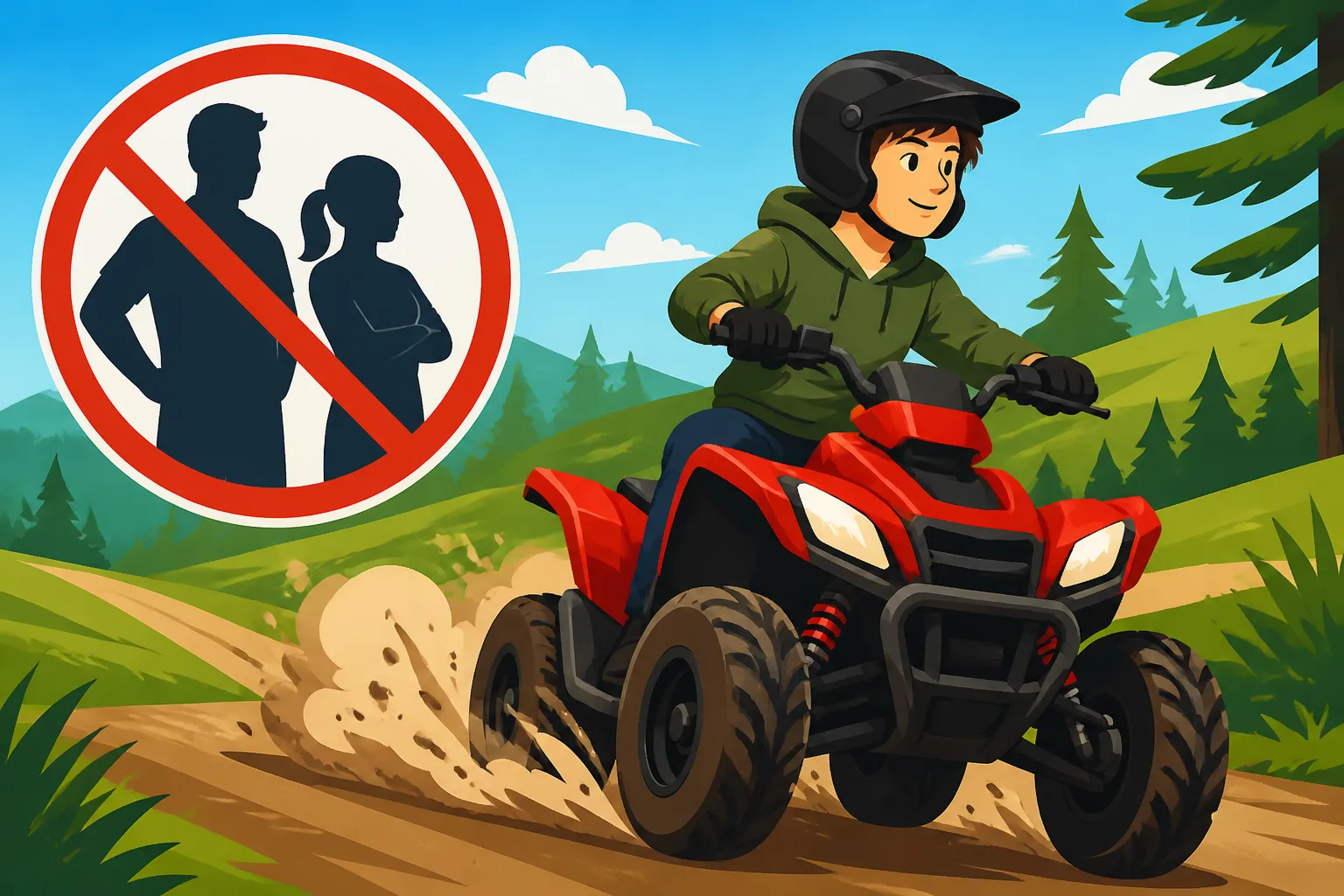
This is where "unsupervised" gets tricky. While an adult owner can ride unsupervised on their own private land, the rules for children and teenagers are different. Ontario has minimum age requirements for operating ORVs, and these don't disappear just because you're on private property. Generally, a person must be at least 12 years old to operate an ATV, and even then, specific supervision rules apply until they are older.
For example, a child between 12 and 16 years old typically needs to be supervised by an adult (16 years or older) and may require safety training. Allowing a child under the legal age to operate an ORV, even on private land, could open you up to legal liability if an accident occurs. It's about ensuring young riders have the maturity, strength, and skills to safely handle the machine. The goal is to instill safe riding habits from a young age, and that often involves proper supervision and training. It’s worth looking into [Ontario ATV Minimum Age Off-Road] to understand the specific requirements for different age groups.
| Aspect | On Private Family Land (Exclusively) | On Public Trails/Roads |
|---|---|---|
| Driver's Licence | Not generally required for adults | Required (G2/M2 minimum) |
| Helmet | Required by law | Required by law |
| Insurance | Highly Recommended (Liability) | Mandatory |
| Registration | Not legally required (but advised if you ever leave property) | Mandatory |
| Trail Permit | Not required | Required on OFATV trails |
| Minimum Age | Varies; supervision often required for minors | Strict minimum ages and supervision rules |
| Plates | Not required | Required |
The Slippery Slope: What Happens If You Venture Off Family Land
The biggest pitfall for private land riders is the temptation to just "pop out" onto a road allowance, a neighbour's property, or even a short stretch of municipal road to get from one part of your property to another. This is where the rules suddenly shift, and ignorance is no longer bliss.
The moment your wheels touch public land—be it a road, a road allowance, a Crown land access point, or a managed trail—you are immediately subject to all the laws of the Off-Road Vehicles Act, the Highway Traffic Act (if on a road), and any relevant municipal by-laws. This means you need:
- Proper Registration and Plate: Your machine must be registered with ServiceOntario, and you need a valid [Ontario ORV Plates and Where They Mount].
- Valid Driver's Licence: You'll need at least a G2 or M2 licence to operate an ORV on public roads where permitted. [Ontario's G2 and M2 Licence Requirement] clarifies this.
- Mandatory Insurance: You must have valid ORV insurance. The fines for riding uninsured in Ontario are substantial.
- Helmet: Always, always, always wear an approved helmet.
- Appropriate Equipment: Your ORV needs to meet specific equipment requirements for road use, such as lights, mirrors, and a proper muffler. Check [Equipment Ontario Requires on a Road-Legal ORV] before you venture out.
- Trail Permit: If you're on an organized trail system, you'll need an OFATV trail permit. Learn more about [Ontario ATV Trail Permits Explained].
It's easy to think "no one will see me" or "it's just a short distance," but all it takes is one interaction with law enforcement or, worse, one accident, to turn a casual ride into a very expensive and stressful ordeal. For example, some may install heavy-duty bumpers or cargo racks from SuperATV on their machines, which are great for private land use, but might need to ensure they don't impede vision or light visibility if they ever venture onto a public road.
Best Practices for Safe and Responsible Private Land Riding
Even with the increased freedom of riding on your own land, adopting some best practices will ensure everyone stays safe and enjoys the experience.
Pre-Ride Checks and Machine Maintenance
Before every ride, especially if the machine hasn't been used in a while, do a quick check:
- Tires: Check air pressure and look for any damage.
- Fluids: Ensure oil, coolant, and brake fluid levels are good.
- Brakes: Test both front and rear brakes.
- Lights: Make sure headlights, tail lights, and brake lights are working, especially if you plan to ride near dusk or dawn.
- Throttle: Check for smooth operation and ensure it returns to idle freely.
- Loose Parts: Give the machine a quick once-over for any loose bolts, especially on wheels, handlebars, or critical suspension components.
Keeping your machine well-maintained prevents unexpected breakdowns and potential accidents. Regular servicing is a must, even if it's just for private use.
Designate Safe Riding Areas
If you have a large property, consider designating specific areas for different types of riding. Perhaps an open field for beginners to get comfortable, a wooded area with defined trails for more experienced riders, and another section for utility tasks. This helps manage risk and ensures riders aren't encountering unexpected hazards. For instance, you might use your SuperATV winch kit not just for self-recovery, but for clearing fallen trees to maintain safe private trails.
Communicate these zones clearly to anyone who rides on your property, especially children or guests. Make sure everyone knows the boundaries and any off-limits areas, like sensitive ecological zones or areas with hidden obstacles.
Rider Training and Skill Development
While not mandatory for private land, rider training is invaluable. An ATV safety course can teach fundamental skills, hazard awareness, and safe riding techniques that are beneficial no matter where you ride. This is particularly important for younger riders or anyone new to ORV operation. Even experienced riders can benefit from a refresher. [Ontario Rider Training and Why It Is Voluntary] explains the benefits of such courses.
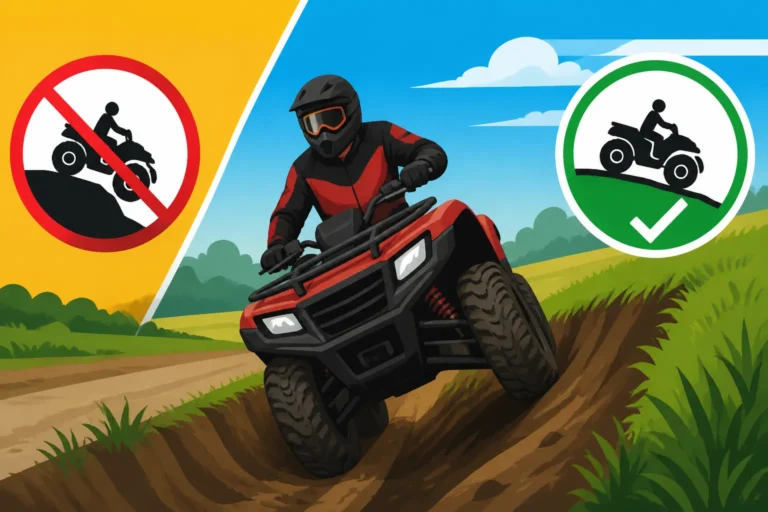
Encourage progressive skill development. Don't let a beginner immediately tackle the steepest hill or the muddiest section. Start with flat, open terrain and gradually introduce more challenging elements as their confidence and ability grow.
Communicate Rules to Guests
If you allow friends or extended family to ride on your property, make sure you clearly communicate your "house rules." This should include:
- Helmet Use: Emphasize that helmets are mandatory on your property, no exceptions.
- Age Restrictions: Be firm about age limits for children.
- Boundaries: Clearly outline where they can and cannot ride.
- No Impaired Riding: Absolutely no alcohol or drug consumption before or during riding.
- Liability: Make sure they understand that they are riding at their own risk and that you expect them to operate the machine safely.
Consider having guests sign a waiver acknowledging the risks and your rules, especially if you host larger gatherings. This can add another layer of protection, though it doesn't replace the need for adequate insurance.
Emergency Preparedness
Even on your own land, accidents can happen, or machines can break down. Being prepared can make a huge difference:
- First Aid Kit: Keep a well-stocked first aid kit readily accessible, both at your home/cottage and perhaps a smaller one on the ATV itself.
- Communication: Always have a fully charged cell phone. If you're in an area with spotty cell service, consider a satellite messenger or letting someone know your riding plan and expected return time.
- Recovery Gear: A basic tool kit, tire repair kit, and a small air compressor can be lifesavers for minor issues. A tow rope or a winch can be invaluable for getting a stuck machine out of trouble. Many SuperATV products are geared towards this exact type of self-sufficiency.
- Tell Someone: Even if you're riding "unsupervised," let someone know where you're going and when you expect to be back, especially if you're venturing into a more remote part of your property.
Riding your ATV or UTV on private family land in Ontario offers incredible freedom and enjoyment. By understanding the key differences from public riding, prioritizing safety with helmets and insurance, adhering to age-appropriate rules, and exercising caution when near public access points, you can ensure your private land adventures remain safe, legal, and truly unsupervised in the best sense of the word.
Disclaimer
This article is for general informational purposes only and does not constitute professional advice. Laws, prices and regulations vary by location and change over time. Consult a qualified professional for guidance on your specific situation.