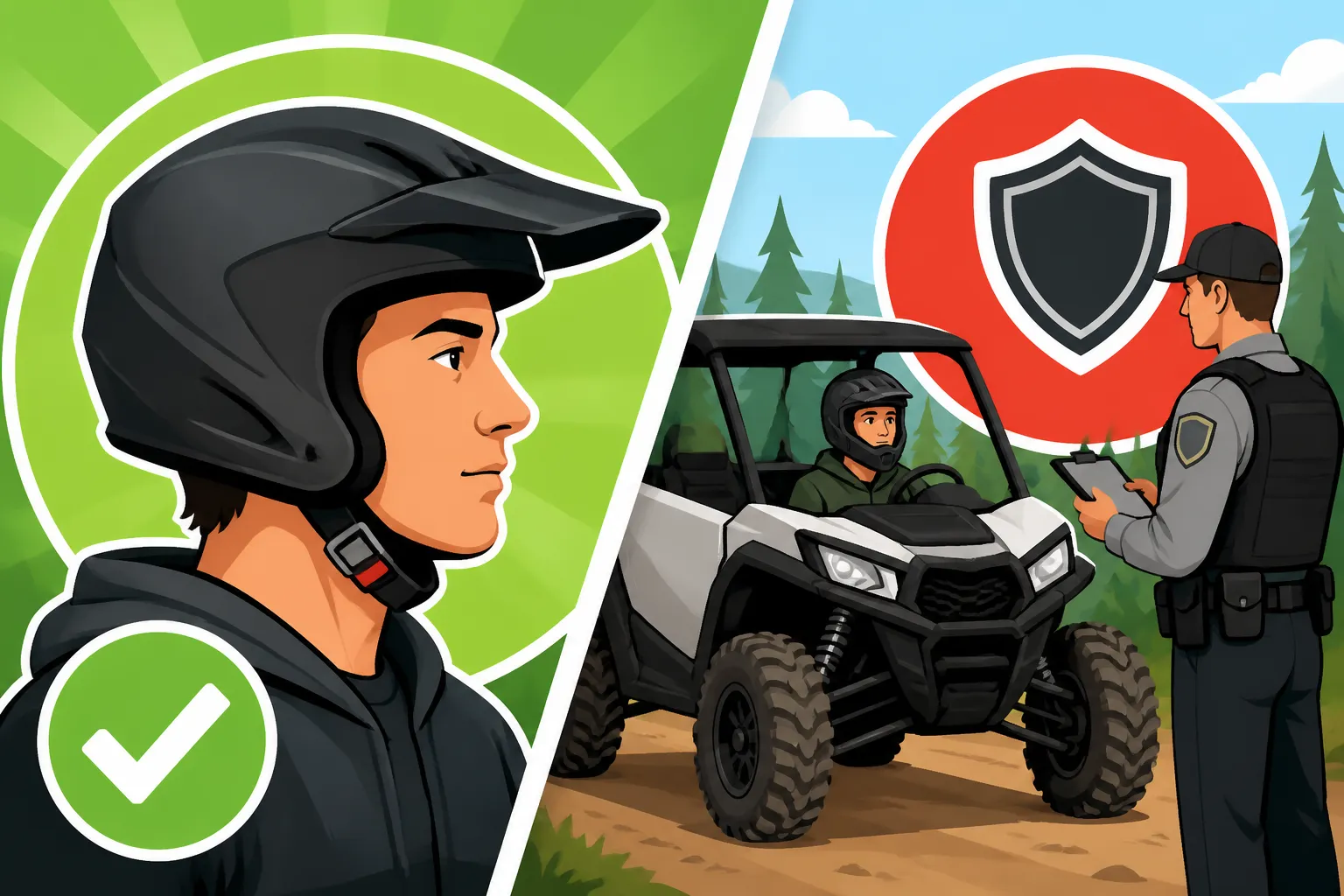
Chin Straps and Ontario Enforcement
It's easy to overlook the small details when you're itching to hit the trails or cruise down a backroad on your ATV or UTV. We’ve all done it: quickly yanked on a helmet, buckled the chin strap, and figured "good enough." But in Ontario, that little chin strap isn't just a suggestion; it’s a critical piece of the safety puzzle, and neglecting it can lead to serious consequences and run-ins with enforcement. This guide will walk you through everything you need to know about chin strap regulations in Ontario, why they matter so much, and how to avoid common pitfalls.
The Mandate for Head Protection in Ontario
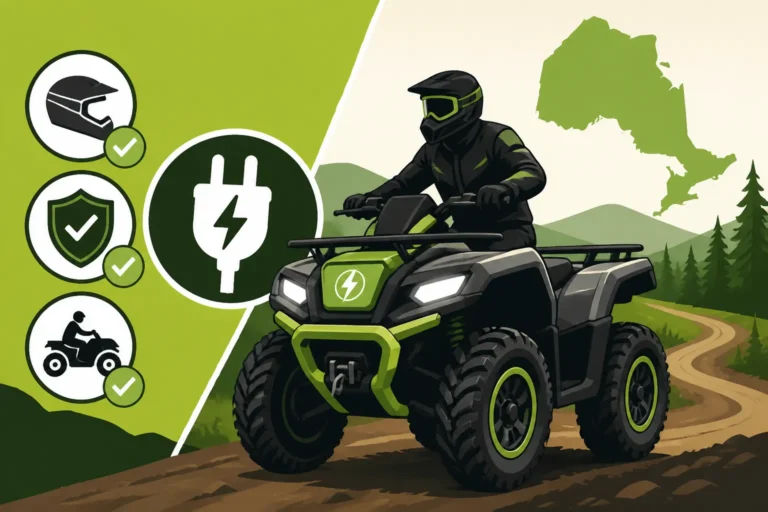
When you venture out on your ATV or UTV in Ontario, whether you're navigating rugged trails or using designated municipal roads, wearing a helmet isn't a choice – it's the law. This isn't just about avoiding a ticket; it's fundamentally about protecting your most valuable asset: your head. The province’s Off-Road Vehicles Act and its associated regulations are very clear on this point. They aim to keep riders safe, recognizing the inherent risks that come with operating these powerful machines.
Why Ontario Requires Helmets
The reasoning behind Ontario's helmet laws is straightforward and rooted in safety. ATVs and UTVs, while incredibly fun and useful, can be unforgiving. Accidents, even at low speeds, can result in significant head injuries if a helmet isn't worn or isn't worn correctly. Think about the types of terrain we ride – uneven ground, unexpected obstacles, sudden stops, or even just a simple tip-over. A fall from an ATV or UTV can send your head impacting the ground, a tree, or even the machine itself with considerable force. The helmet acts as that crucial first line of defense, absorbing and distributing impact energy to reduce the severity of injuries. It’s a measure designed to prevent tragedy and minimize the long-term effects of a crash.
The province isn't just being difficult; it's protecting riders from themselves and from the often unpredictable nature of off-road riding. When you're out there, you're responsible not just for your own safety, but also for setting a good example for others, especially younger riders. Understanding the law is the first step, but understanding why the law exists helps us appreciate its importance. For more on the specifics of the law, check out [Ontario ATV Helmet Law].
Approved Helmets and Their Features
Not just any helmet will do under Ontario's regulations. The law specifies that helmets must meet certain safety standards to be considered "approved." This means they've been tested and certified by recognized organizations for their ability to withstand impacts and protect the wearer. Common certifications include DOT (Department of Transportation), Snell, ECE (Economic Commission for Europe), or CSA (Canadian Standards Association). When you buy a helmet, always look for these certification stickers or labels. They're usually found on the back of the helmet or inside, under the padding.
Beyond certification, an approved helmet is designed with several key features: a hard outer shell to resist penetration, an impact-absorbing liner (often made of expanded polystyrene foam) to cushion the blow, and, critically, a retention system – which includes the chin strap – to keep the helmet firmly on your head during an impact. Without a proper chin strap, even the most expensive, certified helmet becomes little more than a hat that will fly off when you need it most. It's not just about having a helmet, but having the right helmet, and ensuring all its safety features are utilized as intended. You can delve deeper into what constitutes an approved helmet by reading [Approved Motorcycle Helmets in Ontario].
The Crucial Role of the Chin Strap
Okay, so we've established that helmets are mandatory and must be approved. But the chin strap often gets overlooked, seen as an afterthought or a minor nuisance. Trust me, it’s anything but. That humble strap is the linchpin that holds the entire safety system together. Without it, even the most robust helmet is essentially useless in a crash, leaving your head vulnerable.
Why a Secure Chin Strap Matters for Safety
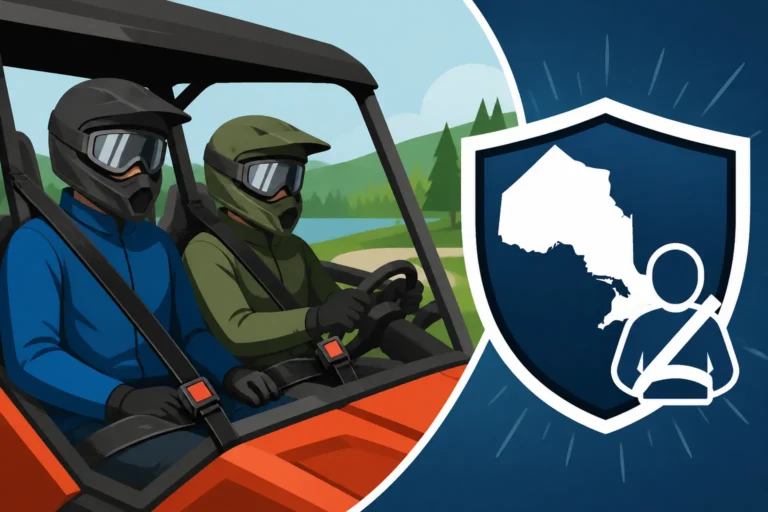
Imagine this scenario: you're riding a challenging trail, maybe a bit faster than you intended, and you hit an unexpected rut. The machine lurches, you're thrown forward, and your head snaps towards the handlebars. If your helmet chin strap isn't securely fastened, what happens? The helmet might shift, ride up, or worse, come completely off your head before impact. Suddenly, that expensive piece of protective gear becomes a projectile instead of a shield. The forces at play during a fall or collision are immense, and if the helmet isn't locked onto your head, it cannot do its job of absorbing and distributing those forces. It’s not enough for the helmet to just be on your head; it has to stay there and remain properly positioned throughout the entire duration of an impact. A properly tensioned chin strap ensures the helmet stays put, covering your skull and face exactly when you need it most. This is true for both ATVs and UTVs, where occupants still face head injury risks, even with roll-over protection.
What "Securely Fastened" Really Means
Ontario's regulations don't just say "wear a helmet"; they implicitly demand that it be worn correctly. While the letter of the law might specifically mention "chin straps," the spirit of it demands it be "securely fastened." So, what does "securely fastened" truly mean in the eyes of the law and, more importantly, for your safety? It means the strap is snug against your chin, with no more than one or two fingers fitting comfortably underneath it. It should be tight enough that if you try to pull the helmet off your head from the back or twist it side-to-side, it resists movement and doesn't slip around.
It does not mean simply buckling it so it dangles loosely, or having it so loose that you can easily take the helmet off without unbuckling. A common mistake riders make is buckling it too loosely because it feels more comfortable or less restrictive. However, a loose chin strap is as good as no chin strap at all. In an emergency, that extra slack allows the helmet to move, exposing vulnerable areas of your head. It’s a bit like wearing a seatbelt that has too much slack – it's there, but it won't protect you effectively in a crash. When an officer checks, they're not just looking for a buckle; they're checking for proper tension and fit, which will prevent the helmet from coming off.
Ontario's Enforcement of Chin Strap Rules
So, you know why chin straps are important. Now, let's talk about the practical side: what happens when you’re out on the trails or roads, and an Ontario Provincial Police (OPP) officer or local law enforcement pulls you over? They're not just checking your [Ontario ORV Permit Cost] or if you have [Ontario ATV Insurance Requirements]; they’re looking at your helmet, and specifically, that chin strap.
What an Officer Checks Roadside
When an officer stops you for an ORV-related check, they're conducting a thorough assessment, and your helmet is usually one of the first things they look at. They're trained to spot issues quickly. They’ll observe if you're wearing an approved helmet, but crucially, they'll also check how it's secured. This often involves a visual inspection to see if the chin strap is buckled and if it appears snug. They might even ask you to demonstrate the fit. If they can easily pull the helmet off your head while the strap is supposedly fastened, or if there's excessive slack, you're likely going to have an issue.
They're assessing whether the helmet is providing the intended level of protection. A helmet that's perched precariously on your head, or one with a chin strap so loose it might as well not be there, is a clear indicator that you're not complying with the spirit of the law, which is about ensuring safety. This is where an officer might politely, but firmly, educate you or move straight to enforcement. For a more general overview of roadside checks, take a look at [What an Ontario Officer Checks Roadside].
Potential Fines and Consequences
Riding an ATV or UTV without a properly fastened, approved helmet in Ontario can lead to a significant fine. We're not talking about a slap on the wrist here. The exact amounts can vary and are subject to change, so always check the most current regulations on the official Ontario government websites. However, you can expect a substantial monetary penalty. Beyond the immediate financial hit, there are other consequences. An officer might issue a ticket on the spot, and that citation becomes part of your record. While ORV infractions might not impact your standard driver's licence in the same way a car speeding ticket might, it’s still a legal infraction you want to avoid.
More importantly, if you are involved in a collision and your helmet was not properly secured – meaning the chin strap was loose or undone – it could complicate insurance claims or even affect liability if injuries occur. An insurance provider might argue that you weren't taking reasonable steps to protect yourself, which could have implications for any potential payout. Nobody wants to deal with the aftermath of an accident, but facing fines and insurance headaches on top of injuries because of a loose chin strap is a truly frustrating scenario. Don't let a moment of forgetfulness turn into a costly and painful lesson.
How to Ensure Your Chin Strap is Always Correct
Knowing the rules is one thing, but consistently applying them is another. After all, we’re all human, and it’s easy to get distracted. Here are some practical tips to make sure your chin strap is always correctly secured, turning it into a habit that keeps you safe and compliant.
The Two-Finger Rule and Proper Adjustment
The "two-finger rule" is your best friend when it comes to checking chin strap tension. After you’ve put on your helmet and buckled the strap, try to slide no more than two fingers comfortably between the strap and your chin. If you can fit more than two, it’s too loose and needs tightening. If you can’t fit any fingers, it might be too tight, which can be uncomfortable and even restrictive. The goal is snug, not choking.
Most helmets come with a D-ring or quick-release buckle system for the chin strap. With D-rings, you thread the strap through two rings, pull it tight, and then secure the excess with a snap or button. It takes a moment longer but offers a very secure fit. Quick-release buckles are often easier and faster but still require proper adjustment to ensure tightness. Adjust the length of the strap until you achieve that perfect two-finger fit. Don’t just set it and forget it; re-check the fit every time you put your helmet on, especially if you’ve been sharing helmets or if the strap has been adjusted for storage. This small routine check can make all the difference.
Maintaining Your Helmet and Chin Strap
Just like your ATV or UTV, your helmet and its chin strap need a little TLC to remain effective. Over time, straps can fray, buckles can get sticky, and padding can compress. Regularly inspect your helmet for any signs of wear and tear. Check the chin strap specifically:
- Fraying: Look for any threads coming loose or cuts in the strap material. A frayed strap is weakened and might not hold up in an impact.
- Buckle Function: Ensure the buckle mechanism (whether D-rings or quick-release) operates smoothly and locks securely. If it feels loose or unreliable, it's time for a repair or replacement.
- Padding Compression: The helmet’s interior padding can compress over time, affecting the overall fit. If your helmet starts to feel noticeably looser, even with the chin strap tightened, it might be losing its protective fit.
Cleaning your helmet and chin strap regularly can also extend its life. Sweat and dirt can degrade materials over time. Use mild soap and water for the strap and allow it to air dry completely. Store your helmet in a place where it won’t be exposed to extreme temperatures or direct sunlight, which can damage the materials. A helmet bag, perhaps one offered by a brand like SuperATV, can also help protect it from knocks and scratches when not in use. Proper maintenance ensures your helmet remains an effective piece of safety gear for many seasons to come.
Common Chin Strap Mistakes and How to Avoid Them
Even with the best intentions, riders sometimes fall into habits that compromise their safety, especially concerning helmet chin straps. Being aware of these common mistakes is the first step to avoiding them entirely.
Forgetting to Fasten It Tightly
This is probably the most frequent and dangerous mistake: buckling the chin strap but leaving it too loose. It's a classic "I did the action, but not the right action" scenario. Maybe you're in a hurry, or it feels more comfortable to have it loose, or you simply didn't realize how snug it needs to be. But as we discussed, a loose strap renders the helmet ineffective.
How to avoid it: Make a conscious effort to perform the "two-finger rule" check every single time you put on your helmet. It should become an automatic part of your pre-ride ritual, just like checking your tire pressure or fuel level. If you find yourself consistently forgetting, try leaving a visual reminder on your quad's dash or handle. Perhaps a brightly coloured sticker that says "Strap Check!" can serve as that gentle nudge before you kick into gear. Training yourself to feel the correct tension will make it second nature.
Wearing a Damaged or Ill-Fitting Helmet
Sometimes the problem isn't just the chin strap, but the helmet itself. A helmet that's too big, or one that's been damaged, simply won't protect you adequately, no matter how perfectly you cinch the chin strap. If your helmet moves freely on your head even when the strap is snug, it's too big. Conversely, a helmet that's too small will be uncomfortably tight and may not cover enough of your head.
How to avoid it: Always ensure your helmet is the correct size for your head. When trying on a helmet, it should fit snugly without painful pressure points. Your cheeks should be compressed slightly, and the helmet shouldn't move if you shake your head gently side-to-side or up and down. If you've been in a crash, even a minor one, replace your helmet. The impact-absorbing liner can be compromised even if there's no visible damage, making it useless in a subsequent crash. Similarly, if your helmet has visible cracks in the shell, frayed straps, or a faulty buckle, it's time for a new one. Your safety is worth the investment. Consider options like SuperATV for accessories that can make helmet storage easier and safer, encouraging better maintenance and care.
Chin Straps and Passenger Safety
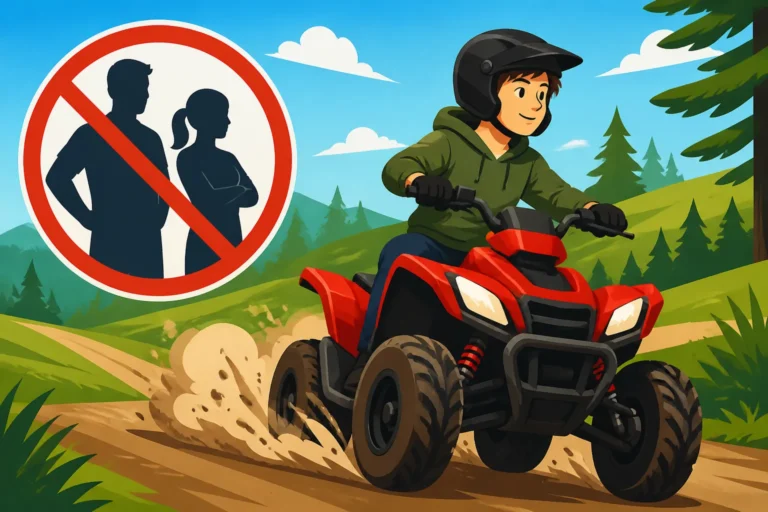
Ontario law extends helmet requirements to passengers on ATVs and UTVs as well. Just like the driver, any passenger must wear an approved helmet with a securely fastened chin strap. This is a crucial point, especially when riding with children or inexperienced passengers who might not understand the importance of proper helmet fit. You are responsible for ensuring your passenger is also compliant and safe.
How to avoid it: Before any passenger hops on, take the time to fit their helmet properly and demonstrate how to adjust and buckle the chin strap. Perform the "two-finger rule" check for them. Emphasize that a loose chin strap is dangerous and that they must keep it secure throughout the ride. If you frequently carry the same passenger, ensure their helmet is always at hand and ready to go. Never assume they've fastened it correctly; always double-check. Their safety, and your compliance with the law, rests in your hands. This applies to rules for [Ontario ATV Passenger Rules] and [Can a Child Ride Passenger on an Ontario Road?].
Beyond the Chin Strap: Full Helmet Safety
While the chin strap is a critical component, it's part of a larger system. To truly ensure your safety and comply with Ontario's regulations, it's important to consider all aspects of helmet use and the broader context of riding gear.
The Importance of Full Face Protection
Many approved helmets for off-road use, particularly those resembling motocross helmets, offer excellent impact protection but often have an open face area. While goggles are essential for eye protection against dust, debris, and insects, consider options that provide more comprehensive facial protection. Some helmets incorporate a visor, or you can opt for a helmet with a full face shield.
The reason for this additional protection is simple: branches, rocks, or even kickback from tires can cause serious facial injuries. While a chin strap secures the helmet, a full face shield adds another layer of defense for your eyes, nose, and mouth. When riding on trails where flying debris is common, this extra protection can prevent painful and disfiguring injuries. It’s about minimizing your overall risk, not just passing a roadside check.
When to Replace Your Helmet
Helmets don't last forever, even if they've never been in a crash. The materials, especially the impact-absorbing liner, degrade over time due to exposure to UV light, sweat, and general wear and tear. Most helmet manufacturers recommend replacing your helmet every five to seven years from its date of manufacture, or sooner if it shows signs of damage or excessive wear.
Think of it like this: the foam inside your helmet is designed to crush and absorb energy during an impact. Over years, it loses some of its elasticity and ability to perform this function optimally. Even if it looks fine on the outside, its internal integrity might be compromised. Always check the manufacture date, usually found on a sticker inside the helmet. Investing in a new helmet every few years is a small price to pay for continued, reliable head protection. After all, if the helmet itself is compromised, no amount of chin strap vigilance will make it truly safe.
| Helmet Component | Importance | What to Check Regularly | Consequence of Failure |
|---|---|---|---|
| Chin Strap | Secures helmet to head; prevents slippage | Snugness (2-finger rule), no fraying, buckle function | Helmet flies off; potential fine |
| Outer Shell | Resists penetration; first impact layer | Cracks, deep scratches, delamination | Shell integrity compromised; impact vulnerability |
| Impact Liner | Absorbs and dissipates energy | Compression, cracks, deterioration | Reduced energy absorption; increased injury risk |
| Visor/Face Shield | Eye & face protection | Scratches, cracks, proper attachment | Impaired vision; facial injury risk |
| Ventilation | Airflow; prevents fogging | Clogged vents, broken mechanisms | Discomfort, fogging, reduced focus |
| Certification Labels | Proof of safety standards | Presence and legibility of DOT, Snell, ECE, etc. | Non-compliance with law; unknown protection level |
Disclaimer
This article is for general informational purposes only and does not constitute professional advice. Laws, prices and regulations vary by location and change over time. Consult a qualified professional for guidance on your specific situation.