Why a Side-by-Side Is an ROV, Not an ATV
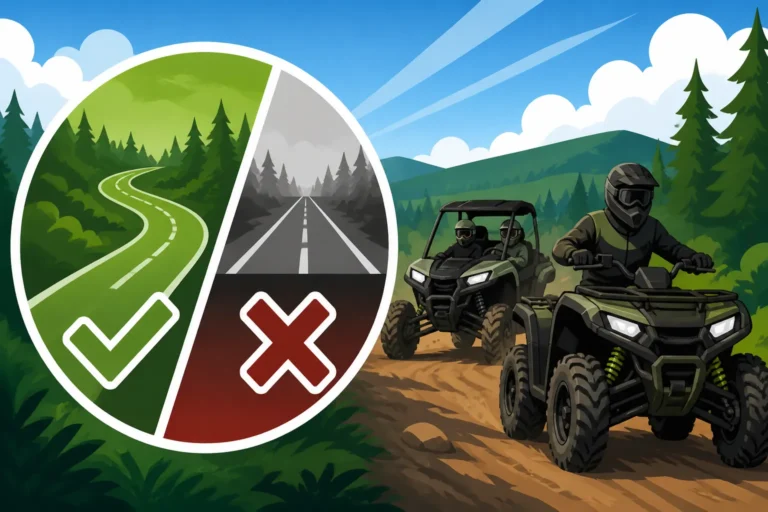
It's incredibly frustrating when you're just trying to understand the rules for your off-road machine, and the terminology itself seems designed to confuse! Many side-by-side owners feel this exact headache, wondering why their beloved vehicle isn't simply called an ATV, especially when trying to figure out where they can legally ride. This guide will cut through the confusion and explain exactly why your side-by-side is classified as an ROV, not an ATV, under Ontario law, and what that means for you on the trails and roads.
The Distinct Legal Classification of ORVs in Ontario
Navigating the world of off-road vehicles in Ontario can feel like deciphering a secret code, particularly when it comes to how different machines are categorized. While many people colloquially refer to all four-wheeled off-road machines as "ATVs," the truth is that Ontario's Off-Road Vehicles Act and its accompanying regulations draw very specific lines. These distinctions aren't just bureaucratic jargon; they have real implications for how you register, insure, and most importantly, where you can legally ride your machine.
The primary reason your side-by-side isn't called an ATV in the eyes of Ontario law boils down to fundamental differences in their design and intended use, even if both are primarily used off-pavement. The province has developed a system to ensure that the rules and safety requirements are appropriate for the unique characteristics of each vehicle type. Ignoring these legal classifications can lead to fines, insurance headaches, and even putting yourself and others at risk. It's truly a critical piece of information for any serious rider in Ontario.
Defining an ATV Under Ontario Law
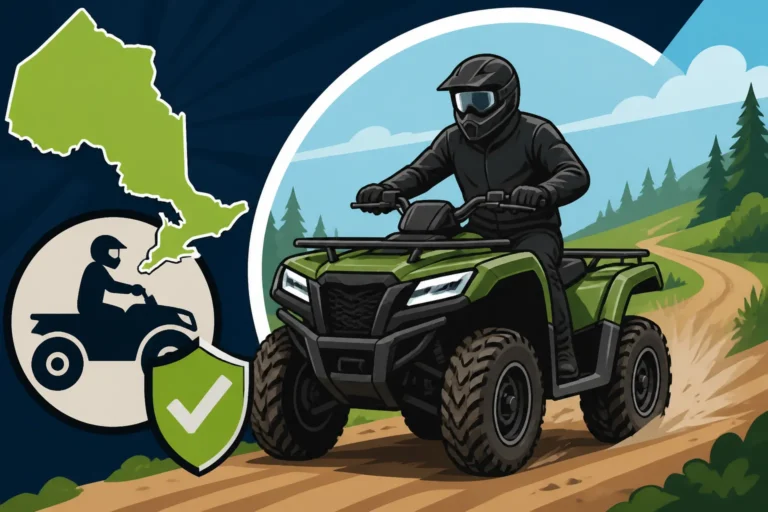
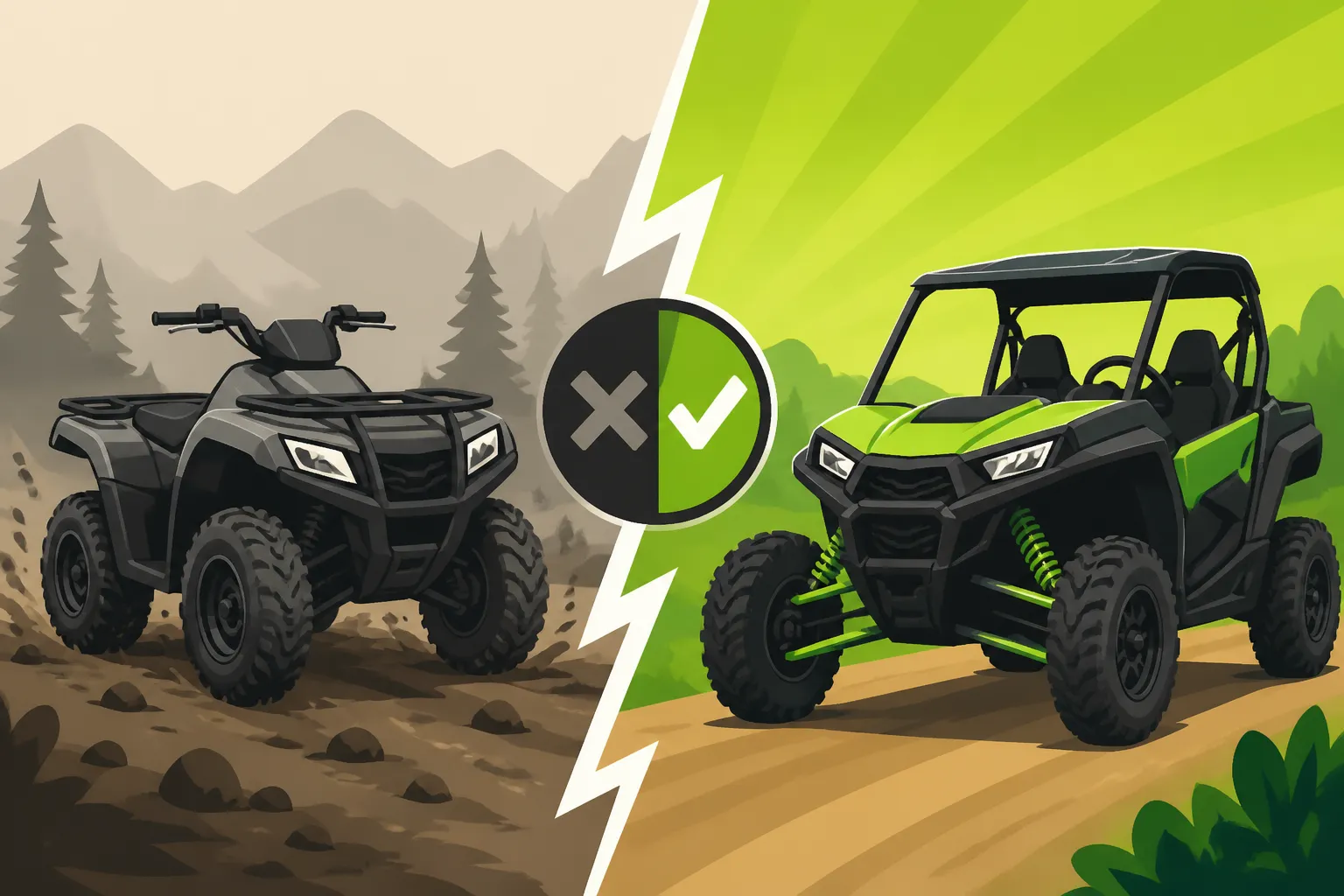
When the province talks about an All-Terrain Vehicle (ATV), it's looking for a very specific set of characteristics. Think about the classic quad: a single rider, straddling the seat, steering with handlebars. That's the image the law has in mind. More formally, the Off-Road Vehicles Act defines an ATV as an off-road vehicle that has three or more wheels, a straddle seat, and handlebars for steering. It's designed for a single rider, though some models are specifically manufactured for two riders (often called "two-up" ATVs).
The key here is the "straddle seat" and "handlebars." These design elements dictate the rider's posture and control input, which in turn influences the vehicle's handling characteristics. An ATV typically relies on the rider's body weight to shift balance, especially when cornering or traversing uneven terrain. This direct connection between rider and machine is a hallmark of the ATV experience. Understanding this baseline definition is the first step in seeing why a side-by-side just doesn't fit the mould.
Defining an ROV (Side-by-Side) Under Ontario Law
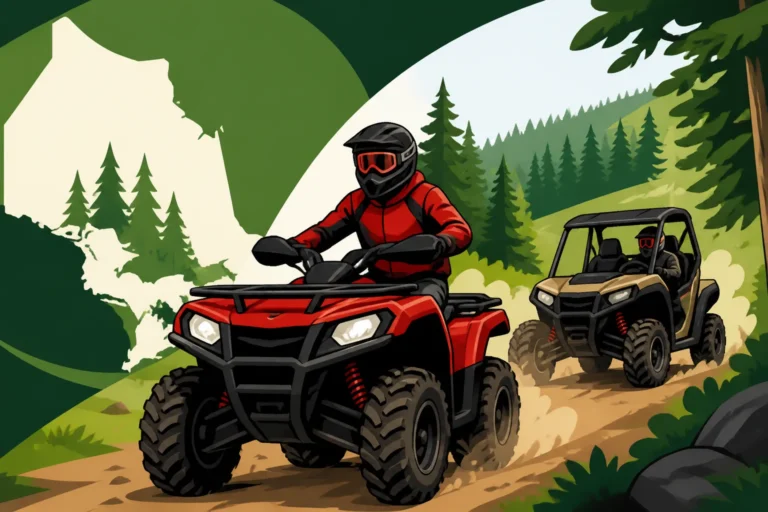
Now, let's turn our attention to the Recreational Off-Highway Vehicle, or ROV – which is what your side-by-side actually is under Ontario law. The distinction is clear: an ROV is a completely different class of vehicle. Instead of a straddle seat and handlebars, an ROV features a steering wheel, foot pedals, and side-by-side seating, typically for two or more occupants. Crucially, ROVs also come equipped with a Roll-Over Protection Structure (ROPS) and seat belts, much like a car. This fundamental difference in driver and passenger accommodation, control layout, and inherent safety features is why Ontario assigns them their own unique category.
The law even specifies weight and width limits for these machines. For instance, the regulation defining ROVs often refers to them as multi-purpose off-highway vehicles (MPVs) or recreational off-highway vehicles (ROVs) with specific maximum weight and width. Generally, to fit the ROV classification, your side-by-side will have a maximum width that keeps it within legal bounds for certain trail systems and road allowances. If your machine exceeds specific dimensions, like the Ontario ATV Width Limit for Road Use, it might not even qualify as an ROV for road use, highlighting the importance of knowing your machine's specs. These design distinctions aren't arbitrary; they reflect different operational characteristics and, therefore, different regulatory needs.
Why This Classification Matters for Road Use
The moment you consider taking your off-road machine onto a public road, these legal classifications become absolutely paramount. Ontario's road-use rules, laid out in the Off-Road Vehicles Act and its associated regulations, are not a one-size-fits-all solution. They differentiate between ATVs and ROVs, imposing different requirements and restrictions on each. This means that what might be perfectly legal for an ATV could land an ROV driver in hot water, and vice-versa.
It's a common misconception that if one type of off-road vehicle can use a municipal road, all can. However, the legislation, and subsequently, municipal by-laws that permit ORV access, are often very specific. They detail which class of ORV is allowed, under what conditions, and with what equipment. Failing to understand these nuances can lead to fines, insurance complications, and even the impoundment of your machine. This is where your machine's specific classification as an ROV really hits home for road-going aspirations.
Equipment Differences for Road Readiness
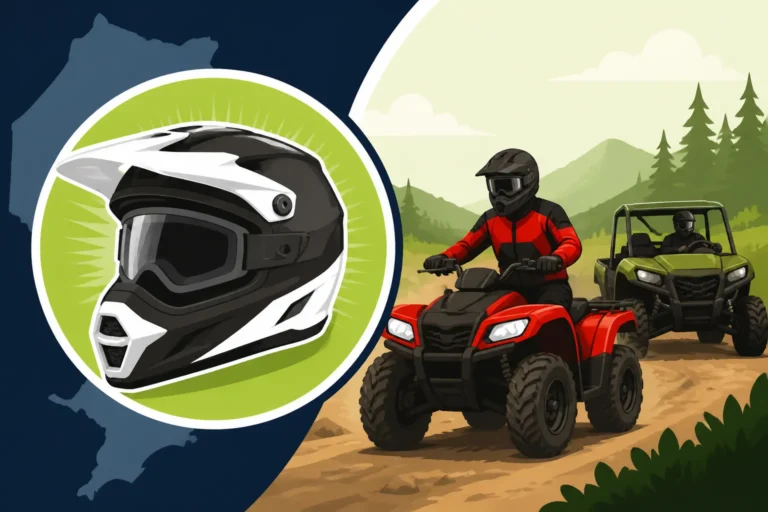
One of the most significant areas where the ATV and ROV classifications diverge for road use is in the required safety equipment. Because ROVs are designed with a cabin-like structure and multiple seats, they have different inherent safety features and, consequently, different legal mandates. While an ATV rider needs an approved helmet and generally less complex lighting for road crossings, an ROV has a more extensive list of requirements that mirror those of a car, albeit in a more rugged form.
For an ROV to be considered road-ready in areas where it's permitted, it must have functional seat belts for all occupants, a properly maintained Roll-Over Protection Structure (ROPS) – which is usually factory-installed – and typically specific lighting, mirrors, and even a horn. Many ROV owners find themselves looking for aftermarket solutions to ensure full compliance. For instance, if you're looking to add robust mirrors, or perhaps upgrade your lighting system to meet municipal by-law standards, companies like SuperATV offer a range of products designed for side-by-sides that can help you tick all those boxes and enhance your machine's safety features for both on-road and off-road adventures. The Ontario ATV Lighting Requirements and Ontario ATV Mirror Requirements for road use apply differently to ROVs, often requiring more comprehensive setups.
Operator and Passenger Requirements
Beyond the vehicle itself, the legal distinction between ATVs and ROVs also impacts who can operate them and who can ride as a passenger on public roads. These rules are put in place to ensure the safety of everyone on the road, given the differing operational dynamics of each machine. For ATVs, specific age requirements and licensing levels apply, often with restrictions on passengers depending on the machine's design.
ROVs, with their car-like controls and multi-passenger design, often have slightly different regulations. While the general rule for operating any ORV on a road in Ontario typically requires a minimum of a G2 or M2 licence, the specifics regarding passengers can differ. For example, the Ontario ATV Passenger Rules are very clear about single-rider versus two-up ATVs. For ROVs, because they are designed to carry multiple passengers, the focus shifts more to ensuring all occupants are properly restrained with seat belts and within the designated seating areas. The minimum age for a passenger in an ROV on a public road might also be subject to specific rules, reflecting the enclosed nature of the vehicle. Understanding these nuances is vital to avoid unnecessary penalties and ensure a safe ride for everyone in your side-by-side.
Practical Implications for Side-by-Side Owners
So, you've got your head around the fact that your side-by-side is an ROV, not an ATV, under Ontario law. But what does that really mean for your day-to-day life as a rider? This legal classification isn't just about what words you use; it translates into very tangible differences in how you deal with permits, insurance, and even how you experience the trail system and open roads across the province. Many new ROV owners find themselves surprised by these distinctions, assuming a "quad is a quad," but Ontario's regulations demand a more precise approach.
It's also worth noting that because ROVs are a relatively newer category of popular off-road vehicles compared to traditional ATVs, some older regulations or informal understandings might not fully reflect their specific needs. This can lead to moments of confusion at ServiceOntario or when talking to insurance brokers. Being informed about your machine's correct classification empowers you to ask the right questions and ensure you're compliant with all necessary regulations.
Permit and Insurance Considerations
When it comes to getting your machine registered and insured, the ROV classification plays a crucial role. While both ATVs and ROVs require an Ontario ORV Permit Cost and registration through ServiceOntario, the underlying legal framework influences how these processes are managed. The permit itself typically doesn't differentiate between an ATV or an ROV on its face, but the registration system certainly records the specific type of off-road vehicle you own. This internal classification is important for enforcement and statistical purposes.
Perhaps even more critical is the impact on insurance. Insurance providers assess risk based on the vehicle type, and an ROV, with its multiple passengers, steering wheel, and often higher purchase price, is viewed differently than a traditional ATV. While [Insurance and Ontario ORV Registration] is mandatory for all ORVs that will be operated off your own property, and especially on roads, your insurance broker will absolutely need to know if you have an ATV, a dirt bike, or an ROV. Ensure you're transparent about your machine's classification to get the correct coverage. Some specialized components, like upgraded suspension or a custom roll cage from a company like SuperATV, might even require a conversation with your insurer to ensure proper coverage, especially if they significantly alter the vehicle's value or characteristics.
Navigating Municipal By-laws
One of the most complex areas for any ORV owner is understanding where you can legally ride, especially when it comes to municipal roads. This is precisely where the ATV vs. ROV distinction can become a headache. Ontario's legislation allows municipalities to pass by-laws opening certain roads to ORVs, but these by-laws can be incredibly specific about which types of machines are permitted. A municipality might open its roads to "ATVs" but explicitly exclude "ROVs," or vice-versa, or specify different rules for each.
It's not uncommon to find municipal by-laws that have specific clauses for [Ontario UTV Road Rules] that differ from those for traditional quads. This means that just because a road is open to a friend's ATV, it doesn't automatically mean your side-by-side is welcome. Always check the specific by-law for the area you intend to ride. The process of [How an Ontario Municipality Opts In] to allow ORVs on roads involves careful consideration of vehicle types, safety, and community impact. So, before you load up the family for a ride to the local ice cream shop, ensure you've done your homework and understand if your ROV is permitted on those specific roads. A quick call to the municipal office or checking their website can save you a lot of trouble.
Here's a quick comparison of the key distinctions between an ATV and an ROV in Ontario:
| Feature | All-Terrain Vehicle (ATV) | Recreational Off-Highway Vehicle (ROV – Side-by-Side) |
|---|---|---|
| Seating Arrangement | Straddle seat (single or two-up) | Side-by-side bucket seats (2+ passengers) |
| Steering Control | Handlebars | Steering wheel |
| Foot Controls | Hand/foot levers (throttle, brake, shift) | Foot pedals (accelerator, brake) |
| Occupant Protection | Rider uses body weight for balance; approved helmet mandatory | Roll-Over Protection Structure (ROPS) and seat belts mandatory |
| Typical Width | Generally narrower | Often wider, specific limits for road use apply |
| Common Use | Sport, utility, single-rider focused | Recreation, utility, multi-passenger focused |
| Ontario Classification | ATV | MPV (Multi-Purpose Off-Highway Vehicle) or ROV (Recreational Off-Highway Vehicle) |
Disclaimer
This article is for general informational purposes only and does not constitute professional advice. Laws, prices and regulations vary by location and change over time. Consult a qualified professional for guidance on your specific situation.