Ontario ATV Rules for Riding a Conservation Area
It's incredibly frustrating when you're looking for new places to explore on your ATV or UTV in Ontario, only to hit a wall of confusing rules and restrictions, especially when it comes to beautiful natural spaces like conservation areas. You see these scenic spots on a map and think, "Wouldn't it be amazing to ride there?" but then the big question mark pops up: Is it even allowed? This guide is here to cut through that confusion and give you the real scoop on what you need to know about riding your off-road vehicle in Ontario's conservation areas, so you can ride confidently and legally.
Understanding Ontario's Conservation Areas
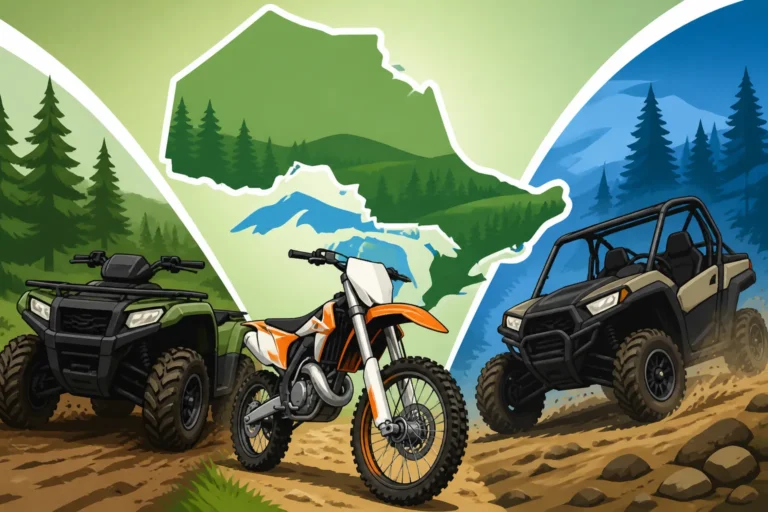
Before we dive into the nitty-gritty of ATV rules, it's really important to grasp what conservation areas are all about in Ontario. They aren't just pretty parks; they serve a vital role in our province's environmental health and safety. These areas are typically managed by one of Ontario's 36 Conservation Authorities (CAs), which are local, community-based environmental agencies established under the provincial Conservation Authorities Act. Each CA has a specific jurisdiction, often tied to a major watershed or river system.
Their primary purposes are quite broad, encompassing everything from protecting natural habitats and biodiversity to managing floodplains, ensuring clean water, and offering recreational opportunities. Think of them as living laboratories and crucial green infrastructure. They protect wetlands that filter our water, forests that clean our air, and sensitive ecosystems that are home to countless species. This crucial role often means that certain activities, like off-road vehicle use, are heavily regulated or prohibited to prevent ecological damage. It's a balance of allowing public access while safeguarding the very things that make these places special.
The Reality: ATV Riding in Conservation Areas
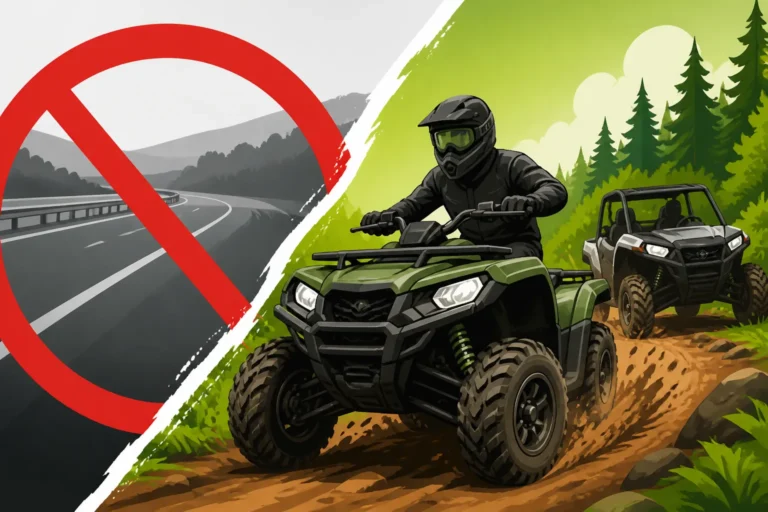
Here's the honest truth, and it might be a bit of a letdown for some riders: ATVs and UTVs are generally NOT permitted in Ontario's conservation areas. I know, it's tough to hear, especially when you're eager to hit the trails. Many riders assume that because it's "natural land," it might be open to off-road vehicles, but unfortunately, that's rarely the case with Conservation Authorities.
The reasons behind this widespread prohibition are sound, even if they're inconvenient for us riders. Conservation Authorities prioritize the protection of sensitive ecosystems. ATVs and UTVs, while incredibly fun and useful, can cause erosion, compact soil, disturb wildlife, introduce invasive species, and create noise pollution that detracts from the quiet enjoyment many other visitors seek. They're designed for adventure, often with robust tires and powerful engines – think of the kind of heavy-duty gear you might find from a company like SuperATV to tackle extreme trails. While that equipment is fantastic for designated riding areas, it's simply too impactful for the delicate balance a conservation area strives to maintain.
Now, are there any exceptions? Very, very few. In some rare instances, a Conservation Authority might have a very specific, designated multi-use trail that explicitly permits ORVs. However, these are the exception, not the rule, and they will be clearly marked with specific signage and rules. You absolutely cannot assume. If you're looking at a conservation area, your default assumption should always be "no riding." To confirm, you would need to visit the specific Conservation Authority's website or contact them directly. Relying on unofficial maps or hearsay could lead to an unpleasant surprise.
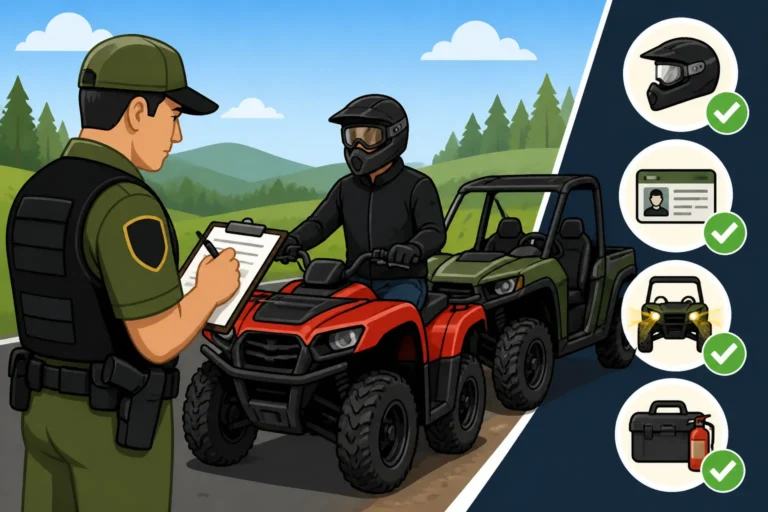
The consequences of ignoring these rules can be pretty significant. You could face hefty fines for trespassing or operating an off-road vehicle in a prohibited area, and in some cases, your vehicle could even be impounded. It's a quick way to turn a fun day into a very expensive headache. It's much better to stick to the many legal and welcoming trails Ontario has to offer.
Finding Permitted Riding Areas (The Right Way)
So, if conservation areas are mostly off-limits, where can you ride legally and without constantly looking over your shoulder? The key is knowing where to look and how to verify permissions.
Your first stop should always be the Ontario Federation of ATV Trails (OFATV). This incredible organization oversees a vast network of authorized trails across the province, maintained by local clubs. Purchasing an [Ontario ATV Trail Permit Cost] from the OFATV (or a regional club like EOTA or HATVA, which often integrate with the OFATV network) gives you access to thousands of kilometres of incredible riding. These trails are specifically designed and managed for ORV use, meaning they're built to handle the machines and minimize environmental impact. You'll find everything from scenic forest routes to challenging mud pits, all on legal ground. Companies like SuperATV build accessories that are perfect for tackling these kinds of varied and demanding trails.
For those looking to explore more remote wilderness, Crown Land can be an option, but with significant caveats. Not all Crown Land is open to ORVs, and there are specific rules and restrictions, especially concerning environmentally sensitive areas, parks, or adjacent private properties. It's not a free-for-all. Before venturing out, you absolutely need to consult the Ministry of Natural Resources and Forestry (MNRF) policies and maps, or read up on [Ontario Rules for Riding Crown Land]. Ignorance of the rules regarding Crown Land is not an excuse, and fines can still be substantial.
Private property is another avenue, but only with explicit permission from the landowner. This means getting a clear "yes" from them, ideally in writing, to avoid any misunderstanding about [Ontario ATV Trespass Rules]. Many farmers or large landowners might allow riding on their property, but you must ask first.
Finally, some municipalities have by-laws that permit ORV use on certain roads or road allowances to connect to trail systems. This is often where the "street legal" aspect comes into play. For example, some Northern Ontario towns embrace ORVs as a vital part of their local economy and offer designated routes within town limits. However, this varies wildly from one town to the next, so you absolutely must check local by-laws. A road that's open in Kirkland Lake might be strictly off-limits in a neighbouring municipality. [Checking a Township's ORV By-law] is essential for this.
To summarize where you can generally ride versus where you usually cannot:
| Type of Land | General ORV Status in Ontario | Key Considerations |
|---|---|---|
| Conservation Area | Generally NOT Permitted | Primary focus is environmental protection. Very rare exceptions for specific, clearly marked multi-use trails. Always confirm with the specific Conservation Authority. |
| OFATV Trails | Permitted with Trail Permit | Designated and maintained for ORV use by volunteer clubs. Requires an annual or short-term The OFATV Permit and What It Costs in Ontario. Excellent option for varied terrain and legal riding. |
| Crown Land | Generally Permitted (with restrictions) | Subject to specific MNRF regulations. Certain areas (Provincial Parks, Conservation Reserves, sensitive habitats) are off-limits. Research maps and policies thoroughly. What Free Use Means on Crown Land is a good starting point. |
| Private Property | Permitted ONLY with Landowner Permission | Absolutely require explicit, ideally written, consent from the property owner. Trespassing is a serious offence. |
| Municipal Roads | Varies by Municipality | Some townships have by-laws allowing ORVs on specific roads (often for trail access), typically with speed limits and equipment requirements. [Ontario ATV Rules on a Municipal Road] covers this area. Check local by-laws religiously. |
| Provincial Parks | Generally NOT Permitted | Similar to Conservation Areas, these are protected lands. While some allow ORVs on connecting roads, trails within parks are almost universally off-limits. See Why Provincial Parks Turn Quads Away. |
Respecting the Environment and Other Users
Even when you find a legal and appropriate place to ride, whether it's an OFATV trail, private land, or permitted Crown Land, responsible riding is paramount. Our ability to continue enjoying these activities depends heavily on how we conduct ourselves.
First and foremost, stay on marked trails. Going off-trail, or "bush-whacking," is a major cause of environmental damage, leading to erosion, habitat destruction, and the spread of invasive species. It also often leads to trespassing issues on adjacent private property, giving all riders a bad name. This is especially true if you're using heavy-duty equipment like SuperATV tracks or wide tires; these are designed for challenging, approved trails, not for creating new ones in sensitive ecosystems.
Mind your speed and noise levels. While the thrill of speed is part of the fun, always adjust to conditions and surroundings. Slow down around other trail users (hikers, cyclists, horseback riders, even snowmobilers in the winter), wildlife, and residential areas. Excessive noise can be a major source of conflict with other land users and nearby residents. Ensure your exhaust system is in good working order and meets legal requirements; a loud, modified exhaust can earn you a ticket and negative attention. [Ontario ATV Muffler Rules] are there for a reason.
Practice Leave No Trace principles. Whatever you pack in, pack it out – and that includes all your garbage, broken parts, and anything else. Avoid littering at all costs. If you stop for a break, choose a durable surface and leave the area looking better than you found it.
Respect wildlife. If you encounter animals on the trail, give them a wide berth. Never chase or harass wildlife. These trails are often shared corridors for many species.
By being a responsible and respectful rider, you not only protect the environment but also help preserve access for all ORV enthusiasts. We want to ensure that the sport remains enjoyable and accessible for generations to come, and that means being good stewards of the land we ride on. It’s also important to ensure you have the correct [Ontario ATV Insurance Requirements] in place, even if you’re riding off-road.
This article is for general informational purposes only and does not constitute professional advice. Laws, prices and regulations vary by location and change over time. Consult a qualified professional for guidance on your specific situation.