Ontario’s Off-Road Minimum Age of Twelve
It's an age-old question for any parent with a budding off-road enthusiast: "How old does my child need to be before they can ride an ATV or UTV in Ontario?" The excitement is palpable as soon as kids see these machines, and navigating the rules can feel like slogging through deep mud. This guide is here to cut through the confusion and explain exactly what Ontario's "minimum age of twelve" rule for off-road riding truly means.
Understanding Ontario's Off-Road Vehicle Act and Age Limits
Let's face it, Ontario's rules around off-road vehicles (ORVs) can sometimes feel like a maze, especially when children are involved. You want to foster that passion for the outdoors and safe riding, but you also need to ensure you're doing everything by the book. The core of these regulations, particularly concerning age, stems directly from [The Off-Road Vehicles Act and Ontario Riders].
The Core of Ontario's Off-Road Vehicle Act for Minors
The big, overarching rule that catches most parents' attention is that a person must be at least 12 years old to operate an ORV off-road in Ontario. This isn't just a suggestion; it's enshrined in provincial law. This means that if you've got an energetic 10-year-old who's been dreaming of hitting the trails on their own quad, legally, they'll have to wait a couple more years. It's a tough pill to swallow for eager youngsters and their parents, but the law is there for safety. This rule applies whether they're on a designated trail, Crown land, or even some private properties where the public has access. The intention behind it is to ensure a certain level of maturity, physical capability, and understanding of risk before a child is given control of a powerful machine.
For those younger than 12, the options are severely limited. They generally cannot operate an ORV on public lands, trails, or even on many private properties without explicit and significant restrictions, if at all. This often leads to younger children riding smaller, electric-powered machines in very controlled environments, usually their own backyard, where the Off-Road Vehicles Act might not apply in the same way it does to motorized ORVs on public access lands. It’s a stark contrast to how we might have grown up riding dirt bikes or quads at a much younger age, but the times, and the regulations, have certainly changed.
Why Twelve Years Old? The Rationale Behind the Rule
You might wonder, why exactly twelve? Why not ten, or fourteen, or even eight? The twelve-year-old mark is generally considered by lawmakers and safety experts to be a critical age for developing the necessary cognitive and physical skills to safely operate an ORV. At this age, most children have significantly improved their coordination, reaction time, and ability to assess risks. They're better able to understand and follow complex instructions, interpret trail conditions, and make quick decisions, all of which are crucial when riding. An ATV or UTV is not a toy; it’s a powerful piece of machinery that requires respect and a certain level of maturity to handle responsibly.
Furthermore, the twelve-year age limit often coincides with a child's development in other areas, such as their ability to focus for longer periods and their understanding of cause and effect. Think about it: they're navigating changing terrain, managing throttle and brake, watching for other riders or obstacles, and remembering safety protocols, all at once. This isn't something a very young child can do consistently and safely. The province's goal is to minimize accidents and injuries, and setting a minimum age is one of the foundational ways they attempt to achieve this. It's about protecting our youngest riders and ensuring that when they do get behind the handlebars, they have the best possible chance of having a safe and enjoyable experience.
The Distinction Between Driving and Registering an ORV
It's really important for parents to understand that the age for operating an ORV is different from the age required to register one in Ontario. While a 12-year-old can, under specific conditions, legally operate an ATV or UTV off-road, they cannot actually register the machine in their own name. [Ontario ATV Registration Age Requirement] states that you generally need to be 16 years old to register an ORV. This means that if you're buying a machine for your child, even if they're old enough to ride it, the ORV will need to be registered in an adult's name, usually a parent or legal guardian.
This distinction highlights the legal responsibility aspect. The adult who registers the machine is ultimately responsible for ensuring it's properly insured, maintained, and operated according to the law, especially when a minor is riding it. So, while your 13-year-old might be an incredibly skilled rider, the paperwork—the [Ontario ATV Registration for a Minor] process—will always fall to an adult. This setup ensures that there's always an adult legally accountable for the machine and its use, providing an additional layer of oversight and safety for young riders. It's a common point of confusion, but once you understand that operation and ownership are separate legal concepts, it makes a lot more sense.
What "Off-Road" Truly Means in Ontario
When we talk about "off-road" riding, it's easy to just picture trails and mud. But in Ontario, the legal definition and implications are a bit more nuanced, especially when it comes to where a minor can legally operate an ORV. It's not just about getting off the pavement; it's about understanding the specific types of terrain and their associated regulations.
Riding on Private Property: The Home-Turf Exemption
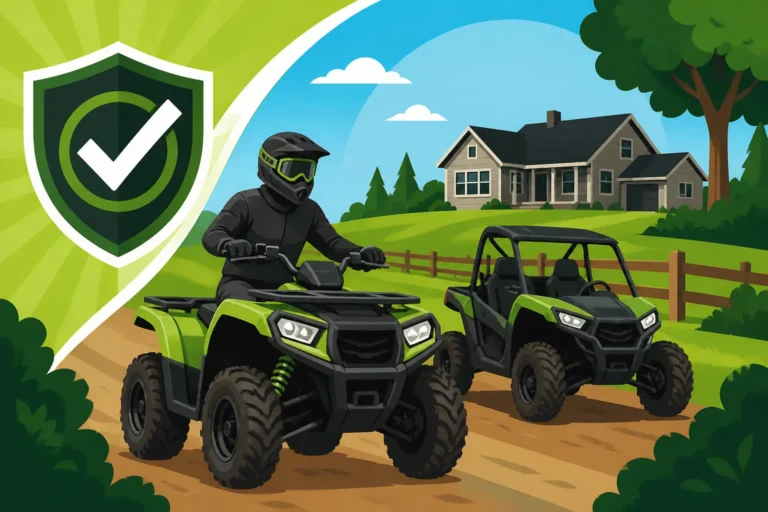
This is often where the most flexibility lies for younger riders. If you own private property, say a large farm or a cottage with extensive land, the provincial Off-Road Vehicles Act’s age restrictions might not apply in the same strict way they do on public lands. On your own private property, with the landowner's permission (which, if you're the parent, means your permission!), a child under 12 might be able to ride an ORV, provided they are supervised and the machine is appropriate for their size and skill level. This is generally considered "closed-course" riding or riding on land where the public has no right of access. [Ontario ATV Rules for Riding Private Property] delves into this more.
However, even on private land, common sense and safety are paramount. This isn't a free-for-all. Insurance policies often have clauses regarding age and supervision, and you, as the property owner and parent, still bear the ultimate responsibility for their safety. It's crucial to ensure the riding environment is safe, free of hazards, and that appropriate safety gear is worn. Think of it as a controlled training ground. Many parents use their private land to teach younger children the fundamentals of riding, ensuring they're confident and competent before they hit public trails once they turn twelve. This allows them to [Riding Unsupervised on Your Own Property] later, but only when they're old enough and experienced.
Riding on Crown Land and Designated Trails
Once you leave private land, the rules become much stricter. For Crown land and designated trail systems, like those maintained by the Ontario Federation of ATV Clubs (OFATV), the 12-year-old minimum age limit for operators is firmly in place. There's simply no leeway here for children under that age. [Ontario ATV Rules for Riding Crown Land] are quite clear that you must adhere to the provincial legislation. These areas are considered public spaces, and the province has a vested interest in ensuring the safety of all users, which includes enforcing age restrictions.
For a 12-year-old (or older, but under 16) riding on these public trails, they must always be supervised by an adult (16 years or older) who holds a valid driver's licence. This isn't just about having an adult present; it's about active, direct supervision, often meaning the adult is riding alongside or closely behind. They also need to ensure they have the appropriate trail permit if riding on organized trail systems. The trails often present varying levels of difficulty, obstacles, and unpredictable conditions, making the age limit and supervision vital for minimizing risks. These are not places for very young, inexperienced riders to learn the ropes; they are for those who have already developed a foundational skill set.
The Strict Rules for Roads and Road Allowances
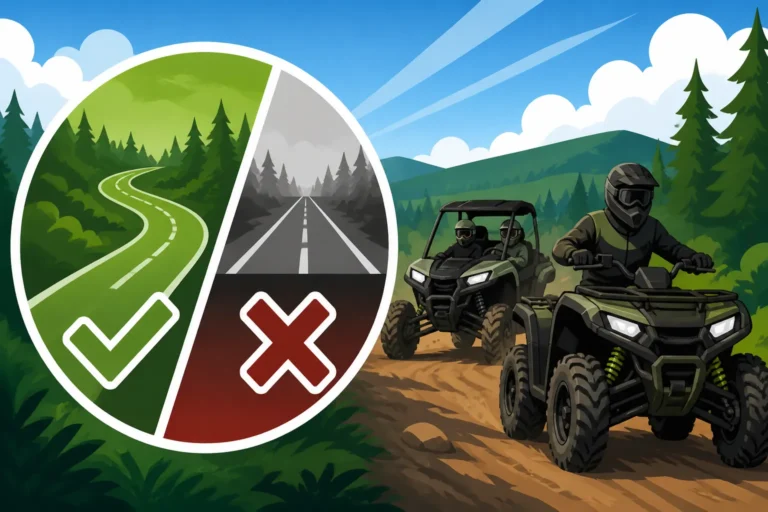
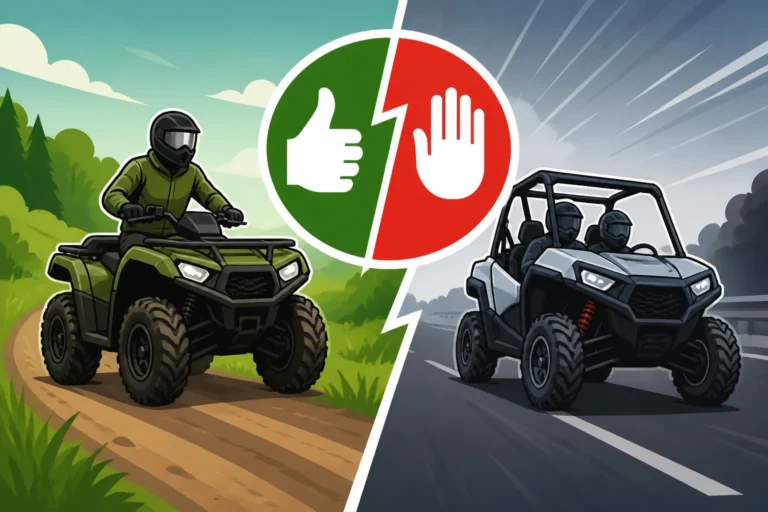
And then we have roads. This is where things get even more stringent, and rightfully so. The "off-road" in ORV doesn't mean "anywhere but the pavement." In Ontario, riding an ATV or UTV on a public road, even if it's an opened municipal road, has a completely different set of rules, and the minimum age jumps significantly. Generally, you need to be at least 16 years old and hold a valid G2 or M2 licence to operate an ORV on a public road where it's permitted. This means that even a skilled 12, 13, 14, or 15-year-old who can legally ride off-road cannot, under almost any circumstance, operate their ORV on a public road or even a road allowance.
The reason for this higher age and licence requirement is simple: roads present far greater hazards, including other vehicles, traffic laws, and higher speeds. The level of responsibility, decision-making, and understanding of road dynamics required is far beyond what's expected of a pre-teen or young teenager. Even for adults, the rules about where and how ORVs can operate on roads are complex and vary greatly by municipality. So, while your child might be itching to take their quad just a few hundred feet down the road to a trail access point, if they're under 16, it's a definite no-go. This is a crucial distinction that often surprises parents, highlighting that "off-road" does not automatically mean "road-legal at any age."
Supervision and Training for Young Riders
So, your child has hit the magic age of twelve. That's fantastic! But simply turning twelve doesn't automatically mean they're ready to hit the most challenging trails solo. Ontario's regulations, and good parenting practices, emphasize the critical roles of adult supervision and proper training to ensure safe and responsible riding habits from the get-go.
The Role of Adult Supervision for Under-16 Riders
For any ORV operator in Ontario between the ages of 12 and 16, adult supervision isn't just a suggestion; it's a legal requirement when riding off private property. This supervisor must be at least 16 years old and hold a valid driver's licence. What does "supervision" really mean in this context? It means more than just being in the same general area. It implies active oversight and responsibility. The supervising adult should be riding with the minor, ideally on their own ORV, or at least be close enough to provide immediate assistance and instruction.
This isn't just about ticking a box for the law; it's about guidance and safety. An adult supervisor can point out hazards, reinforce proper riding techniques, teach trail etiquette, and intervene if a situation becomes unsafe. They're there to help the young rider build confidence and experience in a controlled and supportive environment. Imagine a tricky muddy section or an unexpected sharp turn – having an experienced adult guide the way can prevent accidents and build crucial skills. [Ontario ATV Rules for a Twelve-Year-Old] clearly outlines these responsibilities, emphasizing that the adult is ultimately accountable for the minor's compliance with all rules.
Voluntary Training Programs for Young ATV Operators
While Ontario does not legally mandate an ATV safety course for riders of any age, participating in one is an incredibly smart move, especially for young operators. Think of it as investing in their safety and skill development. Programs like the Canada Safety Council's ATV RiderCourse or those offered through manufacturers can provide invaluable hands-on training in a controlled environment. These courses cover everything from pre-ride inspections and basic controls to advanced riding techniques, emergency braking, and navigating various terrains.
For a 12-year-old, a formal training course offers structured learning that goes beyond what a parent might teach. It instills proper habits, reinforces the importance of safety gear, and teaches them how to react confidently in different scenarios. It also helps young riders understand the capabilities and limitations of their machine. While the "Ready To RideON" course is a good online resource, a hands-on program truly solidifies the practical skills. Even though it's voluntary, the peace of mind knowing your child has received professional instruction is immeasurable, and it can significantly reduce the risk of accidents.
Essential Safety Gear Beyond the Helmet
When it comes to off-road riding, safety gear is non-negotiable, and this applies even more so to young riders. Yes, an [Ontario ATV Helmet Law] exists, and a properly fitted, approved motorcycle helmet (that's right, not just any helmet, but one certified for motorcycles like DOT, Snell, or ECE) is absolutely mandatory. [Approved Motorcycle Helmets in Ontario] outlines the standards. But the helmet is just the beginning.
Young riders should also wear eye protection (goggles are usually best for off-road to keep out dust and debris), sturdy over-the-ankle boots, long pants, long-sleeved shirts, and gloves. Chest protectors, knee pads, and elbow pads are also highly recommended, especially for more aggressive riding or if the child is still developing their balance and control. Consider it their personal protective equipment against bumps, scrapes, and impacts. Don't skimp on quality here; good gear can make the difference between a minor bruise and a serious injury. Some specialty shops and brands like SuperATV offer robust gear designed specifically for youth, ensuring a proper fit and maximum protection. Remind your child that this gear isn't a suggestion; it's part of the riding ritual and part of staying safe while having fun.
Exceptions and Nuances to the Twelve-Year Rule
While the "minimum age of twelve" for off-road operation is a firm guideline, like most rules, there can be specific contexts or types of machines that introduce subtle variations. It's crucial for parents to be aware of these nuances so they can ensure their young rider is always operating within the bounds of the law and, most importantly, safely.
Special Cases: Farm Use and Organized Events
One of the most common exceptions to various ORV rules, including age limits, often applies to farm-use vehicles. If an ATV or UTV is being used for bona fide agricultural purposes on land primarily used for farming, and not being operated on public roads or trails, some of the stricter provincial regulations can be relaxed. For example, a child under 12 might be permitted to operate an ORV on a farm if it's an essential part of farm work, and under direct supervision, as it falls under the "private property" aspect but with a specific functional purpose. However, this is not a blanket exemption, and strict safety protocols must still be in place. [Ontario ATV Tax for a Farm Purchase] highlights other special provisions for farm vehicles.
Another area where rules can be adjusted is for organized, sanctioned competitive events. These are usually held on closed courses with specific permits and often involve a different set of safety protocols and age-based classes. The organizers of such events usually have their own rules, which might allow younger riders (e.g., 8 or 10 years old) to compete in specific classes designed for their age and machine size, under very strict supervision and within a highly controlled environment. However, these are highly specific, rare scenarios and absolutely do not apply to casual riding on trails or Crown land. Always check with the event organizers and relevant provincial bodies for the exact rules for such activities.
When the Passenger Rule Applies to Younger Riders
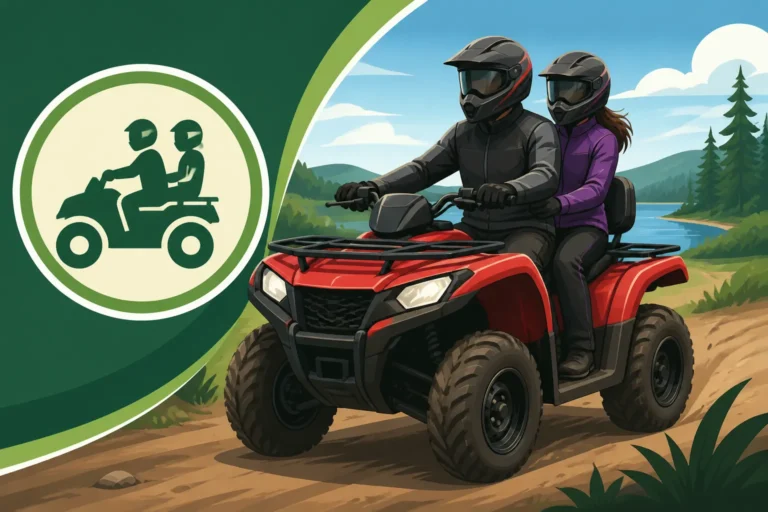
It's natural for younger children, especially those under 12, to want to experience the thrill of an ORV ride. If they can't drive yet, can they at least be a passenger? This is where [Ontario ATV Passenger Rules] come into play, and again, age and machine type are critical. On single-rider ATVs, carrying any passenger, regardless of their age, is generally illegal and extremely dangerous. These machines are designed for one person only, and adding a passenger compromises balance and control.
However, many UTVs (side-by-sides) and some specially designed two-up ATVs are built to carry passengers. For these machines, if they are designed with a passenger seat and footrests, a younger child can often ride as a passenger, but still with specific requirements. The child must be able to reach the footrests and hold onto the handholds securely. They must also wear an approved helmet and all other appropriate safety gear. The driver must be of legal age (16+ and licensed if on a road, 12+ with supervision if off-road). The key is that the child must be able to sit securely and safely for the entire ride without interfering with the driver's operation. Never put a child in a position where they could fall off or distract the driver.
What About Side-by-Sides and Smaller Machines?
The "minimum age of twelve" largely applies across the board to most motorized ORVs capable of sustained off-road use, including full-sized ATVs and UTVs (side-by-sides). While a UTV, with its roll cage, seatbelts, and steering wheel, might feel safer or more car-like, the core operating age rules for public off-road use generally remain the same as for ATVs. The power and speed of many UTVs are significant, requiring the same level of maturity and skill.
However, there's a growing market for smaller, youth-specific ATVs and UTVs, often with limited top speeds and engine sizes. While these machines are designed for younger riders, the provincial age limits for operation on public land still apply. So, while a 10-year-old might physically fit and be capable of operating a youth-model ATV on private property, they still can't legally take it onto a Crown land trail until they turn twelve. The suitability of the machine for a child is definitely important, and we'll touch on that next, but remember that machine type doesn't generally override the provincial minimum age for public use. It's about combining the right rider with the right machine in the right environment.
Equipment and Machine Suitability for Young Riders
Beyond just the age of the rider, selecting the right machine is paramount for safety and enjoyment. Handing a powerful, full-sized ATV to a newly minted 12-year-old, no matter how keen they are, can be a recipe for disaster. The machine needs to fit the rider, both physically and in terms of power output, to ensure a safe and positive experience.
Matching the Rider to the Machine: Engine Size and Fit
This is perhaps one of the most critical aspects of safe riding for young people. A young rider needs to be able to comfortably reach and operate all the controls—throttle, brakes, and steering—while maintaining a balanced riding position. Their feet should be able to reach the footpegs or floorboards, and they should be able to shift their weight effectively to steer and navigate terrain. If a machine is too large, too heavy, or too powerful, the child will struggle to control it, leading to fatigue, loss of control, and increased risk of an accident.
Engine size is a major factor. While a 12-year-old can legally ride an ORV, starting them on a 700cc beast is generally not a good idea. Many manufacturers offer youth models with smaller engines (e.g., 50cc to 150cc for ATVs, often with speed limiters) that are specifically designed for lighter, less experienced riders. These smaller machines are easier to handle, less intimidating, and build confidence gradually. As riders grow in skill and physical size, they can progressively move up to larger, more powerful machines. It's a journey, not a jump, to the most powerful models.
Modifications and Accessories for Junior Riders
Sometimes, even a youth-model ORV might need a few tweaks to perfectly fit a growing child, or to enhance safety. For example, some youth ATVs come with adjustable throttle limiters, which are fantastic tools for parents. These allow you to gradually increase the top speed as your child gains experience and skill, rather than starting them at the machine's full potential. You can literally dial back the power, giving them a chance to master the basics before moving faster.
Other helpful accessories can include improved handguards (to protect hands from branches and debris), brighter lights (for visibility), and perhaps even a flag for increased visibility on open trails. Some brands, like SuperATV, offer a range of aftermarket parts that can enhance a machine's safety or customize its fit. For UTVs, ensuring seat belts are properly adjusted and that there are robust grab handles for passengers is key. Never hesitate to invest in accessories that improve safety or rider comfort and control, as these can make a huge difference in preventing accidents and making the riding experience more enjoyable for everyone.
The Importance of Machine Maintenance for Safety
Just like any vehicle, an ORV requires regular and thorough maintenance to ensure it operates safely and reliably. This is especially true when a young rider is at the controls. A poorly maintained machine can become a hazard quickly. Imagine brakes that don't respond, a steering component that jams, or a tire that blows out on the trail – these are situations that can be terrifying and dangerous for an adult, let alone a 12-year-old.
Regular checks should include tire pressure, brake function, fluid levels, chain tension (if applicable), and inspection of all bolts and fasteners to ensure they are tight. The throttle and steering should move freely and return to their neutral positions. Teach your child about pre-ride inspections as part of their training; it instills responsibility and awareness. If something feels off, don't ignore it. Get it checked out by a qualified mechanic. A well-maintained machine not only performs better but significantly reduces the risk of mechanical failure leading to an accident. It's part of the unspoken contract of safe riding: keeping your machine in top condition is a responsibility that rests with the owner, ensuring everyone, especially our younger riders, can enjoy the trails without unnecessary risks.
Navigating the rules and ensuring safety for young ORV riders in Ontario can seem like a lot, but at its heart, it's all about balancing fun with responsibility. By understanding the "minimum age of twelve" rule, ensuring proper supervision, investing in training, gearing up correctly, and matching the rider to the right machine, we can help our kids develop a lifelong love for off-road adventures, safely and confidently.
| Riding Scenario | Minimum Operator Age (Ontario) | Required Supervision (12-16) | Licence Required (16+) | Key Considerations |
|---|---|---|---|---|
| Private Property (Owner's land, no public access) | Varies (often under 12 possible) | Yes, for all minors | No | Landowner's permission & discretion; insurance; safety paramount. |
| Crown Land / Designated ORV Trails | 12 years old | Yes, by 16+ licensed adult | No | Trail permits may be required; follow all ORV Act rules. |
| Public Roads / Road Allowances (where permitted by municipal by-law) | 16 years old | N/A | Yes, G2 or M2 | Strict municipal by-laws; speed limits; helmet law applies. |
| Farm Use (on own farm land for work) | Varies (often under 12 possible) | Yes, for all minors | No | Specific agricultural exemptions may apply; direct supervision. |
| Organized, Sanctioned Events | Varies by event/class (may be under 12) | Yes, by event officials | No | Closed course; specific event rules and safety protocols. |
Disclaimer
This article is for general informational purposes only and does not constitute professional advice. Laws, prices and regulations vary by location and change over time. Consult a qualified professional for guidance on your specific situation.