Replacing a Plate That Went Missing
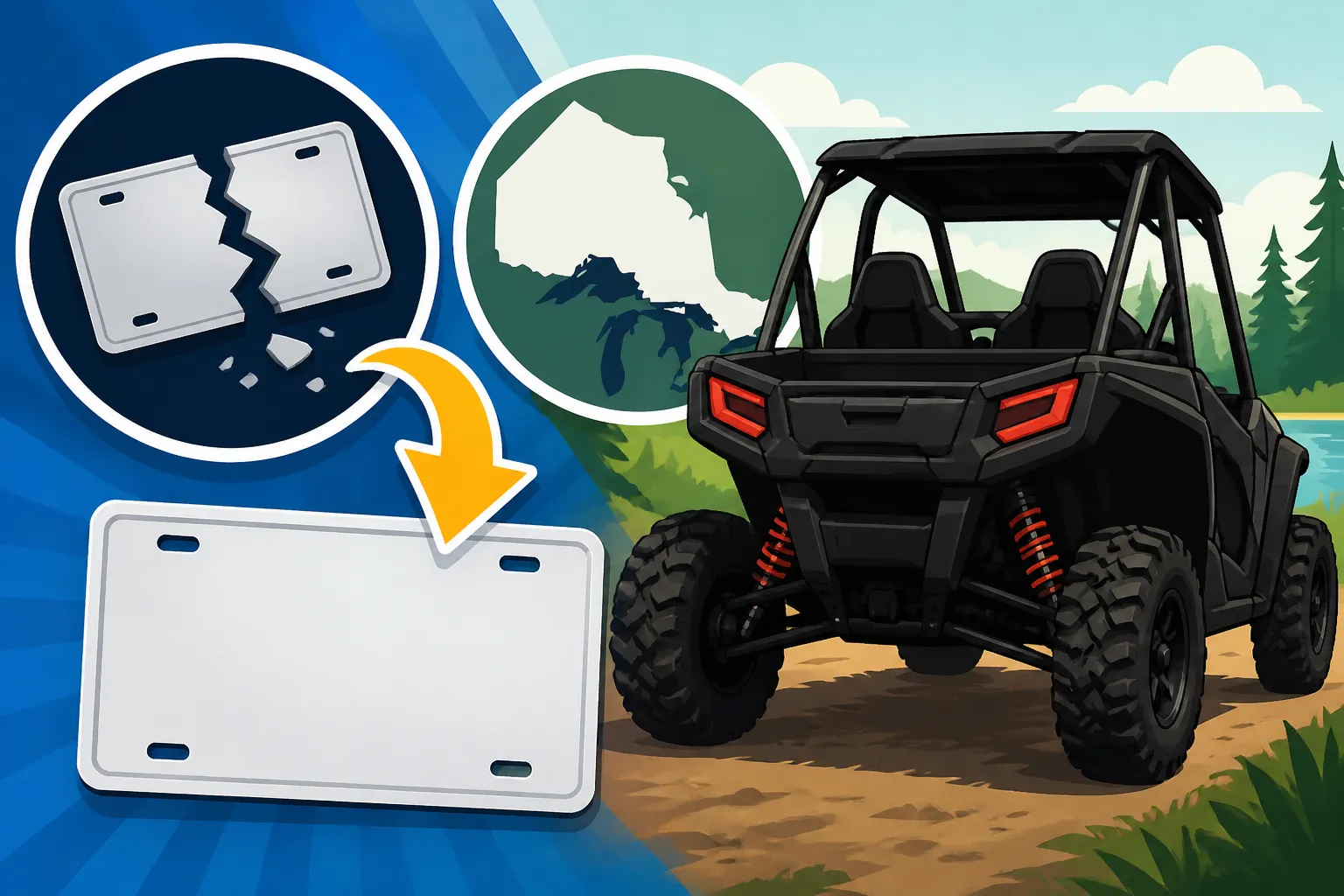
It's an all too common nightmare for any off-road enthusiast in Ontario: you've had an incredible day on the trails, maybe pushed through some gnarly mud, or just had a spirited ride, only to get home and realize your precious ATV or UTV licence plate is gone. Vanished. Poof. That sinking feeling is absolutely legitimate, because riding without a visible, valid plate isn't just an inconvenience; it's a ticket waiting to happen. This guide is here to walk you through the frustrating but necessary steps to replace that missing plate and get you back on the trail legally and with peace of mind.
The Initial Panic and What to Do First
That first moment you realize your plate is missing, it's easy to jump to the worst conclusions. Did it get stolen? Did it fall off? Before you panic completely, take a deep breath. Often, the solution is simpler than you think, even if it's still a hassle.
Retracing Your Steps and Checking Key Spots
The first, most crucial step, is to retrace your activities. Think about where you rode, where you parked, and any specific areas that might have been particularly rough. Did you hit a big bump? Go through a deep water crossing? Sometimes, plates detach in surprising places. Check the area around where you typically park your machine. Look in your truck bed if you trailered it. Scan any gear bags, coolers, or tool kits you brought along; sometimes a loose plate can slip into an unexpected nook.
It's amazing how many times a plate isn't truly "lost" but merely dislodged and hiding in plain sight. I once had a friend swear his plate was gone after a muddy ride, only to find it neatly wedged inside his spare tire carrier on the back of his UTV, having vibrated off and bounced its way in there. Check underneath fenders, behind seats, and any other cavity your machine might have. Don't forget to look along the trail route if you have a general idea of where it might have come off, though this is often a long shot in dense bush.
Why a Lost Plate is a Big Deal and Not Just an Inconvenience
It's tempting to think, "Oh, I'll just ride without it for a bit until I get a new one." Please don't. In Ontario, your off-road vehicle (ORV) licence plate isn't just decoration; it's a legal requirement. The [Ontario Vehicle Permit Explained] clearly links your machine to its unique plate number, and this plate is what identifies your vehicle to law enforcement, trail patrollers, and even in emergency situations.
Riding an ORV on any public land, including designated trails, Crown land where permitted, or open municipal roads, without a properly displayed and valid licence plate can lead to significant fines. An officer can stop you, and without that plate, they have no easy way to confirm ownership, registration, or even that the machine isn't stolen. This can lead to a lengthy roadside stop, a substantial ticket, and in some more severe or suspicious cases, even the impoundment of your machine until proper documentation is produced. The inconvenience and cost of getting your machine back from impound far outweigh the quick trip to ServiceOntario for a replacement.
Reporting the Loss to Authorities
So, when should you report a missing plate to the police? This really depends on the circumstances. If you suspect your plate was stolen – perhaps you left your machine unattended in a public area, or you've found other signs of tampering – then filing a police report is definitely the right move. This creates a record, which can be important for insurance purposes (if someone were to use your plate illegally) and for ServiceOntario when you go to replace it. A police report can provide a reference number that proves you've taken the official step.
However, if you're fairly certain the plate simply fell off due to rough riding, vibration, or poor mounting, reporting it to the police isn't strictly mandatory in Ontario. ServiceOntario will still process your replacement request without a police report, but it's always a good idea to mention the circumstances of the loss honestly. The primary goal is to get a new plate on your machine as quickly and efficiently as possible, ensuring you're compliant with the [The Off-Road Vehicles Act and Ontario Riders].
The ServiceOntario Process for a Replacement Plate
Once you've accepted that the plate is truly gone and you need a new one, the next step is a visit to ServiceOntario. This is one of those times where the digital world hasn't quite caught up to the physical, and plates still require an in-person visit.
Gathering Your Documentation
Before you head out the door, make sure you have everything you need. This will save you the frustration of having to make a second trip. The most critical item is your existing [Ontario Vehicle Permit Explained]. This document is the legal proof that you own the machine and that it was previously registered. Even though the plate number on it will be for the lost plate, it's essential for verifying your ownership and the machine's details.
In addition to your permit, you'll need proof of your identity. This typically means a valid Ontario driver's licence or another form of government-issued photo identification. You should also have the Vehicle Identification Number (VIN) for your ATV or UTV handy, though it should be listed on your permit. It's always a good practice to double-check the VIN on your machine itself against your permit before you go, just to ensure there are no discrepancies. ServiceOntario will want to verify that the person requesting the replacement is the registered owner.
Visiting Your Local ServiceOntario Centre
This is the main event. You'll need to physically visit a ServiceOntario centre. While some centres allow you to book an appointment online, others operate on a walk-in basis. Checking your local centre's website for their current procedures can save you a long wait. When you arrive, you'll likely be asked to fill out a form, typically a "Declaration of Lost, Stolen or Damaged Plates." This form asks for details about the plate, the vehicle, and the circumstances of the loss. Be as accurate as possible.
Once the form is complete and your identity and ownership are verified using your permit and ID, you'll pay a fee for the replacement plate. The staff will then process your request, cancel the old plate in their system, and issue you a brand new ORV licence plate with a new, unique number. It’s important to understand that you won't get your old plate number back; all replacement plates come with a new series. While you don't typically need custom legal forms for a simple lost plate, for other transactions like private sales, sites like LawDepot can be incredibly helpful for creating documents like a [Ontario ATV Bill of Sale Requirements] or other official papers, ensuring clarity and legal standing for different kinds of transactions. For your lost plate, though, ServiceOntario has all the necessary forms on hand.
Understanding the Replacement Plate and Permit
When you walk out of ServiceOntario, you'll have a brand new licence plate in hand. It will be exactly like your previous one, but with a different sequence of letters and numbers. Crucially, you will also receive an updated [Ontario Vehicle Permit Explained]. This new permit will reflect the new plate number that has been issued to your off-road vehicle. It's incredibly important that these two match exactly.
The old plate number is now officially cancelled in the provincial system. This means if you ever somehow found your old plate later on, it would be considered invalid and illegal to use. It’s essentially a ghost in the system, no longer linked to your machine. Always ensure the plate affixed to your ATV or UTV matches the plate number printed on your current, valid permit. This updated permit, by the way, is the one you need to carry with you whenever you're riding, so make sure it's stored safely in a waterproof pouch or a secure compartment on your machine. [Keeping Your ORV Permit Dry on a Wet Ride] is essential!
Costs, Timing, and Preventing Future Losses
Nobody likes unexpected costs, but a replacement plate is a necessary expense to stay on the right side of the law. Knowing what to expect regarding fees and timing, and how to prevent it from happening again, can save you a lot of grief.
What a Replacement Plate Costs in Ontario
As with most government services, there is a fee associated with replacing a lost or damaged licence plate. While I can't give you the exact, current figure (as these things can change), you should expect to pay a set amount for the service. It's generally not an exorbitant cost, but it's certainly not free. This fee covers the administrative cost of issuing a new plate and updating your records in the system.
The best way to get the most up-to-date information on the fee is to check the official ServiceOntario website or call your local centre before you go. Having the exact amount, or knowing it can be paid by debit/credit, will ensure a smooth transaction. Just factor it into the unexpected costs of ORV ownership. For specific pricing, always check directly with ServiceOntario – they are the definitive source for [What a Replacement Plate Costs in Ontario].
How Long Until You Get Your New Plate?
The good news is that when you go to a ServiceOntario centre in person to replace a lost plate, you typically walk out with your new plate the very same day. There's no waiting for it to be mailed, which means you can usually get back to riding fairly quickly. This immediate issuance is a huge benefit for ORV riders who often plan weekend trips or have limited time to hit the trails.
However, there's a crucial caveat: you cannot legally ride your ATV or UTV without that new, physical plate affixed to your machine. There are no temporary permits or grace periods for ORV plates in Ontario. Even if you have the receipt showing you've applied for a new plate, it's not a substitute for the actual plate being displayed. This can be frustrating, especially if you have a ride planned right after realizing your plate is missing. You'll need to wait until you have the replacement in hand and properly mounted before hitting any public trails or roads. Riding an [Riding an Unregistered ATV in Ontario] could lead to a fine, and a lost plate effectively puts you in the same legal predicament.
Tips for Secure Plate Mounting and Why It Matters
Preventing a lost plate is much easier than replacing one. One of the most common reasons plates go missing is inadequate mounting. The vibration, bumps, and jostles of off-road riding can be relentless, and standard screws might not always hold up. This is where a little preventative maintenance goes a long way.
Firstly, always use proper mounting hardware. Rust-resistant bolts, nuts, and lock washers are your best friends. Avoid flimsy zip ties or thin sheet metal screws, as these are almost guaranteed to fail over time. Many riders opt for specialized plate mounting kits that include rubber grommets to absorb vibration and offer a more secure fit. You can also use a small amount of threadlocker on the bolts to prevent them from vibrating loose. Consider using a backing plate, especially on plastic fenders, to provide a more rigid surface for the plate to attach to, distributing the stress and preventing cracks in your fender. For more details on where it should go, check out [Ontario ATV Plate Placement Rules]. Understanding [Ontario ATV Plate Bracket Options] can help you choose the most robust solution for your machine. Beyond secure mounting, thinking about what kind of liability forms you might need for group rides or specific trail access (though not directly for a lost plate) shows how important proper documentation is, much like the resources LawDepot offers for general legal needs.
Before every ride, especially before a long or particularly rough one, take a moment to visually inspect your licence plate. Give it a gentle tug to ensure it's secure. Check for any signs of cracks around the mounting holes or loose fasteners. A minute of inspection can save you hours of headache and a potential fine.
Beyond the Basics: Common Questions and Scenarios
Sometimes, the situation isn't as straightforward as a simple lost plate. Let's cover a few other common scenarios and questions that might pop up.
What if My Original Plate is Found Later?
It happens! You replace your plate, and a few weeks later, you're cleaning out your garage or backtracking a trail, and there it is – your old plate. What should you do? Under no circumstances should you put the old plate back on your machine. As soon as ServiceOntario issued you a new plate, your old one was officially cancelled in their system. It's now an invalid identifier for your ORV.
Using a cancelled plate is essentially like riding without a plate at all, as it's not linked to your current registration. The best course of action is to either destroy the old plate (cut it up so it can't be used) or, preferably, return it to any ServiceOntario centre. They will ensure it's properly disposed of and officially removed from circulation. This prevents any confusion or potential misuse of the old plate number.
Dealing with a Damaged but Not Lost Plate
What if your plate isn't missing, but it's severely bent, rusted, or otherwise damaged to the point where the numbers are illegible, or it's simply falling apart? The process is essentially the same as replacing a lost plate. The law requires your plate to be clearly visible and legible at all times. If it's too damaged to read, it's considered non-compliant.
You'll still need to visit ServiceOntario with your current [Ontario Vehicle Permit Explained] and identification. You'll explain that the plate is damaged, fill out the necessary form, pay the replacement fee, and receive a new plate and updated permit. It's a bit like replacing a bent credit card – same account, new physical card. For specific scenarios like a plate being damaged in an accident, you can read more about [Replacing an ORV Plate Bent in a Rollover].
Riding While You Wait for a Replacement
This is the big one, and it's a frustration point for many riders. I know it's frustrating when you just want to get back on the trail, but the rules are pretty clear here: you cannot legally ride your ATV or UTV on any public land (which includes OFATV trails, Crown land where ORVs are allowed, or municipal roads) without a valid, properly displayed licence plate. Even if you've already visited ServiceOntario and paid for a new plate, you must wait until you have the physical plate in your possession and mounted on your machine.
There is no temporary paper permit or grace period for ORV plates. This means if your plate goes missing on a Saturday and ServiceOntario is closed until Monday, you're unfortunately sidelined for the weekend. The penalties for riding without a plate can include fines and potentially impoundment, so it's not a risk worth taking. This just underscores the importance of those preventative mounting measures and pre-ride checks we talked about earlier. Ensuring all your documentation is in order, from your [Ontario Vehicle Permit Explained] to any specific forms for unique situations, can save a lot of headaches, and services like LawDepot can help you generate official-looking documents when needed.
| Scenario | Required Action | Key Documentation Needed | Outcome |
|---|---|---|---|
| Lost Plate | Visit ServiceOntario in person. Fill out Declaration form. | ORV Permit, Photo ID | New plate & updated permit issued same day. Old plate cancelled. |
| Damaged Plate | Visit ServiceOntario in person. Fill out Declaration form. | ORV Permit, Photo ID | New plate & updated permit issued same day. Damaged plate surrendered. |
| Stolen Plate | File a police report (optional but recommended). Visit ServiceOntario. | Police Report # (if applicable), ORV Permit, Photo ID | New plate & updated permit issued same day. Old plate cancelled. |
| Found Old Plate | Do NOT re-attach. Destroy or return to ServiceOntario. | None (old plate is invalid) | Ensures old plate is not misused. |
Disclaimer
This article is for general informational purposes only and does not constitute professional advice. Laws, prices and regulations vary by location and change over time. Consult a qualified professional for guidance on your specific situation.