What a Replacement Plate Costs in Ontario
Losing an ATV or UTV plate in Ontario can feel like a real punch to the gut, especially when all you want to do is get back out on the trails. Whether it's been ripped off by an errant branch, bent beyond recognition in a rollover, or simply vanished somewhere between the staging area and your garage, the frustration is universal. This guide is here to walk you through exactly what's involved in replacing that missing or damaged plate, including the costs you might encounter and the steps you need to take to make things right.
The Unfortunate Reality: Why ORV Plates Go Missing or Get Damaged
It’s an all too common story: you’re having a fantastic ride, navigating challenging terrain, splashing through mud puddles, and then, suddenly, you notice it – your ORV plate is gone, or it's mangled beyond recognition. The trails, while exhilarating, are also unforgiving, and many factors can contribute to the untimely demise or disappearance of your plate. It's not usually due to negligence, but rather the very nature of off-road adventuring.
The Rigours of the Trail: Bumps, Branches, and Water Crossings
Our ATVs and UTVs are built tough, but the accessories we attach aren't always quite as robust. Imagine tearing down a tight, overgrown trail, and a thick branch, unseen until the last second, whips across the back of your machine. Or perhaps you’re tackling a deep water crossing, and the sheer force of the water, combined with vibrations, loosens a bolt or warps the plate itself. These aren't isolated incidents; they're common occurrences for riders who truly put their machines through their paces. The constant jarring and vibration from rough terrain can also work fasteners loose over time, especially if they weren't secured with locking washers or thread-locking compound. It's a testament to the adventurous spirit of ORV riding, but also a reminder of the practicalities that come with it.
Consider the cumulative effect of hundreds of kilometres of riding. Each jolt, each spray of mud, each minor impact with brush contributes to wear and tear. A plate that might seem securely fastened on your driveway can become a casualty of the trail after hours of relentless pounding. Many riders discover their plate is missing only when they're back home, washing down their machine, realizing it must have been gone for some time. It's a real head-scratcher trying to pinpoint exactly where it went, but the truth is, it could have been anywhere along your route, a small sacrifice to the off-road gods.
Accidents Happen: Rollovers and Collisions
While we all strive for safe riding, accidents are an unfortunate part of the equation sometimes. A rollover, even a relatively minor one, can easily bend, crack, or completely dislodge an ORV plate. The impact forces involved in a tip-over or a collision, whether with a tree, another machine, or a trail obstacle, are often directed right at the extremities of the vehicle where plates are typically mounted. A sturdy rear rack might protect some components, but the plate, often affixed with just two bolts, can be vulnerable.
When an ATV or UTV comes to rest upside down or on its side, the plate can be crushed against the ground or an obstacle. Even if the machine itself sustains minimal damage, the plate often bears the brunt of the impact. It's a stark reminder that these pieces of metal, though small, are exposed and susceptible. After an incident, it's always one of the first things to check, right alongside inspecting for fluid leaks or major structural damage. Getting [Replacing a Lost Ontario ORV Plate] is usually straightforward, but the immediate aftermath of an accident adds another layer of stress.
Theft and Vandalism: A Less Common But Frustrating Scenario
While less common than trail damage, ORV plates can also be stolen or vandalized. This is particularly infuriating because it's a deliberate act. Whether your machine is parked at a staging area, left overnight at a remote camp, or even sometimes in your own driveway, a plate can be an easy target for someone looking to avoid the cost of their own registration or simply to cause mischief. It's a violation that goes beyond mere inconvenience.
The motivations vary, from petty theft by someone who doesn't want to [Ontario ATV Registration Cost] to malicious acts against property. While most thieves are after the entire machine, a quick grab of the plate is unfortunately not unheard of. It underscores the importance of securing your ORV whenever it's not under your direct supervision. Sometimes, if a plate is stolen, it might be an indicator that someone was casing your machine, which is a chilling thought for any ORV owner.
Navigating the Replacement Process: Your Steps to a New Plate
When you realize your ORV plate is gone or ruined, the immediate thought is often, "Now what?" Thankfully, Ontario has a clear process in place for replacing vehicle permits and plates, and while it requires a visit to a ServiceOntario centre, it’s not overly complicated if you come prepared.
Where to Go: ServiceOntario is Your First Stop
Unlike some other vehicle-related tasks that can be handled online or through the mail, replacing an ORV plate typically requires an in-person visit to a ServiceOntario centre. These centres are the provincial government’s one-stop shops for a wide range of services, including vehicle registration and driver’s licenses. You can find your nearest location by checking the ServiceOntario website. It's always a good idea to check their operating hours before you head out, and some locations even allow you to book an appointment, which can save you a considerable amount of waiting time.
When you arrive, you’ll be directed to a counter where a representative can assist you. They are accustomed to these types of requests, so don't feel like you're the first person this has ever happened to! They'll guide you through the necessary steps and paperwork. Remember, the goal is to get you a valid plate so you can legally ride again, and they are there to facilitate that. It’s a straightforward transaction, provided you have all your ducks in a row.
What You'll Need: Proving Ownership and Identity
To replace your ORV plate, you’ll need to prove two things: your identity and your ownership of the ORV. This typically involves presenting your valid Ontario driver's license or another form of acceptable identification. For proof of ownership, you'll need your [The Ontario Vehicle Permit Explained]. This document is critical because it links you, the registered owner, directly to the specific ORV (via its Vehicle Identification Number, or VIN). If your permit was lost along with the plate, don't despair; ServiceOntario can usually access your records, but having a copy or the original is always best.
In some rare cases, if you don't have your permit, or if there's any ambiguity in the records, you might need additional documentation to affirm ownership. This could include a bill of sale, especially if you’ve recently purchased the machine. While not usually required for a simple plate replacement, having a well-documented bill of sale is crucial for any ORV transaction. Services like LawDepot offer templates for comprehensive bills of sale that can help ensure you have proper documentation in future transactions, providing a clear record of ownership for scenarios just like this. This type of legal document ensures all parties have a record of the sale and can be a lifesaver if ServiceOntario ever needs additional proof.
The Paperwork Trail: Forms and Declarations
When you go to ServiceOntario, you'll likely need to fill out a form to request the replacement plate. This form will ask for details about your ORV, your personal information, and an explanation for why you need a replacement (e.g., lost, stolen, damaged). If the plate was stolen, it's advisable to have reported the theft to the police beforehand and bring a copy of the police report or the incident number. While not always mandatory for plate replacement, it's good practice and can simplify the process in some instances.
The ServiceOntario representative will verify your information against their records. They’ll ensure that you are indeed the registered owner of the ORV. This step is crucial for maintaining the integrity of vehicle registration data and preventing fraudulent activity. Once all the information is verified and the form is completed, you'll pay the applicable fee, and they will process your request for a new plate. Sometimes, they can issue a new plate right on the spot, meaning you can often walk out with your replacement plate in hand, ready to get it mounted on your ORV.
Understanding the Financial Side: The Replacement Fee in Ontario
When your ORV plate goes missing or gets damaged, one of the immediate questions that pops into your head (after the initial groan of frustration) is, "How much is this going to set me back?" The good news is that the fee for replacing an Ontario ORV plate is generally quite reasonable and straightforward. It's not designed to be a significant financial burden, but rather to cover the administrative costs of issuing a new plate.
The Standard Charge: A Modest, Non-Annual Fee
In Ontario, there is a fixed fee charged by ServiceOntario for replacing a lost or damaged ORV plate. This fee is relatively modest and is a one-time charge for the replacement. It’s important to understand that this is a separate charge from your initial [Ontario ATV Registration Cost] or [Ontario ORV Permit Cost]. Unlike annual renewals you might encounter with other types of vehicles or trail passes, there's no yearly renewal for your ORV plate or permit in Ontario, so this replacement fee isn't an additional annual expense. You simply pay it when you need a new physical plate.
While I can't provide the exact current figure (as prices can change, and it's best to always get the most up-to-date information directly from ServiceOntario), you should expect a flat fee for the physical plate itself. This cost covers the manufacturing and administrative processing of issuing you a new, unique plate number for your registered ORV. It’s always a good practice to check the ServiceOntario website or call ahead to confirm the current fee before you make your trip, so you’re prepared with the correct payment method. Remember, once you pay this fee, you get a new plate that's valid indefinitely, just like your original, provided your ORV permit remains current and linked to the machine.
Potential Ancillary Costs: Beyond the Plate Itself
While the replacement plate fee itself is typically modest, it's worth considering any potential ancillary costs that might arise depending on your specific situation. For instance, if you've also lost your [The Ontario Vehicle Permit Explained], there might be a separate, nominal fee for replacing that document as well. This is usually a small administrative charge for printing a new paper permit. It's always best to keep your permit in a safe, dry place, perhaps laminated or in a waterproof pouch, especially when riding, to prevent it from being damaged or lost alongside your plate.
Another "cost" could be your time and travel expenses. A trip to a ServiceOntario centre, especially if you live in a rural area, can involve significant driving. There's also the time spent waiting in line or during an appointment. These aren't direct fees from the government, but they are practical considerations when you need to replace a plate. Additionally, you might incur a small cost if you decide to purchase new, more robust mounting hardware or a plate protector to prevent future losses, which is a sensible investment. Some riders even print out temporary paper copies of their registration, a good idea to [Keeping Your ORV Permit Dry on a Wet Ride] so it doesn't get damaged or lost.
The Long-Term Value: Why This Fee Matters
Paying a fee for something you already had can feel a bit annoying, but it's important to remember the value this fee underpins. The ORV plate is your machine's unique identifier on the trails and roads where it's permitted. It's how law enforcement identifies your vehicle and ensures it's properly registered, insured, and operated by a qualified rider. This small fee contributes to the system that tracks ORVs, helps prevent theft, and ensures accountability on public lands.
By replacing your plate and paying the associated fee, you're reaffirming your commitment to riding legally and responsibly within Ontario's framework. It ensures that if there's ever an incident, your machine can be properly identified. This system protects all riders by making sure everyone is playing by the rules. It also helps in situations like recovering [Ontario ATV Registration for a Stolen-Recovered Machine], as the plate is a key piece of identification.
Beyond the Plate: Operating with a Missing or Damaged Tag
So, you've realized your plate is gone or unreadable. What now? Can you still ride while you wait to get a replacement? The simple answer is generally no, not legally. Operating an ORV without a valid, properly displayed plate can lead to significant headaches and penalties. It’s crucial to understand the rules around this before you hit the trails again.
The Risks of Riding Unplated: Fines and Legal Trouble
In Ontario, the law is quite clear: all off-road vehicles (ORVs) must display a valid, legible licence plate when operated on any public land, permitted roads, or prescribed trails. Riding an ORV without a plate, or with a plate that is unreadable, can result in fines and other legal consequences. An enforcement officer, whether from the OPP, a municipal police force, or even a Conservation Officer, has the authority to stop you and issue a ticket. The fines for [Riding an Unregistered ATV in Ontario] or one without a visible plate can be substantial, and nobody wants that kind of unexpected expense.
Even if you're on your way to ServiceOntario to get a replacement, technically, you should not be operating the machine on public lands or roads without the plate. The rules are in place to ensure identification and accountability. Imagine if there was an accident involving an unplated ORV; it would be much harder to identify the machine or its owner, causing complications for everyone involved. It's always better to trailer your machine to and from the ServiceOntario centre, or wait until you have the new plate in hand before venturing out for a ride.
Temporary Solutions and Proof of Application
While you can't technically ride without a plate, there might be a very short grace period or understanding if you can immediately prove you are in the process of replacing it. However, this is largely at the discretion of the enforcement officer you encounter. There is no official "temporary plate" that you can print out and display. The best course of action is to schedule your ServiceOntario visit as soon as possible.
If you must move the machine a very short distance (e.g., from your driveway to a trailer), do so cautiously and be prepared to explain your situation. If you’ve just left ServiceOntario and are heading directly home with your new plate, having the receipt for the replacement can be helpful, though mounting the plate immediately is always the safest bet. Some riders might print a temporary paper copy of their permit to [Carrying the Permit or a True Copy], but this doesn't replace the physical plate itself. The physical, government-issued plate is the legal requirement.
What an Officer Looks For Roadside
When an officer conducts a roadside check of an ORV, one of the first things they'll look for is a valid, properly displayed, and legible licence plate. They also check for [Ontario ATV Insurance Requirements] and the appropriate driver's license. If your plate is missing or completely obscured by mud or damage, it's an immediate red flag. They'll want to know why and will expect a reasonable explanation and proof that you are actively rectifying the situation.
An officer might also check the plate's condition to ensure it hasn't been tampered with or intentionally obscured. They're looking for compliance with the Off-Road Vehicles Act. If your plate is simply caked in mud, you might get a warning to clean it, but if it's missing entirely or deliberately unreadable, the penalties can be more severe. It's all about ensuring that every ORV operating on shared trails and roads can be identified, contributing to safety and accountability for everyone.
Protecting Your Plate: Tips for Longevity and Security
Given the cost and hassle of replacing a lost or damaged ORV plate, prevention really is worth a pound of cure. Taking a few proactive steps can significantly increase the lifespan of your plate and reduce the chances of it going missing or getting mangled on the trails. It's about smart riding and thoughtful setup.
Mounting Solutions: Secure Brackets and Reinforcements
The way you mount your ORV plate can make all the difference. Many machines come with basic mounting points that might be adequate for light use, but for aggressive trail riding, they often fall short. Invest in a robust plate bracket that can withstand vibrations and impacts. There are aftermarket options available that offer stronger materials, better attachment points, and sometimes even protective frames around the plate. Using locking nuts or thread-locking compound on the bolts is also a fantastic idea to prevent them from vibrating loose over time.
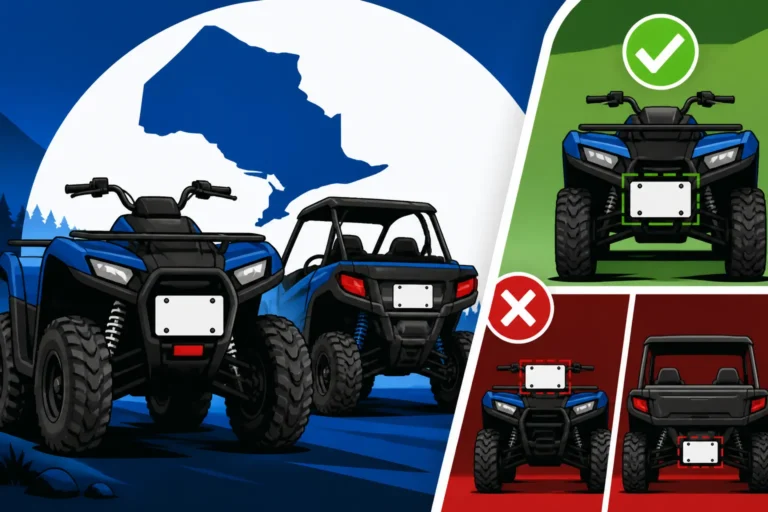
Consider the location of the plate as well. While regulations dictate [Ontario ORV Plates and Where They Mount], you might have some flexibility within those rules to choose a spot that is less exposed to direct impacts from branches or mud. For example, if your machine has a sturdy rear rack, bolting it securely to the underside or a reinforced section of the rack, rather than a flimsy fender, can offer better protection. Some riders even fabricate their own custom brackets out of heavy-gauge aluminum or steel for maximum durability, taking inspiration from various online forums or fellow riders.
Visibility and Maintenance: Keeping It Clean and Clear
Even the most securely mounted plate is useless if it's perpetually caked in mud or otherwise unreadable. Regularly cleaning your ORV plate is not just about aesthetics; it's a legal requirement. Make it part of your post-ride routine to quickly wipe down your plate, ensuring the numbers and letters are clear and visible. This is especially important if you're riding in muddy conditions or planning to use municipal roads where visibility is paramount.
If you find your plate frequently gets covered in mud despite your best efforts, you might want to consider a small mud flap or fender extension directly above it, if practical for your machine. This can deflect some of the spray coming off your tires. Ultimately, a clean, visible plate is a clear sign of a responsible rider and helps you avoid unnecessary attention from enforcement officers. It demonstrates that you respect the rules and are doing your part to ensure your machine is easily identifiable.
Anti-Theft Measures: Deterring Opportunistic Thieves
While theft of the entire ORV is a bigger concern, securing your plate against opportunistic thieves is still a good idea. Using tamper-proof screws or bolts that require a special tool to remove can be a deterrent. These are readily available at most hardware stores. While not foolproof, they add an extra layer of difficulty that might make a thief move on to an easier target. Parking your ORV in a well-lit area or a secure garage can also reduce the risk of both plate and machine theft.
If you’re leaving your machine unattended at a trailhead or camp for an extended period, consider covering the plate or parking it in a way that makes the plate less accessible. These small actions, combined with securing the ORV itself with locks and alarms, contribute to overall security. While a service like LawDepot might not offer physical anti-theft solutions, ensuring you have robust documentation like a detailed bill of sale or even an affidavit of ownership (templates available from LawDepot) helps greatly if your machine or its components are ever stolen and recovered, proving it belongs to you.
Responsible Riding: What to Do if You Find a Plate (Yours or Another's)
It’s happened to almost every rider at some point: you’re out on the trails, and you spot a licence plate lying on the ground. Maybe it's yours, having vibrated loose without you noticing, or perhaps it belongs to another unfortunate rider. Knowing what to do in either scenario is part of being a responsible member of the ORV community.
Recovering Your Own Lost Plate: Before You Replace It
If you discover your plate is missing, retrace your steps if possible. Sometimes, it falls off on an easy section of trail and is simply waiting to be picked up. If you're riding with a group, they might have spotted it. Before rushing to ServiceOntario, take a moment to consider if there's a good chance you can find it. You might even post on local riding group social media pages, describing where you were riding.
However, if your efforts to find it are unsuccessful, or if you need to use your ORV immediately, the most prudent course of action is to proceed with getting a replacement. Keep in mind that once you apply for and receive a new plate, your old plate number is effectively cancelled and is no longer valid. So, if you happen to find your original plate after getting a replacement, that original plate is now useless and should not be displayed. You effectively have a new identity for your ORV, and the old one is retired. This prevents confusion and ensures you're always operating with a legitimate, registered plate.
Finding Someone Else's Plate: Doing the Right Thing
Stumbling upon another rider's lost plate on the trail is a common occurrence. Being a good Samaritan in this situation is a small act that can mean a lot to the owner. The best approach is to try and facilitate its return. If you're a member of a local ATV club, post a photo of the plate (obscuring a few digits for security, but enough for the owner to recognize it) on their social media group or forum, stating roughly where you found it. Most riding communities are tight-knit and eager to help.
Alternatively, you can take the plate to your nearest ServiceOntario centre or local police station. They have access to vehicle registration records and can typically identify the owner by the plate number. This allows them to contact the owner and arrange for the plate's return. It might seem like a small gesture, but imagine the relief of the owner, who might have already begun the replacement process, to learn their original plate has been found! It saves them the cost and hassle of a replacement and reinforces the positive spirit of the riding community.
Disclaimer
This article is for general informational purposes only and does not constitute professional advice. Laws, prices and regulations vary by location and change over time. Consult a qualified professional for guidance on your specific situation.