Ontario Fines for No ATV Insurance
It's a common scenario: you've just bought your dream ATV or UTV, you're itching to hit the trails, and maybe you've overlooked one crucial piece of the puzzle – insurance. Many riders, especially those new to the off-road scene or just moving to Ontario, don't realize the severe legal and financial repercussions of riding without proper insurance. This guide is here to lay out exactly what those consequences look like in Ontario, from steep fines to impoundment, and why taking the time to get insured is absolutely non-negotiable.
Why Ontario Demands Mandatory ATV/UTV Insurance
I know, it can feel like there are endless rules and regulations when it comes to enjoying your off-road machine in Ontario. But when it comes to insurance, this isn't just about red tape; it's about crucial protection for everyone, including yourself. The province isn't trying to make your life difficult; it's putting a framework in place to ensure safety and accountability.
The Unspoken Dangers of Off-Road Riding
Let's be real, off-road riding, whether you're on an ATV or a UTV, comes with inherent risks. We love the thrill, the challenge, and exploring nature, but accidents can and do happen. Sometimes it's a minor fender-bender with another machine, other times it's an unfortunate incident on public land or even someone else's property. These machines are powerful, and while we all strive to ride safely, unpredictable terrain, wildlife, or even other riders can lead to unexpected situations. Without insurance, any damage you cause or injuries you inflict could leave you personally on the hook for staggering costs, turning a fun day into a financial nightmare. Think about a moment of inattention, a sudden brake, and you've bumped into a brand-new side-by-side on a shared trail. Who pays for the damage? [Ontario ATV Insurance Requirements] are in place to address exactly these kinds of situations.
Protecting Others: The Essence of Third-Party Liability
At its heart, mandatory ATV and UTV insurance in Ontario is about third-party liability. This means it's primarily there to protect other people and their property if you're found at fault in an accident. Imagine you're riding a municipal road that's open to ORVs, perhaps crossing from one trail section to another, and you have an unfortunate collision with a car. Without insurance, the costs for repairing the car, covering the driver's medical bills, and any legal fees would fall directly on you. It's not hard to see how quickly this could amount to tens, even hundreds of thousands of dollars. An insurance policy acts as a financial safety net, ensuring that victims are compensated without completely bankrupting the at-fault rider. It's a fundamental principle of responsible motor vehicle operation, extending to our off-road machines too. You'll want to ensure you've got this covered before you ever leave your driveway.
Where the Requirement Lives in Ontario Law
In Ontario, the requirement for ATV and UTV insurance stems from the Off-Road Vehicles Act (ORVA) and the Compulsory Automobile Insurance Act. While ATVs and UTVs are "off-road" vehicles, their operation, particularly on certain public lands, private property, and any road where they are permitted, brings them under the umbrella of requiring a motor vehicle liability policy. This isn't just a suggestion; it's a legal mandate. You're expected to have valid insurance documentation, often an insurance card, readily available whenever you're operating your machine. This is similar to what's required for your car or truck. It's often one of the first things an officer will ask for during a roadside stop. Understanding these legal underpinnings clarifies why simply registering your machine isn't enough; you need that insurance in place too. [The Off-Road Vehicles Act and Ontario Riders] clearly outlines many of these rules.
What a "No Insurance" Charge Really Means for You
I've heard the stories, and sadly, sometimes even seen the consequences firsthand. People think, "What are the chances I'll get caught?" or "I'm only riding on private land, so it doesn't apply." Unfortunately, those assumptions can lead to some truly unpleasant and expensive surprises. The penalties for riding without ATV or UTV insurance in Ontario are far from trivial; they're designed to be a significant deterrent.
The Initial Financial Hit: More Than Just a Ticket
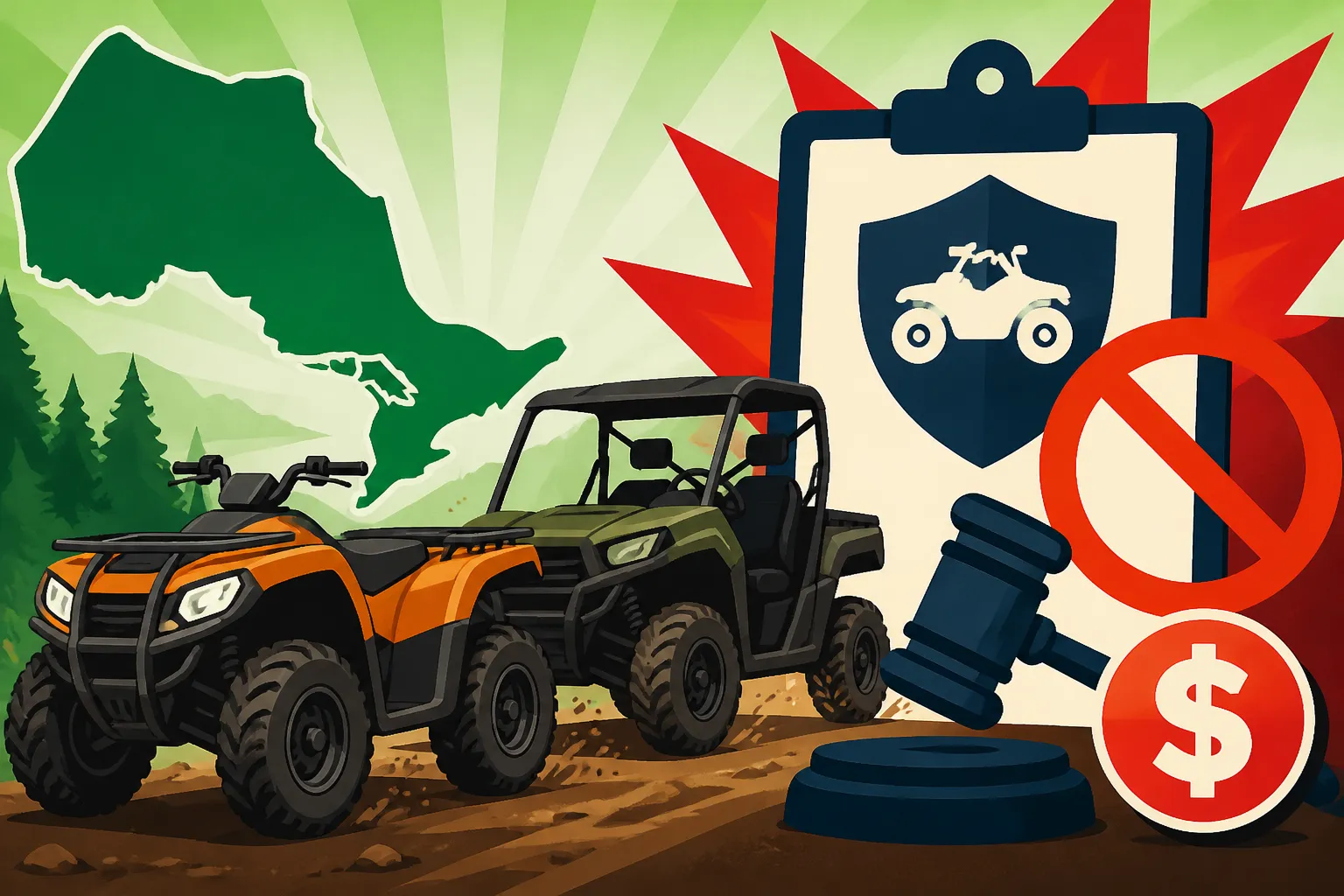
Let's not sugarcoat it: the fines for operating an ATV or UTV without insurance in Ontario are steep. We're not talking about a parking ticket here. The minimum fine alone can be thousands of dollars for a first offense. And it can go up significantly from there, potentially reaching tens of thousands. This isn't a "slap on the wrist." This is the kind of fine that can seriously impact your finances, emptying your savings, or forcing you to make difficult decisions. It's a clear message from the province that riding uninsured is a serious infraction. When you factor in court costs and victim surcharges, that initial fine can escalate even further. It's a bitter pill to swallow for what might have started as a casual ride.
The Immediate Loss: Vehicle Impoundment
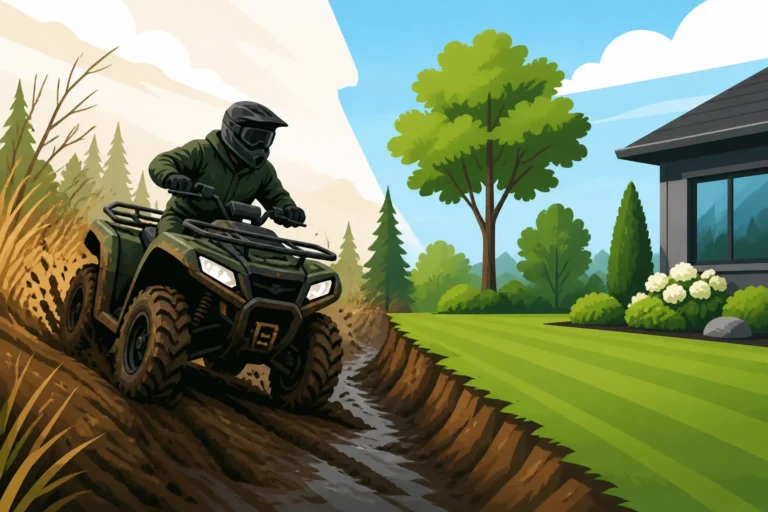
Beyond the hefty fine, one of the most immediate and impactful consequences of being caught without insurance is the impoundment of your ATV or UTV. Yes, you read that right. Your cherished machine, perhaps one you've saved up for or customized, could be towed away on the spot. This isn't a temporary inconvenience. Once impounded, you'll be responsible not only for the towing fees but also for daily storage fees at the impound lot. These costs add up rapidly, often becoming an additional financial burden on top of the fine itself. Retrieving your machine can be a bureaucratic headache, often requiring proof of valid insurance before it's released, meaning you'll still have to get coverage even after being caught. [Ontario Fines for No ATV Insurance] can include this immediate loss.
Impact on Your Driving Record and Future Premiums
A charge for operating an uninsured motor vehicle, even an off-road one, doesn't just disappear. It goes on your driving record, and trust me, insurers take note of such infractions. When you eventually do try to get insurance for your ATV, UTV, or even your car, you'll likely find that your premiums have skyrocketed. Insurers will see you as a much higher risk, and that will be reflected in your rates for years to come. In some cases, getting any insurance at all might become a challenge. This isn't a one-time penalty; it's a long-term shadow cast over your insurability, potentially costing you thousands more in higher premiums over your lifetime. It's a silent, lingering punishment that many don't anticipate.
Navigating a Roadside Stop: Proving Your Coverage
So, you're out riding, having a great time, and then you see the flashing lights of an OPP cruiser or a municipal law enforcement vehicle. What happens next? Knowing what's expected and having your documents in order can make a huge difference in how the interaction proceeds, and more importantly, in avoiding those steep fines.
The Crucial Insurance Card: Paper or Digital
Just like with your car, you are required to carry proof of insurance when operating your ATV or UTV. For most of us, this means an insurance card. While a physical paper card is always a reliable choice, many insurers now offer digital versions that you can display on your smartphone. Whichever format you choose, it needs to be accessible. Keep a physical copy in a waterproof bag or pouch on your machine, or ensure your phone is charged and ready to go. The key is that you must be able to present it to an officer upon request. Don't assume that because your insurer has it on file, you're good; you need your proof with you. Consider how you'll keep it dry and legible during your rides – a soggy, faded card won't do you any favours! [Carrying an Insurance Card on a Ride] is a smart habit to cultivate.
What an Officer Looks For
When an officer pulls you over, they're not just looking for your permit; they're also checking for valid insurance. They'll typically ask for your driver's licence, your ORV permit, and your proof of insurance. They'll examine the card for the policy dates, the vehicle description, and the name of the insured. They're looking for consistency and validity. Is the policy current? Does it match the machine you're riding? Is the name on the card consistent with your identity? If anything seems off or, worse, if you can't produce the document, that's where the serious questions and potential charges begin. It's a quick check that can either clear you for your ride or lead to significant trouble. [What an Ontario Officer Checks Roadside] covers this in detail.
Common Pitfalls: Expired Cards, Lapsed Policies, and Misunderstandings
It's easy to make an honest mistake. Perhaps your insurance card expired, and you just haven't printed the new one. Or maybe you forgot to pay a premium, and your policy lapsed without you realizing it. Some riders mistakenly believe that if they only ride on private land, they don't need insurance, but this isn't always the case, particularly if you're crossing any public access points, road allowances, or even if your private property connects to public trails. Even riding on farm land has specific rules. These misunderstandings, while perhaps innocent, won't exempt you from the fines. It's your responsibility as the operator to ensure your insurance is current, valid, and available. Double-check your policy dates before every riding season, and certainly before you head out on any trails or public roads. [Riding an Unregistered ATV in Ontario] could quickly become riding uninsured if you're not careful.
Beyond the Fines: The Ripple Effect of Riding Uninsured
While the immediate fines and impoundment are certainly jarring, the consequences of riding without insurance can spread much further, affecting your personal finances, your legal standing, and even your ability to enjoy the sport you love in Ontario. It's a risk that frankly isn't worth taking.
Personal Liability in an Accident
Imagine the worst-case scenario: you're involved in a serious accident, and you're found to be at fault. If you don't have insurance, the financial burden for any damages or injuries falls entirely on you. This isn't just about repairing a damaged machine or paying a small medical bill. We're talking about potential lawsuits for significant personal injury, lost wages for the injured party, and long-term care costs. These legal actions can result in judgments against you that could seize your assets, garnish your wages, and impact your credit rating for years, even decades. Your financial future could be in jeopardy. An insurance policy, particularly one with robust liability coverage, is there to protect you from these catastrophic personal losses. It's a shield that you absolutely need.
Access to Trails and Clubs
The vast majority of organized ATV and UTV trails in Ontario, especially those managed by clubs under the [OFATV Trail Network], require you to have valid insurance. When you purchase an [Ontario ATV Trail Permit Cost], part of the agreement is often that you comply with all provincial laws, including the insurance mandate. If you're caught riding on a club trail without insurance, you could face not only provincial fines but also potential revocation of your trail permit and exclusion from club activities. This means losing access to those incredible networks of trails that make off-roading in Ontario so fantastic. Clubs and landowners offering access to their property for trails rely on riders being insured to mitigate their own risks, and they are well within their rights to deny access to uninsured riders.
The Stress and Legal Battles You Could Face
Beyond the financial and access issues, think about the immense stress and legal hassle involved if you're caught without insurance or, worse, involved in an accident while uninsured. You'd be navigating court dates, dealing with lawyers (for yourself and potentially for the other party), and facing the anxiety of unknown financial outcomes. The time commitment alone could be significant, pulling you away from work, family, and what you'd rather be doing. All of this could be avoided by simply having a proper insurance policy in place. It's not just about avoiding a fine; it's about buying peace of mind and protecting yourself from a world of unnecessary trouble.
Securing Your Ride: Steps to Ensure Compliance
Okay, so we've covered the "why" and the "what happens if not." Now, let's talk about the "how." Getting and maintaining proper insurance for your ATV or UTV in Ontario is straightforward, and it's an essential step every rider should prioritize.
Finding the Right Policy for Your Machine
The good news is that many insurance companies offer policies specifically for ATVs and UTVs. Don't just assume your existing car insurance will cover it; in most cases, it won't. You'll need a separate policy. Start by contacting your current insurance provider to see if they offer ATV/UTV coverage. Often, you can bundle it with your home or auto policy for a potential discount. If not, shop around! There are many brokers and companies in Ontario that specialize in recreational vehicle insurance. Be prepared to provide details about your machine (make, model, year, VIN), how you use it (recreational, farm, etc.), and where you store it. Getting multiple quotes is always a smart move to find the best balance of coverage and cost. [Ontario ATV Insurance Cost] can vary, so comparing options is key.
Understanding Your Coverage: Beyond the Minimum
While mandatory third-party liability is the core requirement, I always recommend looking beyond the minimum. Consider adding collision coverage to protect your own machine if you're at fault in an accident, and comprehensive coverage for things like theft, fire, or vandalism. If you've invested heavily in aftermarket parts or accessories, ensure they're covered too. Talk to your broker about options like accident benefits and uninsured motorist coverage. While it might cost a bit more upfront, having comprehensive coverage can save you a tremendous amount of money and heartache if something goes wrong. Think about where you ride – are you often on remote trails where a breakdown could mean a costly tow? Does your machine have unique features, like specialized wheels or a lift kit, that you'd want protected?
Regular Checks and Renewals: Staying Ahead
Once you have your policy, your job isn't over. Make it a habit to regularly check your policy documents, especially the expiry date. Set reminders for renewal, and don't let your coverage lapse. If your contact information changes, or if you sell your machine and buy a new one, update your insurance immediately. A quick call to your broker or insurer is usually all it takes. Keep a fresh, legible copy of your insurance card with your ATV or UTV at all times, ideally in a waterproof holder. This proactive approach ensures you're always compliant, protected, and ready to hit the trails without the looming worry of fines or liability. It's a small investment of time for immense peace of mind.
Disclaimer
This article is for general informational purposes only and does not constitute professional advice. Laws, prices and regulations vary by location and change over time. Consult a qualified professional for guidance on your specific situation.