How an Ontario Municipality Opts In
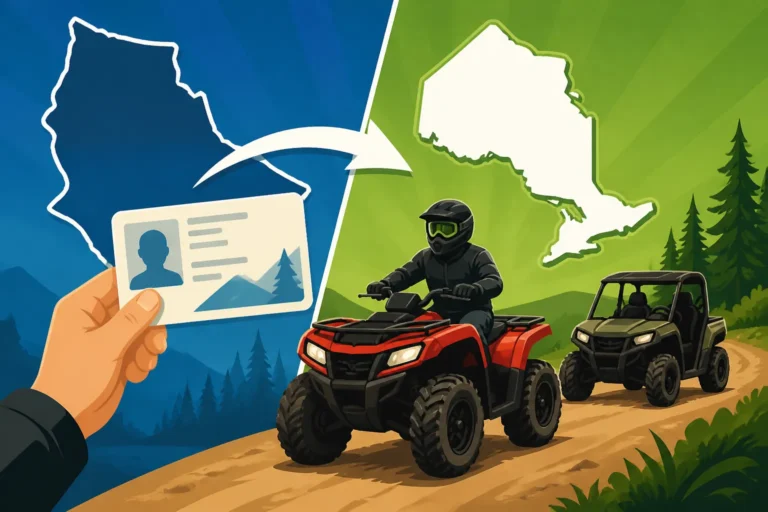
It can be incredibly frustrating to hit a perfectly good stretch of road on your ATV or side-by-side, only to realize that the rules changed at an invisible municipal boundary. One moment you're legally cruising to the next section of trail, the next you're technically breaking the law because the next town hasn't "opted in." This guide is all about demystifying that often-confusing process, so you understand exactly how an Ontario municipality decides to open its roads to off-road vehicles.
The Patchwork Quilt of Ontario's ORV Road Access
If you've spent any time riding ATVs or UTVs in Ontario, you've probably noticed that the rules for where you can ride on public roads can feel like a constantly shifting puzzle. One township welcomes you with open arms and clearly marked routes, while the neighbouring community seems to roll up the welcome mat at its border, leaving you scratching your head and wondering if you've missed something. This isn't just an illusion; it's the reality of how road access for off-road vehicles (ORVs) is managed across the province.
Why It's Not a Province-Wide Rule
The core of this variability lies in the Off-Road Vehicles Act, which is the provincial legislation governing ORVs. While this act sets out broad provincial requirements for things like registration, insurance, and safe operation, it also grants municipalities the power to make their own decisions regarding ORV access on the roads they maintain. Essentially, the province provides the framework, but local councils get to paint in the details for their specific area. This legislative approach was intended to allow communities to tailor ORV access to their unique needs, traffic patterns, and resident concerns. However, it often translates into a bewildering experience for riders trying to navigate the inconsistent rules.
For us riders, this means constant vigilance. You can't assume that because ORVs are permitted on municipal roads in one town, they'll be allowed in the next. This creates significant challenges, especially for those trying to plan longer rides that might span multiple jurisdictions or simply connect a cottage to a nearby trail system. It’s not uncommon to hear stories of riders inadvertently getting tickets because they weren't aware of a specific municipal by-law that differed from the general provincial guidelines. This is why knowing how these local rules come to be is so crucial for any responsible rider.
The Role of the Ministry of Transportation (MTO)
While municipalities hold the reins for their local roads, the provincial Ministry of Transportation (MTO) maintains an overarching authority, especially concerning provincial highways. These are the major arteries we rely on for long-distance travel, like the 400-series highways, the QEW, and many other King's Highways (numbered routes like Highway 7, 11, or 17). Generally speaking, these major provincial highways remain off-limits to off-road vehicles. The MTO's stance is primarily focused on the safety and smooth flow of high-speed, high-volume traffic, and integrating slower-moving ORVs would introduce too many risks.
However, even with the MTO's general prohibition on provincial highways, there are nuances. Some specific sections of provincial highways, particularly in more rural or northern parts of Ontario, have been designated by the MTO as open to ORVs, often to facilitate connectivity between communities or trail systems. These are specific, exceptional cases, and they are always clearly marked or outlined in specific regulations. For example, you might find certain parts of Highway 11 or Highway 60 designated for ORV use. You can get more details on [Ontario Highways Closed to ORVs] and which ones might have specific allowances. But for the vast majority of our riding, we're talking about municipal streets, and that's where the local council's decision-making power really comes into play.
The Municipal Process: How a By-law Comes to Be
So, how does a municipality actually go about opening its roads to ORVs? It's not usually a snap decision made overnight. Instead, it's a multi-stage process that typically involves public input, staff research, and council debate. Understanding these steps can help you, as a rider and a concerned citizen, better participate in or even initiate such a change in your own community. It requires a degree of perseverance, but the rewards of increased access can be significant for local riders and businesses alike.
Initial Interest and Community Engagement
Often, the spark for opening municipal roads to ORVs begins at the grassroots level. It might be a group of passionate local riders, a burgeoning tourism board looking to attract new visitors, or even local businesses (like restaurants, gas stations, or accommodations) seeing the economic potential of ORV traffic. These initial proponents will typically start by gathering support, perhaps through petitions, informal meetings, or social media campaigns, to show that there's a genuine desire for this change within the community. Organized groups, particularly those affiliated with the Ontario Federation of ATV Clubs (OFATV), often play a pivotal role here, as they have established advocacy frameworks and can present a unified voice to council.
Once sufficient interest is garnered, the next step usually involves making a formal presentation to the municipal council. This might be during an open council meeting where deputations are allowed. During this stage, advocates will highlight the benefits of opening roads, such as increased tourism, local spending, improved access to trails, and enhanced recreational opportunities for residents. They might share success stories from other municipalities that have already adopted ORV-friendly by-laws. Showing councillors that this isn't just about riding, but about community development and economic vitality, can be a very persuasive argument.
Research, Review, and Staff Recommendations
If the initial presentation piques council's interest, they will typically direct municipal staff to conduct a thorough review and research into the feasibility and implications of opening roads to ORVs. This often involves departments like Public Works, By-law Enforcement, and Planning. Staff will look at a wide range of factors, from potential safety concerns and existing traffic volumes on various roads to the specific types of ORVs that might be permitted. They’ll assess road conditions, identify areas where ORV access might pose particular challenges (like near schools or high-density residential areas), and consider the environmental impact, if any.
During this phase, staff may also consult with external stakeholders, such as the Ontario Provincial Police (OPP) for enforcement considerations, the MTO for any provincial overlaps, and local conservation authorities. They'll also often look at what other municipalities have done, examining their by-laws, their successes, and any challenges they've faced. This comprehensive review aims to provide council with a balanced picture, complete with recommendations on which roads might be suitable, what operating conditions should be imposed, and what the potential benefits and drawbacks could be. This research ensures that any proposed by-law is well-informed and considers all angles, leading to specific recommendations for road usage and things like [Ontario ATV Speed Limit on Roads].
Drafting the By-law
With all the research and recommendations in hand, the municipal legal or clerk’s department will then begin the detailed work of drafting the actual by-law. This document is the legal backbone of ORV road access, and it needs to be precise and comprehensive. The drafting process involves specifying exactly which roads will be open, what times ORVs can operate, and what equipment is required on the vehicles. For instance, the by-law will clarify if it applies to all ORV types (ATVs, side-by-sides, dirt bikes) or only specific classes. It will also outline speed limits for ORVs on these roads, which often differ from the posted car speed limits, perhaps mandating 20 km/h in certain zones and 50 km/h in others.
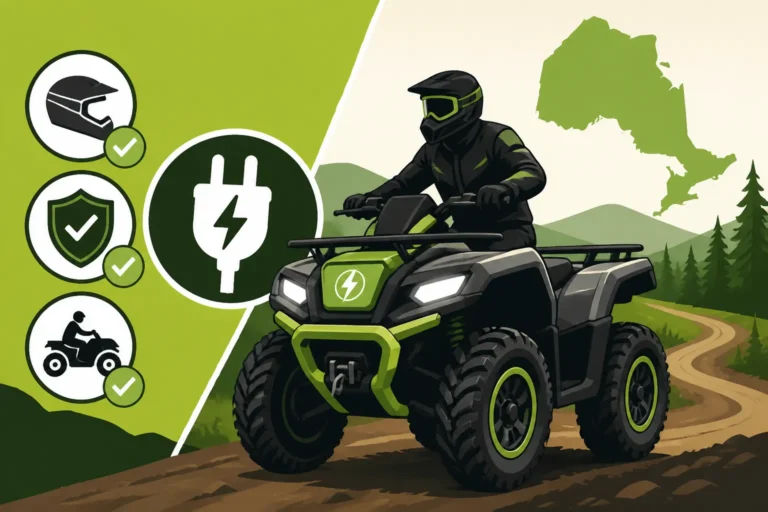
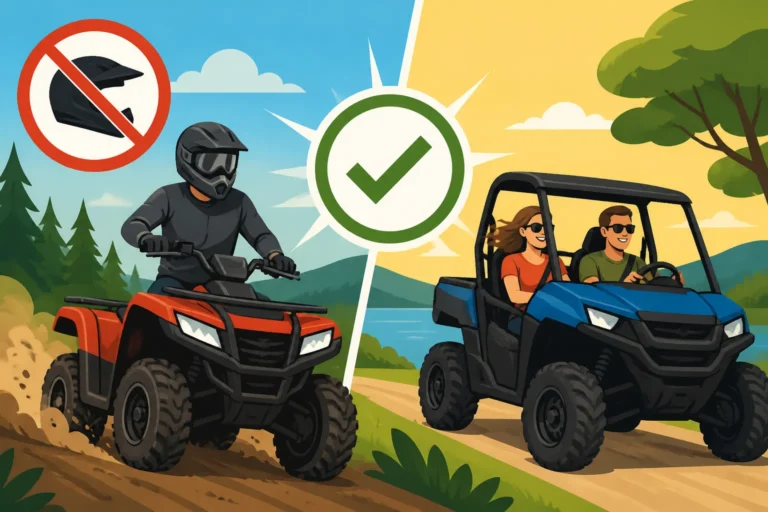
The by-law will also address things like mandatory helmet use, insurance requirements, and what constitutes a "street-legal" ORV in that particular municipality. This might include specific lighting requirements, mirrors, and even tires. Some riders might already have their machines equipped with these features, perhaps even utilizing aftermarket parts from companies like SuperATV to ensure their quad is ready for road sections. The goal of drafting is to create a clear, enforceable document that balances the needs of ORV riders with the safety and well-being of all other road users and residents. Without this detailed legislative framework, opening roads would simply lead to confusion and potential hazards for everyone involved.
Public Consultation and Council Approval
Once a draft by-law has been prepared, it rarely goes straight to a final vote. Instead, municipalities are typically required to engage in a robust public consultation process. This is a critical stage where the community gets to have its say, shaping the final version of the by-law before it potentially becomes law. It's an opportunity for both proponents and opponents to voice their opinions and concerns, ensuring a democratic process.
Gathering Public Feedback
The municipality will usually announce public meetings, often advertised on their website, in local newspapers, and through public notices. These meetings provide a forum for residents to ask questions, raise concerns, and offer suggestions regarding the proposed ORV by-law. Beyond formal meetings, many municipalities also gather feedback through online surveys, written submissions, and direct communication with councillors. This period is crucial for identifying any unforeseen issues or areas of contention that staff might not have picked up on during their initial research. Residents might express concerns about noise in quiet neighbourhoods, dust affecting properties near gravel roads, or increased traffic safety risks, particularly for children or pets.
For riders and advocates, this is a prime opportunity to show up, speak respectfully, and reiterate the benefits of the proposed by-law, while also addressing any concerns raised by other residents. It's important to demonstrate that riders are responsible members of the community and are committed to safe and courteous operation. Sometimes, modifications to the proposed by-law might emerge from this feedback, such as restricting riding hours in residential areas or designating specific routes to minimize impact. This ensures that the final by-law is a reflection of a compromise, balancing the desires of riders with the broader community's needs for peace and safety.
Council Debate and Voting
Following the public consultation period, all the collected feedback, along with staff recommendations and the revised draft by-law, are presented to the municipal council for their review and deliberation. This stage can often be quite dynamic, as councillors engage in debate, ask probing questions, and consider the various perspectives they’ve heard. Each councillor represents their constituents, and they might have differing views on the merits or potential drawbacks of the by-law, leading to impassioned discussions.
During these council meetings, there might be further amendments proposed to the by-law, adjustments to specific road designations, or even changes to the operating conditions. It's a truly political process, where various interests are weighed against each other. Ultimately, the council will vote on the proposed by-law. It could be passed as is, passed with amendments, or, in some cases, even defeated if there isn't enough support. Once passed, the by-law receives a formal number and becomes part of the municipality’s official legal framework, opening the door for ORV access on designated roads. This is the moment when the hard work of advocacy and public input finally pays off, establishing concrete rules for [Ontario ATV Rules on a Municipal Road].
Implementation and Enforcement
Once a by-law is passed, the work isn't over. The municipality then needs to implement the new rules and ensure they are properly enforced. A critical first step is clear communication: making sure residents, riders, and visitors are aware of the new regulations. This involves updating municipal websites, publishing notices, and often installing signage on the designated roads to indicate where ORVs are permitted and what the rules are. Clear signage is vital to prevent confusion and ensure compliance.
Enforcement typically falls to the local police service (often the OPP in rural areas) or the municipality's own by-law enforcement officers. These officers will be responsible for ensuring that ORVs are operated according to the by-law's stipulations, including speed limits, operating hours, and vehicle equipment requirements. Riders caught violating the by-law could face fines or other penalties. This emphasizes the importance for all riders to not only know if a by-law exists but also to meticulously understand its specific details. Officers will be checking for all required documentation and safety equipment at a roadside stop, so knowing [What an Ontario Officer Checks Roadside] is essential for a smooth ride.
| By-law Element | Common Municipal Stipulations | Rider Impact |
|---|---|---|
| Permitted Roads | Often lower-speed (50 km/h or less) municipal roads, not arterial routes. | Riders must stick to designated routes; map out your journey carefully. |
| Vehicle Types | May specify ATVs, UTVs; some exclude dirt bikes or larger ORVs. | Verify if your specific ORV is allowed; check definitions in the by-law. |
| Operating Hours | Typically dawn to dusk; some may have earlier or later restrictions. | Plan rides within permitted hours to avoid fines and neighbour complaints. |
| Speed Limits | Often 20 km/h in built-up areas, 50 km/h on other designated roads. | Adjust your speed significantly; do not assume posted car limits apply. |
| Equipment Required | Helmet, insurance, plate, lights, mirrors, muffler, sometimes tires. | Ensure your ORV is fully compliant and properly equipped, like with SuperATV accessories. |
| Operator Age/License | Minimum age (16+), valid driver's license (G2/M2 minimum). | Always carry valid license; minors have specific restrictions. |
| Passenger Rules | Only on machines designed for two-up riding, minimum age for passengers. | Understand if your machine is rated for a passenger and any age limits. |
| Seasonal Restrictions | May close roads during spring thaw, hunting season, or specific events. | Always check municipal notices for temporary closures before riding. |
Key Elements of an "Opt-In" By-law
When a municipality decides to open its roads to ORVs, the resulting by-law isn't just a simple "yes" or "no." It's a carefully constructed legal document that lays out specific conditions and restrictions. These elements are designed to ensure safety for all road users, minimize disruption to residents, and provide clear guidelines for riders. Understanding these key components is crucial for anyone planning to ride on municipal roads.
Defining Permitted Vehicles and Roads
One of the first things any municipal ORV by-law will do is clearly define which types of off-road vehicles are allowed on which roads. It's never a blanket permission for every single ORV on every single road. Typically, these by-laws focus on ATVs and utility task vehicles (UTVs, or side-by-sides), as these machines are generally more stable and often easier to equip for road use. Dirt bikes or other specialized off-road motorcycles might be excluded due to their different operating characteristics and lower visibility in traffic. The by-law will use the provincial definitions for these classes of vehicles to ensure consistency.
Beyond vehicle type, the by-law meticulously lists the specific roads or classes of roads where ORVs are permitted. These are almost always municipal roads with lower speed limits, often 50 km/h or less. Major arterial roads, high-traffic corridors, or roads near sensitive areas like hospitals or schools are typically excluded. The aim is to create a network of roads that primarily serve to connect trail systems or allow residents access to local services, without integrating ORVs into high-speed or heavy traffic flows. Riders need to consult their specific municipal by-law or map to know [Ontario ATV Rules on a 50 km/h Road] and exactly where they can and cannot ride. Getting this wrong can lead to tickets and endanger yourself and others.
Operating Conditions and Restrictions
Alongside defining what and where, the by-law also specifies how ORVs must be operated on municipal roads. These are the rules that govern the actual riding experience, and they are critical for ensuring safety and harmony. Common conditions include strict operating hours, often limiting riding to dawn to dusk, or prohibiting it late at night to mitigate noise concerns for residents. Speed limits for ORVs on these roads are almost always lower than the posted limits for cars, often capped at 20 km/h in built-up areas and 50 km/h elsewhere. These limits are designed to account for the different handling characteristics of ORVs and ensure they can safely share the road with other vehicles and pedestrians.
Furthermore, the by-law will reiterate and sometimes enhance provincial requirements regarding operator age and licensing. Generally, operators must be at least 16 years old and hold a valid G2, M2, or higher-class driver's license. You can find more specific details on [Ontario ATV Licence Requirements]. Mandatory insurance and helmet use are non-negotiable, aligning with provincial law but often re-emphasized in local by-laws. The vehicle itself must be properly equipped, meaning it needs working headlights, taillights, brake lights, a horn, and often mirrors. Many riders enhance their machines with road-specific safety components, such as a turn signal kit or a rearview mirror, easily sourced from reputable brands like SuperATV, to meet these requirements and improve their visibility to others.
Exceptions and Challenges
Even with a comprehensive by-law, there are often exceptions and challenges that arise in practice. Municipalities frequently include seasonal closures, particularly during the spring thaw. This is a crucial measure to protect the integrity of gravel roads, which can become extremely soft and prone to damage from ORV traffic when the ground is saturated. Ignoring these closures can lead to significant road damage and, consequently, could jeopardize future ORV access. It's important to check for [Township Roads That Close to ATVs Every Spring] before heading out on any road-connecting ride.
Other roads might remain permanently closed due to specific safety concerns, such as proximity to schools, hospitals, or areas with high pedestrian traffic. The ongoing challenge for municipalities is to continuously educate both ORV riders and the general public about these rules. Misunderstandings can lead to conflict and enforcement issues. For riders, it means staying informed, respecting all signage, and adhering to the spirit of the by-law – demonstrating responsible conduct helps ensure that ORV access, once gained, isn't lost. It's a delicate balance that requires cooperation from everyone involved.
What Riders Can Do to Advocate for Access
For many of us, the ability to legally use municipal roads to connect trails, access services, or even just get from home to a riding area is a game-changer. It vastly expands our recreational opportunities and supports local economies. But getting those roads open, or keeping them open, often requires active participation from the riding community. You don't have to be a politician to make a difference; informed and respectful advocacy can go a long way.
Be Informed and Engaged
The first and most important step for any rider interested in expanding ORV access is to be thoroughly informed. This means understanding not only the provincial Off-Road Vehicles Act but also the specific by-laws, or lack thereof, in your own municipality and neighbouring areas. Knowing the current rules and the legislative framework allows you to speak intelligently and credibly with municipal staff and council members. Familiarize yourself with how your local council operates, when their meetings are, and how you can submit comments or request to speak as a delegate. The more you know, the more effective your advocacy will be.
Beyond just knowing the rules, get engaged with your local community. Attend council meetings, even if ORV access isn't explicitly on the agenda, to show your presence and interest in local governance. If there's an existing ORV club in your area, consider joining it. Clubs affiliated with the OFATV are often at the forefront of advocating for trail access and road connections, and they have established relationships and experience working with municipalities. Lending your voice to a collective can be far more impactful than trying to go it alone. Learning [Asking a Council to Open a Road] takes effort, but the collective voice of a well-informed group of riders is powerful.
Promote Responsible Riding
Perhaps the single most powerful form of advocacy is demonstrating responsible riding. When riders consistently follow all rules, respect private property, minimize noise, and operate their machines safely and courteously, it builds goodwill within the community. Conversely, a few irresponsible riders can quickly erode public trust and make it much harder for councils to justify opening roads. Every time you ride, you are an ambassador for the entire ORV community.
Make sure your machine is up to par for road use, not just for trails. This means having proper lighting, mirrors, and a quiet muffler. Investing in quality accessories from a brand like SuperATV can help ensure your machine is equipped to meet any road-legal requirements, showing that you're serious about safety and compliance. When you see fellow riders breaking rules, consider politely educating them. Highlight the economic benefits ORV tourism can bring to local businesses – from gas stations to restaurants and accommodations – as this is a strong argument for councils looking to boost local prosperity. Responsible riding is fundamental to changing perceptions and building support for access.
Collaborate and Communicate
Effective advocacy is rarely confrontational; it’s about collaboration and clear communication. Instead of demanding access, approach municipal staff and council members as partners, offering solutions and explaining the benefits. Work with municipal staff to identify suitable road segments, address concerns proactively, and perhaps even offer volunteer hours for trail maintenance or community events. Showing a willingness to be part of the solution, rather than just demanding a right, can create a much more positive dialogue.
Highlight how opening municipal roads can create vital connections between existing trail networks, making the entire region more attractive for ORV tourism. Emphasize that ORV riders are often also taxpayers and residents who care about their community. Seek out opportunities to work with other stakeholders, such as local business associations, tourism groups, and even other recreational user groups, to present a unified vision of improved outdoor recreation and economic development. By building bridges and communicating openly, we can collectively work towards a more accessible and enjoyable riding experience across Ontario.
Disclaimer
This article is for general informational purposes only and does not constitute professional advice. Laws, prices and regulations vary by location and change over time. Consult a qualified professional for guidance on your specific situation.