Ontario ATV Helmet Law for Passengers
It's incredibly common to feel a mix of excitement and apprehension when you first think about bringing a passenger along for an ATV or UTV ride in Ontario. You want to share the thrill of the trails, but your primary concern, and rightly so, is their safety – especially when it comes to something as vital as a helmet. There's a lot of chatter and confusion out there, with rules seemingly changing depending on where you ride, who's riding, and what kind of machine you're on. This guide is here to cut through that noise and give you a clear, comprehensive understanding of Ontario's helmet laws specifically as they apply to passengers on your ATV or UTV, so you can ride with confidence and peace of mind.
The Mandate: Ontario's ATV Helmet Law for Passengers
When you hit the trails or even venture onto approved municipal roads in Ontario with an Off-Road Vehicle (ORV), safety isn't just a suggestion; it's the law. And one of the foundational pillars of ORV safety, universally applied, is the helmet. This isn't just for the driver; it extends emphatically to every passenger. Understanding this isn't just about avoiding a fine; it's about protecting lives.
The Legal Requirement for Head Protection
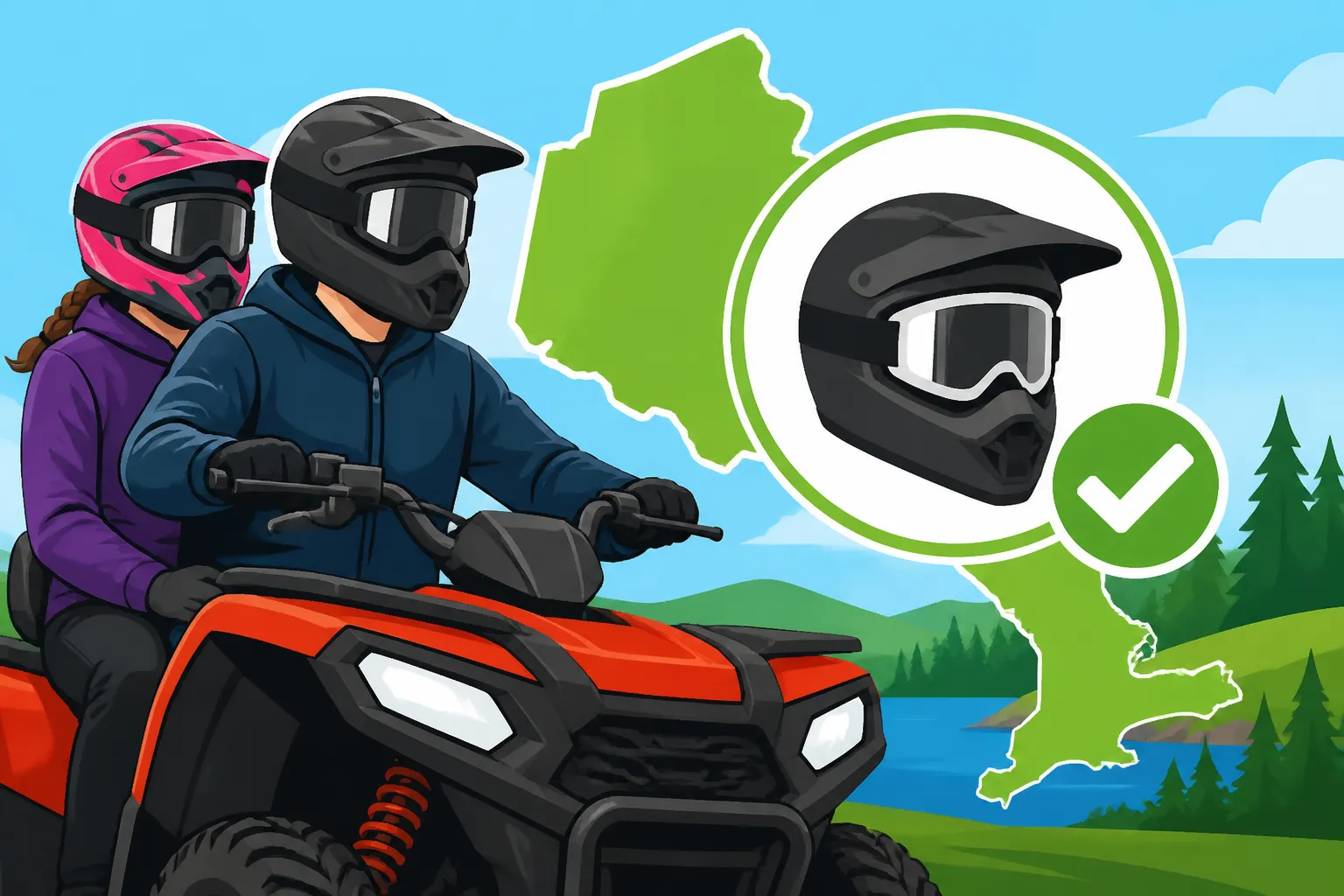
Ontario's Off-Road Vehicles Act (ORVA) is quite clear: if you're operating or riding as a passenger on an ORV, you must wear an approved helmet. There's no grey area here for passengers. Whether you're navigating a rugged bush trail, crossing a concession road, or enjoying an organized club ride, the helmet rule applies. This regulation stems from a deep understanding of the risks involved with ORV use. Rollovers, impacts with trees, rocks, or other vehicles, and even simple falls can result in serious head injuries if not properly protected. The "approved" part of this rule is crucial; it means the helmet must meet specific safety standards, not just be any old piece of headgear you have lying around. These standards, such as DOT, Snell, or ECE, ensure the helmet is designed and tested to absorb impacts effectively, providing crucial protection when it matters most. For a deeper dive into what counts as acceptable headgear, you might find [Approved Motorcycle Helmets in Ontario] particularly helpful.
Many riders, especially those new to the sport or those coming from different jurisdictions, sometimes assume that if they're on private land, these rules don't apply. While private property owners can set their own rules, the spirit of the law and, more importantly, the reality of physics don't change just because you're off a public thoroughfare. The risk of head injury remains constant, and any responsible operator will ensure their passengers are always wearing a properly certified helmet, regardless of the terrain. Ignoring this fundamental safety measure is a gamble no one should take, as the consequences can be life-altering for your passenger.
Why Passengers Need Helmets Too
It's easy for the driver to focus on their own safety gear, as they're the one in control, steering, and navigating the terrain. However, passengers are just as, if not more, vulnerable in many ORV scenarios. They don't have direct control over the machine, and in an unexpected lurch, turn, or sudden stop, they can be thrown off balance or out of the vehicle entirely. Imagine hitting an unexpected washout or taking a corner a little too fast; a passenger's head can easily strike the vehicle's roll cage, a tree limb, or the ground with significant force. This is precisely why the [Ontario ATV Helmet Law for Passengers] is so explicit and unwavering.
Beyond direct impacts, there's also the issue of debris. Kicked-up rocks, branches, or even mud can strike a passenger with considerable force, especially if they are sitting behind the driver. A proper full-face helmet not only protects against impacts but also shields the face and eyes from such hazards. Think of a scenario where you're following another ORV on a dusty trail; without proper head protection, your passenger is exposed to everything the lead machine kicks up. Ensuring your passenger is wearing an approved helmet is a non-negotiable aspect of responsible riding, demonstrating your commitment to their well-being throughout the adventure.
Who Can Be a Passenger and On What Machine?
The question of carrying a passenger on an ORV isn't just about whether they wear a helmet; it's fundamentally about whether your machine is designed to carry one safely and legally. Ontario has specific definitions and rules that differentiate between various types of ORVs and their passenger-carrying capabilities, and misunderstanding these can put everyone at risk.
Single-Rider vs. Two-Up ATVs: Know Your Machine
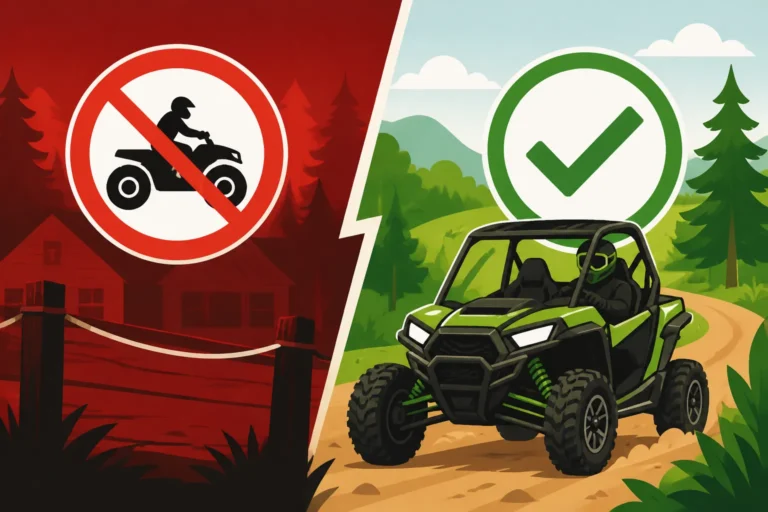
This is perhaps one of the most critical distinctions in Ontario's ORV regulations. A traditional ATV (or "quad") is almost universally designed for a single operator. These machines are balanced and engineered for one person's weight distribution and control inputs. Attempting to squeeze a passenger onto a single-rider ATV is not only illegal in Ontario but incredibly dangerous. It compromises the machine's balance, makes steering and braking unpredictable, and significantly increases the risk of a rollover, especially on uneven terrain or during turns. The absence of proper passenger handholds, footrests, and a dedicated, designed seat means your passenger has no secure way to brace themselves, making them highly susceptible to being thrown off. [Ontario ATV Rules for a Single-Rider Machine] explicitly cover these prohibitions for very good reason.
Conversely, a "two-up" ATV is specifically manufactured with an extended frame, a longer seat designed for two people, dedicated passenger handholds (often integrated into the backrest), and separate footrests for the passenger. These machines are balanced and sprung to safely accommodate the weight of two individuals. If you plan on regularly riding with a passenger, investing in a properly designed two-up ATV is the only responsible and legal option. Do not, under any circumstances, try to adapt a single-rider ATV to carry a passenger by adding makeshift seats or footrests; you're inviting a serious accident. For broader context on passenger rules, take a look at [Ontario ATV Passenger Rules].
Side-by-Sides and Multi-Passenger ORVs
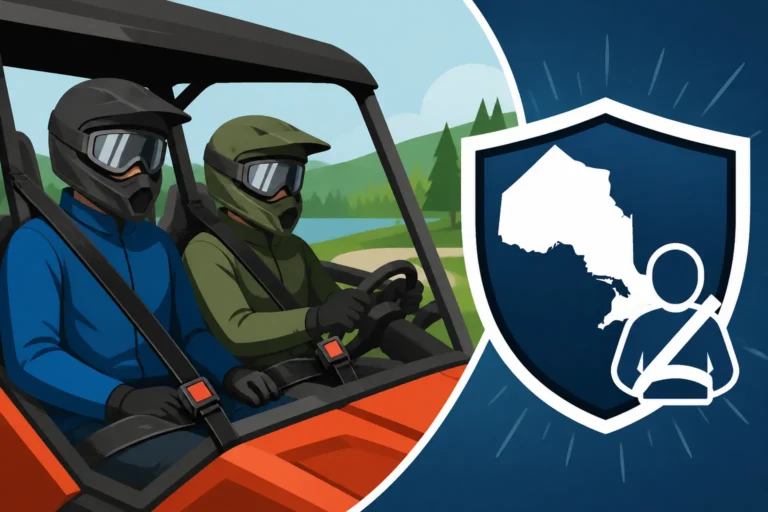
Side-by-sides, also known as Utility Terrain Vehicles (UTVs) or Recreational Off-Highway Vehicles (ROVs), are designed from the ground up to carry multiple occupants, typically side-by-side in bucket seats, much like a car. These machines come equipped with a Roll-Over Protection Structure (ROPS), seatbelts, and often doors or side netting. While these features greatly enhance passenger safety by providing a degree of containment and structural protection, it's a common misconception that helmets are optional in a UTV because you're belted in. This is absolutely not the case in Ontario. Every occupant in an ORV, including UTVs, must wear an approved helmet. Even with a robust ROPS and seatbelts, a severe impact or rollover can still cause head trauma if occupants are not wearing helmets.
The design of UTVs lends itself well to carrying passengers safely, as long as everyone adheres to the rules. These vehicles are stable and offer a more secure environment than a traditional ATV. However, the legal and safety requirement for an approved helmet for every person inside, whether driver or passenger, remains steadfast. When you're considering taking your UTV on public roads or trails, it's particularly important to be aware of all the regulations, including those concerning helmets, which are often highlighted in guides like [Ontario UTV Road Rules]. Many manufacturers and aftermarket suppliers, like SuperATV, offer enhanced safety features such as reinforced roll cages, stronger doors, and harness systems that complement the basic safety framework, but these additions do not negate the need for a properly fitted, approved helmet for every passenger.
Selecting and Fitting the Right Helmet for Your Passenger
Choosing the correct helmet and ensuring it fits properly is paramount for passenger safety. A helmet that is too loose can shift during an impact, offering little protection, while one that's too tight can be uncomfortable and distracting. It’s not just about having a helmet, but having the right helmet that meets approved safety standards and fits your passenger perfectly.
Approved Standards and Types of Helmets
In Ontario, an approved helmet generally means one that meets specific internationally recognized safety standards. The most common certifications you'll encounter are:
- DOT FMVSS 218: This is the minimum standard required by the U.S. Department of Transportation for street-legal use in the United States and is widely accepted in Canada for ORVs. It ensures the helmet provides a basic level of impact protection.
- Snell M2020 (or earlier versions like M2015): Snell Memorial Foundation certification involves more rigorous testing than DOT, often with multiple impact points and higher impact energies. Helmets meeting Snell standards typically offer a superior level of protection and are often preferred by serious riders and racers.
- ECE R22-06 (or earlier versions like ECE 22.05): This is the standard for Europe and is recognized globally as a high safety benchmark. Helmets with ECE certification are also approved for use in Ontario.
Any helmet your passenger wears should have one of these certification stickers clearly visible, usually on the back or inside the helmet. When it comes to helmet types for ORV passengers, full-face helmets are generally the safest option. They provide comprehensive protection for the entire head, including the chin and face, from impacts, branches, kicked-up rocks, and dust. While open-face helmets might seem appealing for better ventilation or visibility, they leave the face vulnerable. Keep in mind that while SuperATV is known for its robust aftermarket UTV parts that enhance vehicle safety and performance, they typically don't manufacture helmets. For certified helmets, you'll need to look at reputable powersports dealers and brands that specialize in head protection.
| Helmet Standard | Key Focus | Common Use | Enforcement in Ontario |
|---|---|---|---|
| DOT FMVSS 218 | Minimum impact protection for road use. | Street motorcycles, ATVs, UTVs. | Required for road-legal use; generally accepted off-road. |
| Snell M2020 | Higher impact protection, rigorous testing. | Racing, performance riding. | Exceeds DOT; highly recommended for all ORV use. |
| ECE R22-06 | International standard, focus on impact and abrasion. | European motorcycles, widely accepted globally. | Accepted in Ontario as an approved standard. |
Proper Helmet Fit and Chin Strap Protocol
A helmet can only do its job if it fits correctly. For your passenger, especially if it’s a child, a proper fit is even more critical as they might not articulate discomfort or movement as well as an adult. Here’s how to ensure a good fit:
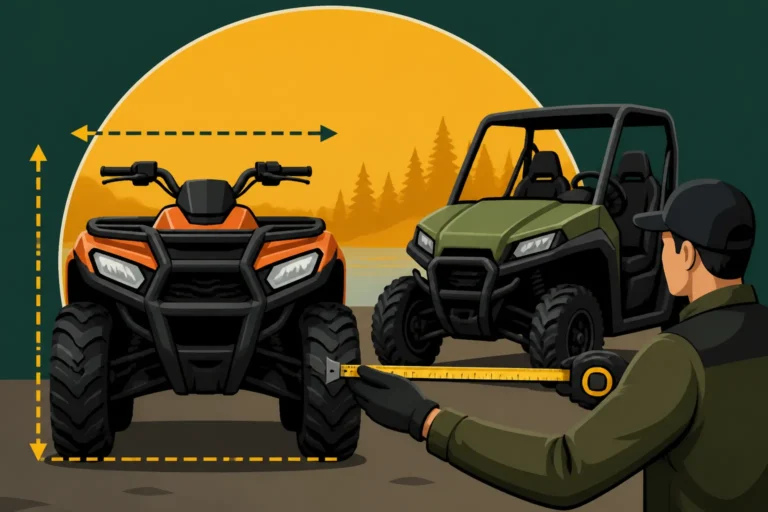
- Measure Head Circumference: Use a flexible tape measure around the widest part of their head, just above the eyebrows and ears. Compare this to the helmet manufacturer’s sizing chart.
- Try It On: The helmet should feel snug all around, with uniform pressure across the crown, cheeks, and forehead. It should not be uncomfortably tight, but there should be no significant gaps.
- Check for Movement: With the chin strap unfastened, try to rotate the helmet from side to side and front to back. If the helmet moves independently of the head or shifts significantly, it's too big. The skin on the forehead and temples should move with the helmet.
- Field of Vision: Ensure the helmet allows for an adequate field of vision, especially peripheral vision. This is crucial for passengers to be aware of their surroundings.
Once you have a helmet that fits, the chin strap is the final, non-negotiable step. The chin strap must be fastened securely. It should be snug enough that you can't easily slip more than one finger between the strap and the chin, but not so tight that it chokes the wearer. A loose chin strap means the helmet can come off during an impact, rendering it useless. Ontario law, and any enforcement officer, takes [Chin Straps and Ontario Enforcement] very seriously, as it’s a direct indicator of whether a helmet is being used effectively. Teach your passenger how to fasten it correctly, and always double-check it before starting the ride. For younger passengers, consider specific youth helmets designed with their smaller proportions and weight in mind.
Age, Supervision, and Other Passenger Safety Measures
While the helmet is the cornerstone of passenger safety, it's part of a larger framework of considerations that includes age limits, appropriate gear, and responsible riding practices. Taking a passenger, particularly a child, demands an even higher level of diligence from the operator to ensure their well-being.
Minimum Age Requirements for Passengers
Ontario's regulations for ORVs can be a bit nuanced when it comes to age. For operating an ORV, there are clear minimum age limits, but for passengers, it depends heavily on the context of the ride. On public roads or highways where ORVs are permitted, the rules often become more stringent. Generally, a passenger must be physically capable of reaching the footrests and holding onto the designated handholds to maintain their stability during the ride. This often naturally sets a de facto minimum height and age. For instance, [Can a Child Ride Passenger on an Ontario Road?] will detail that on a road, a child needs to be able to securely hold on and keep their feet on the footrests.
For off-road riding on trails or private property, while there isn't a provincial law setting a hard minimum age for passengers (unlike the driver's [Ontario's Off-Road Minimum Age of Twelve]), responsible riding clubs and experienced operators usually recommend that children be mature enough to understand and follow instructions, hold on securely, and wear a properly fitting helmet and protective gear. It's always a good idea to check with the specific trail club or municipality you plan to ride in, as some may have their own by-laws or guidelines regarding passenger ages, especially for children. Ultimately, the decision to carry a child passenger rests on your judgment as the operator, considering their physical capabilities, maturity, and the terrain you'll be covering.
Beyond Helmets: Essential Passenger Gear and Conduct
While the helmet is indispensable, it's only one piece of the safety puzzle. Equipping your passenger with additional protective gear is crucial, as is educating them on proper riding conduct.
Essential Gear:
- Eye Protection: Even if a full-face helmet has a visor, separate goggles or safety glasses offer an extra layer of protection against dust, bugs, and debris, especially if the visor fogs up or needs to be lifted.
- Sturdy Footwear: Over-the-ankle boots with good tread are ideal. They protect against impacts, provide grip on footrests, and shield feet from hot engine parts or sharp objects. Open-toed shoes, sandals, or flimsy sneakers are completely inappropriate for ORV riding.
- Long Pants and Sleeves: Denim jeans or riding pants, and long-sleeved shirts or jackets, protect the skin from scrapes, cuts, sun exposure, and branches. Layering is often best to adapt to changing weather conditions.
- Gloves: Riding gloves improve grip, reduce hand fatigue, and protect against blisters, scrapes, and impacts with branches or debris.
Passenger Conduct:
- Hold On Securely: Passengers should always hold onto the designated handholds, or if in a side-by-side, keep their hands inside the vehicle.
- Keep Limbs Inside: For UTVs, remind passengers to keep their arms, legs, and head inside the vehicle's protective structure at all times, especially when moving.
- Lean with the Driver: On ATVs, a passenger should try to anticipate and lean with the driver during turns and over rough terrain to help maintain balance. In a UTV, staying upright and braced is the key.
- No Distractions: Encourage your passenger to enjoy the ride but avoid actions that could distract the driver.
- Communicate: Establish clear hand signals or verbal cues for common needs, like "slower," "stop," or "bump ahead."
Ensuring your passengers are secured and protected goes beyond just helmets. Many riders upgrade their UTVs with enhanced seatbelts or harness systems, which can be found through aftermarket suppliers like SuperATV, to provide an extra layer of security, especially for younger or smaller passengers. These additions work in tandem with mandatory helmets to maximize safety. For those serious about off-road exploration with passengers, investing in robust protection is key. Beyond personal gear, many turn to heavy-duty accessories like those offered by SuperATV to reinforce their side-by-sides, creating a more secure environment for everyone on board. By combining the right gear, proper machine usage, and thoughtful conduct, you can ensure your passengers have a safe and memorable experience on Ontario's trails.
Disclaimer
This article is for general informational purposes only and does not constitute professional advice. Laws, prices and regulations vary by location and change over time. Consult a qualified professional for guidance on your specific situation.