Ontario ATV Helmet Law
Riding an ATV or UTV in Ontario is an incredible experience, offering freedom and adventure across our vast landscapes. But let's be honest, navigating all the rules and regulations can feel like tackling a particularly gnarly section of trail. One of the most common questions, and perhaps one of the most critical for your safety, revolves around helmet laws. This guide is here to cut through the confusion and give you a clear, empathetic understanding of Ontario's ATV helmet requirements, ensuring you stay safe and legal on every ride.
The Baseline: When Helmets Are Mandatory in Ontario
The fundamental truth for anyone hitting the trails or even a permitted road allowance in Ontario on an ATV or UTV is simple: you almost always need a helmet. This isn't just a suggestion; it's a non-negotiable legal requirement outlined in Ontario's Off-Road Vehicles Act. The province takes rider safety incredibly seriously, and for good reason – off-road vehicles, while exhilarating, also come with inherent risks. Wearing a helmet significantly reduces the chance of severe head injuries in the event of an accident, protecting you from impacts with the ground, trees, or even other vehicles.
This mandate applies whether you're cruising on an [Ontario ATV Rules on a Municipal Road] or tackling a rugged provincial trail. The moment those tires leave your private property, or even if you're on a public road allowance that's yet to be assumed by the municipality, that helmet needs to be securely fastened. It doesn't matter if you're just putting around at 5 km/h or pushing the limits of your machine; the law is clear. It's a blanket rule designed to cover the vast majority of riding situations in Ontario, ensuring a consistent safety standard for all riders operating on public land or designated trails.
Many riders, especially those new to the sport or visiting from out of province, sometimes think the helmet rule is only for "fast" riding or when you're on a main road. This is a dangerous misconception. A low-speed tip-over on a muddy trail can be just as unforgiving as a higher-speed incident. The ground doesn't care how fast you were going when you hit it. So, before you even think about starting that engine and heading out, remember that the helmet is the first piece of gear, right alongside your [Ontario ATV Insurance Requirements], that you absolutely cannot compromise on.
The Specifics: Roads, Trails, and Crown Land
The mandatory helmet rule applies broadly across Ontario's diverse riding environments. If you're riding your ATV or UTV on any road or highway where ORVs are permitted, you must wear an approved helmet. This includes municipal roads that have specifically passed bylaws to open them to off-road vehicles, as well as designated shoulders or ditches along certain provincial highways. It's not just about the pavement; even gravel roads, backroads, and unmaintained municipal allowances fall under this umbrella.
Similarly, when you venture onto any of Ontario's extensive network of managed trails, such as those maintained by the Ontario Federation of ATV Clubs (OFATV) or other regional organizations, an approved helmet is a must. These trails, while designed for off-road adventure, are still public spaces where safety regulations are enforced. Even when exploring vast tracts of Crown Land, where "free use" policies might apply to some aspects of riding, the helmet requirement remains firmly in place. While you might not need a trail permit in some Crown Land areas, you absolutely still need that helmet.
The only real exception to the helmet rule for most riders, which we'll delve into shortly, is when you are riding exclusively on your own private property and not accessing any public roads or trails. Even then, from a safety perspective, most experienced riders will tell you that a helmet is still a smart choice. But legally, the moment you put a tire onto anything considered public access, including a road allowance, shared path, or official trail, that helmet needs to be on your head and properly secured.
Beyond the Driver: Helmet Rules for Passengers and Young Riders
It's not just the driver who needs to be protected; passengers and young riders also fall under Ontario's strict helmet regulations. When you're sharing the adventure, everyone needs to be as safe as possible, and that means head protection for all. This is especially critical because passengers, particularly children, might not have the same control or awareness as the driver in an unexpected situation.
Carrying a Passenger Safely
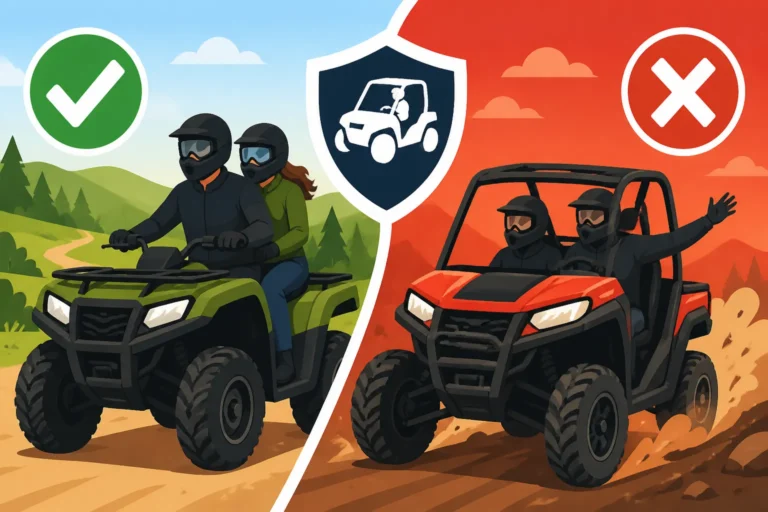
If your ATV is designed for two riders (a "two-up" machine) or if you're operating a UTV with multiple seats, then every single occupant, including any passengers, must wear an approved helmet. There's no exemption for passengers simply because they aren't operating the controls. The risk of head injury in a rollover or collision is just as real for the passenger as it is for the driver. Ignoring this rule not only puts your passenger in grave danger but can also lead to significant fines and penalties for the driver. Think about it: you're responsible for everyone on your machine.
The law is particularly strict about the type of machine used for carrying passengers. Single-rider ATVs are designed for one person only, and carrying a passenger on such a machine is illegal and incredibly unsafe, regardless of whether you're both wearing helmets. This is a common mistake some riders make, especially when giving a quick lift to a friend or child. Always ensure your machine is rated for the number of occupants you plan to carry. Once that's sorted, make sure everyone has an [Ontario ATV Passenger Rules]-compliant, properly fitting helmet.
Rules for Minors and Helmet Use
Children and teenagers are often enthusiastic ATV and UTV riders, and Ontario has specific provisions to ensure their safety. If a minor is riding an ATV or UTV, whether as a driver (if they meet the [Ontario ATV Minimum Age Off-Road] requirements) or as a passenger, they must wear an approved helmet. This rule is absolute and applies across all riding environments, including private property. While adults might have a very narrow exception for private land, minors do not. Their developing bodies and less experienced judgment make head protection even more paramount.
Parents and guardians bear the responsibility for ensuring that any child riding an ORV in their care is wearing a helmet that fits properly. An ill-fitting helmet, one that's too loose or too tight, won't provide adequate protection. It's not enough to simply hand them any old helmet; it needs to be the right size, correctly fastened, and approved for motorcycle or off-road vehicle use. This commitment to young rider safety is a cornerstone of Ontario's regulations and helps protect the next generation of outdoor enthusiasts.
What Counts as an Approved Helmet in Ontario?
When the law says "approved helmet," it's not just talking about any old piece of headwear. There are specific safety standards that helmets must meet to be considered legal for use on an ATV or UTV in Ontario. This ensures that the helmet you're wearing has been rigorously tested and provides a certified level of protection against impacts. It’s crucial to understand these standards, not just to avoid a fine, but to truly protect your most valuable asset: your brain.
Understanding Approved Standards
In Ontario, an approved helmet generally means one that meets specific safety standards for motorcycles or off-road vehicles. These standards are typically recognized internationally and indicate that the helmet has passed various tests for impact absorption, penetration resistance, and retention system strength. The most common standards you'll see are:
- DOT (Department of Transportation): This is a U.S. standard, but widely accepted and recognized for its rigorous testing.
- Snell (Snell Memorial Foundation): Another U.S. standard, often considered even more stringent than DOT.
- ECE (Economic Commission for Europe): A European standard, also widely recognized and respected.
- CSA (Canadian Standards Association): While less common for powersports helmets specifically, any helmet bearing a CSA standard for powersports would also be acceptable.
You'll usually find a sticker or label inside the helmet (or sometimes on the outside) indicating which standard it meets. If your helmet doesn't have one of these certifications, it likely doesn't meet the legal requirements in Ontario, regardless of how robust it might look. It’s not just about looking the part; it’s about having the certified protection. Brands often boast about their safety features, and you'll find quality helmets that meet these standards from a variety of manufacturers. While you might be tempted by cheaper alternatives, a helmet is one area where you absolutely shouldn't compromise on quality and certification.
The Importance of the Chin Strap
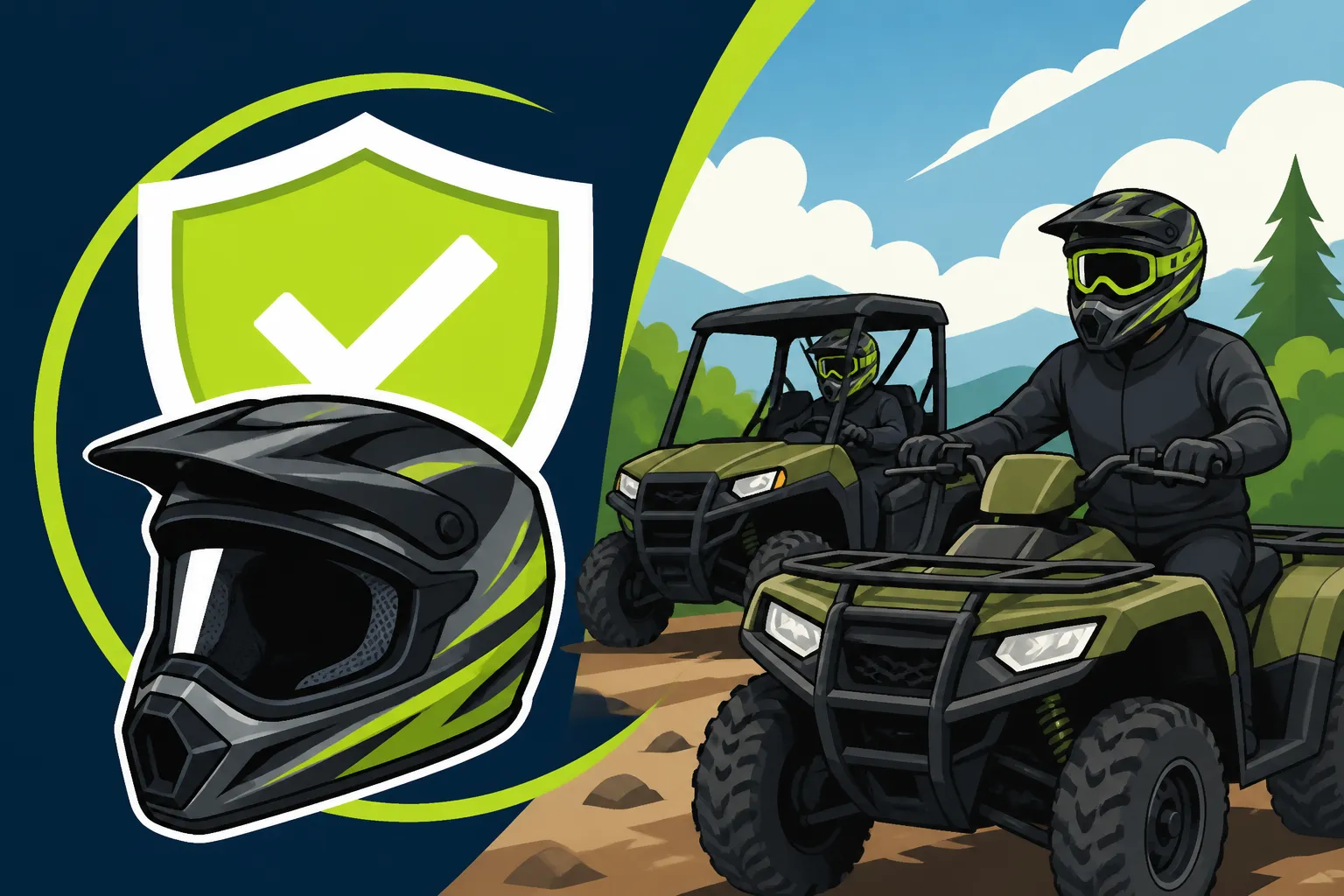
Having an approved helmet is only half the battle; it must also be properly worn and securely fastened with its chin strap. An unbuckled or loosely buckled chin strap renders even the most advanced, expensive helmet almost useless in an accident. If the helmet isn't securely attached to your head, it can easily come off during an impact, leaving your head vulnerable. This is why enforcement officers are specifically trained to check not just if you're wearing a helmet, but if it's properly secured. A helmet resting on your head like a hat, or with a dangling chin strap, is as good as no helmet at all in the eyes of the law, and more importantly, in the face of danger.
Ensuring your helmet fits snugly, even when tackling rough trails, is key. Many riders also look to reliable brands like SuperATV for durable aftermarket accessories that enhance safety and comfort, like windshields or mirrors that don't obstruct helmet use. But the core protection comes from the helmet itself and how it's worn. Before every ride, take a moment to ensure your chin strap is snug enough that the helmet cannot be easily pulled off your head, even with some force. This simple step could literally save your life. For more details on what officers check, see [Chin Straps and Ontario Enforcement].
| Scenario | Helmet Required? | Passenger Helmet Required? | Key Consideration |
|---|---|---|---|
| Public Road/Highway | Yes | Yes | Must be an approved motorcycle/ORV helmet, chin strap fastened. |
| Designated OFATV Trail | Yes | Yes | Same approved helmet standards apply. |
| Crown Land (public access) | Yes | Yes | No exceptions for "free use" areas. |
| Private Property (your own) | No (for adults) | Yes (for minors) | Highly recommended for all ages, but not legally mandated for adult riders on their own land. |
| Child (under 16) as Driver/Pass. | Yes | Yes | Absolute requirement, regardless of property type. |
Exemptions, Enforcement, and Your Safety
While the helmet law is broad, there are very specific, narrow exceptions. Understanding these, along with the consequences of non-compliance, reinforces why adherence is so important. Ultimately, the law is there to protect you, but your personal commitment to safety goes even further.
The "Private Property" Exception and Its Nuances
The most commonly misunderstood exception to Ontario's helmet law is regarding private property. Generally, if you are an adult operating an ATV or UTV exclusively on land that you own or have permission to use, and that land does not involve access to any public road or trail, you are not legally required to wear a helmet. This is the narrowest of definitions, and it means your own land. If you're riding on your friend's land, you need their explicit permission, and even then, some interpretations would suggest the public access rule could still apply if there's any ambiguity.
However, even with this legal exemption, most experienced riders and safety advocates will strongly advise wearing a helmet regardless. Accidents can happen anywhere, and the severity of a head injury doesn't discriminate based on property lines. Furthermore, this exception vanishes instantly if you so much as cross a municipal road or travel along a road allowance, even briefly. For minors, as mentioned, there is no such exception; children must wear a helmet on private property too. For a deeper dive into where this rule doesn't apply, check out [Where the Helmet Rule Does Not Apply].
It's also worth noting that if you're riding on farmland for specific agricultural purposes, there might be further specific regulations or exemptions depending on the nature of the work. However, for recreational riding on private property, the "own land" rule is the primary, albeit limited, exemption. Always err on the side of caution. Even when just doing chores, wearing a helmet is a sensible precaution.
Fines, Penalties, and the Bigger Picture
Failing to wear an approved helmet, or wearing one improperly, can result in significant fines under the Off-Road Vehicles Act. These aren't just minor slaps on the wrist; they can be substantial, and they quickly add up, especially if combined with other infractions like [Riding an Unregistered ATV in Ontario]. An officer stopping you will not only issue a ticket but will also make sure you comply with the law before continuing your ride, which might mean a delay while you secure a helmet if you don't have one.
But beyond the monetary penalty, the real consequence is the increased risk to your personal safety. No fine can compare to the life-altering impact of a severe head injury. Helmets are designed to absorb impact, preventing or significantly reducing concussions, skull fractures, and brain trauma. While the law mandates helmets, the ultimate reason for wearing one is self-preservation. Even if you're confident in your riding skills, accidents can happen due to unforeseen circumstances—a sudden obstacle, a mechanical failure, or another rider's mistake. That's why many riders don't just stop at the helmet; they invest in quality protective gear, often sourcing reliable accessories from companies like SuperATV to enhance their overall safety setup.
Always remember to carry your [Keeping Your ORV Permit Dry on a Wet Ride] and proof of insurance, as officers will ask for these during a stop. And while a photocopy of your permit might satisfy an officer in a pinch, having the real thing is always best. Ultimately, Ontario's helmet law isn't about control; it's about fostering a culture of safety for all who want to enjoy the incredible experience of off-road riding in this province. Ride smart, ride safe, and always wear that helmet.
Disclaimer
This article is for general informational purposes only and does not constitute professional advice. Laws, prices and regulations vary by location and change over time. Consult a qualified professional for guidance on your specific situation.