Ontario ATV Rules for a Twelve-Year-Old
It's incredibly exciting to see a young rider get into the world of ATVs and UTVs, but as a parent or guardian, the rules can feel like a minefield. You want to ensure your twelve-year-old can enjoy the thrill safely and legally, without inadvertently breaking any of Ontario's often-complex regulations. This comprehensive guide will walk you through everything you need to know about the specific rules and best practices for a twelve-year-old operating an ATV or UTV in Ontario, helping you navigate the requirements for various riding environments.
Riding on Private Property: The Starting Point
For many young riders, the journey begins right at home, on private land. This is often the least restrictive environment for a twelve-year-old to operate an Off-Road Vehicle (ORV), but it's crucial to understand that "least restrictive" doesn't mean "no rules" or "no responsibility." Private property provides an excellent opportunity for skill development in a controlled setting, under direct supervision.
The Freedom and Responsibility of Your Own Land
When a twelve-year-old is riding an ATV on private property that you own or have explicit permission to use, the rules from the provincial Off-Road Vehicles Act (ORVA) regarding age and licensing are significantly relaxed compared to public lands or roads. On your own land, or land where you have a clear agreement, your twelve-year-old is generally permitted to ride, provided you, as the landowner or responsible adult, accept the inherent risks. This means they don't need a driver's licence, and certain age restrictions that apply to public trails don't strictly govern your backyard. However, this freedom comes with immense responsibility. It’s up to you to ensure the riding environment is safe, free from hidden hazards, and that the machine itself is appropriate for their size and skill level. Think of it as a blank slate for learning, but one that demands your active engagement in safety.
This environment is where foundational skills are built. Learning throttle control, braking, steering, and navigating small obstacles becomes much less daunting when the pressure of public scrutiny or complex trail conditions is removed. It's the perfect place to start with a smaller, age-appropriate machine, allowing your child to gain confidence before venturing into more challenging terrain. Always be present, observing, and providing guidance. Even on private land, the spirit of the [Ontario ATV Minimum Age Off-Road] regulations emphasizes supervision and responsible riding.
Supervision and Safety Gear on Private Property
Even on private property, supervision is not just a good idea; it's practically non-negotiable for a twelve-year-old. While the law might not explicitly dictate constant line-of-sight supervision on private land, common sense and safety certainly do. This means having an adult present, attentive, and ready to intervene if necessary. It’s about teaching good habits from day one. More importantly, the requirement for a helmet remains universal. Regardless of where an ORV is being operated in Ontario, an approved helmet must be worn by the operator. This isn't a suggestion; it's a critical safety law, and for good reason. Accidents can happen anywhere, and head protection is paramount.
Beyond the helmet, think about other essential safety gear. Sturdy over-the-ankle boots, gloves to protect hands and improve grip, long pants, and a long-sleeved shirt are all crucial. Eye protection, such as goggles or a full-face helmet visor, is also vital to shield against dust, debris, and branches. You might even consider additional protective gear like a chest protector, especially if the riding involves rougher terrain or higher speeds. Equipping your child properly is an investment in their safety and your peace of mind. SuperATV, for instance, offers a range of durable aftermarket accessories that can enhance a machine's safety features, such as reinforced bumpers or robust skid plates, which could provide an extra layer of protection even on private land.
Machine Appropriateness for Young Riders
Choosing the right ATV or UTV for a twelve-year-old is critical. It’s not just about engine size; it’s about overall physical fit, weight, and handling characteristics. A machine that’s too large or powerful can quickly overwhelm a young rider, leading to loss of control and potential injury. Many manufacturers offer youth-specific models designed with lower speeds, lighter weight, and features like throttle limiters that allow parents to control the maximum speed until the rider develops more skill. The [Ontario ATV Rules for a Twelve-Year-Old] implicitly point to the need for appropriate equipment.
Consider the child's height and weight. They should be able to comfortably reach the handlebars and footrests, and easily operate the brakes and throttle. When seated, their feet should be able to firmly touch the ground to maintain balance and aid in sudden stops. For UTVs, ensure they can comfortably reach all controls and operate the steering wheel. Starting with a smaller displacement machine, typically under 90cc for a child of this age, is a wise choice. As they grow and gain experience, you can consider moving up gradually. This progression allows them to master control and develop judgment safely, rather than being thrown onto a machine that's simply too much to handle.
Riding on Public Trails and Crown Land: Strict Age Limits Apply
Venturing beyond private property brings a whole new set of rules and regulations, especially concerning age and supervision. Public trails, such as those maintained by the Ontario Federation of ATV Clubs (OFATV), and Crown land, are governed by stricter provincial laws designed to ensure public safety and minimize environmental impact. For a twelve-year-old, these rules are particularly important to understand and adhere to, as non-compliance can lead to fines and other penalties.
The OFATV Age and Supervision Rules
When it comes to riding on designated OFATV trails, which are often shared with other users, the rules are quite clear and are largely based on the Off-Road Vehicles Act (ORVA). While a twelve-year-old can ride an ORV on private land with permission, the situation changes dramatically on organized trails. Generally, to operate an ORV on an OFATV trail, an operator must be at least twelve years old and under the direct supervision of an adult who is at least sixteen years old. However, this supervision often needs to be from a person operating another ORV, not just observing from the sidelines. There are also specific rules about the type of machine they can operate. For example, a twelve-year-old is often restricted to machines under a certain engine size, usually up to 90cc.
It’s not just about age; it's also about a valid trail permit. To ride on OFATV trails, a permit is mandatory. This permit contributes to trail maintenance, insurance, and the overall network. Even if your twelve-year-old meets the age and supervision criteria, they must still have their machine registered and properly plated, and a valid trail permit displayed. The OFATV rules are designed to create a safe and organized riding environment for everyone, and adhering to them is crucial. For more details on this, you might find [Ontario ATV Minimum Age Off-Road] helpful.
Permits and Training for Young Riders
Beyond the general age and supervision requirements, there's the question of formal training and permits. While Ontario does not mandate a rider training course for all ORV operators, it is highly recommended, especially for young riders. Courses like the "Ready to RideON" program offered by the Canada Safety Council are specifically designed for young operators aged twelve to fifteen, focusing on safe operating procedures, risk awareness, and proper riding techniques. Taking such a course can significantly improve a young rider's skills and judgment, making them safer on the trails. While not a legal requirement for riding itself, some clubs might encourage it, and it's certainly a valuable investment.
When riding on public land, a valid [Ontario ATV Trail Permit Cost] is almost always required. This applies to Crown land where ORVs are permitted, as well as OFATV trails. These permits fund the upkeep of the trails, signage, and contribute to liability insurance for the trail network. Without a permit, your child could face fines, and their riding privileges could be revoked. Always check with the specific trail club or municipality for their requirements.
Understanding Crown Land Restrictions
Crown land, which is public land owned by the provincial government, offers vast opportunities for ORV riding in many parts of Ontario. However, it's not a free-for-all. Similar to OFATV trails, there are specific regulations under the Public Lands Act and the Off-Road Vehicles Act that dictate where and how ORVs can be operated. For a twelve-year-old, the same age and supervision rules generally apply as for OFATV trails: they must be at least twelve years old and under the direct supervision of an adult (16+) operating another ORV.
Riding on Crown land requires diligence. Not all Crown land is open to ORVs, and there can be seasonal closures, environmental restrictions, or areas designated for other uses (like hiking or hunting only). It's always essential to consult local Ministry of Natural Resources and Forestry (MNRF) offices or check relevant maps and regulations before heading out. While the lure of vast open spaces is strong, respecting these rules is critical for environmental protection and to maintain continued access for ORV users. Tools like robust storage boxes, perhaps from a brand like SuperATV, can be useful for carrying maps, permits, and emergency supplies when exploring remote Crown land areas. For additional context on this, refer to [Ontario ATV Rules for Riding Crown Land].
| Riding Environment | Minimum Age | Supervision Required | Helmet Required | Driver's Licence Required | Trail Permit Required | Machine Plate/Registration Required |
|---|---|---|---|---|---|---|
| Private Property | None legally mandated for operation (but 12+ recommended for ORVA-compliant machines) | Highly Recommended | Yes | No | No | No (unless entering public areas) |
| OFATV Trails | 12 years old | Yes (by 16+ ORV operator) | Yes | No | Yes | Yes |
| Crown Land | 12 years old | Yes (by 16+ ORV operator) | Yes | No | Yes (in most areas) | Yes |
| Public Roads | 16 years old | No (but driver's license required) | Yes | Yes (G2/M2 minimum) | No | Yes |
Road Riding: A Hard Stop for Under-16s
This is where the rules become unequivocally clear: a twelve-year-old cannot legally operate an ATV or UTV on a public road in Ontario. The province has very specific age and licensing requirements for operating any motor vehicle on a public highway, and ORVs are no exception when permitted on roads. This is a crucial distinction from private property or even designated trails, and it's important for parents to understand the implications.
The Legal Age for Ontario Road Use
Under Ontario's Highway Traffic Act and the Off-Road Vehicles Act, the absolute minimum age to operate an ORV on any public road where ORV use is permitted is sixteen years old. In addition to being sixteen, the operator must hold a valid G2 or M2 class driver's licence (or higher) to be considered legal. This means that a twelve-year-old, regardless of their skill level or the size of their machine, is simply too young to legally ride an ATV on municipal roads or provincial highways (where ORVs are permitted). These age limits are in place to ensure that operators have the maturity, judgment, and formal training typically associated with licensed drivers, which is essential for safely navigating traffic and understanding road rules.
Attempting to allow a twelve-year-old to ride an ATV on a public road, even for a short distance, can result in significant fines for both the child and the supervising adult, and could lead to vehicle impoundment. It also carries immense liability risks. The rules are non-negotiable in this regard, and enforcement is generally strict because of the inherent dangers of mixing off-road vehicles with road traffic. For more detailed information, consider reading [Ontario ATV Minimum Age on a Road].
Understanding ORV Road Classes
It's also important to understand that not all ATVs or UTVs are permitted on all roads in Ontario, even for licensed adults. Ontario categorizes ORVs into different classes (ATV, ROV, MPV), each with specific weight and width restrictions, and some roads are only open to certain types of machines. Even if your child were older, their machine might not qualify for road use. For a twelve-year-old, this complexity is largely moot because the age restriction overrides any machine classification.
The primary takeaway here is that a twelve-year-old should never be on a public road with an ATV or UTV. Their riding activities should be strictly confined to appropriate private property or designated ORV trails and Crown land where they meet the age and supervision requirements. Do not be tempted to let them "just cross the road quickly" or "ride down the shoulder for a moment." The risks and legal consequences are simply too high. Understanding [Ontario ATV Rules on a Municipal Road] can help clarify permissible uses for older, licensed riders, but these do not extend to minors.
The Consequences of Underage Road Riding
The penalties for a twelve-year-old riding an ATV on an Ontario road, and for the adult who permitted it, can be severe. An officer can issue fines for operating a motor vehicle without a valid licence, for operating an ORV under the minimum age, and for permitting an unlicensed driver to operate a vehicle. The ORV itself could be impounded, leading to towing and storage fees on top of the fines. More critically, if an accident occurs, insurance coverage could be nullified, leaving you personally liable for damages, injuries, and potentially devastating financial consequences.
Beyond the legal and financial repercussions, there's the moral responsibility. Allowing a child to ride illegally on a road puts them and others at serious risk. Roads are unpredictable environments, and even the most skilled adult riders face challenges. A twelve-year-old simply lacks the experience, judgment, and reaction time to safely navigate these conditions. It's a risk that no parent should take. Education and firm boundaries are key to ensuring their safety and compliance with the law.
Prioritizing Safety and Skill Development
Beyond the legalities, a significant part of guiding a twelve-year-old into the world of ATVs and UTVs revolves around fostering a culture of safety and continuous skill development. Legal compliance is the baseline, but true safety goes further, encompassing proper training, appropriate gear, and diligent machine maintenance.
The Importance of Certified Training
While Ontario doesn't mandate formal training for ORV operators, especially on private land, encouraging your twelve-year-old to complete a certified ATV safety course is one of the best investments you can make. Organizations like the Canada Safety Council offer "Ready to RideON" courses tailored specifically for young riders, covering crucial topics such as:
- Pre-ride inspections
- Starting, stopping, and turning techniques
- Hazard avoidance
- Riding on various terrains
- Environmental responsibility
- Emergency procedures
These courses not only teach practical skills but also instill a strong sense of responsibility and awareness. A twelve-year-old who has successfully completed such a course will have a much better understanding of their machine's capabilities and limitations, as well as their own. It builds confidence and competence far beyond what informal backyard instruction can offer. While there is a [Ontario ATV Safety Course Cost], the value of the knowledge gained is immeasurable. This formal instruction can also reinforce the importance of safety gear and respectful riding etiquette, preparing them for more complex riding scenarios as they age and gain experience.
Essential Safety Gear Beyond the Helmet
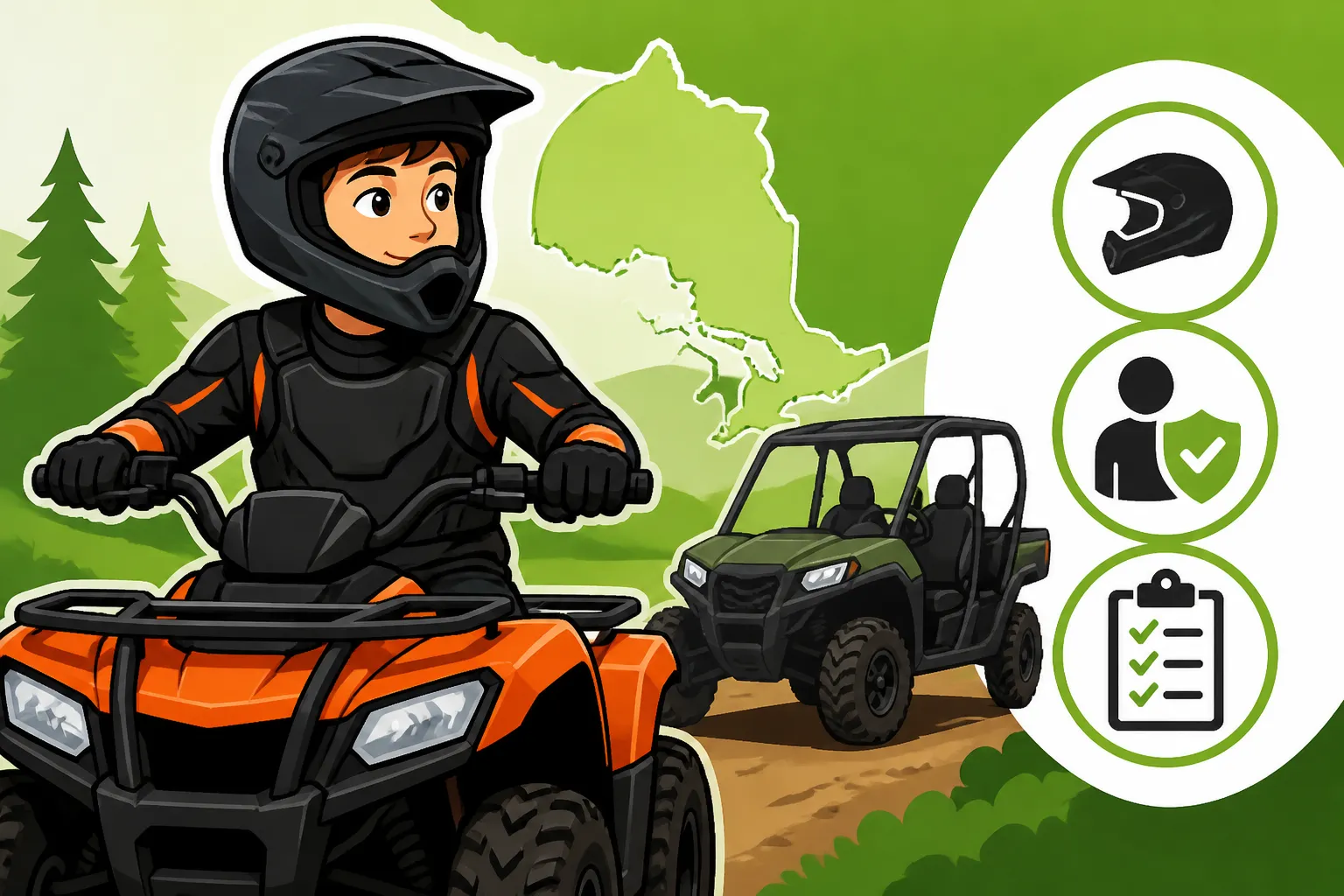
We’ve already emphasized the helmet – it’s non-negotiable. But a truly safe rider wears more than just head protection. For a twelve-year-old, this means ensuring they are fully geared up for every single ride, no matter how short or seemingly tame the terrain. This includes:
- Eye Protection: Goggles or a helmet visor to shield against dust, insects, and branches. A sudden impact to the eye can cause a momentary loss of control.
- Gloves: Protect hands from blisters, abrasions, and provide a better grip on the handlebars.
- Long-Sleeved Shirt and Long Pants: Durable material like denim or purpose-made riding gear offers protection from scrapes, sun, and flying debris.
- Over-the-Ankle Boots: Essential for ankle support, protecting feet from the machine’s heat, and impacts.
- Chest Protector/Body Armour: Highly recommended, especially for younger riders who might be more prone to tumbles. It protects vital organs and bones from impacts.
Investing in quality gear is not just about protection; it also contributes to comfort and confidence, allowing the rider to focus on the trail rather than distractions. Brands like SuperATV, while known for vehicle parts, also highlight the importance of safety accessories. Proper gear should be a non-negotiable part of the pre-ride routine, similar to checking fuel and tires.
Routine Machine Checks and Maintenance
A safe rider understands their machine, and a responsible parent ensures the ORV is always in top operating condition. This means establishing a routine of pre-ride checks and regular maintenance. Before every ride, teach your twelve-year-old (and do it with them) to:
- Check the tires: Ensure proper inflation and inspect for any damage.
- Check the brakes: Test both front and rear brakes for proper function.
- Check the fluid levels: Engine oil, coolant (if applicable), and brake fluid.
- Inspect the chain/drive shaft: Ensure it's properly tensioned and lubricated (for chain drives) or free from damage.
- Verify lights and horn: Essential, especially if there's any chance of riding near dusk or in low visibility.
- Check throttle operation: Ensure it moves freely and returns to idle when released.
Regular maintenance, such as oil changes, filter cleaning/replacement, and brake adjustments, should be performed according to the manufacturer’s schedule. A well-maintained machine is a safer machine. If you're running aftermarket parts or accessories, ensure they are properly installed and maintained. Components like those from SuperATV are built for durability, but even the strongest parts need occasional inspection to ensure they are functioning as intended. Teaching your child these habits early on instills a sense of responsibility and machine awareness that will serve them well throughout their riding life.
Disclaimer
This article is for general informational purposes only and does not constitute professional advice. Laws, prices and regulations vary by location and change over time. Consult a qualified professional for guidance on your specific situation.